California Tax Agency Seizes $168M in Illicit Cannabis Since 2019
CDTFA enforcement teams have confiscated cannabis and tobacco products valued at $168 million over seven years.
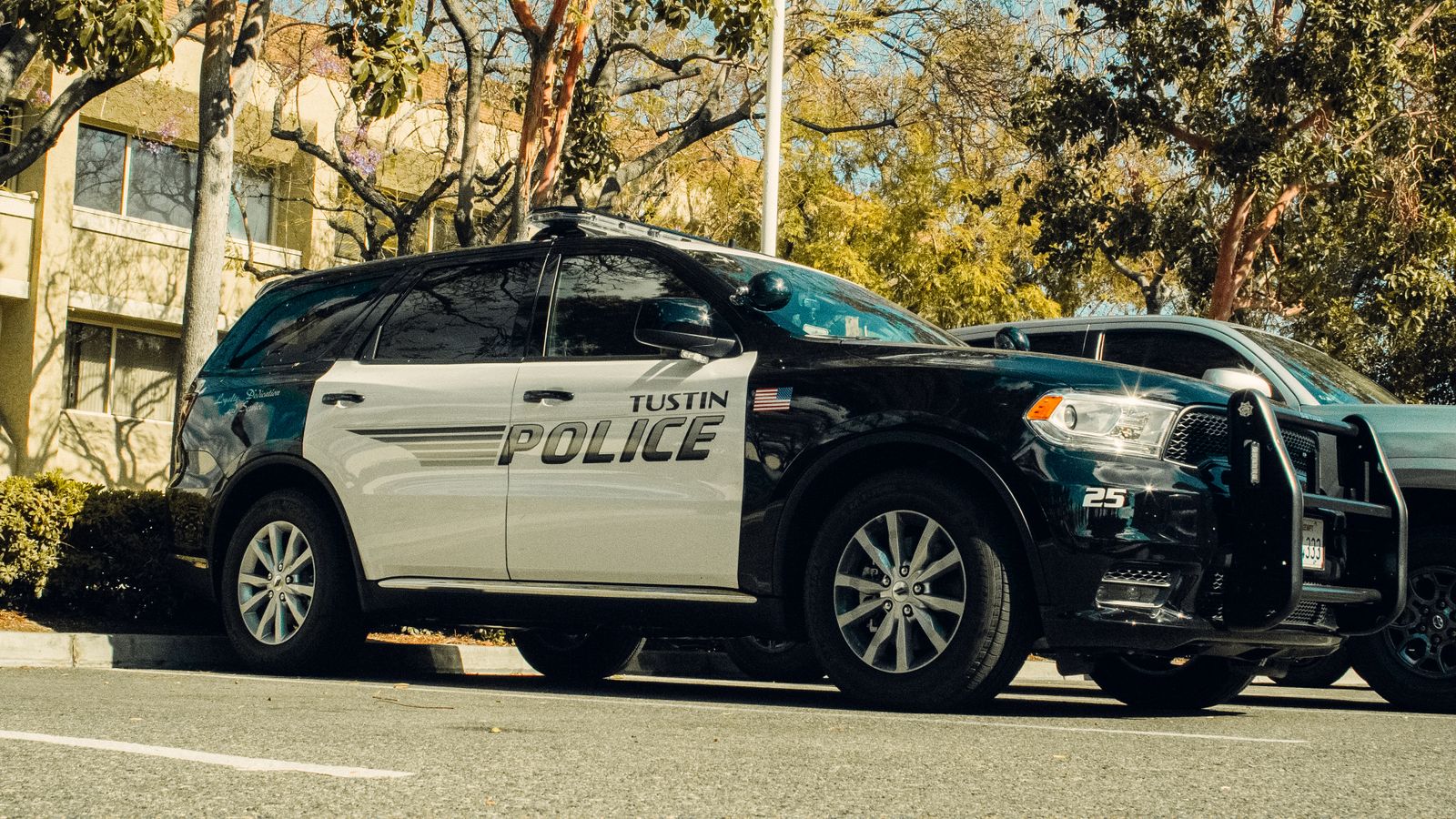
Tustin police car parked in a shaded lot surrounded by trees.
Enforcement Scope and Timeline
CDTFA enforcement operations have confiscated cannabis and tobacco products valued at $168 million between 2019 and 2026. The agency conducts joint operations with local law enforcement and the California Department of Cannabis Control to target unlicensed storefronts, delivery services, and wholesale distributors operating outside the regulated market.
That seven-year enforcement window coincides with California's transition to adult-use cannabis regulation under Proposition 64, which took effect in January 2018. Tax evasion on cannabis products represents a dual violation: failure to collect excise tax at point of sale and distribution of products that bypass state testing and packaging requirements.
Tax Revenue at Stake
California levies a 15 percent excise tax on cannabis retail sales, generating approximately $1.1 billion annually for state programs. Unlicensed operators who evade this tax undercut licensed retailers on price while diverting revenue from public health, environmental restoration, and local government programs funded by cannabis tax allocations.
Here's the cleanest read on the $168 million seizure figure: it represents lost tax revenue of roughly $25 million over seven years, assuming the contraband would've moved through legal channels. That math excludes the compounding effect of price competition. Licensed operators say it forces margin compression across the regulated market.
Enforcement Mechanisms
CDTFA operates specialized enforcement teams authorized to inspect retail locations, seize contraband, and issue civil penalties for tax evasion. The agency doesn't have arrest authority but coordinates with local police and county sheriffs to execute search warrants on suspected unlicensed operations.
Enforcement actions typically result in product seizure, administrative penalties ranging from $5,000 to $25,000 per violation, and referral to the California Attorney General for criminal prosecution in cases involving organized distribution networks. Repeat offenders? They face escalating penalties and potential felony charges under California Revenue and Taxation Code Section 19706.
Geographic Concentration
Illicit cannabis enforcement activity concentrates in Los Angeles County, the Inland Empire, and the Central Valley, where unlicensed storefronts outnumber licensed retailers in some municipalities. Los Angeles alone accounts for an estimated 40 percent of California's unlicensed cannabis retail activity, according to a 2025 analysis by the United Cannabis Business Association.
Local enforcement gaps persist in jurisdictions that have banned commercial cannabis activity, creating demand that unlicensed operators fill when legal retail options don't exist. CDTFA data shows seizure volumes correlate inversely with local licensing density: counties with fewer than five licensed retailers per 100,000 residents see higher contraband seizure rates.
Industry Impact
Licensed cannabis operators report that illicit competition erodes market share and forces operational cutbacks. A 2026 survey by the California Cannabis Industry Association found that 68 percent of licensed retailers cited unlicensed competition as their primary business challenge, ahead of tax burden and regulatory compliance costs.
The $168 million in seized products represents inventory that never reached consumers through legal channels. For context, California's legal cannabis market generated $5.3 billion in retail sales in 2025, meaning the cumulative seizure value equals roughly 3 percent of one year's legal sales. Industry advocates argue the figure understates the illicit market's true scale. Most unlicensed transactions evade detection entirely.
What Comes Next
CDTFA enforcement funding remains stable through fiscal year 2027 under the current state budget, with $18 million allocated annually for cannabis and tobacco tax enforcement. The agency hasn't announced plans to expand enforcement headcount but continues to refine data-sharing protocols with the Department of Cannabis Control and local agencies.
Watch this policy lever next: Assembly Bill 1894, pending in the California Senate, would authorize cities and counties to impose additional civil penalties on property owners who lease to unlicensed cannabis operators. That bill cleared the Assembly in June 2026 and faces a Senate Appropriations Committee vote in September.
Frequently asked questions
How much cannabis has California seized from unlicensed operators since 2019?
The California Department of Tax and Fee Administration has seized cannabis and tobacco products valued at $168 million between 2019 and 2026. This figure represents the retail value of contraband confiscated during enforcement operations targeting unlicensed retailers and distributors.
What tax revenue has California lost to illicit cannabis sales?
The $168 million in seized products would have generated approximately $25 million in excise tax revenue if sold through licensed channels, based on California's 15 percent cannabis excise tax rate. This estimate excludes broader market impacts from unlicensed price competition.
Which California regions see the most illicit cannabis enforcement?
Los Angeles County, the Inland Empire, and the Central Valley account for the majority of CDTFA cannabis enforcement activity. Los Angeles alone represents an estimated 40 percent of the state's unlicensed retail operations, according to industry data.
What penalties do unlicensed cannabis operators face in California?
CDTFA can impose administrative penalties of $5,000 to $25,000 per violation for tax evasion and seize contraband inventory. Repeat offenders and large-scale distributors may face felony prosecution under California Revenue and Taxation Code Section 19706.
Sources
The cannabis newsletter you forward to your team.
Federal policy, market data, grower alerts, and the one story that matters today. Sent every weekday at 7am. Free.
No spam. Unsubscribe with one click. 21+ only.
Related from Laws
Bipartisan Bill Exempts Hemp THC Drinks From Federal Ban
New legislation would carve out hemp beverages from the looming recriminalization, regulating them like alcohol instead.

Senate Hemp THC Vote Fractures Partisan Lines in Rare Coalition Split
A procedural vote on intoxicating hemp products broke traditional Republican and Democratic blocs, signaling deepening rifts over cannabis policy.

Hochul Signs Bill Expanding Microbusiness, Dispensary Pathways in NY
New law loosens ownership restrictions and creates new licensing routes for small operators in New York's cannabis market.
More from the newsroom

Pre-Employment Cannabis Testing Rises After Two-Year Decline
Employers resume THC screening as federal rescheduling stalls and workplace-safety litigation climbs.

Delaware Adult-Use Sales Miss First-Year Projections by Wide Margin
State regulators overestimated demand, infrastructure readiness, and consumer shift from medical to recreational channels.

THC Drug Eliminated Nightmares in 37% of PTSD Patients, German Trial Finds
Nabilone, a synthetic THC analog, outperformed placebo in reducing trauma-related nightmares in a 10-week randomized controlled trial.