One Seattle Officer Issued 80% of City's Marijuana Citations
A single Seattle Police Department officer wrote four out of five marijuana citations issued citywide, raising questions about enforcement discretion.
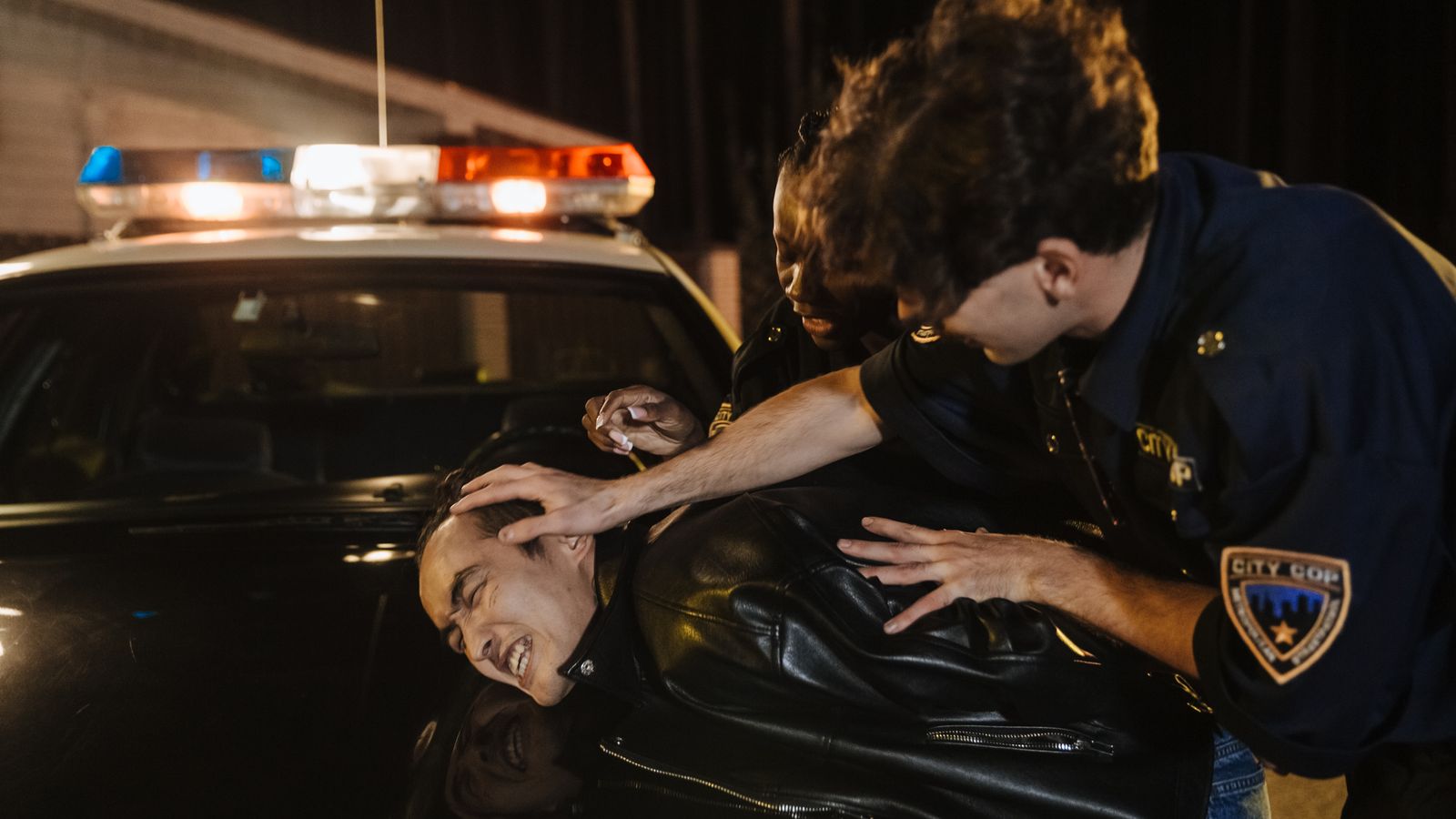
Dramatic nighttime arrest scene with police officers detaining a suspect on a patrol car.
Single Officer Accounts for Four-Fifths of Citations
The unnamed Seattle Police Department officer wrote 80 percent of the city's marijuana citations over the measured period, a concentration that far exceeds normal enforcement patterns. The data show this officer's citation activity dwarfed that of all other SPD personnel combined. Enforcement analysts call it a statistical outlier in a city where adult-use cannabis has been legal since 2012.
Seattle decriminalized possession of small amounts of marijuana in 2003, nine years before Washington voters approved Initiative 502 legalizing recreational cannabis statewide. Under current Washington law, adults 21 and older may possess up to one ounce of usable cannabis. Citations typically involve public consumption, possession by minors, or amounts exceeding the legal limit.
The officer's citation rate suggests either a specialized assignment targeting cannabis violations or individual enforcement discretion that diverges sharply from departmental norms. SPD hasn't released the officer's name, assignment, or patrol area—and hasn't disclosed whether the citations were concentrated in specific neighborhoods or demographic groups.
Enforcement Discretion Under State Cannabis Law
Washington's legal cannabis framework leaves significant enforcement discretion to individual officers, particularly for violations involving public consumption and possession limits. Seattle Municipal Code 12A.20.020 treats public marijuana use as a civil infraction carrying a maximum $50 fine. Officers may choose to issue warnings instead.
The concentration raises procedural questions. If one officer issued 80 percent of all marijuana citations, the remaining 20 percent were distributed among Seattle's roughly 1,400 sworn officers—meaning most SPD officers rarely or never cite individuals for cannabis violations, even when encountering conduct that technically warrants enforcement action.
The data point to either a highly specialized enforcement role or a discretion gap that merits review, particularly if citation patterns correlate with race or geography.
Seattle hasn't released demographic breakdowns of citation recipients or geographic heat maps showing where the violations occurred. Advocacy groups including the American Civil Liberties Union of Washington have long documented racial disparities in marijuana enforcement nationwide, even in states with legal adult-use markets—Black residents are arrested for cannabis violations at rates three to four times higher than white residents in many jurisdictions, despite similar usage rates.
What to Watch: Accountability and Policy Review
The Seattle Police Department and the city's Office of Inspector General haven't announced whether the citation pattern will trigger an internal review. SPD policy directs officers to prioritize serious crimes and public-safety threats. Marijuana enforcement typically ranks low on the department's priority list. The outlier citation pattern could prompt questions about whether the officer's enforcement activity aligns with departmental guidance or whether supervisors approved a focused cannabis-enforcement assignment.
Seattle City Councilmember Lisa Herbold, who chairs the council's Public Safety and Human Services Committee, hasn't commented on the data. The council has oversight authority over SPD policies and could request a briefing on marijuana-enforcement protocols and citation demographics.
For broader context on Seattle's cannabis enforcement landscape and how the city's policies compare to state and federal frameworks, see the CannIntel topic hub on Seattle marijuana enforcement. The city's approach to cannabis policing has evolved significantly since Washington legalized adult use, but this data point suggests enforcement practices remain uneven across the force.
Sources
The cannabis newsletter you forward to your team.
Federal policy, market data, grower alerts, and the one story that matters today. Sent every weekday at 7am. Free.
No spam. Unsubscribe with one click. 21+ only.
Related from Laws

Houston Ballot Measure Sets Marijuana Arrests as Lowest Police Priority
November 2026 initiative would direct HPD to deprioritize possession enforcement under four ounces.

Virginia Hemp Users Challenge Cannabis Law Over Product Access
Consumers and businesses say state's adult-use framework restricts hemp-derived products they've used for years.
Bipartisan Bill Exempts Hemp THC Drinks From Federal Ban
New legislation would carve out hemp beverages from the looming recriminalization, regulating them like alcohol instead.
More from the newsroom
Minnesota Cannabis Operators Face Licensing Delays, Inventory Shortages
State regulators struggle to process applications as businesses report cash-flow strain and supply gaps.
Pre-Employment Cannabis Testing Rises After Two-Year Decline
Employers resume THC screening as federal rescheduling stalls and workplace-safety litigation climbs.

Delaware Adult-Use Sales Miss First-Year Projections by Wide Margin
State regulators overestimated demand, infrastructure readiness, and consumer shift from medical to recreational channels.