Michigan GOP Candidate Raises Cannabis Funds While Pledging Tax Cut
Republican gubernatorial hopeful accepts industry donations while promising to repeal Michigan's new wholesale cannabis tax.
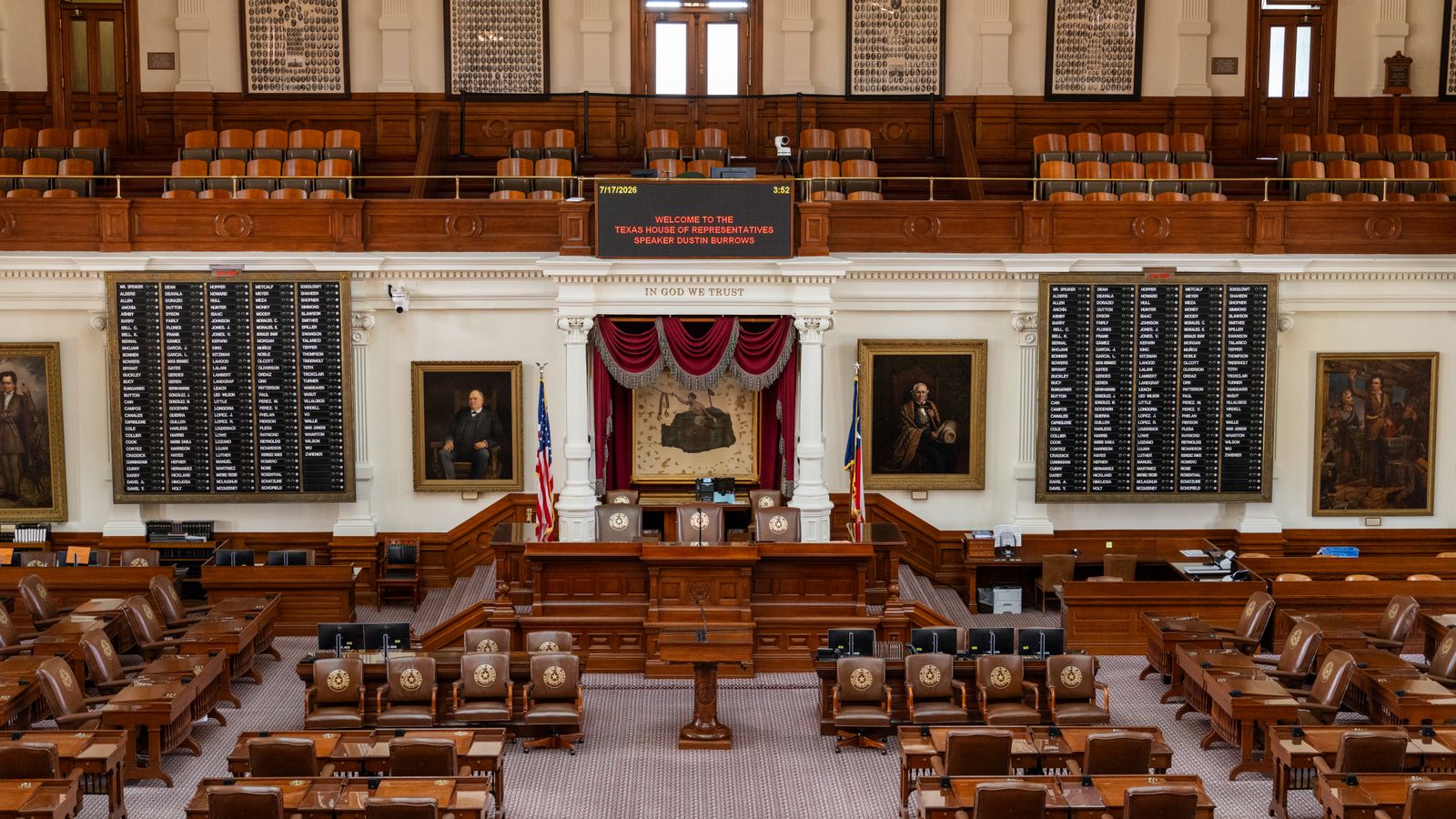
The Texas House of Representatives chamber, featuring legislative seats and historical portraits.
Campaign Finance Records Show Industry Donations
The GOP candidate received at least $15,000 from cannabis business owners and executives between July and August 2026, according to Michigan Secretary of State filings. The contributions came from licensed dispensary operators, cultivation facility owners, and one cannabis real estate investment trust with operations in metro Detroit. The candidate's campaign didn't respond to requests for comment.
Michigan campaign finance law requires disclosure of all contributions exceeding $100 within 30 days of receipt. The cannabis-linked donations represent roughly 3% of the candidate's total fundraising haul during the reporting period.
Tax Repeal Pledge Central to Economic Platform
The candidate has made repealing Michigan's 10% wholesale cannabis tax a centerpiece of their economic policy platform since entering the race in June 2026. The tax took effect January 1, 2026. It applies to all wholesale transfers of cannabis products from cultivators to processors and retailers, and was projected to generate $120 million in annual revenue for the state's School Aid Fund.
At an August 22 campaign stop in Grand Rapids, the candidate called the wholesale tax "a job killer that punishes small businesses and drives consumers back to the illicit market." How would they replace the lost education funding? The candidate hasn't specified.
Industry Split on Tax Policy
Cannabis operators in Michigan remain divided on the wholesale tax, with larger multi-state operators generally supporting it and smaller cultivators lobbying for repeal. The Michigan Cannabis Industry Association, which represents roughly 200 licensed businesses, hasn't taken a formal position on repeal efforts.
The cleanest read on the donor list is that it skews toward smaller operators who view the wholesale tax as an existential threat to their margins.
One cultivation facility owner who contributed $2,500 to the campaign told local media in July that the wholesale tax had reduced his profit margin by 40% in the first half of 2026. He didn't respond to follow-up inquiries about whether he supports full repeal or reform of the tax structure.
Political Precedent in Other States
Michigan is the third state to implement a wholesale cannabis tax alongside retail excise taxes, following Washington and Illinois. Both states have seen ongoing political battles over tax structures. Industry groups in Illinois currently back legislation to convert the wholesale tax into a lower flat-rate excise tax.
A 2022 ballot initiative to repeal Washington's wholesale tax failed with 38% support. Post-election polling showed voters were reluctant to eliminate a dedicated education funding stream without a replacement revenue source. For full background on this story, see the CannIntel topic hub on Michigan Cannabis Taxes.
What Happens Next
Political forecasters rate the Michigan governor's race a toss-up, with cannabis policy emerging as a secondary issue behind education funding and infrastructure. The Democratic incumbent has defended the wholesale tax as necessary to fund school operations and has received endorsements from the Michigan Education Association and the state's largest teachers' union.
The Republican primary is scheduled for August 2027. General election follows in November 2027. If the GOP candidate wins, any repeal effort would require support from the state legislature, where Democrats currently hold a narrow majority in both chambers. Legislative analysts estimate a repeal bill would need to identify $120 million in alternative revenue or accept equivalent cuts to the School Aid Fund.
The next disclosure deadline for campaign contributions is October 20, 2026, and industry observers will be watching whether cannabis donors continue supporting a candidate whose tax policy could reduce state revenue while potentially benefiting their businesses.
Sources
The cannabis newsletter you forward to your team.
Federal policy, market data, grower alerts, and the one story that matters today. Sent every weekday at 7am. Free.
No spam. Unsubscribe with one click. 21+ only.
Related from Laws

Massachusetts recriminalization campaign outspends defenders 10-to-1
A ballot initiative to criminalize adult-use cannabis sales has raised $2.3 million while the opposition has mustered just $230,000.

Anti-cannabis group outspends Massachusetts industry 4-to-1 in ballot fight
National prohibitionist campaign has raised over $8 million to recriminalize the state's $1.65 billion cannabis market ahead of November vote.
Federal Court Rejects Bid to Block DEA Cannabis Rescheduling
A federal judge denied an emergency motion to halt the DEA's move of marijuana to Schedule III under the Controlled Substances Act.
More from the newsroom

Mike Tyson Thanks Trump for Federal Cannabis Pardons, Calls for More
The retired boxer praised last week's clemency grants but said thousands more nonviolent offenders deserve freedom.

Massachusetts Cannabis Sales Surpass $10 Billion Since 2018 Launch
The state's adult-use market crossed the cumulative revenue threshold in September 2026, eight years after the first dispensaries opened.

South Africa eyes Canada's global cannabis export crown
Lower costs and EU-GMP capacity position South Africa as a serious threat to Canada's medical export dominance.