Massachusetts Rejects Challenge to Anti-Marijuana Ballot Initiative
State officials cleared the measure for November 2026 ballot despite signature validity dispute.

Close-up of a person placing a vote in a transparent ballot box with an American flag print.
Signature Challenge Fails to Block Ballot Access
The Massachusetts Secretary of State's office certified the initiative after determining that signature challengers failed to demonstrate sufficient irregularities to disqualify the measure. Pro-cannabis advocacy groups had filed objections alleging that petition circulators used misleading language and collected signatures under false pretenses. State officials found the challenge didn't meet the legal threshold for removal from the ballot.
The ruling follows a review process that examined thousands of petition signatures submitted by the initiative's backers. Massachusetts law requires ballot measures to clear multiple signature thresholds and survive legal scrutiny before appearing before voters.
Cannabis opponents have used the ballot-initiative process to challenge legalization before. Similar efforts in other states have met mixed results, with some measures failing to qualify and others advancing to voters only to be defeated.
What the Initiative Would Change
The measure seeks to restrict cannabis retail locations, increase penalties for certain cannabis offenses, and impose new testing requirements on products. Specific provisions include:
- Allowing municipalities to ban all cannabis retailers through local ordinance, reversing current opt-out provisions
- Requiring third-party testing for all cannabis products with stricter contamination thresholds
- Increasing penalties for sales to minors and unlicensed distribution
- Mandating additional disclosures on product packaging regarding THC potency
The initiative doesn't seek to repeal adult-use legalization entirely, but would significantly curtail the operational framework that's governed Massachusetts cannabis commerce since 2016. Industry groups estimate that the measure, if passed, could force closure of 20-30% of current retail locations in municipalities that choose to invoke the new ban authority.
If voters approve this measure in November, Massachusetts operators will face a patchwork of local bans that could eliminate access in suburban and rural communities where cannabis retail is currently permitted.
What Happens Next
The initiative will appear on the November 2026 ballot as Question 4, with a simple majority required for passage. Both pro- and anti-cannabis groups are expected to mount aggressive campaigns in the coming months.
Polling data on the measure remains limited. Early surveys suggest Massachusetts voters remain divided on cannabis policy. The state's Cannabis Control Commission hasn't taken a formal position on the initiative, though commissioners have indicated they'd implement any voter-approved changes if required.
For full background on this story, see the CannIntel topic hub on the Massachusetts 2026 ballot initiative.
Enforcement will vary widely if the measure passes. Local control provisions will create a fragmented regulatory landscape, and the timeline for implementation of new testing standards remains unclear. The CCC will likely issue emergency regulations if voters approve the measure, but the rulemaking process could take six to twelve months.
Sources
The cannabis newsletter you forward to your team.
Federal policy, market data, grower alerts, and the one story that matters today. Sent every weekday at 7am. Free.
No spam. Unsubscribe with one click. 21+ only.
Related from Laws

Marijuana Policy Project Releases Hawai'i Cannabis Voter Guide
National advocacy group publishes candidate positions ahead of state legislative elections with adult-use legalization on the line.

Excessive Cannabis Taxes Drive Consumers to Illicit Markets, NORML Finds
New analysis links state tax increases to measurable shifts toward unregulated sellers.

Senate Democrats Reintroduce Cannabis Descheduling Bill
Legislation would remove marijuana from the Controlled Substances Act entirely and expunge federal convictions.
More from the newsroom
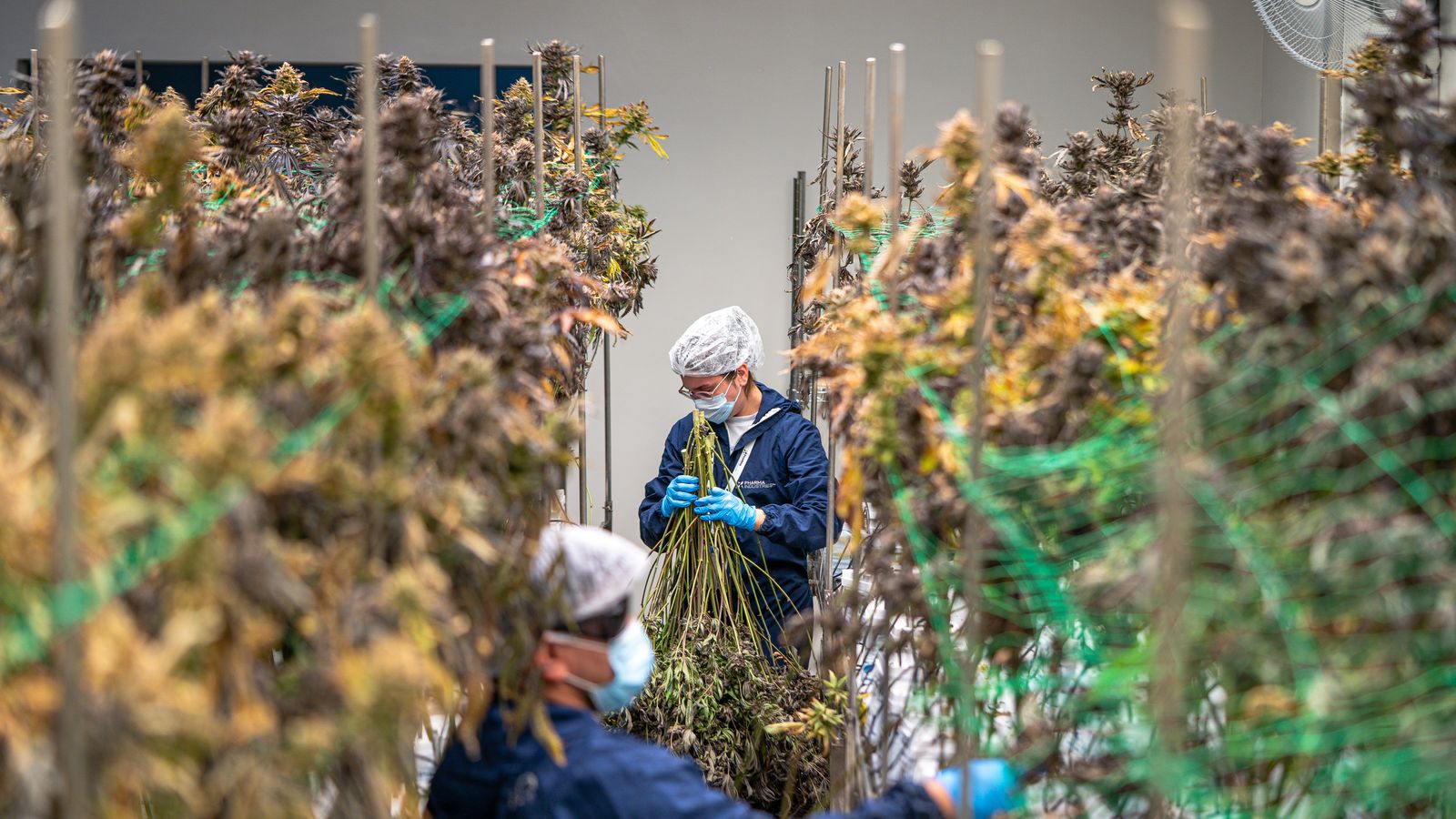
Cantourage Launches Branded Flower Line to Defend Wholesale Margins
German distributor shifts from white-label supply to proprietary cultivation as flower pricing compresses across EU medical markets.

Oklahoma Medical Marijuana Packaging Rules Draw Industry Criticism
New child-safety packaging requirements took effect July 1, 2026, sparking pushback from licensed operators over compliance costs.

Botswana Legalizes Commercial Hemp Cultivation in July 2026
Southern African nation opens pathway for industrial hemp farming under new regulatory framework.