Botswana Legalizes Commercial Hemp Cultivation in July 2026
Southern African nation opens pathway for industrial hemp farming under new regulatory framework.

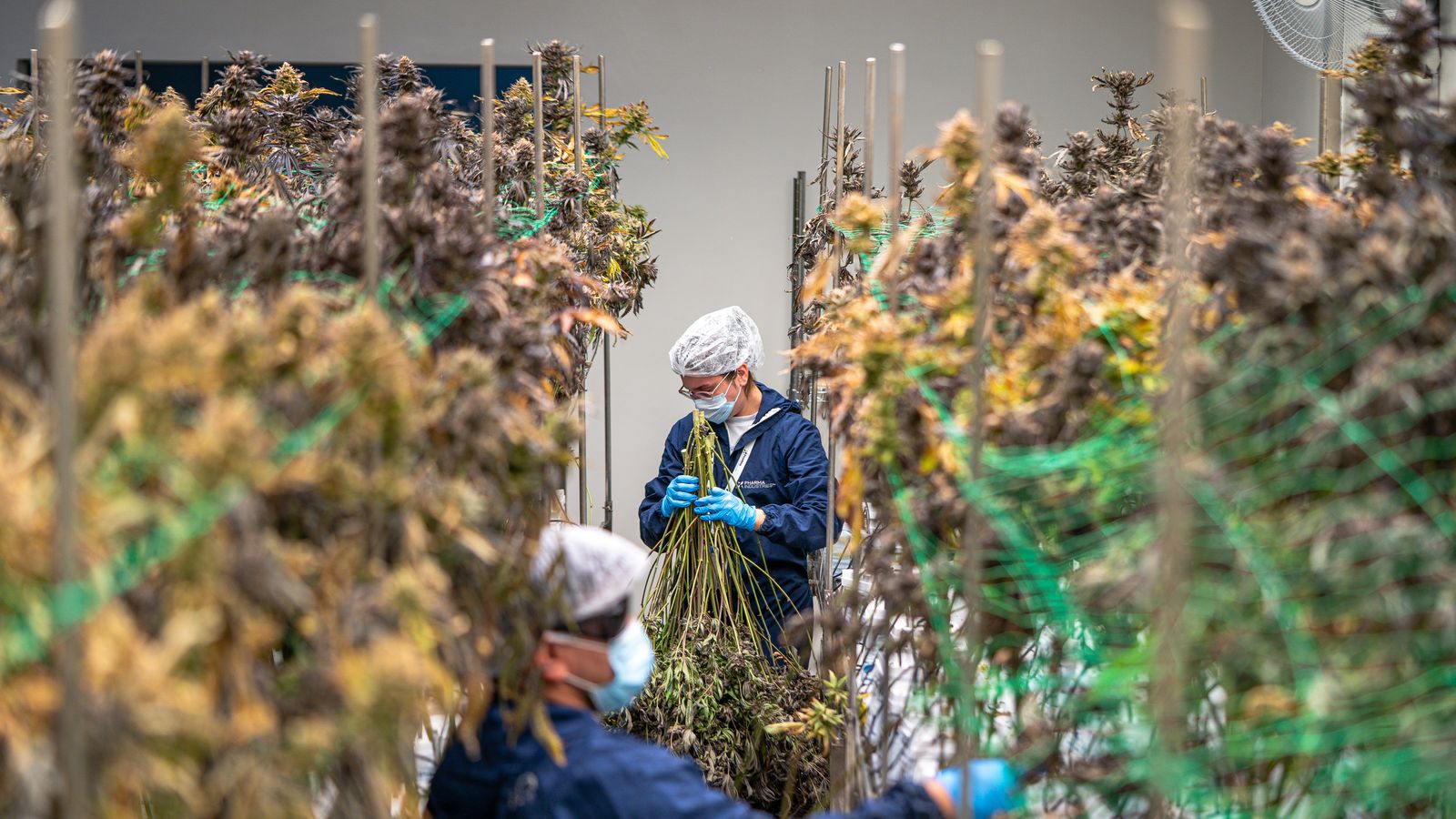
Expansive cannabis plants growing densely under a bright, clear blue sky.
Legal Framework Authorizes Licensed Hemp Production
Botswana's government finalized regulations permitting commercial hemp cultivation under a licensing system administered by the Ministry of Agricultural Development and Food Security. The framework distinguishes hemp—defined as cannabis containing less than 0.3% THC—from marijuana, which remains prohibited for recreational use. Farmers must obtain cultivation permits and submit to crop testing protocols to verify THC compliance.
The regulations don't specify acreage caps or production quotas in the initial rollout. Application procedures and fee structures haven't been publicly disclosed as of July 21, 2026.
Economic Rationale Drives Policy Shift
Legalization targets agricultural diversification and export revenue in a landlocked economy historically dependent on diamond mining and cattle ranching. Hemp fiber markets in textile manufacturing and construction materials represent the primary commercial opportunity, according to government statements. CBD extraction for pharmaceutical and wellness products is authorized but subject to separate pharmaceutical-grade licensing requirements.
The economic case is straightforward: hemp requires minimal water compared to traditional crops, a critical factor in Botswana's semi-arid climate, and global demand for industrial hemp products has grown 34% annually since 2022.
Botswana's unemployment rate stood at 24.9% in Q1 2026. That creates political pressure for new agricultural employment pathways, though the government hasn't released employment projections tied to hemp legalization.
Regional Context and Implementation Timeline
Botswana joins South Africa, Lesotho, Zimbabwe, and Malawi in permitting commercial cannabis cultivation in Southern Africa. Lesotho issued its first medical cannabis licenses in 2017; South Africa legalized personal cannabis use in 2018 and authorized commercial cultivation in 2023. This regional trend reflects shifting attitudes toward cannabis as an agricultural commodity rather than solely a controlled substance.
For full background on this development, see the CannIntel topic hub on Botswana hemp legalization.
Implementation details remain unpublished—including license application windows, testing laboratory accreditation, and export permit procedures. Ministry officials haven't announced a timeline for the first cultivation permits.
The kicker: Execution speed is the critical variable. Neighboring Zimbabwe and Malawi have issued hemp licenses but struggled with infrastructure bottlenecks and export-market access, so Botswana's success depends on whether licensing moves faster than its regional peers and whether farmers can access capital for startup costs the regulations don't address.
Frequently asked questions
What is the THC limit for legal hemp in Botswana?
Botswana defines hemp as cannabis containing less than 0.3% THC, consistent with international standards used in the U.S., EU, and neighboring South Africa. Marijuana with higher THC levels remains prohibited.
Which government agency regulates hemp cultivation in Botswana?
The Ministry of Agricultural Development and Food Security administers the licensing system for commercial hemp cultivation. Farmers must obtain cultivation permits and submit crops to THC testing protocols.
What products can Botswana hemp farmers produce?
Licensed farmers can grow hemp for fiber, seed, and CBD extraction. Fiber markets in textiles and construction materials are the primary target. CBD extraction requires separate pharmaceutical-grade licensing.
How does Botswana's hemp policy compare to other African nations?
Botswana joins South Africa, Lesotho, Zimbabwe, and Malawi in legalizing commercial cannabis cultivation. Lesotho issued medical cannabis licenses in 2017; South Africa authorized commercial cultivation in 2023.
When can farmers apply for hemp cultivation licenses in Botswana?
The government has not announced application windows or published fee structures as of July 21, 2026. Implementation timelines for the first cultivation permits remain unclear.
Sources
The cannabis newsletter you forward to your team.
Federal policy, market data, grower alerts, and the one story that matters today. Sent every weekday at 7am. Free.
No spam. Unsubscribe with one click. 21+ only.
Related from Laws

Senate Democrats Reintroduce Cannabis Descheduling Bill
Legislation would remove marijuana from the Controlled Substances Act entirely and expunge federal convictions.

Oklahoma Medical Marijuana Packaging Rules Draw Industry Criticism
New child-safety packaging requirements took effect July 1, 2026, sparking pushback from licensed operators over compliance costs.

Trump AG Dodges Question on Further Marijuana Rescheduling Beyond Medical Use
Attorney General declines to commit to adult-use rescheduling during Senate confirmation hearing.
More from the newsroom
Cantourage Launches Branded Flower Line to Defend Wholesale Margins
German distributor shifts from white-label supply to proprietary cultivation as flower pricing compresses across EU medical markets.

Massachusetts voters to decide cannabis repeal in November ballot
A citizen-led petition forces the first statewide vote on reversing adult-use legalization since 2016.

Massachusetts Voters Face Nine Ballot Questions in November 2026
Cannabis reform, gun control, and seven other measures could appear on Massachusetts ballots this fall.