Massachusetts CCC Opens Public Comment on Agent Registration Rules
The Cannabis Control Commission is soliciting informal feedback on registration requirements for cannabis agents before formal rulemaking begins.

Street view of licensed cannabis retailer sign in urban setting with storefronts and cars.
CCC Launches Pre-Rulemaking Stakeholder Outreach
The Cannabis Control Commission is collecting informal feedback on agent registration rules before drafting formal regulatory amendments. The agency published a notice on September 29 inviting operators, employees, and advocacy groups to submit comments on existing registration processes and potential reforms. This pre-rulemaking phase lets the CCC gauge industry concerns before committing to specific regulatory language.
Massachusetts requires all individuals working in direct contact with cannabis products to register as agents with the CCC. Processing delays plague the current system. So do renewal burdens and unclear disqualification criteria. The informal comment period suggests the agency's considering structural changes to the program.
Current Agent Registration Framework Under Review
Massachusetts currently mandates individual agent registration for cultivation, manufacturing, testing, and retail employees who handle cannabis. Each agent must submit fingerprints, pass a background check, and renew registration annually. The CCC maintains a database of all registered agents and can suspend or revoke credentials for violations of state cannabis law.
Operators have reported registration backlogs that delay new hires from starting work. Some facilities wait 45 to 60 days for agent cards to process, forcing them to keep new employees on administrative tasks until credentials arrive. The informal comment process may address these operational friction points.
Stakeholder Priorities for Reform
Industry groups are expected to push for faster processing, lower fees, and clearer disqualification standards. The Massachusetts Cannabis Association has previously called for streamlined renewals and reciprocity with other state programs. Labor advocates want the CCC to narrow the list of disqualifying offenses, particularly for non-violent convictions that occurred before legalization.
Social equity operators have flagged agent registration as a barrier to hiring from communities disproportionately harmed by prohibition. The CCC's equity programs prioritize license access but don't address downstream hiring obstacles created by background-check requirements. It's a gap. Reform advocates see this comment period as an opportunity to align agent policy with equity goals.
Hemp and THCA Operator Implications
The agent registration debate intersects with enforcement questions around hemp-derived THCA products sold outside the licensed market. Massachusetts hasn't clarified whether retailers selling THCA flower or delta-9 edibles under the 2018 Farm Bill must register agents with the CCC. The informal comment period could surface this jurisdictional gap.
If the CCC tightens agent registration rules, hemp retailers may face new compliance demands. Conversely, if the agency streamlines the process for licensed operators, it could widen the competitive gap between regulated and unregulated sellers. The outcome will depend on whether stakeholders raise the hemp-loophole issue during the comment window.
Timeline and Next Steps
The CCC hasn't specified a deadline for informal comments or a timeline for formal rulemaking. Typically, Massachusetts agencies collect informal input for 30 to 60 days before drafting proposed regulations. Once the CCC publishes a formal Notice of Public Hearing, the rulemaking process enters a statutory 21-day comment period followed by final adoption.
Operators should monitor the CCC's website for comment instructions and submission deadlines. Early engagement in the informal phase gives stakeholders the best chance to shape the regulatory language before it's locked into formal proposals.
Enforcement Uncertainty Persists
Until the CCC finalizes new rules, enforcement of existing agent registration requirements remains inconsistent across regions. Some municipalities conduct joint inspections with the CCC and cite facilities for unregistered workers. Others rarely verify agent credentials during routine compliance checks. This patchwork creates unequal risk for operators depending on local enforcement priorities.
For full background on this story, see the CannIntel topic hub on cannabis agent registration requirements. The informal comment period offers a rare window to influence state policy before formal constraints take hold. Enforcement will vary until the CCC completes rulemaking.
Frequently asked questions
What is cannabis agent registration in Massachusetts?
Massachusetts requires all individuals working in direct contact with cannabis products at licensed facilities to register with the Cannabis Control Commission. Registration involves fingerprinting, background checks, and annual renewal. The CCC maintains a database of agents and can revoke credentials for violations.
Why is the CCC seeking informal public input?
The CCC is collecting stakeholder feedback before drafting formal regulatory amendments to agent registration rules. Informal comment periods allow agencies to identify industry concerns and refine proposals before entering the statutory rulemaking process with fixed timelines and public hearings.
Do hemp-derived THCA retailers need to register agents?
Massachusetts hasn't clarified whether retailers selling hemp-derived THCA products under the 2018 Farm Bill must register agents with the CCC. The informal comment period may surface this jurisdictional question, but enforcement remains inconsistent across municipalities until the agency issues formal guidance.
How long does agent registration currently take in Massachusetts?
Operators report registration processing times of 45 to 60 days, causing delays in onboarding new employees. Processing speed varies by application volume and background check complexity. Industry groups are expected to push for faster turnaround during the informal comment period.
When will new agent registration rules take effect?
The CCC hasn't announced a timeline. After collecting informal comments, the agency will draft proposed rules, hold a formal public hearing, accept statutory comments for 21 days, and then finalize regulations. The full process typically takes six to twelve months from informal outreach to final adoption.
Sources
The cannabis newsletter you forward to your team.
Federal policy, market data, grower alerts, and the one story that matters today. Sent every weekday at 7am. Free.
No spam. Unsubscribe with one click. 21+ only.
Related from Laws

Massachusetts Voters Favor Keeping Legal Cannabis, New Polls Show
Polling data released this week shows strong majority support for maintaining the state's adult-use program ahead of November ballot question.

Massachusetts Voters Face Cannabis Legalization Repeal Question in November
NORML calls Question 4 a national trial balloon by prohibitionist groups seeking to reverse state legal markets.

No on 8 Campaign Releases First Ads Focused on Public Health
Opposition to California's Proposition 8 cannabis repeal launches television spots emphasizing regulated market safety and youth protection.
More from the newsroom
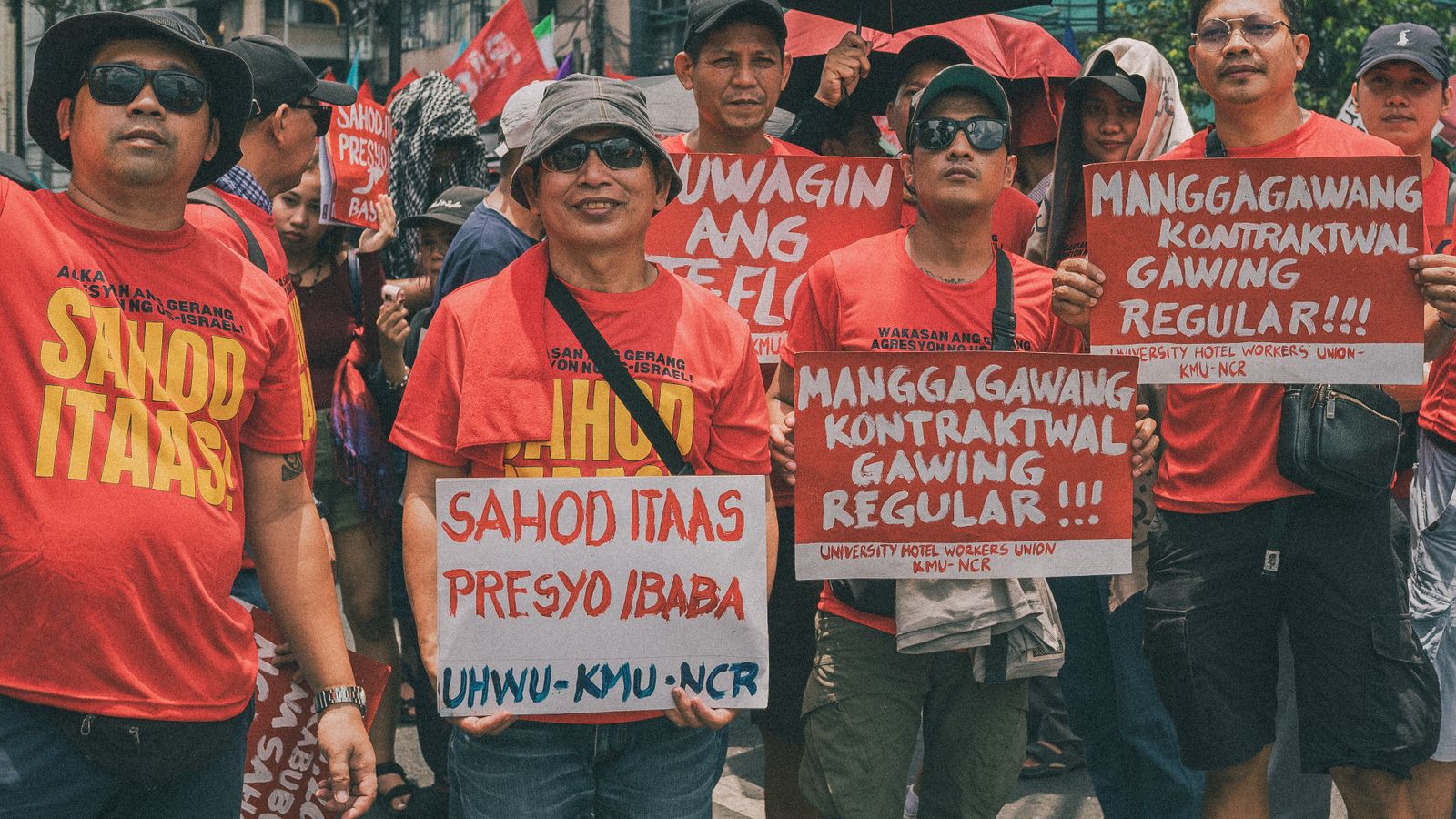
Missouri Cannabis Workers File Retaliation Claim After Union Meeting
Multiple employees at a Missouri marijuana business say they were terminated following a union organizing meeting, prompting labor complaints.

Florida medical marijuana license winners signal early exit interest
Recent filings suggest at least two of Florida's newly awarded licensees are exploring sale options before launching operations.

Jersey City Cannabis Board Withdraws Support for Tyson.20 Dispensary
The Jersey City Cannabis Control Board reversed its endorsement of a proposed retail site while approving a separate manufacturing facility.