Georgia regulators tour Macon cultivation site as patient enrollment climbs
State cannabis commission inspects production facility amid rising demand for medical marijuana access.
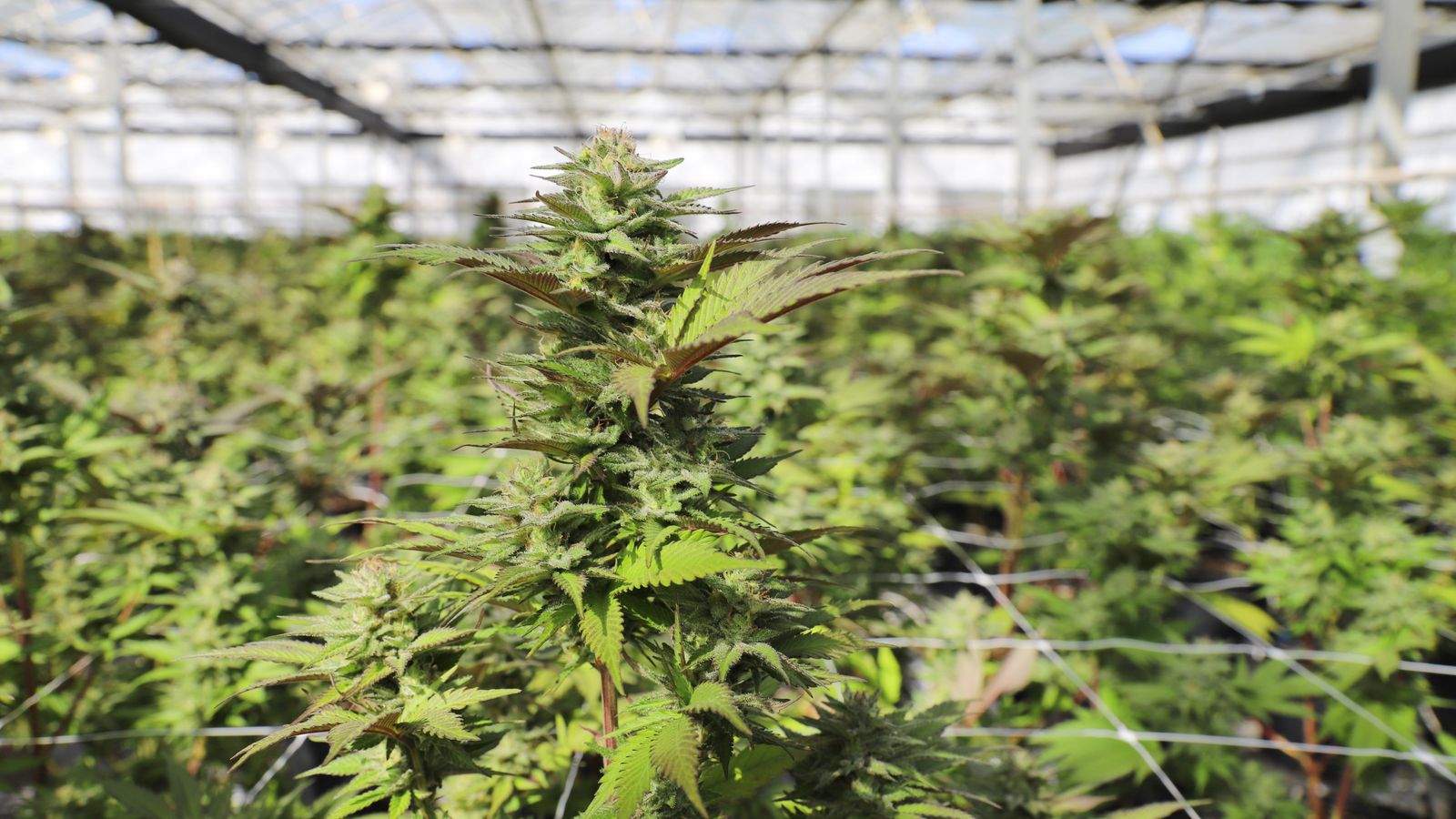
Close-up view of cannabis plants thriving in a sunlit greenhouse in Salinas, showcasing lush greenery.
Commission inspects production readiness
Georgia Access to Medical Cannabis Commission officials toured a licensed cultivation site in Macon to assess production capacity and regulatory compliance. The inspection occurred as enrollment in the state's medical cannabis registry has accelerated in recent months, putting pressure on the handful of licensed cultivators authorized to produce low-THC oil for Georgia patients.
Georgia's program permits cannabis oil containing no more than 5% THC for patients with qualifying conditions including cancer, Parkinson's disease, and seizure disorders. The state awarded production licenses in 2021, but cultivation facilities faced delays in construction and regulatory approval before beginning operations in late 2022.
The Macon facility represents one of six Class 1 production licenses issued statewide. Commission members didn't release specific production figures from the tour. The timing suggests regulators are monitoring whether current output can meet patient demand as the registry expands.
Patient enrollment accelerates
The state's medical cannabis registry has grown steadily since dispensaries began sales in 2023, with enrollment figures climbing month-over-month. Officials haven't released updated enrollment totals for 2026, but the commission's public statements indicate the patient base has outpaced initial projections from the program's launch.
Georgia's restrictive qualifying-condition list and the requirement for physician certification have kept enrollment lower than in states with broader medical programs. Still, patient advocates have noted increased awareness and physician participation as the program matures.
The commission's site visit signals heightened scrutiny of supply-chain bottlenecks as demand outstrips early production forecasts.
Two licensed dispensaries—operating in Marietta and Macon—serve as the sole retail points for registered patients. Supply constraints at either the cultivation or retail level could force patients to wait for product restocks. That's a scenario regulators appear intent on avoiding.
Production capacity under pressure
Georgia's limited-license model concentrates production in six facilities, creating vulnerability to supply disruptions if any single operator faces operational or regulatory setbacks. The commission hasn't expanded the number of cultivation licenses since the initial awards in 2021, despite calls from patient advocates to broaden access by licensing additional producers.
For context on Georgia's evolving regulatory framework, see the CannIntel topic hub on Georgia's medical cannabis program.
One question looms: will the commission release updated enrollment data and production metrics in its quarterly report, expected in September 2026? Those figures will clarify whether the Macon tour was routine oversight or a response to emerging supply-demand imbalances, and whether the state's six cultivators can keep pace with a patient base that's grown faster than anyone anticipated when the first dispensaries opened their doors three years ago.
For complete background, history, and our ongoing coverage of this story:
Open the CannIntel topic hub →Sources
The cannabis newsletter you forward to your team.
Federal policy, market data, grower alerts, and the one story that matters today. Sent every weekday at 7am. Free.
No spam. Unsubscribe with one click. 21+ only.
Related from Laws
MMJ Challenges CMS Administrator Oz Over Hemp Cannabinoid Endorsement
Medical marijuana operator disputes federal 'no product' stance after CMS head endorses unvalidated hemp-derived cannabinoid line.

Federal Judge Denies Request to Block Texas Hemp Ban
A U.S. district court rejected industry arguments for a temporary restraining order, leaving the state's consumable hemp prohibition in effect.

Massachusetts Cannabis Study Finds Consumer Concerns on Potency, Tax Spending
New research shows Bay State cannabis consumers prioritize product potency accuracy and transparency in how the state spends marijuana tax revenue.
More from the newsroom

New York CBD Stores Face Dispensary Squeeze as Adult-Use Expands
Legacy hemp retailers pivot to wellness, education, and niche products as licensed cannabis shops multiply statewide.

Cannabis Retailers Shift From Risky Bet to Mainstay in Commercial Leasing
Landlords and brokers report surging demand for dispensary tenants as retail cannabis proves durable across market cycles.

Michigan Retailer Closes Five Dispensaries Citing New Tax Burden
A Michigan cannabis operator is shuttering five locations as the state's revised tax structure squeezes multi-location retailers.