MMJ Challenges CMS Administrator Oz Over Hemp Cannabinoid Endorsement
Medical marijuana operator disputes federal 'no product' stance after CMS head endorses unvalidated hemp-derived cannabinoid line.
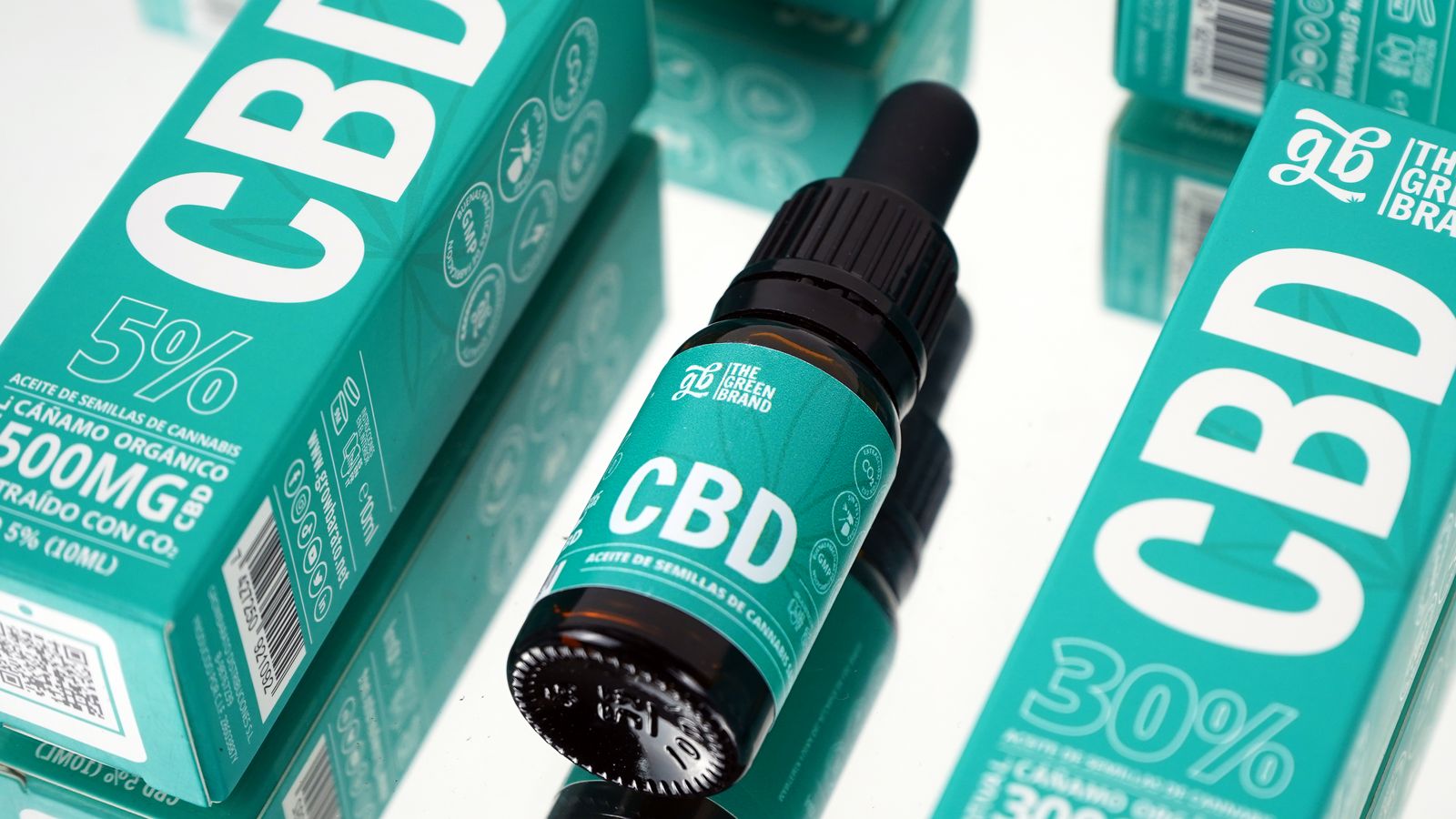
CBD oil and packaging on a reflective surface, highlighting organic hemp product.
Operator Disputes Federal 'No Product' Position
The challenge centers on a contradiction between federal enforcement rhetoric and an endorsement by the nation's top Medicare official. According to the newswire statement, the medical marijuana operator—identified only as MMJ in the release—contends that Oz's public support for CMS-branded hemp cannabinoid products undercuts the DEA and FDA's longstanding position that no legal intoxicating hemp-derived cannabinoid products exist under the 2018 Farm Bill framework.
The operator didn't specify which CMS hemp product line Oz endorsed or when the endorsement occurred. The release describes the products as "unvalidated," a term typically applied to supplements and hemp extracts that haven't undergone FDA premarket review for safety or efficacy.
Federal agencies have maintained since 2021 that hemp-derived delta-8 THC, delta-10 THC, THC-O, and other semi-synthetic cannabinoids fall outside the Farm Bill's definition of legal hemp. The DEA's August 2023 interim final rule on hemp explicitly stated that synthetically derived tetrahydrocannabinols remain Schedule I controlled substances regardless of their source material.
Oz's Dual Role as CMS Administrator and Public Figure
Mehmet Oz was confirmed as CMS Administrator in January 2025 following a contentious Senate confirmation process. Before his federal appointment, Oz built a national profile as a television personality and physician, frequently endorsing supplements and wellness products on his syndicated talk show from 2009 to 2022. That history drew scrutiny during his confirmation hearings. Senators questioned whether his past product endorsements would create conflicts of interest in his oversight of Medicare and Medicaid reimbursement policy.
CMS doesn't regulate cannabinoid products. That authority rests with the FDA for drugs and dietary supplements and the DEA for controlled substances. Still, Oz's endorsement of a hemp cannabinoid line—if made in his capacity as a public figure rather than as CMS Administrator—would carry significant weight given his current federal role.
The newswire release doesn't indicate whether Oz's endorsement predated his CMS appointment or occurred while serving as Administrator. It also doesn't specify whether the endorsement was commercial in nature or part of a public health communication.
The Federal Hemp Loophole and Enforcement Gap
The dispute highlights the unresolved regulatory status of intoxicating hemp-derived cannabinoids, a $2.4 billion market segment operating in legal gray space. The 2018 Farm Bill legalized hemp defined as cannabis containing less than 0.3 percent delta-9 THC by dry weight. It didn't address other cannabinoids, including delta-8 THC, which can be synthesized from CBD through chemical isomerization.
The FDA has issued warning letters to dozens of delta-8 THC manufacturers since 2021, citing unapproved drug claims and safety concerns. The agency hasn't approved any hemp-derived cannabinoid product for over-the-counter sale. In May 2023, FDA Commissioner Robert Califf testified before the Senate HELP Committee that the agency lacks sufficient appropriations to conduct comprehensive premarket review of the thousands of hemp cannabinoid products currently on the market.
For full background on this regulatory conflict, see the CannIntel topic hub on the federal hemp loophole and intoxicating cannabinoids. That coverage tracks the DEA's interim final rule, state-level bans in 18 jurisdictions, and ongoing litigation over the Farm Bill's scope.
The MMJ operator's challenge arrives as Congress considers the Hemp and Hemp-Derived Consumer Products Act, a bill introduced in June 2026 that would grant the FDA explicit authority to regulate intoxicating hemp cannabinoids as drugs and establish a registration framework for manufacturers. The bill hasn't advanced out of committee.
Medical Marijuana Operators and the Intoxicating Hemp Market
State-licensed medical marijuana operators have consistently opposed the unregulated hemp cannabinoid market, citing competitive disadvantage and consumer safety concerns. Licensed cannabis operators face strict testing requirements, child-resistant packaging mandates, and excise taxes that can exceed 30 percent in some states. Hemp-derived cannabinoid products sold in gas stations, smoke shops, and online retailers face no comparable regulatory burden.
Two major trade groups representing licensed operators—the National Cannabis Industry Association and the U.S. Cannabis Council—have both called for federal hemp cannabinoid regulation. In a March 2026 joint statement, the groups argued that the unregulated hemp market undercuts state cannabis programs and exposes consumers to untested products that may contain heavy metals, pesticides, or residual solvents from chemical synthesis.
The MMJ operator's identity remains unclear. The newswire release doesn't name the company, its state of operation, or the scale of its medical marijuana business. Without additional sourcing, it's not possible to verify whether the operator filed a formal complaint with a federal agency or issued the challenge solely through public statement.
What Happens Next
The operator's challenge is unlikely to trigger immediate federal action. But it adds to mounting pressure on the FDA and DEA to resolve the hemp cannabinoid regulatory gap. The FDA's next scheduled public meeting on hemp-derived cannabinoids is set for September 2026, according to the agency's public calendar, and will address the agency's authority under the Federal Food, Drug, and Cosmetic Act to regulate products containing CBD and other cannabinoids marketed with health claims.
CMS hasn't issued a public response to the operator's statement. The agency's press office didn't respond to inquiries by publication time. Oz hasn't addressed the endorsement allegation on his official CMS social media accounts or in recent public remarks.
Watch for this: whether the operator files a formal administrative complaint with the FDA or DEA, and whether either agency opens an investigation into the endorsed product line. Without named parties or docket numbers, this remains a rhetorical challenge rather than a legal proceeding.
For complete background, history, and our ongoing coverage of this story:
Open the CannIntel topic hub →Sources
The cannabis newsletter you forward to your team.
Federal policy, market data, grower alerts, and the one story that matters today. Sent every weekday at 7am. Free.
No spam. Unsubscribe with one click. 21+ only.
Related from Laws

Maine Medical Cannabis Operator Sues Ellsworth Over License Denials
A multi-location operator filed suit challenging the city's refusal to approve additional dispensary licenses.

Federal Judge Denies Request to Block Texas Hemp Ban
A U.S. district court rejected industry arguments for a temporary restraining order, leaving the state's consumable hemp prohibition in effect.

Massachusetts Cannabis Study Finds Consumer Concerns on Potency, Tax Spending
New research shows Bay State cannabis consumers prioritize product potency accuracy and transparency in how the state spends marijuana tax revenue.
More from the newsroom

New York CBD Stores Face Dispensary Squeeze as Adult-Use Expands
Legacy hemp retailers pivot to wellness, education, and niche products as licensed cannabis shops multiply statewide.

Cannabis Retailers Shift From Risky Bet to Mainstay in Commercial Leasing
Landlords and brokers report surging demand for dispensary tenants as retail cannabis proves durable across market cycles.

Michigan Retailer Closes Five Dispensaries Citing New Tax Burden
A Michigan cannabis operator is shuttering five locations as the state's revised tax structure squeezes multi-location retailers.