New York CBD Stores Face Dispensary Squeeze as Adult-Use Expands
Legacy hemp retailers pivot to wellness, education, and niche products as licensed cannabis shops multiply statewide.
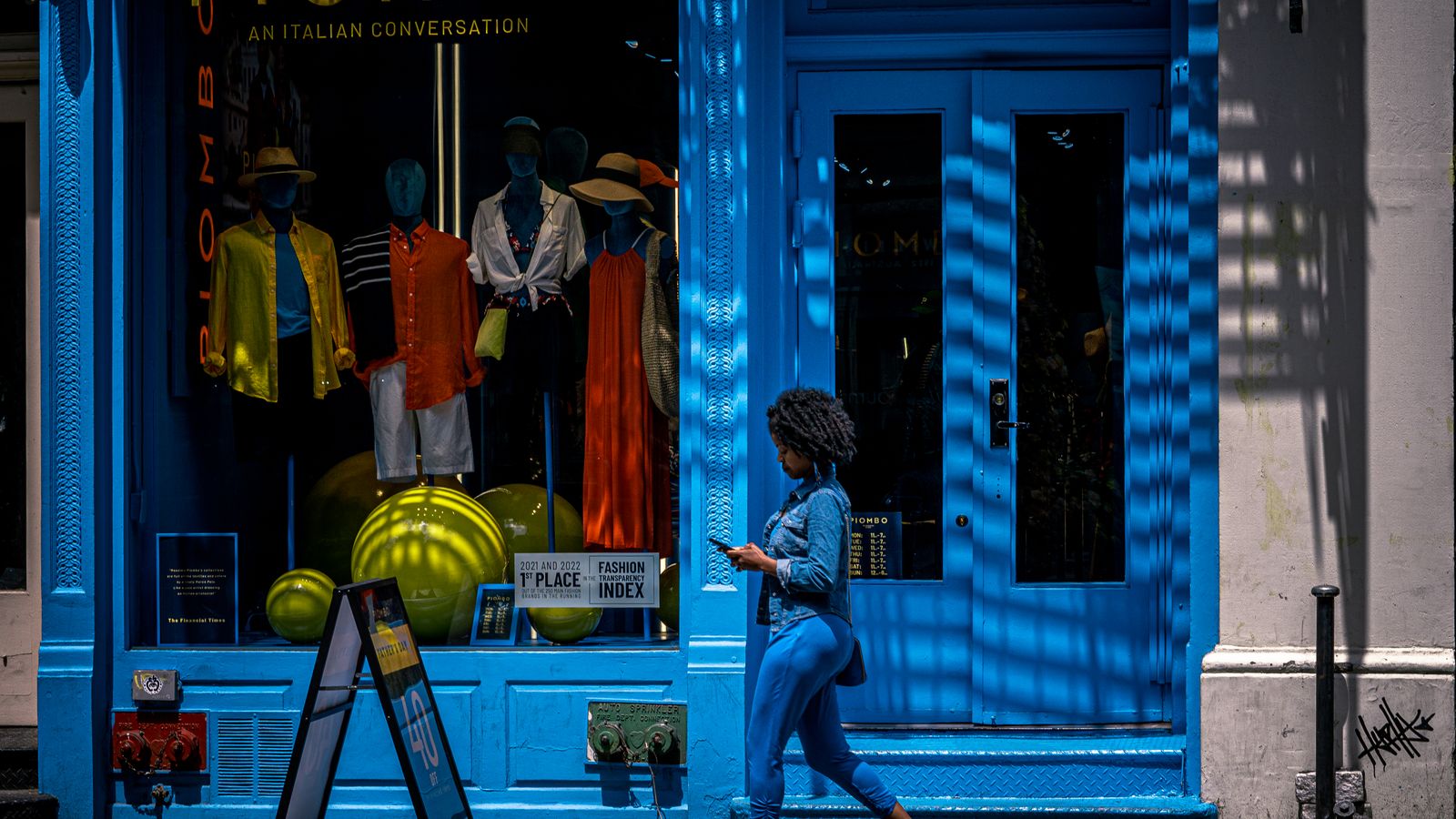
A woman with a smartphone passes a stylish clothing store in New York City.
The Competitive Landscape Shift
New York's licensed cannabis dispensary count topped 200 active storefronts in August 2026, intensifying pressure on unlicensed CBD and hemp retailers that dominated the market during the pre-legalization years. The Office of Cannabis Management issued 47 new Conditional Adult-Use Retail Dispensary licenses in July alone, concentrating new competition in New York City, Albany, and Rochester metro areas where CBD shops have operated since the 2018 Farm Bill federally legalized hemp.
Most CBD stores can't compete on THC products. They face a binary choice: apply for a retail license through OCM's equity or general application tracks, or carve defensible market share in the hemp and wellness segment.
The application path is costly. OCM's standard adult-use retail license requires a $5,000 non-refundable application fee, proof of capitalization, and compliance with local zoning. Processing times average nine months. For operators without equity qualifications or deep capital reserves, that's a non-starter.
Differentiation Through Product Specialization
Successful CBD retailers are narrowing focus to federally compliant hemp derivatives that licensed dispensaries largely ignore: CBG isolates, CBN sleep formulations, topical balms, and pet wellness lines. These categories carry higher margins than commodity CBD. They attract customers seeking targeted therapeutic outcomes rather than intoxication.
Several Rochester-area CBD shops interviewed by local press in early August reported 30-40% year-over-year revenue growth in CBN and CBG product lines, even as total store traffic declined 15-20%. The math works because average transaction values climbed from $35 to $58 as customers trade up to specialized cannabinoid blends.
Licensed dispensaries stock minimal hemp-derived inventory. New York's Cannabinoid Hemp regulations permit dispensaries to carry hemp products, but most prioritize high-margin THC flower, vapes, and edibles. That leaves a structural gap for CBD stores willing to become the hemp authority in their trade area.
Education as Competitive Moat
CBD retailers are investing in staff training and in-store education to position as trusted wellness advisors rather than transactional storefronts. The strategy mirrors what independent bookstores did against Amazon: sell expertise and curation, not commodities.
One Buffalo-based chain implemented mandatory 40-hour cannabinoid science training for all floor staff in June 2026, covering endocannabinoid system basics, terpene profiles, and drug interaction screening. Early customer retention data shows repeat purchase rates rose from 22% to 41% among customers who received personalized consultations versus walk-in purchases.
The customer walking into a CBD store in 2026 wants someone who can explain why CBG might help with inflammation when CBD didn't, or how to dose a pet tincture by weight. Licensed dispensaries are optimized for speed and compliance, not 20-minute consultations.
That expertise gap is real. OCM requires dispensary staff to complete a responsible vendor training course, but the curriculum focuses on ID verification, purchase limits, and packaging laws—not therapeutic guidance or product formulation.
Regulatory Arbitrage and Compliance Risk
New York's hemp regulations create a compliance minefield that separates serious operators from fly-by-night shops. The state's Cannabinoid Hemp program, finalized in October 2023, bans inhalable hemp products with total THC above 0.3% and restricts hemp-derived intoxicating cannabinoids like delta-8 and THCA to licensed adult-use retailers only.
Enforcement ramped up in 2026. The Department of Agriculture and Markets conducted 340 inspections of unlicensed hemp retailers in the first half of the year, issuing 89 cease-and-desist orders for illegal delta-8 sales and 34 product seizures for mislabeled THC content. Stores caught selling non-compliant products face civil penalties up to $10,000 per violation.
Clean operators see this as a competitive advantage. Strict compliance with New York's Cannabinoid Hemp rules and third-party lab testing for every SKU builds consumer trust and insulates against regulatory risk. It also raises the barrier to entry for new competitors unwilling to invest in proper testing and documentation.
Pricing Strategy and Margin Defense
CBD stores can't win on price against licensed dispensaries for overlapping product categories, but they can defend margins in the wellness and specialty segment. New York's adult-use cannabis carries a 13% retail excise tax plus local taxes that push effective rates to 16-18% in New York City. Hemp products under 0.3% THC are exempt from cannabis taxes, creating a 16-point price advantage on comparable CBD items.
That tax arbitrage matters for price-sensitive customers buying high-dose CBD tinctures or topicals. A 1,000mg CBD tincture retails for $45-$50 at a hemp shop versus $55-$65 at a dispensary after taxes. For customers seeking therapeutic CBD without intoxication, the hemp store is the rational choice.
Margin compression is inevitable on commodity products. The survival play? Shift mix toward differentiated SKUs where customer education and brand trust justify premium pricing.
What to Watch
The next 18 months will determine which CBD stores survive and which close. OCM projects 500 licensed dispensaries statewide by mid-2027, saturating urban markets and pushing into suburban corridors where CBD shops currently operate with minimal competition. Operators who haven't differentiated by Q1 2027 will face a brutal margin squeeze.
For full background on New York's cannabis rollout and regulatory framework, see the CannIntel topic hub on New York Cannabis Rollout. Two variables to track: OCM's enforcement pace against non-compliant hemp retailers, and whether the state tightens Cannabinoid Hemp rules to further restrict intoxicating hemp derivatives. Both will shape the competitive boundaries for the next wave of consolidation.
For complete background, history, and our ongoing coverage of this story:
Open the CannIntel topic hub →Frequently asked questions
Can New York CBD stores sell delta-8 or THCA products?
No. New York's Cannabinoid Hemp regulations restrict hemp-derived intoxicating cannabinoids like delta-8 THC and THCA to licensed adult-use dispensaries only. Unlicensed CBD stores caught selling these products face civil penalties up to $10,000 per violation and product seizures.
How many licensed cannabis dispensaries are operating in New York in 2026?
New York had over 200 active licensed adult-use dispensaries as of August 2026, with OCM issuing 47 new Conditional Adult-Use Retail Dispensary licenses in July alone. The state projects 500 licensed locations by mid-2027.
What tax advantage do hemp products have over cannabis in New York?
Hemp products with less than 0.3% THC are exempt from New York's 13% cannabis retail excise tax and local cannabis taxes. This creates a 16-18 percentage point price advantage on comparable CBD products versus taxed cannabis items sold at licensed dispensaries.
What cannabinoids are CBD stores focusing on to compete with dispensaries?
Successful CBD retailers are specializing in federally compliant hemp cannabinoids that dispensaries largely ignore, including CBG isolates, CBN sleep formulations, high-dose CBD topicals, and pet wellness products. These categories offer higher margins and attract customers seeking specific therapeutic outcomes.
How much does a New York adult-use cannabis retail license cost?
OCM's standard adult-use retail license requires a $5,000 non-refundable application fee, proof of capitalization, local zoning compliance, and processing times averaging nine months. Total startup costs including build-out and inventory typically exceed $500,000.
Sources
The cannabis newsletter you forward to your team.
Federal policy, market data, grower alerts, and the one story that matters today. Sent every weekday at 7am. Free.
No spam. Unsubscribe with one click. 21+ only.
Related from Business

Cannabis Retailers Shift From Risky Bet to Mainstay in Commercial Leasing
Landlords and brokers report surging demand for dispensary tenants as retail cannabis proves durable across market cycles.

Michigan Retailer Closes Five Dispensaries Citing New Tax Burden
A Michigan cannabis operator is shuttering five locations as the state's revised tax structure squeezes multi-location retailers.
Michigan Dispensary Chain Closes Five Stores, Blames 24% Tax Rate
An unnamed multi-location operator shuttered five Michigan cannabis retail locations this week, citing the state's combined 24% tax burden as the primary driver.
More from the newsroom

Maine Medical Cannabis Operator Sues Ellsworth Over License Denials
A multi-location operator filed suit challenging the city's refusal to approve additional dispensary licenses.
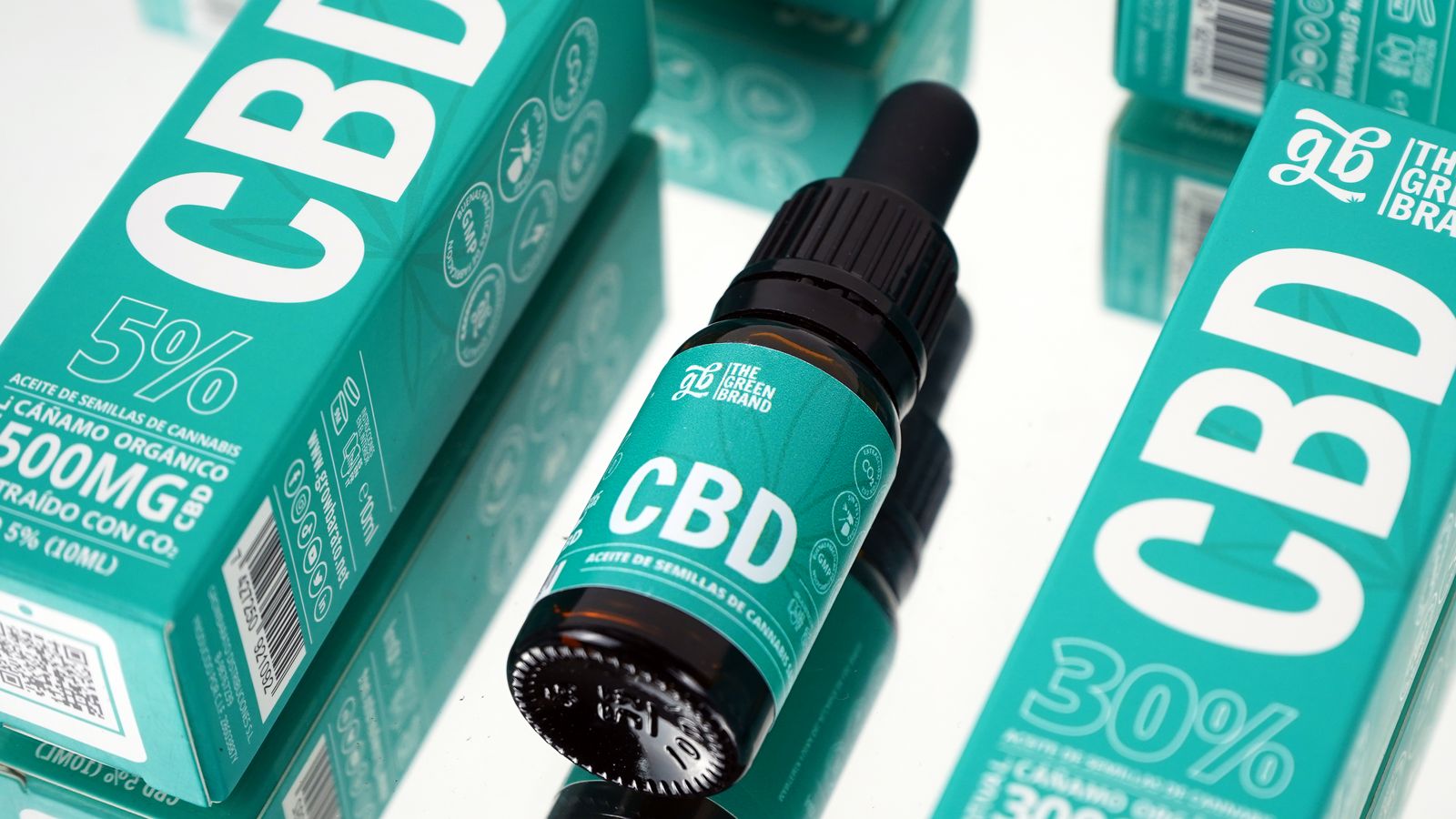
MMJ Challenges CMS Administrator Oz Over Hemp Cannabinoid Endorsement
Medical marijuana operator disputes federal 'no product' stance after CMS head endorses unvalidated hemp-derived cannabinoid line.
Federal Judge Denies Request to Block Texas Hemp Ban
A U.S. district court rejected industry arguments for a temporary restraining order, leaving the state's consumable hemp prohibition in effect.