DEA Opens Schedule III Portal for Medical Cannabis Registrants
State-licensed medical cannabis manufacturers, distributors and labs can now seek Controlled Substances Act registration through Form 225, but key details remain undocumented.
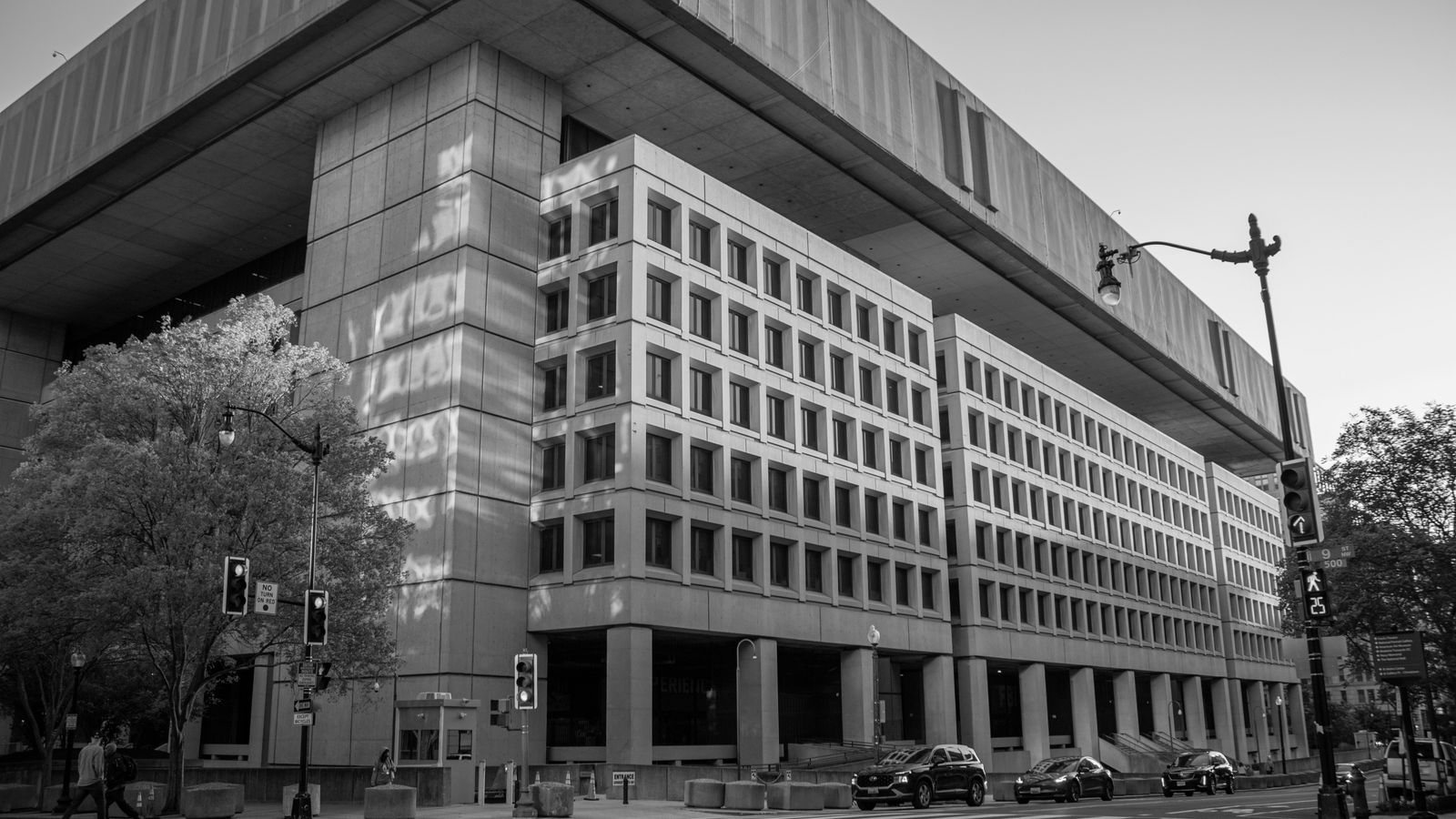
Black and white image of the FBI Headquarters in Washington, D.C. under a clear sky.
DEA opens a Form 225 pathway for medical cannabis registrants
The DEA opened a new portal on October 5, 2026, for state-licensed medical cannabis businesses to register under the Controlled Substances Act.
On Monday, the DEA opened a Schedule III registration portal, letting state-licensed medical cannabis manufacturers, distributors and labs apply for Controlled Substances Act registration through Form 225, according to Cannabis Business Times.[1]
That's the whole of the public record we can verify today. It matters anyway. Registration is the mechanism that turns a state license into a federal one.
Form 225 is the DEA application historically used by manufacturers, distributors, importers, exporters, researchers and analytical labs.[2] Its use here signals that the agency is folding cannabis licensees into its existing registrant categories rather than building a separate regime.
What the paper trail doesn't show yet
The initial report leaves fees, deadlines, eligibility screening and enforcement posture unaddressed.
CannIntel hadn't reviewed the portal's instructions or any Federal Register notice tied to the launch at publication. The signal describes the process in a single sentence. Several questions go unanswered:
- What application fee applies, and is it the standard registrant fee?
- Is there a deadline for existing operators to register?
- How will the DEA verify state-license standing?
- Do dispensaries and retail pharmacies fall under a different form?
- Does a pending application give any interim protection?
Until the DEA answers those in writing, treat any claim about timelines as unverified. Not yet.
Why registration is the compliance hinge
Under 21 U.S.C. § 822, anyone who manufactures or distributes a controlled substance must hold a DEA registration.
A Schedule III designation doesn't by itself make a cannabis business compliant. Registration does, and with it come federal recordkeeping and security duties that state seed-to-sale systems weren't built to satisfy.
There's one operator-friendly wrinkle. The aggregate production quotas under 21 U.S.C. § 826 apply to Schedule I and II substances, not Schedule III, so registered manufacturers shouldn't face a federal cap on output. That's a structural difference from the Schedule II path some operators feared.
Then there's tax. Section 280E of the tax code denies deductions to businesses trafficking in Schedule I or II substances. Moving to Schedule III is the reason MSOs have lobbied for this change for years, and the portal is the first operational step they can actually act on. Whether a given taxpayer's relief depends on registration status is a question for tax counsel, not a press summary.
What operators should do this week
Licensees should assemble state-license documentation and facility records now, before the DEA's full instructions are in hand.
- Confirm your category. A manufacturer, distributor or testing lab fits Form 225 as described. A retail dispensary may not.
- Pull state-license records. Whether your regulator is California's DCC, Ohio's Division of Cannabis Control or another agency, the DEA will likely want proof of good standing.
- Audit security and inventory controls. Compare existing tracking against federal recordkeeping duties.
- Hire regulatory counsel before filing. A registration application is a federal representation, and errors carry federal exposure.
Don't file blind.
The gap between state medical programs and federal drug law
Registration under the Controlled Substances Act doesn't resolve the separate FDA approval question or adult-use treatment.
The portal, as described, covers medical cannabis businesses. The signal doesn't say how multistate operators that run combined medical and adult-use supply chains should handle the split. Many do, and a shared extraction lab or distribution license doesn't separate neatly.
Schedule III status also doesn't override the Federal Food, Drug, and Cosmetic Act. A product that is lawful under a state medical program isn't automatically an FDA-approved drug, and those two regimes will collide at the labeling and claims stage. That's a hard problem the DEA's form can't solve by itself.
This portal is a start, and a thin one. A registration form with no published eligibility rules is an invitation to guesswork, and the industry has had enough of that. For full background on how we got here, see the CannIntel topic hub on DEA cannabis rescheduling.
Watch next for the DEA's written portal instructions and any Federal Register notice setting fees and deadlines. Until those appear, the first registrants are effectively writing the precedent.
For complete background, history, and our ongoing coverage of this story:
Open the CannIntel topic hub →Sources
The cannabis newsletter you forward to your team.
Federal policy, market data, grower alerts, and the one story that matters today. Sent every weekday at 7am. Free.
No spam. Unsubscribe with one click. 21+ only.
Related from Laws
NJCRC Suspends Magic Garden Botanicals Cultivation License
New Jersey's cannabis regulator suspended a cultivator's license at a special meeting. The grounds, duration and conditions are not yet in the public record we reviewed.

New York weighs disciplinary action against Claverack dispensary
The Daily Gazette reported Monday that state regulators are considering discipline for a Columbia County dispensary. The violations, penalty and licensee are not yet public.

Federal hemp rewrite sets different fates for delta-8 and CBD
The hemp redefinition taking effect Nov. 12, 2026 excludes lab-converted cannabinoids like delta-8 THC while capping total THC in CBD products at 0.4 mg per container.
More from the newsroom

Curaleaf Raises Aurora Cannabis Offer 25% to US$5 a Share
Curaleaf increased total implied consideration for Aurora to US$5 per share, an 86% premium to Aurora's unaffected price, sharpening a cross-border takeover contest.
MSO Money in Trump PACs May Fund Anti-Cannabis Senate Bid
MJBizDaily reports that millions in cannabis-company donations to Trump-aligned PACs may help bankroll a Senate candidate hostile to the industry.

MJBizDaily Reports MSO Trump Donors Now Back Anti-Cannabis Politician
A MJBizDaily report says multistate operators that gave millions to Donald Trump are also supporting an anti-cannabis politician, raising a return-on-spending question for the industry.