MSO Money in Trump PACs May Fund Anti-Cannabis Senate Bid
MJBizDaily reports that millions in cannabis-company donations to Trump-aligned PACs may help bankroll a Senate candidate hostile to the industry.
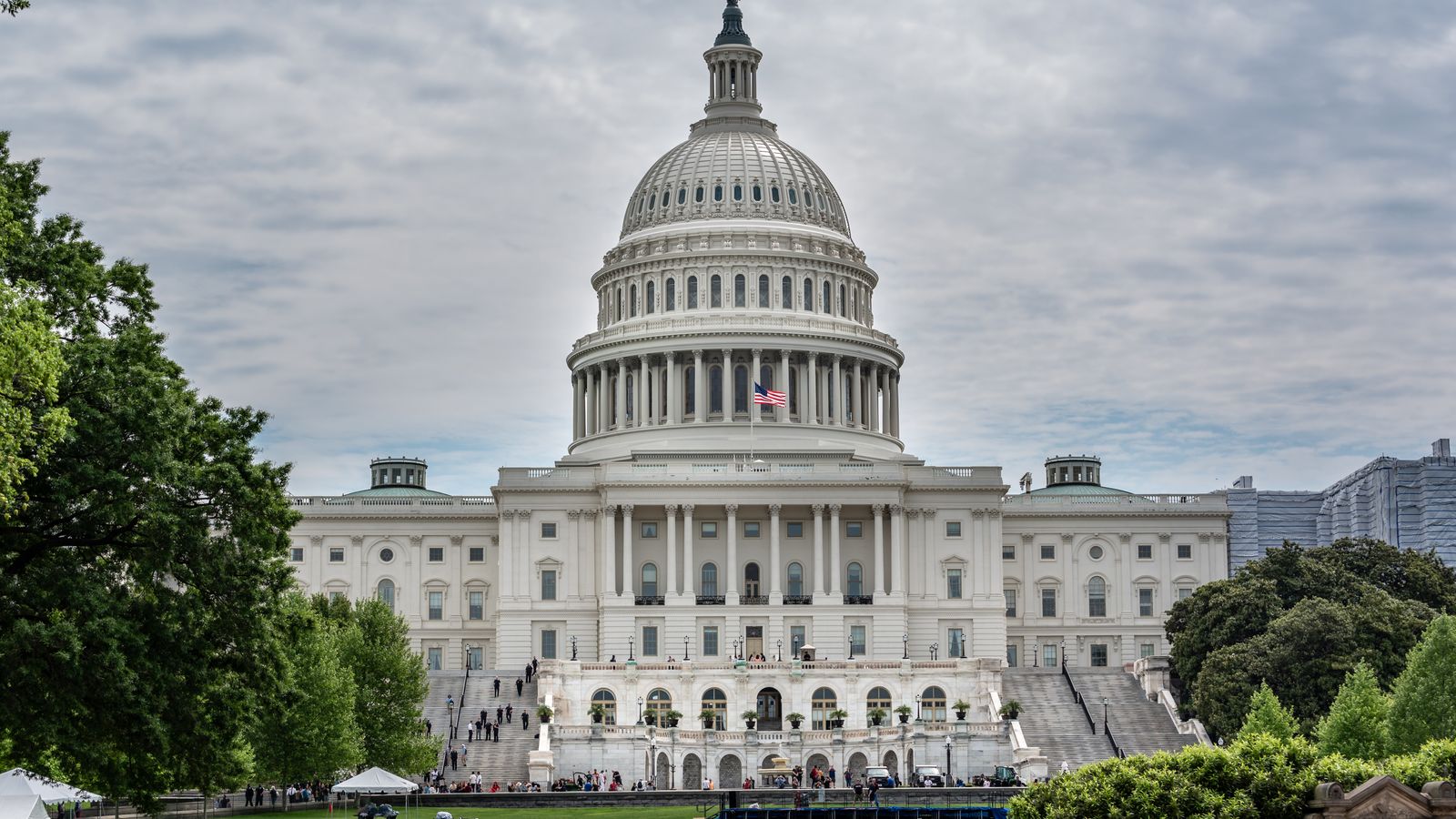
Striking view of the US Capitol sitting majestically in Washington, DC, under a cloudy sky.
The report: industry money, a hostile candidate
MJBizDaily reported on Oct. 5, 2026 that cannabis companies have donated millions to President Donald Trump's PACs, and those committees appear poised to spend some of it on a staunchly anti-cannabis Senate candidate.
That's the core of it. The signal we're working from is the MJBizDaily summary, and it doesn't break out which MSOs gave, how much each contributed, or how the candidate's race is structured. We're not going to guess at any of that. Pull the full MJBizDaily report for the donor-by-donor detail.
The word doing the work is "appear." Spending hasn't been fully documented, and PAC money is rarely traceable dollar for dollar from a given donor to a given race.
Why an MSO writes the check anyway
Operators that give to a president's committees are buying proximity to the executive branch, not endorsing every downstream expenditure.
The logic isn't mysterious. Multistate operators carry the heaviest federal tax burden in the sector, because Section 280E of the Internal Revenue Code bars businesses that traffic in Schedule I or II substances from deducting ordinary expenses. Relief depends on decisions made in the White House, the DEA and the Justice Department. If you run a balance sheet strained by 280E, you want a seat at that table.
In Spanish, the word is cabildeo: lobbying, but with the connotation of working the corridors rather than the floor. Giving to a PAC is cabildeo at its most transactional. It buys a phone call, not a vote.
Still, the math is hard to argue with. A donor can win executive-branch goodwill and lose Senate votes in the same fiscal quarter.
The fungibility problem
Once contributions land in a PAC, donors generally have limited say over which candidates ultimately benefit.
That's the structural trap here. A company may give to a committee because it expects friendly executive action on rescheduling or banking access, then discover the committee is spending to elect a senator who would vote against SAFE Banking-style legislation or any broader reform. Money is fungible. Intent isn't.
Operators face a real reputational question, too. Patients, employees and the independent license holders who compete with MSOs in states like California and Ohio can read this as the largest companies funding opponents of the plant they sell. Whether that stings depends on how much of the donor list becomes public and how the candidate's race develops.
For investors, the issue is governance. Shareholders in publicly traded MSOs may ask how political spending is vetted, who signs off, and whether any policy ties contributions to a candidate's stated position on cannabis. Those are fair questions. Few companies in the sector have published clear answers.
What it means beyond U.S. borders
A hostile Senate seat matters well outside the U.S. market, because federal law still governs whether Latin American cannabis can ever legally enter it.
I cover Colombia and Brazil, where producers have built licensed export operations in the hope that U.S. federal reform eventually opens an import channel. Under current federal law, cannabis imports aren't a lane for ordinary commercial flower or extract. Changing that would take Congress, not just an agency memo.
Colombian cultivators speak of cosecha and exportación as if the U.S. door is a matter of when. A single committed opponent in the Senate is a reminder it's a matter of who votes. Brazilian operators, working under ANVISA's medical framework, are watching the same variable from a different angle.
For full background on this story, see the CannIntel topic hub on MSO political donations in 2026.
The next signal to watch: Federal Election Commission filings that show exactly where the PAC money goes, and whether any MSO changes its giving after the MJBizDaily report. Those disclosures will say more than any press statement.
Frequently asked questions
What did MJBizDaily report about MSOs and a Senate candidate?
MJBizDaily reported on Oct. 5, 2026 that cannabis companies have donated millions to President Donald Trump's political action committees, which appear poised to spend at least some of that money on a staunchly anti-cannabis Senate candidate.
Why would cannabis operators donate to politicians who oppose legalization?
Large operators often seek access to the executive branch, which influences rescheduling, enforcement and tax treatment. Section 280E denies them ordinary business deductions, so federal policy changes carry large financial stakes. Donations buy proximity, not guaranteed votes.
Can donors control how a PAC spends their money?
Generally, donors have limited control once money is in a PAC. The committee decides how to spend its funds within campaign finance law. That is why MJBizDaily's wording says the PACs appear poised to spend, rather than describing completed spending.
How does this affect Latin American cannabis exporters?
Producers in Colombia and Brazil are betting on eventual U.S. market access. Federal law, set by Congress and enforced by agencies like the DEA, controls that door. A Senate hostile to cannabis would make reform harder.
Sources
The cannabis newsletter you forward to your team.
Federal policy, market data, grower alerts, and the one story that matters today. Sent every weekday at 7am. Free.
No spam. Unsubscribe with one click. 21+ only.
Related from Business

Curaleaf Raises Aurora Cannabis Offer 25% to US$5 a Share
Curaleaf increased total implied consideration for Aurora to US$5 per share, an 86% premium to Aurora's unaffected price, sharpening a cross-border takeover contest.

MJBizDaily Reports MSO Trump Donors Now Back Anti-Cannabis Politician
A MJBizDaily report says multistate operators that gave millions to Donald Trump are also supporting an anti-cannabis politician, raising a return-on-spending question for the industry.

State orders Trulieve to fix wastewater runoff, report says
The Tallahassee Democrat reported a state order on Trulieve's wastewater runoff, but the agency, site and penalty remain unconfirmed, so investors should watch the next SEC filing.
More from the newsroom
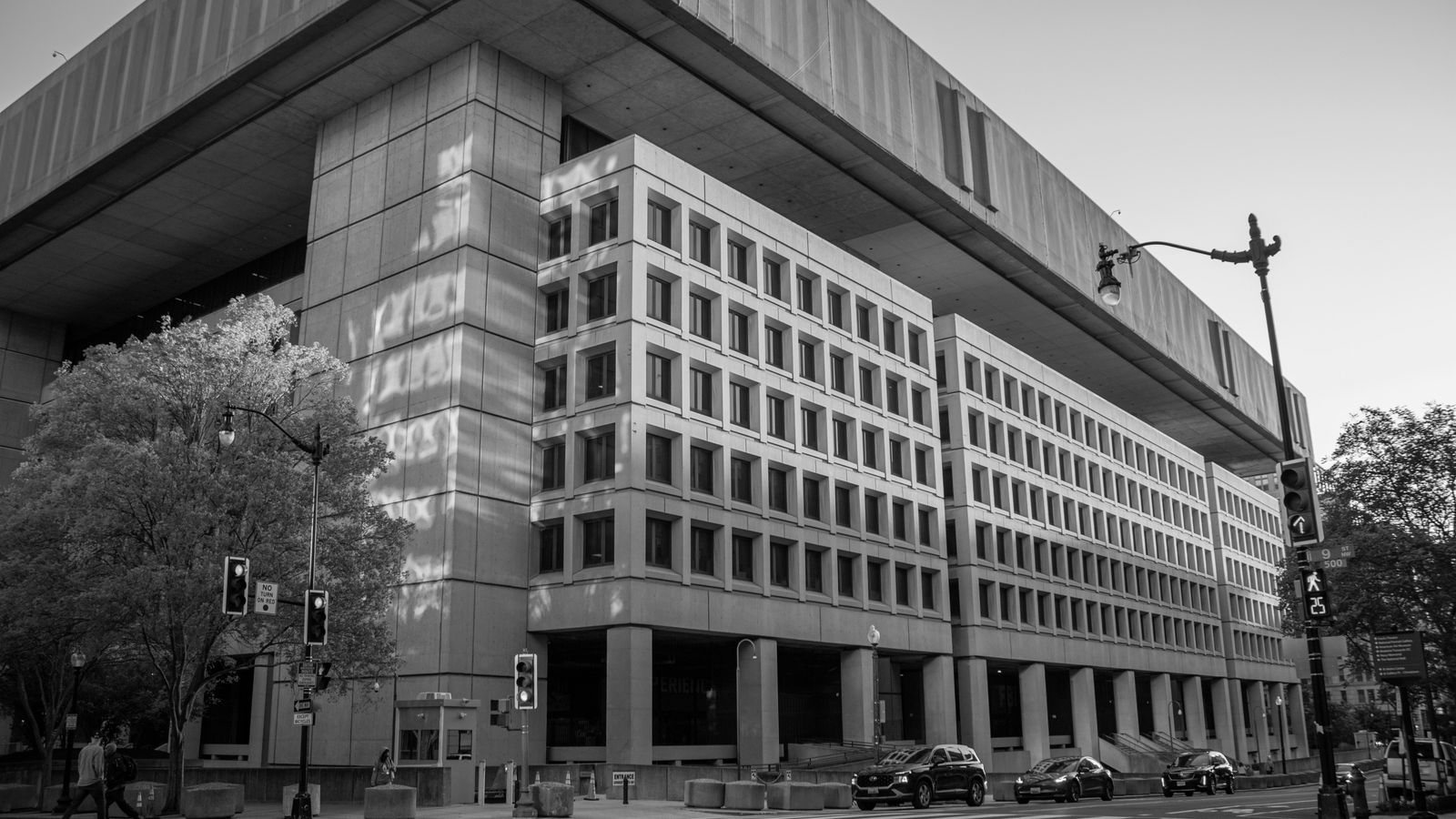
DEA Opens Schedule III Portal for Medical Cannabis Registrants
State-licensed medical cannabis manufacturers, distributors and labs can now seek Controlled Substances Act registration through Form 225, but key details remain undocumented.
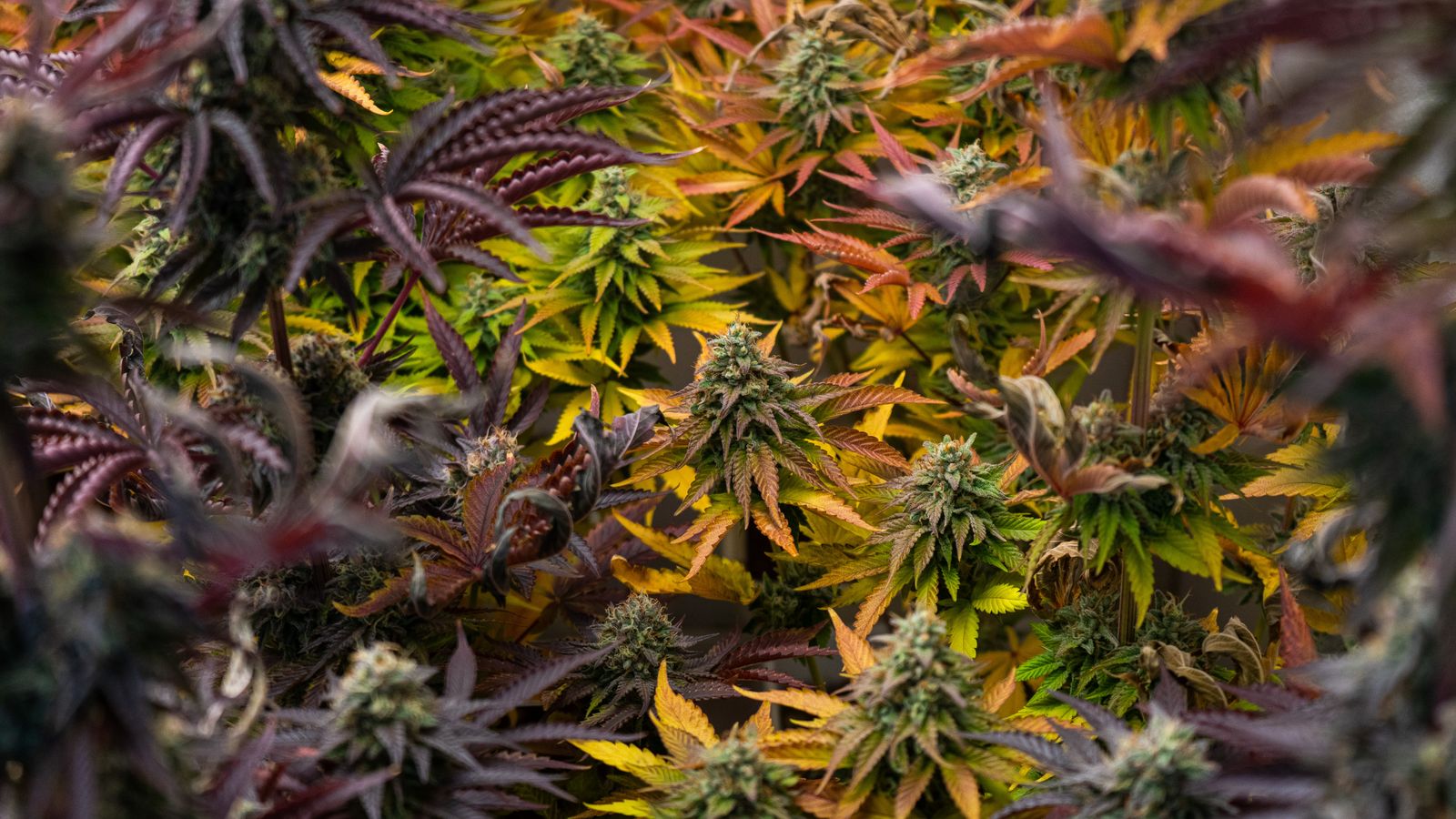
NJCRC Suspends Magic Garden Botanicals Cultivation License
New Jersey's cannabis regulator suspended a cultivator's license at a special meeting. The grounds, duration and conditions are not yet in the public record we reviewed.

New York weighs disciplinary action against Claverack dispensary
The Daily Gazette reported Monday that state regulators are considering discipline for a Columbia County dispensary. The violations, penalty and licensee are not yet public.