MJBizDaily Reports MSO Trump Donors Now Back Anti-Cannabis Politician
A MJBizDaily report says multistate operators that gave millions to Donald Trump are also supporting an anti-cannabis politician, raising a return-on-spending question for the industry.

Historic view of the United States Capitol under a blue sky, showcasing iconic architecture.
What MJBizDaily reported, and what we couldn't confirm
MJBizDaily reported on Oct. 5, 2026 that MSO money given to Donald Trump is also supporting a politician hostile to cannabis.
The headline is blunt. Marijuana MSOs gave millions to Trump, and that giving is "supporting an anti-cannabis politician." The story ran in MJBizDaily's politics and lobbying coverage.
CannIntel saw only the headline and summary line. Neither names the politician or the companies, and neither gives a dollar total beyond "millions." We won't guess.
Check every name and figure against MJBizDaily's full report before you cite any of it.
How MSO money usually reaches a candidate
Federal law bars corporations from giving directly to candidates, so MSO political money typically moves through intermediaries.
The common rails are super PACs, party committees, inaugural committees, trade-group PACs and executives' personal checks. Each one leaves a different paper trail. An executive's check appears under the individual's name and employer, while a super PAC contribution appears on the PAC's own periodic reports.
That matters because a donor can lose control of the destination after the first hop. A dollar given to a committee aligned with one candidate can be spent supporting someone else entirely. It's a plausible mechanism for a story like this one, though the signal doesn't confirm which channel applies.
Why operators should care about the return on this spending
MSOs justify political giving as a hedge on 280E and rescheduling, so spending that cuts the other way hits the core business case.
Section 280E of the tax code bars deductions for businesses trafficking in Schedule I or II substances, so cannabis operators pay federal tax on gross profit, and moving marijuana to Schedule III through the DEA would generally end that exposure.
Banking access follows the same logic. Many operators still run on cash-heavy payment rails, specialty processors and bank accounts that can close without notice. Federal banking reform would change that cost structure.
Giving money in Washington is supposed to protect those outcomes. Funding someone who opposes them is hard to defend to a shareholder or a lender. That's the opinion-flavored read. The full report may add facts that complicate it.
How to audit the money yourself
Federal disclosure data is public and free, so operators, investors and reporters can trace this kind of giving without a paid vendor.
The FEC's database lets you search by contributor name, employer or committee, and export results to CSV. Individual contributions above $200 in a cycle must be itemized. State campaign finance portals fill in the rest, though their search quality varies widely.
A basic audit takes three passes:
- Search executives and parent companies by name and employer field.
- Pull each recipient committee's filings to see where its money went next.
- Cross-check against state-level disclosures for local races.
For full background on this story, see the CannIntel topic hub on MSO political spending and lobbying. It tracks how multistate operators have deployed political money across federal and state races.
Employer-field matching is imperfect. Executives list different company names, and subsidiaries muddy the totals. Treat any headline dollar figure as a floor until someone reconciles the filings.
What to watch next
Upcoming federal pre-election filings will show whether the MJBizDaily story widens or narrows.
Committees file pre-election reports ahead of the Nov. 3 general election. Those filings can show whether new cannabis-linked money is flowing to the politician in question or to committees backing that person. Companies named in the report may also answer publicly, and any response would add facts the headline lacks.
There's a second test, and it's less visible. Watch whether MSO trade groups and individual operators adjust their giving between now and the next cycle. Operators that can't explain the spending to their own investors will feel the pressure first.
The next signal: the pre-election disclosures and any company statements responding to MJBizDaily's report.
Frequently asked questions
What did MJBizDaily report about MSO political donations?
MJBizDaily reported on Oct. 5, 2026 that marijuana MSOs gave millions of dollars to Donald Trump and that the giving is supporting an anti-cannabis politician. CannIntel's signal contained only the headline, so names and totals should be confirmed in MJBizDaily's full story.
Sources
The cannabis newsletter you forward to your team.
Federal policy, market data, grower alerts, and the one story that matters today. Sent every weekday at 7am. Free.
No spam. Unsubscribe with one click. 21+ only.
Related from Business

Curaleaf Raises Aurora Cannabis Offer 25% to US$5 a Share
Curaleaf increased total implied consideration for Aurora to US$5 per share, an 86% premium to Aurora's unaffected price, sharpening a cross-border takeover contest.
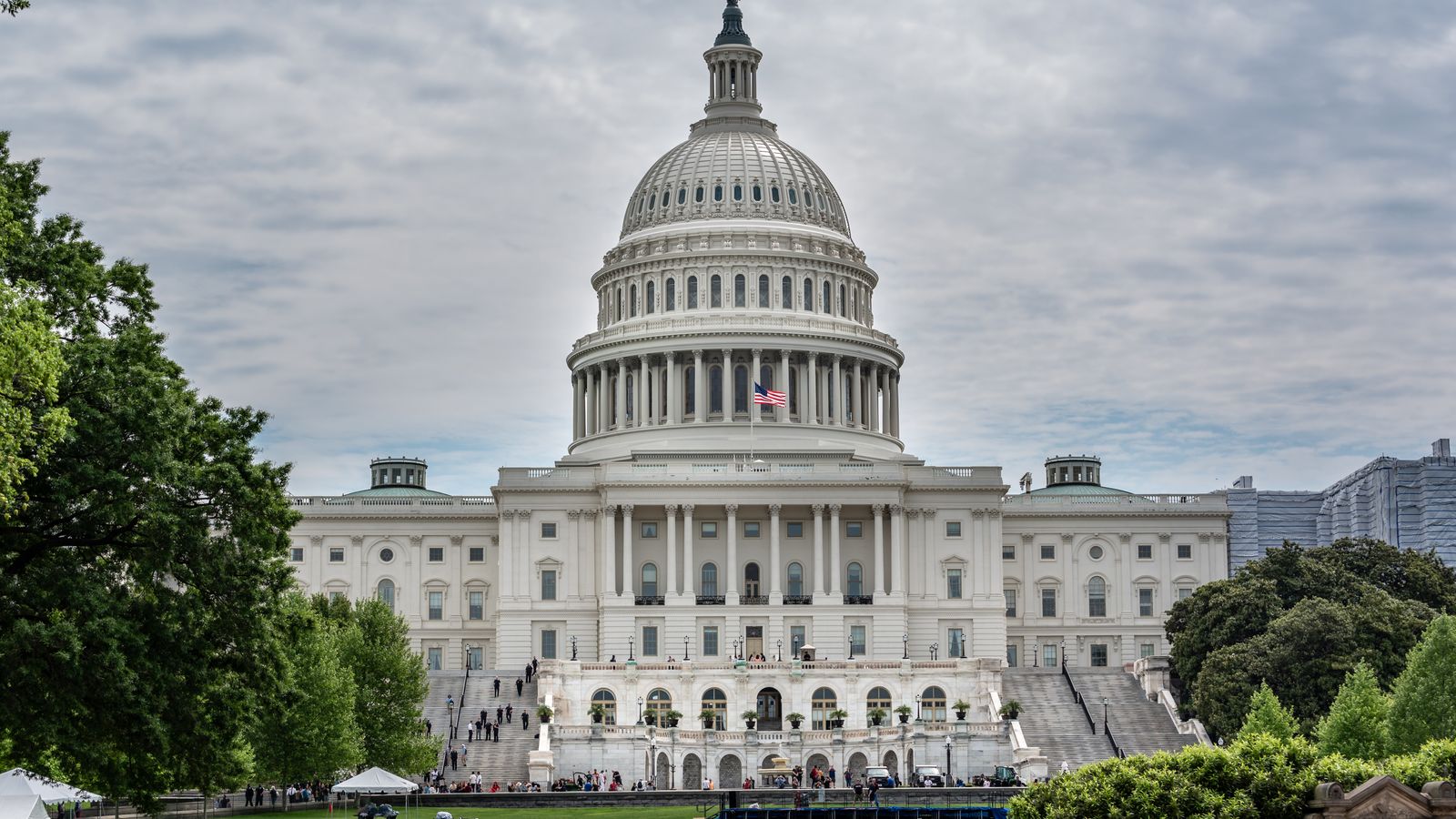
MSO Money in Trump PACs May Fund Anti-Cannabis Senate Bid
MJBizDaily reports that millions in cannabis-company donations to Trump-aligned PACs may help bankroll a Senate candidate hostile to the industry.

State orders Trulieve to fix wastewater runoff, report says
The Tallahassee Democrat reported a state order on Trulieve's wastewater runoff, but the agency, site and penalty remain unconfirmed, so investors should watch the next SEC filing.
More from the newsroom
DEA Opens Schedule III Portal for Medical Cannabis Registrants
State-licensed medical cannabis manufacturers, distributors and labs can now seek Controlled Substances Act registration through Form 225, but key details remain undocumented.
NJCRC Suspends Magic Garden Botanicals Cultivation License
New Jersey's cannabis regulator suspended a cultivator's license at a special meeting. The grounds, duration and conditions are not yet in the public record we reviewed.

New York weighs disciplinary action against Claverack dispensary
The Daily Gazette reported Monday that state regulators are considering discipline for a Columbia County dispensary. The violations, penalty and licensee are not yet public.