DEA Adjusts 2026 Production Quotas for Cannabis, Psychedelics
The agency revised 2026 quotas for Schedule I cannabis-related and psychedelic substances while signaling a separate review of medical marijuana levels, per Marijuana Moment's reporting.

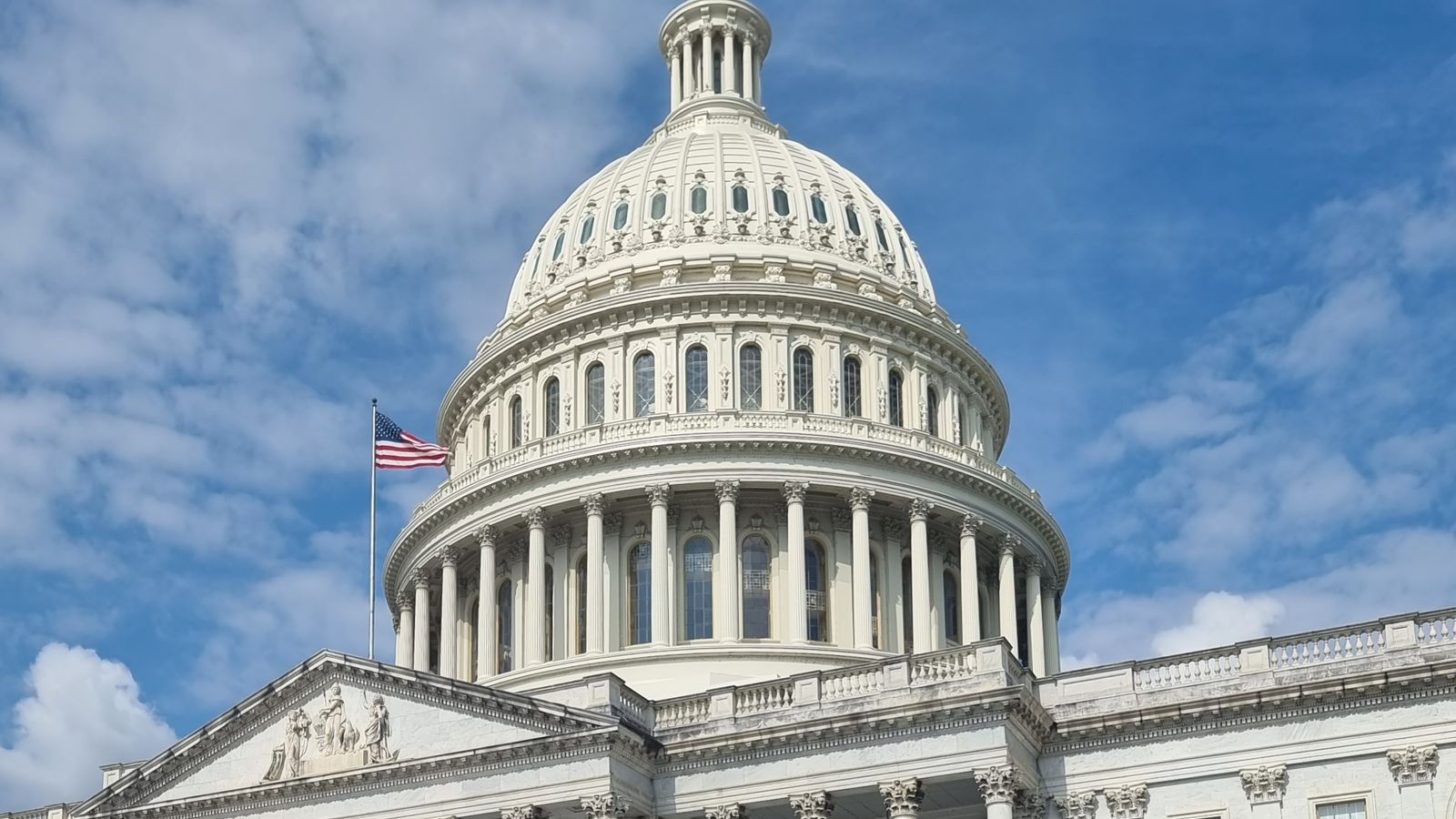
US Department of Agriculture building with Washington Monument behind, blue sky with clouds.
The DEA revised its 2026 quotas and flagged a medical marijuana review
The DEA changed 2026 production quotas for cannabis-related and psychedelic drugs and said it is reviewing medical marijuana levels, according to Marijuana Moment.
The adjustment covers Schedule I substances the agency regulates under the Controlled Substances Act. Marijuana Moment's report is the only account in the signal data, and CannIntel hasn't independently reviewed the tables in the underlying Federal Register notice. That's the document to pull.
That matters. Quota notices bury their real news in per-substance gram figures, and headlines routinely flatten them.
Why an aggregate production quota is the real chokepoint
The aggregate production quota (APQ) caps how much of a Schedule I substance can be manufactured in a given year, so it sets the ceiling for every federally sanctioned researcher.
Under 21 U.S.C. 826, the DEA must set quotas for Schedule I and II substances each year, and manufacturers can't legally exceed them. For marijuana, that has meant a thin, tightly controlled supply for federally registered research.
For background on how the process works, see the CannIntel topic hub on DEA aggregate production quotas.
What the psychedelic adjustments signal
Including psychedelics in the same notice shows how much of the federal research pipeline now runs through one quota mechanism.
Compounds such as psilocybin and LSD sit in Schedule I alongside marijuana. Researchers and sponsors running clinical programs depend on DEA-authorized supply, so a quota change on any of them can speed up or stall a trial.
Which substances moved, and in which direction, is the detail operators and sponsors need from the notice itself. The signal doesn't supply those figures. We won't guess at them.
The medical marijuana review is the thread to pull
The DEA's stated review of medical marijuana levels is the most consequential line in the report, because it ties production math to the unresolved rescheduling fight.
Marijuana remains in Schedule I as of this reporting, and the signal data doesn't indicate a rescheduling outcome. A quota review doesn't equal a policy shift. It does show the agency is examining how much marijuana the federal system should be built to supply.
Quota decisions and scheduling decisions run on separate legal tracks. Treating one as a proxy for the other is a mistake.
What operators and researchers should do with this
The practical read is narrow: this is a research-supply story, not a retail-market story.
State-licensed operators in California, Colorado, Michigan and elsewhere don't draw on DEA quotas, since their product comes from state-regulated cultivation. The notice matters to federally registered manufacturers, university labs, and companies pursuing FDA-path cannabinoid or psychedelic programs.
Investors should be skeptical of any attempt to read the notice as a signal for state markets. It isn't one.
The documents that will settle the open questions
Three records will show what the DEA actually did: the Federal Register quota notice, any comment-period filings, and the agency's final medical marijuana determination.
The notice will carry the per-substance gram tables, while comment filings will show who contested the numbers and why. If the medical marijuana review produces a formal proposal, it will have its own paper trail.
Until those surface, the Marijuana Moment report is a pointer, not a ruling. Watch the agency's follow-through on the medical marijuana review next.
Sources
The cannabis newsletter you forward to your team.
Federal policy, market data, grower alerts, and the one story that matters today. Sent every weekday at 7am. Free.
No spam. Unsubscribe with one click. 21+ only.
Related from Laws

Sixth Circuit ruling puts cannabis supply contracts at risk, Reuters commentary says
A Reuters commentary says a Sixth Circuit decision could leave cannabis supply agreements unenforceable in federal court, raising counterparty risk for operators, lenders and suppliers.

DEA Adjusts 2026 Cannabis, Psychedelic Production Quotas, Previews Marijuana Limits
A Federal Register filing revises 2026 manufacturing quotas for certain cannabis-related and psychedelic compounds and flags new medical marijuana production limits tied to rescheduling.

Yahoo Finance Floats Federal Legalization Date; Operators Should Plan Past It
A Yahoo Finance prediction piece puts a timeline on federal legalization, but the real operator question is what sequence of events would have to happen first.
More from the newsroom

Canadian Cannabis Farm Receipts Hit $1.4B in First Half of 2026
StratCann reports Canadian cannabis farm cash receipts reached $1.4 billion in H1 2026, a scale marker for the export-capable licensed producers eyeing foreign demand.

Reno Cannabis Cultivation Facility Lays Off Workers, Staff Told 'It Is What It Is'
A Reno-area cultivation operation cut employees this week, according to This Is Reno, adding to Nevada's string of cannabis job losses.
Forecast Puts Federal Marijuana Legalization at 2031, Tied to 2028 Vote
A Pluang-reported projection links nationwide legalization to a Democratic 2028 win, shifting attention from rescheduling to the legislative calendar.