Forecast Puts Federal Marijuana Legalization at 2031, Tied to 2028 Vote
A Pluang-reported projection links nationwide legalization to a Democratic 2028 win, shifting attention from rescheduling to the legislative calendar.
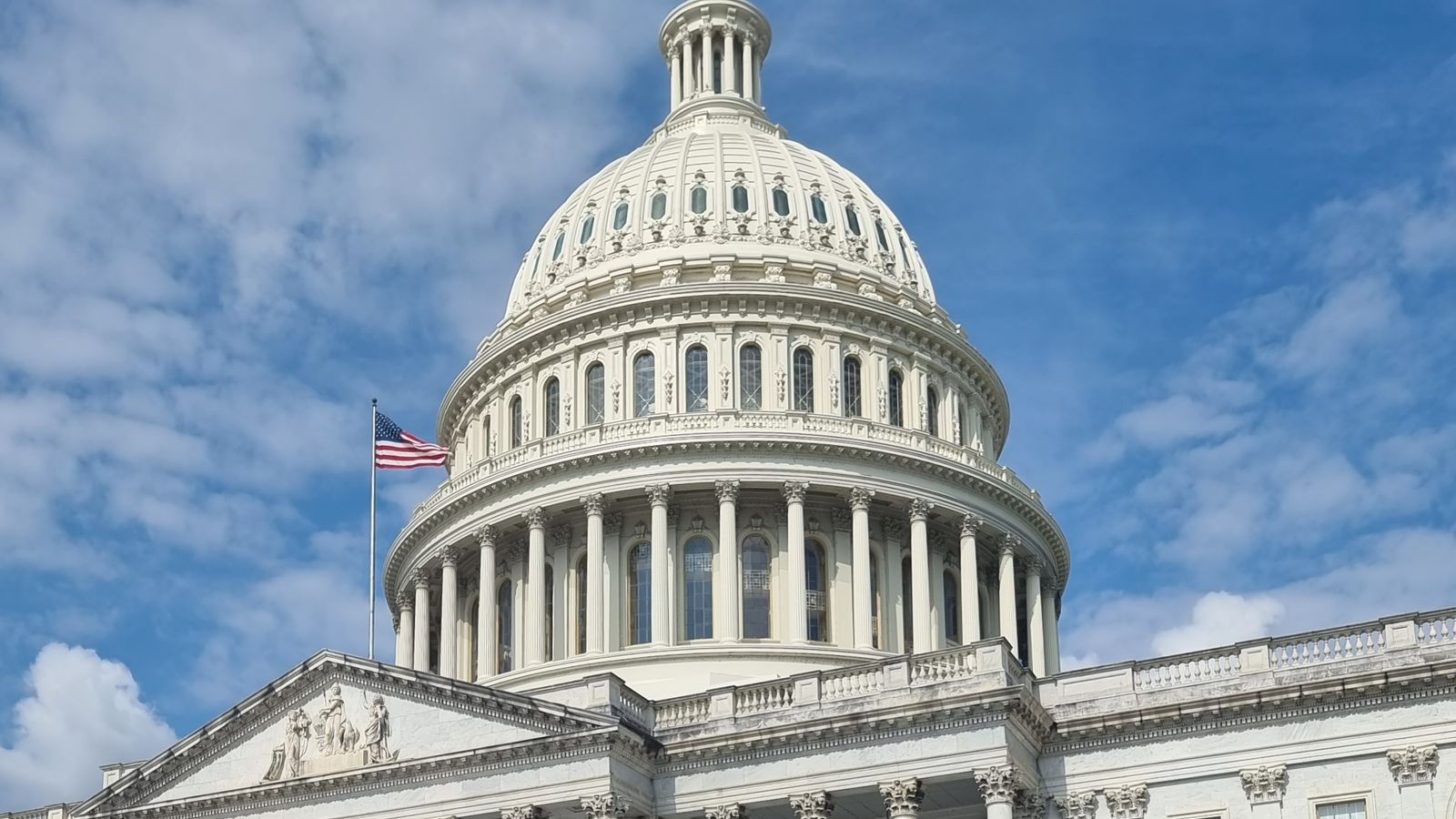
A striking view of the US Capitol dome with flag and blue sky in Washington, DC.
The forecast ties legalization to the 2028 presidential result
The projection, reported by Pluang on Nov. 24, 2026, puts federal legalization at 2031 at the earliest and makes a Democratic win in 2028 the precondition.
The headline claim is narrow. Legalization could happen by 2031, and the 2028 election is the driver. What CannIntel has in hand is a headline and a publisher tag, not the underlying model, so the methodology, probability weights and named forecasters behind the date aren't confirmed here. CannIntel has not independently verified the projection.
That limits what can be said about confidence. It doesn't limit what can be said about structure. The timeline works backward from a calendar every Washington operator already knows.
Why 2031 works as a calendar, whatever the odds
A 2031 date implies a three-year runway after the 2028 vote, which is roughly how long major federal drug-policy changes take to move from a new administration's agenda to enacted law.
The sequence a 2031 outcome would require is plain:
- A Democratic candidate wins the presidency in November 2028.
- The new administration takes office in January 2029 and sets cannabis priorities.
- Congress takes up a bill, or the executive branch acts through scheduling authority.
- Implementation and regulatory follow-through land by 2031.
Each step carries its own veto points. The forecast squeezes all four into one headline.
Congress remains the hard part
Descheduling through legislation needs 60 Senate votes to clear a filibuster, and a presidential win alone doesn't supply them.
Past federal cannabis bills have drawn bipartisan sponsorship, including the SAFER Banking Act and the STATES Act lineage, yet none of the broad legalization or descheduling bills has passed both chambers. Public opinion hasn't been the problem. Committee referral, markup and floor time have stalled these bills again and again.
The forecast's dependence on 2028 suggests the underlying thesis is that party control of the White House shapes the agenda. Control of the Senate matters at least as much, along with the committees of jurisdiction, including Judiciary and Finance. The headline doesn't say how any of that was weighted.
The executive route offers a faster but narrower path
The DEA and the Department of Justice can move marijuana between schedules under the Controlled Substances Act without a floor vote, but rescheduling is not legalization.
Moving marijuana to Schedule III would remove the 280E tax penalty for plant-touching operators. It wouldn't create a federal licensing regime, legalize interstate commerce or end criminal exposure for unlicensed activity. Full legalization means writing a regulatory framework, and that's a legislative job.
That gap is why a 2031 legalization date and a nearer-term rescheduling outcome can both be true at once. Operators shouldn't treat them as the same event.
A Democratic White House can shift the odds on scheduling quickly, but the forecast's 2031 date effectively concedes that full legalization still has to run through a divided legislative process.
What a 2031 horizon means for operators and investors
A multi-year timeline strengthens the case for balance-sheet discipline over bets on near-term federal relief.
For MSOs, the practical read is straightforward:
- 280E exposure likely persists through the 2028 election cycle unless rescheduling moves first.
- Banking access stays constrained without SAFER-style legislation, regardless of the 2031 headline.
- Debt maturities falling between now and 2029 can't be planned around a federal change that may not come until the following term.
- Interstate commerce remains a post-legalization story, with licensing and state-by-state compacts as open questions.
Forecasts like this one tend to move equities more than fundamentals. The money is in the planning assumption, not the headline.
States keep moving while Washington waits
State-level programs in California, Ohio and elsewhere will keep setting the operating rules for years, whatever the federal timeline.
The federal story and the state story run on separate clocks. California's Department of Cannabis Control and Ohio's Division of Cannabis Control regulate day-to-day compliance, taxation and licensing. Those rules will govern most operators long before any federal framework exists, and a federal bill would still have to decide how much of that state architecture to preserve.
For the full background on how the federal pieces fit together, see the CannIntel topic hub on federal marijuana legalization.
What the forecast doesn't establish
The report as surfaced doesn't name its source model, the probability attached to a 2031 outcome, or the assumptions about Senate control.
That matters for how readers weigh it. A single-date forecast with a single political trigger is a scenario, not a schedule. Prediction-market style projections have a mixed record on cannabis policy timing. Rescheduling has already shown how slowly federal process can run even when an administration supports the change.
CannIntel will update this story if the underlying analysis or its authors become available. Until then, treat 2031 as a marker for a Democratic-win scenario, not a commitment.
For complete background, history, and our ongoing coverage of this story:
Open the CannIntel topic hub →Sources
The cannabis newsletter you forward to your team.
Federal policy, market data, grower alerts, and the one story that matters today. Sent every weekday at 7am. Free.
No spam. Unsubscribe with one click. 21+ only.
Related from Laws

Thailand's Medical-Only Cannabis Bill Tests Post-Boom Legal Status
Business of Cannabis maps Thailand's path from 2022 decriminalization to a pending medical-only bill, leaving the legal status of recreational use and hemp-derived products unsettled.

Oklahoma's Top Cannabis Regulator Adria Berry Moves On After 5 Years
Adria Berry, who has led the Oklahoma Medical Marijuana Authority since the state's license boom, is leaving the agency after five years, according to Cannabis Wire.

DEA pushes back on cannabis business suits over rescheduling rules
The Drug Enforcement Administration is contesting litigation from cannabis companies over its rescheduling rules, per Marijuana Moment's Nov. 24, 2026 newsletter.
More from the newsroom

NC Governor's Cannabis Council Lays Out Legalization Plan
A council convened by the governor has outlined a path toward legal cannabis in North Carolina, though the signal supplies no bill number, tax rate, or timeline.

Sweet Flower, UFCW 770 Reach Tentative Deal After Strike Vote
Los Angeles dispensary workers secured retroactive pay and wage increases from Sweet Flower, pulling back from a possible unfair labor practice strike.

Wana Brands Recalls Products Over Child-Resistant Packaging Defects
Wana Brands pulled products over potential child-resistant packaging flaws, putting a fresh test on how North American recall rules compare with European and Canadian regimes.