Yahoo Finance Floats Federal Legalization Date; Operators Should Plan Past It
A Yahoo Finance prediction piece puts a timeline on federal legalization, but the real operator question is what sequence of events would have to happen first.

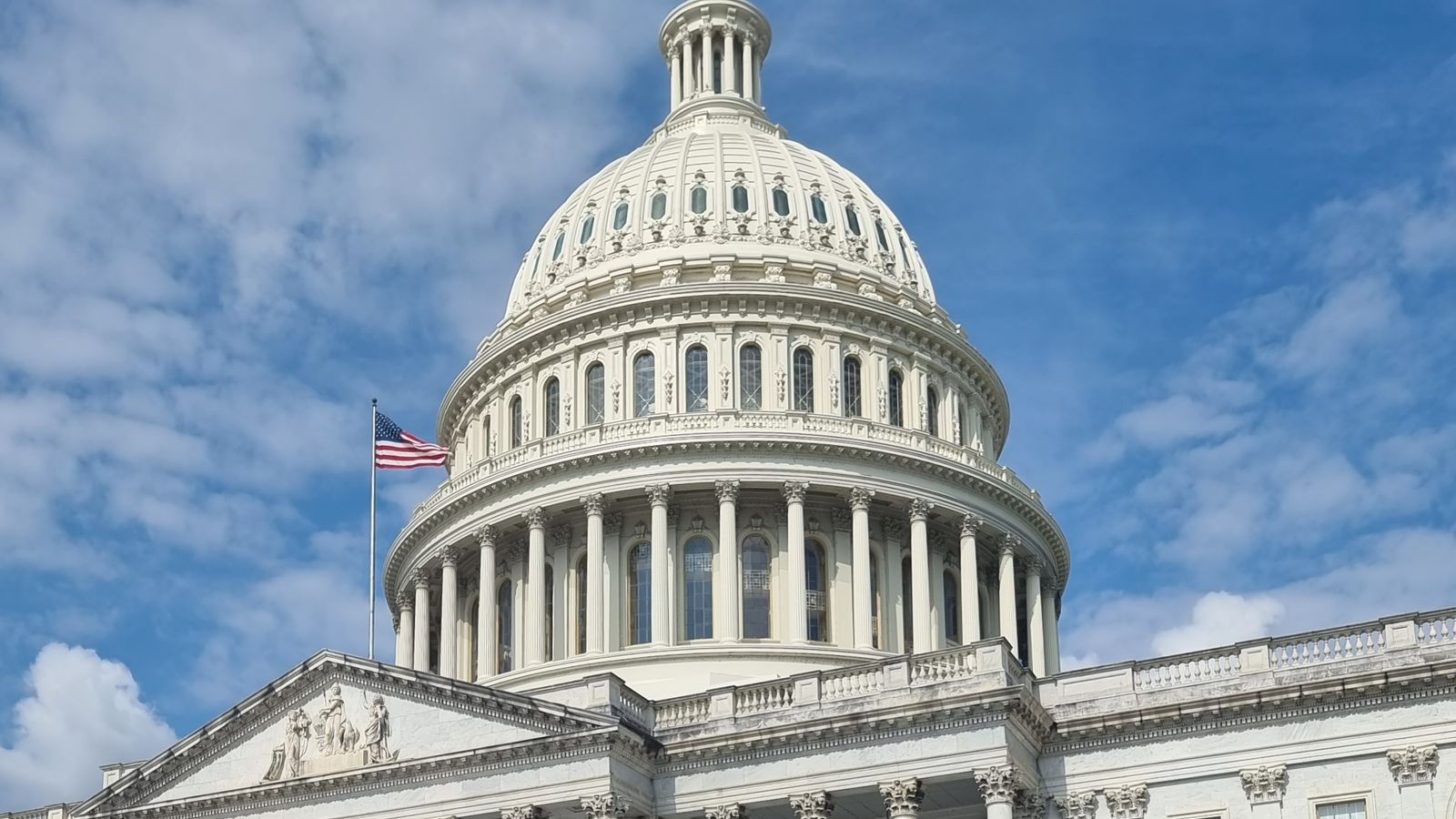
A picturesque view of the US Capitol Building in Washington, DC, under a clear sky.
A forecast, not a filing
Yahoo Finance's November 24 prediction piece is commentary, and nothing in it changes federal law.
The article, headlined "Prediction: This Is When the U.S. Will Legalize Marijuana," surfaced in CannIntel's signal feed on Tuesday. It offers a timeline. It doesn't cite a new bill, a new agency action, or a new vote.
That distinction matters. Cannabis finance content has a long habit of pairing a confident year with a stock ticker, and readers tend to skim the headline and carry the date around as if it were scheduled. It isn't.
CannIntel was working from the headline and publication metadata of the Yahoo Finance item, not its full text, so we aren't restating the author's specific date or reasoning here. Readers should consult the original piece for that.
The cleanest read: legalization is a sequence, not a day
Federal legalization would arrive as a chain of discrete legal events, and each link has its own owner, calendar, and failure mode.
Start any legalization forecast by asking which link it assumes. There are at least three distinct paths, and they don't move together.
- Rescheduling: moving marijuana from Schedule I to Schedule III under the Controlled Substances Act, which runs through DEA and HHS rulemaking and the ALJ hearing process.
- Legislation: a statute that deschedules the plant or creates a federal regulatory framework, which needs 60 Senate votes to clear a filibuster.
- Banking and tax carve-outs: narrower measures such as the SAFER Banking Act that ease operations without legalizing anything.
A forecast that collapses these into one date is hiding the hard part. Rescheduling is an executive-branch outcome. Descheduling belongs to Congress. The odds differ, and so do the timelines.
What rescheduling would and wouldn't change
Schedule III status would likely end the 280E tax penalty for plant-touching operators but would not make interstate commerce legal.
Section 280E of the tax code bars deductions for businesses trafficking in Schedule I and II substances. Moving to Schedule III would take cannabis out of that bucket. For an MSO paying effective tax rates that often run far above a normal corporation's, that's the single largest financial lever in the industry.
Rescheduling alone, though, leaves the plant federally controlled. State-licensed markets would keep operating under the same patchwork. Cross-border sales, such as moving product from California to Oregon, would remain illegal. Banking relief would improve at the margin without being resolved.
The gap between "Schedule III" and "legal" is where most prediction headlines quietly lose the plot, and it's where operator planning should start.
Investors pricing in full legalization on a rescheduling catalyst are pricing the wrong event.
How operators should use a date they can't trust
Treat any legalization date as a scenario input, and stress-test the balance sheet against both a fast and a no-change outcome.
For an MSO, a single-state operator, or a vendor, the practical move is to build cash-flow models that don't depend on a federal event landing on schedule. Capital structure is the tell. Operators carrying near-term debt maturities on the assumption of a 280E refund are exposed if the timeline slips.
The opposite error is also real. Operators who ignore the possibility of a sudden rescheduling outcome could miss the chance to restructure tax positions and pursue refund claims, so the prepared ones have counsel and tax advisors scoped on both paths.
For full background on how these pieces fit together, see the CannIntel topic hub on federal marijuana legalization.
State markets will keep moving regardless. California, Ohio, and New York each have their own regulators, DCC, DOH, and OCM respectively, and their rules shape day-to-day operations far more than any federal forecast does.
We'll be watching the Federal Register and the Senate calendar, not prediction columns. A DEA final rule, a scheduled ALJ hearing date, or a committee markup would each be verifiable news. A forecast is a conversation starter. The next real signal is the filing.
For complete background, history, and our ongoing coverage of this story:
Open the CannIntel topic hub →Frequently asked questions
Did federal marijuana legalization happen on November 24, 2026?
No. The Yahoo Finance item published that day is a prediction column about when legalization might occur. It does not report a new law, DEA rule, or congressional vote. Marijuana's federal status is unchanged by the article.
What is the difference between rescheduling and legalization?
Rescheduling moves marijuana to a less restrictive tier of the Controlled Substances Act, such as Schedule III, but it stays federally controlled. Legalization or descheduling would remove it from the schedules and require legislation. Rescheduling can occur through agency rulemaking.
Would Schedule III end the 280E tax burden?
Likely yes for plant-touching businesses. Section 280E denies deductions to traffickers in Schedule I and II substances, so a Schedule III classification would generally remove cannabis from that provision. It would not by itself allow interstate commerce.
How should cannabis operators plan around legalization forecasts?
Treat forecasts as scenarios. Build financial models that survive both a fast federal change and none at all, and avoid relying on an expected 280E refund to service near-term debt. Have tax counsel ready for either outcome.
Sources
The cannabis newsletter you forward to your team.
Federal policy, market data, grower alerts, and the one story that matters today. Sent every weekday at 7am. Free.
No spam. Unsubscribe with one click. 21+ only.
Related from Laws
Forecast Puts Federal Marijuana Legalization at 2031, Tied to 2028 Vote
A Pluang-reported projection links nationwide legalization to a Democratic 2028 win, shifting attention from rescheduling to the legislative calendar.

Thailand's Medical-Only Cannabis Bill Tests Post-Boom Legal Status
Business of Cannabis maps Thailand's path from 2022 decriminalization to a pending medical-only bill, leaving the legal status of recreational use and hemp-derived products unsettled.

Oklahoma's Top Cannabis Regulator Adria Berry Moves On After 5 Years
Adria Berry, who has led the Oklahoma Medical Marijuana Authority since the state's license boom, is leaving the agency after five years, according to Cannabis Wire.
More from the newsroom

DEA pushes back on cannabis business suits over rescheduling rules
The Drug Enforcement Administration is contesting litigation from cannabis companies over its rescheduling rules, per Marijuana Moment's Nov. 24, 2026 newsletter.

NC Governor's Cannabis Council Lays Out Legalization Plan
A council convened by the governor has outlined a path toward legal cannabis in North Carolina, though the signal supplies no bill number, tax rate, or timeline.

Sweet Flower, UFCW 770 Reach Tentative Deal After Strike Vote
Los Angeles dispensary workers secured retroactive pay and wage increases from Sweet Flower, pulling back from a possible unfair labor practice strike.