Asheville hemp backers push back on December federal THC limits
Western North Carolina hemp supporters are lobbying against the federal intoxicating-hemp restrictions set to begin in December, as the Federal Hemp Loophole nears its end date.

Jar of Dad Grass CBD gummies with stacked red gummies.
Asheville advocates target the December cutoff
Hemp supporters in Asheville are organizing against federal THC limits scheduled to begin in December, according to WLOS.
The local push centers on federal restrictions on THC in hemp-derived products. The signal gives the outline of the story, not a full roster of participants, so CannIntel isn't attributing specific statements to named organizers or officials. The reporting available to us doesn't identify the exact statutory provision or dollar figures behind the local opposition.
Still, the geography matters. Western North Carolina has a visible hemp retail and farming community, and an effective ban on intoxicating hemp would land hardest on small operators who built their businesses on the 2018 Farm Bill's definition of hemp.
What the Federal Hemp Loophole means on a strict reading
Under the 2018 Farm Bill, hemp is defined by a delta-9 THC concentration of no more than 0.3 percent on a dry-weight basis, and that definition is what made the loophole possible.
On a strict reading, the statute measured delta-9 THC alone and said nothing about total intoxicating potential. Manufacturers used that gap to sell products containing THCA, delta-8 THC and other converted cannabinoids, plus edibles and beverages, that comply on paper while producing a high. The December limits, as WLOS describes them, are aimed at that gap.
For the full policy background, see the CannIntel topic hub on the Federal Hemp Loophole.
The tax and compliance exposure for retailers
A product that is lawful hemp today and a controlled substance in December creates immediate inventory, licensing and tax-treatment problems for retailers.
Operators selling hemp-derived intoxicants outside a licensed program have no clear way to move remaining stock after the effective date. State revenue treatment is a separate question. Some states tax hemp products under general sales-tax rules, others under cannabis-specific excise codes, and a federal reclassification can strand products between the two.
IRC §280E, which bars deductions for businesses trafficking in Schedule I or II substances, could become relevant to operators whose products fall back under the Controlled Substances Act. That's a reading of the statute, not a reported outcome in Asheville, and operators should confirm it with tax counsel.
Compliance teams should track three items before the deadline:
- The exact effective date and any grace period for existing inventory
- Whether North Carolina issues its own guidance on hemp-derived THC
- How the state treats stranded stock for sales-tax purposes
The deadline is close. Planning can't wait for local advocacy to succeed.
The next signal: whether Congress or North Carolina regulators offer any transition language before the December date arrives.
For complete background, history, and our ongoing coverage of this story:
Open the CannIntel topic hub →Frequently asked questions
What are the federal THC limits taking effect in December?
According to WLOS, federal limits on THC in hemp products are set to begin in December. The signal does not specify thresholds or statutory text, so operators should consult the final federal language and counsel before relying on any summary.
What is the Federal Hemp Loophole?
It refers to the 2018 Farm Bill's definition of hemp as cannabis with no more than 0.3 percent delta-9 THC by dry weight. That definition let products with other intoxicating cannabinoids, like delta-8 and converted THCA, be sold outside state cannabis programs.
Why does IRC §280E matter for hemp retailers?
Section 280E bars business deductions for trafficking in Schedule I or II controlled substances. If hemp-derived products lose their federal hemp status, some operators could face that treatment. Whether and how it applies depends on facts and should be confirmed with a tax professional.
Who is pushing back in Asheville?
WLOS reports that hemp supporters in Asheville are opposing the limits. The available reporting does not name specific organizers or officials, and CannIntel is not attributing statements beyond what the source supports.
Sources
The cannabis newsletter you forward to your team.
Federal policy, market data, grower alerts, and the one story that matters today. Sent every weekday at 7am. Free.
No spam. Unsubscribe with one click. 21+ only.
Related from Laws

Alaska THC Drink Rules Draw Fresh Scrutiny as 2026 Guides Multiply
A consumer explainer on Alaska THC beverages surfaced Nov. 15, but the regulatory record behind it is thin, and operators should verify rules with the state before acting.
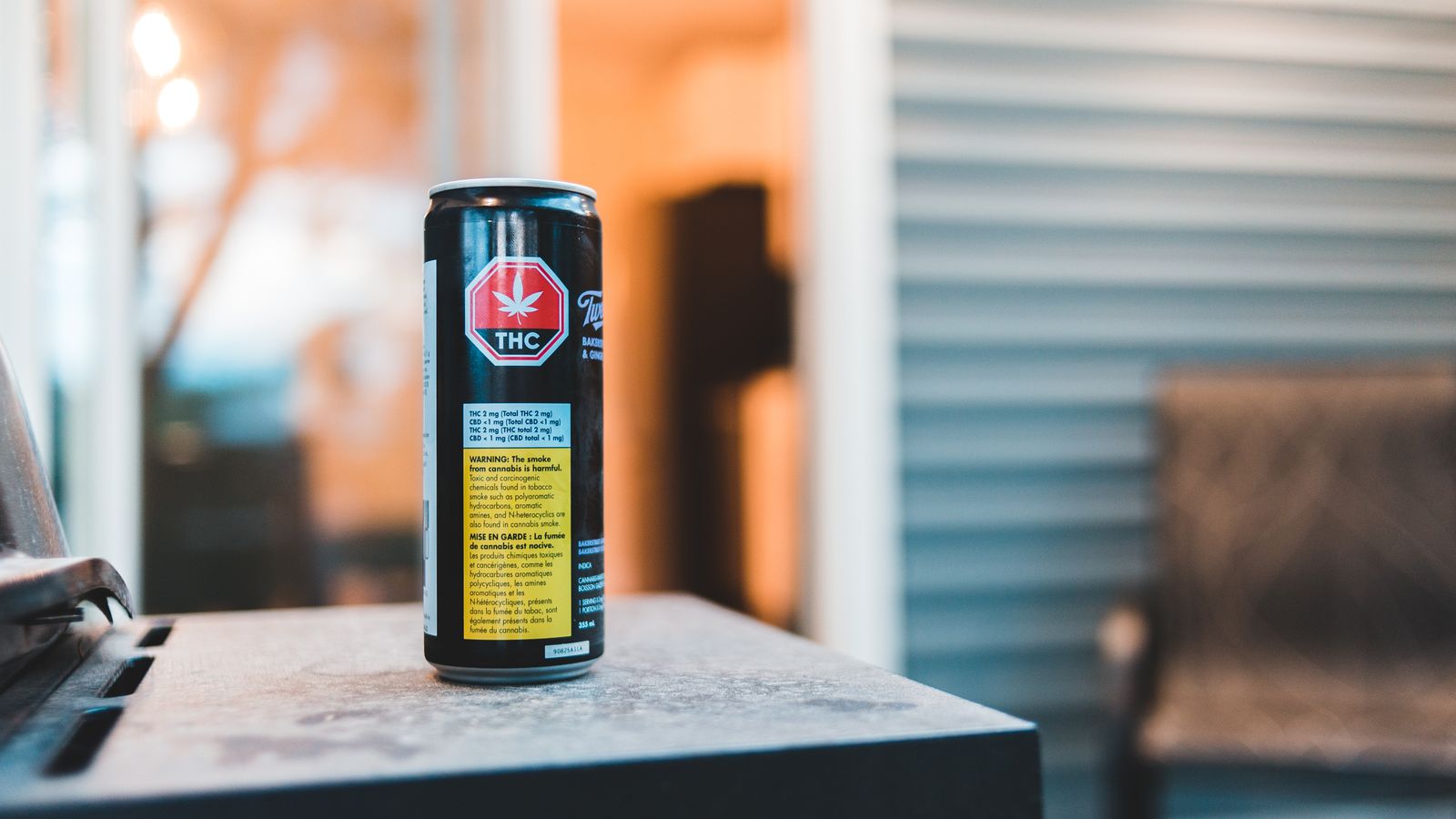
New Mexico THC Drinks: Legal Status and Pending Rule Changes
Herb.co's new consumer guide on New Mexico THC beverages points to a regulatory picture that remains split between licensed cannabis retail and hemp-derived products.
Connecticut THC Drink Rules Stay in Flux as Herb.co Maps 2026 Changes
A new consumer guide on Connecticut's THC beverage market lands as the delta-9-versus-total-THC question keeps retailers, brewers and regulators guessing.
More from the newsroom

Montana THC Drinks: Legal Status and What's Changing in 2026
A Herb.co explainer renews attention on how Montana treats THC beverages, and the answer depends on whether a drink is hemp-derived or sold through the licensed adult-use system.

Hawaii THC Drink Rules Draw Fresh Scrutiny in 2026 Consumer Guides
A Herb.co explainer on legality, retail access and pending changes puts Hawaii's hemp-beverage gray zone back in front of operators and regulators.

Village Farms Earnings Call Signals Growth Ahead, TipRanks Reports
A TipRanks summary of Village Farms International's latest earnings call points to a growth outlook, but the detail investors need sits in the company's own filings.