Alcohol Lobby Calls on Cannabis Industry to Support Hemp Drink Rules
A leading alcohol trade group executive urges cannabis operators to back federal hemp beverage regulation rather than outright bans.
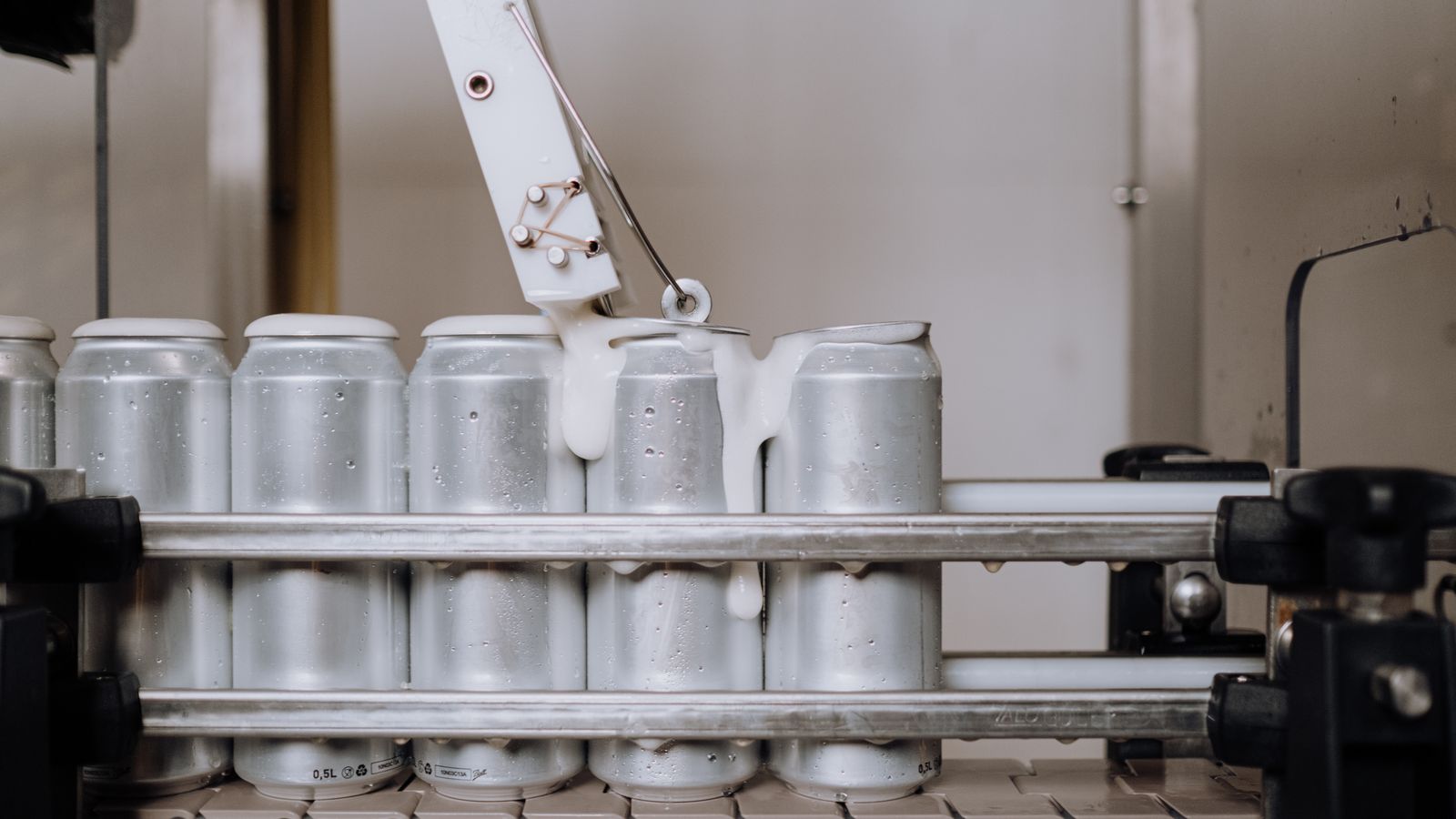
Close-up of aluminum cans being filled in an automated brewery assembly line.
Alcohol Trade Group Seeks Cannabis Alliance on Hemp Drinks
The opinion piece, published August 18 in Marijuana Moment, argues that both the alcohol and cannabis industries face a common threat from unregulated hemp beverages flooding retail shelves. The author—whose affiliation with a major alcohol trade association was disclosed in the byline—contends that a regulatory framework would serve the interests of both licensed cannabis markets and traditional alcohol distributors better than state-by-state prohibition efforts.
The appeal comes as at least 14 states have introduced legislation this year to restrict or ban intoxicating hemp products, including beverages containing delta-8 THC, delta-9 THC, and other hemp-derived cannabinoids. Federal regulation, the op-ed argues, offers a middle path. It'd impose age verification, potency limits, and labeling standards without eliminating the category entirely.
Hemp Beverage Market Grows Amid Regulatory Void
Hemp-derived intoxicating drinks have proliferated since the 2018 Farm Bill legalized hemp containing less than 0.3 percent delta-9 THC by dry weight, a loophole manufacturers have exploited to produce beverages with psychoactive cannabinoids. Industry estimates place the hemp beverage market at over $2 billion in annual sales, with products sold in gas stations, liquor stores, and online retailers across most states.
Alcohol companies have watched the category expand with growing concern. They view hemp drinks as direct competition for shelf space and consumer dollars. Cannabis operators, meanwhile, have objected that unregulated hemp products undercut state-licensed markets where cannabis beverages face strict testing, packaging, and distribution requirements. The op-ed acknowledges this tension but suggests both industries would benefit from federal rules that level the playing field.
Federal Action Remains Stalled in Congress
No comprehensive federal hemp intoxicant legislation has advanced out of committee in the current Congress, though the FDA issued a warning letter in June to one hemp beverage manufacturer over unsubstantiated health claims. The Drug Enforcement Administration hasn't taken enforcement action against hemp drink producers, citing the 2018 Farm Bill's legalization of hemp and the absence of clear statutory authority to regulate derivatives.
The alcohol lobbyist's op-ed doesn't propose specific regulatory language but endorses the framework outlined in a discussion draft circulated by House Agriculture Committee staff earlier this year. That draft would cap total THC per serving at 5 milligrams, require child-resistant packaging, and mandate state-level distribution licenses similar to alcohol's three-tier system. For full background on this story, see the CannIntel topic hub on hemp beverage regulation.
Whether cannabis industry groups will embrace the alcohol sector's overture remains unclear. The next legislative window opens when Congress reconvenes in September. Hemp regulation is expected to surface in Farm Bill reauthorization negotiations.
For complete background, history, and our ongoing coverage of this story:
Open the CannIntel topic hub →Frequently asked questions
Why is the alcohol industry calling for hemp beverage regulation?
Alcohol distributors view unregulated hemp drinks as direct competition for retail shelf space and consumer spending. A federal regulatory framework with age limits and potency caps would impose structure on the category without eliminating it, potentially reducing the competitive threat while maintaining market access for compliant products.
What is the 2018 Farm Bill loophole that allows intoxicating hemp drinks?
The 2018 Farm Bill legalized hemp containing less than 0.3 percent delta-9 THC by dry weight. Manufacturers have used this threshold to produce beverages with psychoactive cannabinoids like delta-8 THC and other hemp-derived compounds, which technically fall outside the statutory definition of marijuana.
What regulations would a federal hemp beverage framework include?
A House Agriculture discussion draft circulated this year proposes a 5-milligram total THC cap per serving, child-resistant packaging, age verification at sale, and state-level distribution licenses similar to alcohol's three-tier system. The draft has not been introduced as formal legislation.
Has the DEA or FDA taken enforcement action against hemp drink makers?
The DEA has not pursued enforcement, citing the 2018 Farm Bill's hemp legalization and lack of clear statutory authority over derivatives. The FDA issued a warning letter in June 2026 to one manufacturer over unsubstantiated health claims but has not banned hemp beverages or issued comprehensive guidance.
Sources
The cannabis newsletter you forward to your team.
Federal policy, market data, grower alerts, and the one story that matters today. Sent every weekday at 7am. Free.
No spam. Unsubscribe with one click. 21+ only.
Related from Laws

Massachusetts Governor Urges 'No' Vote on Marijuana Sales Ban
Gov. Maura Healey came out against a ballot measure that would end legal marijuana sales, putting the state's top executive in the repeal fight five weeks before Election Day.

Supreme Court weighs cannabis company's dispute with health department
Missouri Lawyers Media reported Oct. 5 that the Supreme Court heard competing arguments from a cannabis company and a health department; parties and legal question remain unconfirmed.

Report: Federal Marijuana Rescheduling Put on Hold, Details Unclear
A Monday report says the pending Schedule III process has been paused, but the available headline names no decision-maker, no document and no reason.
More from the newsroom
DEA Update Says No Marijuana Overdose Deaths Reported
The agency's 2026 Drugs of Abuse update states plainly that no marijuana overdose deaths have been reported, a line that lands in the middle of the rescheduling fight.

Heavy Duty Trucking Flags Marijuana Testing Conflict for CDL Drivers
State legalization hasn't changed 49 CFR Part 40, which still treats a THC-positive test as a violation for commercial drivers, with Clearinghouse consequences.

Minnesota OCM Study Finds Autism Patients Report Less Anxiety
A Minnesota Office of Cannabis Management study of 1,811 patients with autism found reduced anxiety and depression symptoms after enrollment in the state's medical program.