Hemp Beverage Regulation: Federal and State Compliance Guide
Hemp-derived beverages containing THC exist in a complex regulatory landscape shaped by the 2018 Farm Bill, FDA oversight, and state-level laws. This hub examines federal hemp beverage regulations, state-by-state compliance requirements, labeling standards, age restrictions, and the ongoing debate between prohibition and regulated frameworks. Industry stakeholders including alcohol distributors, cannabis operators, and consumer advocates are actively shaping policy as hemp drinks gain market share. Understanding current rules and emerging legislation is essential for manufacturers, retailers, and consumers navigating this rapidly evolving sector.
Executive Summary
Hemp-derived beverage regulation has emerged as one of the most contentious battlegrounds in cannabis policy, pitting alcohol industry interests, cannabis operators, hemp manufacturers, and federal regulators against one another in a complex debate over consumer safety, market access, and regulatory authority. The August 2026 op-ed from an alcohol industry lobbyist calling for cannabis industry support of hemp drink regulation rather than prohibition marks a significant shift in stakeholder positioning. At the center of this debate is whether beverages containing hemp-derived cannabinoids like delta-8 THC, delta-9 THC, and THCA should face strict federal oversight, state-by-state licensing requirements, or outright bans.
The hemp beverage market has grown from virtually nothing in 2018 to an estimated $2.8 billion industry by 2026, driven by the legal ambiguity created when the 2018 Farm Bill legalized hemp containing less than 0.3% delta-9 THC by dry weight. This loophole has enabled manufacturers to produce intoxicating beverages sold in gas stations, grocery stores, and online retailers across states without adult-use cannabis programs. The FDA has repeatedly stated it lacks clear authority to regulate these products, while the DEA has issued conflicting guidance. Meanwhile, state legislatures have responded with a patchwork of regulations ranging from complete prohibition to full integration into existing cannabis frameworks.
The stakes are substantial: hemp beverage manufacturers face potential federal crackdowns that could eliminate their businesses overnight, cannabis operators see unregulated competition eroding their licensed markets, alcohol companies view hemp drinks as both competitive threat and potential acquisition target, and public health advocates warn of uncontrolled intoxicant access to minors. The resolution of this regulatory uncertainty will determine whether hemp beverages become a regulated consumer product category or face prohibition similar to synthetic cannabinoids.
Why This Matters
The hemp beverage regulatory debate affects billions in commerce, millions of consumers, and the fundamental structure of cannabis federalism in the United States. For cannabis operators who invested hundreds of millions in state-licensed infrastructure, unregulated hemp drinks represent unfair competition that undercuts pricing and bypasses the strict testing, packaging, and distribution requirements they must follow. Multi-state operators have reported margin compression of 8-12% in markets where hemp beverages gained significant retail presence.
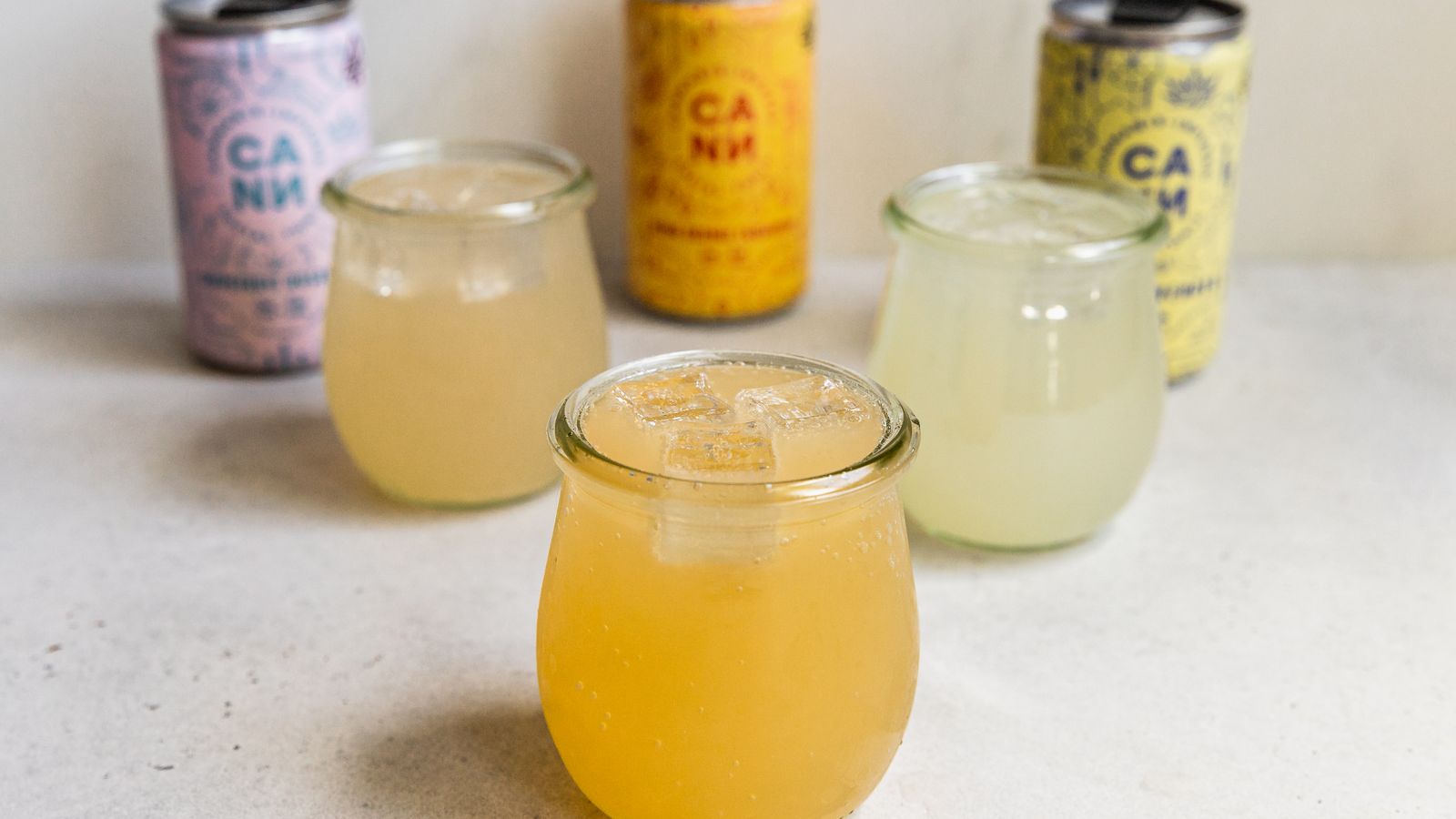
For hemp manufacturers, regulatory clarity means survival. Companies like Cann, Cycling Frog, and Flying Embers have built distribution networks reaching 15,000+ retail locations based on the legal interpretation that their products comply with the 2018 Farm Bill. A sudden prohibition or requirement to enter state cannabis licensing systems would eliminate most of these businesses, which lack the capital reserves and political connections that established MSOs possess.
Consumers face safety implications. Unlike state-licensed cannabis products subject to mandatory testing for potency, pesticides, heavy metals, and microbials, hemp beverages sold through conventional retail channels often lack independent laboratory verification. The FDA documented cases in 2025 where tested hemp drinks contained 40-180% of their labeled THC content, and some products marketed as "non-intoxicating" contained delta-9 THC levels exceeding 10mg per serving.
The alcohol industry's $260 billion annual market faces potential disruption. Nielsen data from 2025 showed that in states with legal hemp beverage sales, beer purchases among adults 21-34 declined 3.2%, with survey data indicating substitution to cannabis beverages as a contributing factor. This explains the alcohol lobby's evolving position from opposition to calls for regulation rather than prohibition—they prefer a controlled competitor to an uncontrolled one.
Public health stakeholders, including the American Academy of Pediatrics and the Substance Abuse and Mental Health Services Administration, have raised concerns about youth access. Because hemp beverages can be sold wherever supplements are permitted, they have appeared in convenience stores near schools, often with packaging resembling energy drinks or flavored seltzers that appeal to underage consumers.
Background and History
The hemp beverage industry exists because of a drafting ambiguity in the Agriculture Improvement Act of 2018, commonly known as the 2018 Farm Bill, which redefined "hemp" as cannabis containing not more than 0.3% delta-9 THC on a dry weight basis. This seemingly technical change removed hemp from Schedule I of the Controlled Substances Act, creating a legal pathway for hemp cultivation, processing, and product manufacturing that Congress did not fully anticipate.
The 2018 Farm Bill and Unintended Consequences
When President Trump signed the 2018 Farm Bill into law on December 20, 2018, the primary intent was to support American hemp farmers who had been locked out of the industrial hemp market for decades under the Controlled Substances Act. Senate Majority Leader Mitch McConnell championed the bill to benefit Kentucky hemp farmers. The legislation explicitly legalized hemp and hemp-derived products, removing them from DEA jurisdiction and transferring regulatory authority to the U.S. Department of Agriculture for cultivation and the FDA for consumable products.
The critical language appears in 7 U.S.C. § 1639o, which defines hemp as "the plant Cannabis sativa L. and any part of that plant, including the seeds thereof and all derivatives, extracts, cannabinoids, isomers, acids, salts, and salts of isomers, whether growing or not, with a delta-9 tetrahydrocannabinol concentration of not more than 0.3 percent on a dry weight basis." Crucially, this definition measures only delta-9 THC, not total THC or other intoxicating cannabinoids.
Entrepreneurs quickly recognized that this language permitted products containing significant amounts of intoxicating cannabinoids as long as delta-9 THC remained below 0.3% by dry weight. For beverages, which are primarily water, the dry weight calculation creates substantial room for delta-9 THC content. A 12-ounce beverage might contain 10mg of delta-9 THC while still qualifying as a hemp product under the statutory definition.
Early Market Development (2019-2021)
The first hemp-derived THC beverages appeared in late 2019, marketed primarily as CBD drinks with minor amounts of THC for "entourage effect." Companies like Recess, Cann, and Keef Brands launched products containing 2-5mg THC per serving, positioning them as legal alternatives to alcohol. Initial distribution focused on states with existing cannabis programs, where retailers and consumers were already familiar with cannabis beverages.
In May 2020, the USDA published its final rule establishing the U.S. Domestic Hemp Production Program under 7 CFR Part 990, which set testing and compliance requirements for hemp cultivation but did not address finished consumer products. This left the FDA as the primary federal regulator for hemp beverages, but the agency had not issued comprehensive guidance.
The FDA's position, articulated in multiple statements between 2019-2021, was that it could not conclude that CBD or other hemp-derived cannabinoids were "generally recognized as safe" (GRAS) for use in food and beverages. However, the agency took limited enforcement action, creating a de facto permissive environment. In a May 2021 statement, then-Acting FDA Commissioner Janet Woodcock acknowledged the agency lacked a clear regulatory pathway for these products and called on Congress to provide explicit authority.
Delta-8 THC Explosion (2021-2022)
The market shifted dramatically in 2021 with the rise of delta-8 THC products. Delta-8 THC is a naturally occurring cannabinoid found in trace amounts in cannabis, but manufacturers discovered they could synthesize it in large quantities from CBD through isomerization. Because delta-8 THC is technically a hemp derivative and is not delta-9 THC, manufacturers argued it fell within the 2018 Farm Bill's definition of legal hemp.
Delta-8 beverages flooded the market in 2021-2022, often containing 25-100mg delta-8 THC per serving—doses that produce significant intoxication. These products appeared in gas stations, smoke shops, and online retailers with minimal age verification. The DEA responded in August 2021 with an interim final rule stating that "all synthetically derived tetrahydrocannabinols remain schedule I controlled substances," but this guidance created confusion because it was unclear whether delta-8 derived from legal hemp CBD qualified as "synthetic."
Multiple states responded with emergency regulations. In May 2022, Alaska banned all delta-8 products. Colorado integrated hemp-derived intoxicating products into its existing cannabis regulatory framework in June 2022, requiring the same licensing, testing, and retail restrictions as marijuana products. Michigan followed with similar regulations in October 2022.
THCA Beverages and Regulatory Arbitrage (2023-2024)
As states began restricting delta-8 products, manufacturers shifted to THCA beverages. THCA (tetrahydrocannabinolic acid) is the non-intoxicating precursor to delta-9 THC found in raw cannabis. When heated (decarboxylated), THCA converts to delta-9 THC. Manufacturers began marketing beverages containing high levels of THCA, arguing they complied with the 2018 Farm Bill because THCA is not delta-9 THC and the products measure below 0.3% delta-9 THC before consumption.
This regulatory arbitrage reached its peak in 2023-2024. Companies like Cycling Frog and Summit launched THCA seltzers containing 10-15mg THCA per can, marketed with instructions to "shake well and enjoy" (the shaking process generates heat that partially converts THCA to THC). These products achieved distribution in major grocery chains in states without specific hemp beverage regulations, including Texas, Florida, and Georgia.
The FDA issued warning letters to several hemp beverage manufacturers in March 2024, citing violations of the Federal Food, Drug, and Cosmetic Act for marketing unapproved food additives and making unauthorized health claims. However, the agency did not pursue broader enforcement action, and the warning letters had limited market impact.
Congressional Response and Current Status (2025-2026)
In February 2025, Representative Mary Miller introduced H.R. 1628, the Hemp Beverage Regulation Act, which would explicitly authorize the FDA to regulate hemp-derived intoxicating beverages as a distinct product category, with mandatory testing, labeling, and retail restrictions similar to alcohol. The bill gained 47 co-sponsors but has not advanced out of committee as of August 2026.
Senator Ron Wyden and Representative Earl Blumenauer introduced competing legislation in April 2025, the Cannabis Administration and Opportunity Act, which would deschedule cannabis entirely and establish federal regulatory frameworks for both marijuana and hemp-derived intoxicating products. This comprehensive approach has support from major cannabis industry groups but faces opposition from prohibitionist lawmakers.
The USDA published an Advanced Notice of Proposed Rulemaking in July 2025 seeking comment on whether to revise the definition of hemp to include total THC rather than only delta-9 THC, which would effectively prohibit most intoxicating hemp beverages. The comment period closed in October 2025 with over 18,000 submissions. The agency has not yet published a proposed rule.
As of August 2026, hemp beverage regulation remains in legal limbo at the federal level, with state-by-state approaches creating a fragmented market that benefits some operators while threatening others with sudden regulatory changes.
Key Players
Federal Agencies
The FDA holds statutory authority over food and beverage safety but has repeatedly stated it lacks clear congressional direction on hemp-derived intoxicating products. In testimony before the House Energy and Commerce Committee in March 2026, FDA Commissioner Robert Califf stated that the agency needs "explicit statutory authority and appropriated resources" to effectively regulate the hemp beverage market. The FDA's Center for Food Safety and Applied Nutrition has issued warning letters but has not pursued injunctions or seizures against major hemp beverage manufacturers.
The DEA maintains that synthetically derived cannabinoids remain Schedule I controlled substances under 21 U.S.C. § 812, but has not clarified whether this applies to delta-8 or THCA derived from legal hemp. The agency's August 2021 interim final rule created confusion without resolving the fundamental question of whether conversion processes constitute "synthetic" production. DEA Administrator Anne Milgram has stated the agency is "monitoring the situation" but has not announced enforcement priorities targeting hemp beverages.
The USDA regulates hemp cultivation under 7 CFR Part 990 but has no direct authority over finished consumer products. However, the department's potential revision of the hemp definition to include total THC would effectively eliminate the legal basis for intoxicating hemp beverages. Agriculture Secretary Tom Vilsack has indicated the department is "seriously considering" this change but faces pressure from hemp farmers who depend on cannabinoid extraction for economic viability.
Industry Associations
The U.S. Hemp Roundtable, representing hemp farmers and processors, has advocated for federal regulation rather than prohibition of hemp beverages. The organization's position, articulated in an April 2026 white paper, supports age restrictions, testing requirements, and retail limitations while opposing rescheduling of hemp-derived cannabinoids. The Roundtable represents approximately $1.2 billion in annual hemp industry revenue.
The Cannabis Trade Federation and National Cannabis Roundtable, representing licensed cannabis operators, have called for hemp beverages to be regulated identically to marijuana products, requiring state licensing and compliance with existing cannabis regulations. These organizations argue that the current regulatory gap creates unfair competition and undermines state cannabis programs. In a joint statement in June 2026, the groups endorsed federal legislation that would close the "hemp loophole" while supporting broader cannabis reform.
The Distilled Spirits Council, Beer Institute, and Wine Institute—representing the alcohol industry—have evolved their positions significantly. Initially opposing all cannabis beverages as competitive threats, these organizations now advocate for federal regulation of hemp drinks with age restrictions, labeling requirements, and retail controls similar to alcohol. The August 2026 op-ed from an alcohol industry lobbyist calling for cannabis industry support of regulation over prohibition reflects this strategic shift, recognizing that prohibition is politically unlikely and that regulated competition is preferable to unregulated markets.
Major Manufacturers
Cann, founded in 2019, has become the largest hemp beverage brand with distribution in over 8,000 retail locations across 38 states. The company produces low-dose THC seltzers (2.5-5mg per can) and has raised over $35 million in venture capital. Cann has advocated for federal regulation that would preserve its market access while establishing safety standards.
Cycling Frog, launched in 2023, focuses on THCA beverages and has achieved rapid growth through conventional retail distribution, including placement in regional grocery chains. The company has been less vocal on regulatory policy but has implemented voluntary testing and age verification for online sales.
Keef Brands, originally a Colorado cannabis beverage manufacturer, expanded into hemp-derived products in 2021 to access markets outside legal cannabis states. The company operates in both licensed cannabis markets and hemp beverage markets, giving it a unique perspective on the regulatory divide. Keef has supported harmonized regulations that would apply consistent standards across both product categories.
Legal and Regulatory Framework
The legal status of hemp beverages depends on the interaction of federal statutes, agency interpretations, and state laws, creating a complex and often contradictory regulatory environment. At the federal level, the controlling statute is the Agriculture Improvement Act of 2018, codified at 7 U.S.C. § 1639o et seq., which removed hemp from the definition of marijuana in the Controlled Substances Act, 21 U.S.C. § 802(16).
The critical definitional language states that hemp means "the plant Cannabis sativa L. and any part of that plant, including the seeds thereof and all derivatives, extracts, cannabinoids, isomers, acids, salts, and salts of isomers, whether growing or not, with a delta-9 tetrahydrocannabinol concentration of not more than 0.3 percent on a dry weight basis." This definition explicitly includes "all derivatives, extracts, cannabinoids," which hemp beverage manufacturers cite as authorization for delta-8 THC, THCA, and other hemp-derived intoxicating compounds.
However, the Federal Food, Drug, and Cosmetic Act, 21 U.S.C. § 301 et seq., requires that substances added to food and beverages must be either GRAS (generally recognized as safe) or approved as food additives through the FDA's petition process. The FDA has stated that hemp-derived cannabinoids do not meet the GRAS standard and have not been approved as food additives, creating a legal basis for enforcement action. The agency has not pursued systematic enforcement, leading to the current permissive environment.
The Controlled Substances Act remains relevant through 21 U.S.C. § 802(6), which defines controlled substance analogues. The DEA has argued that synthetically derived cannabinoids, even if produced from legal hemp, remain Schedule I controlled substances. This interpretation appears in the DEA's August 2021 interim final rule but has not been tested in federal court in the context of hemp beverages.
State laws vary dramatically. Some states have explicitly legalized and regulated hemp beverages within their cannabis programs. Others have banned them entirely. Many states have taken no action, creating a default permissive environment. This patchwork reflects broader tensions in cannabis federalism, where state-legal markets operate in technical violation of federal law, and federal agencies exercise enforcement discretion.
State-by-State Breakdown
California
California has integrated hemp-derived intoxicating products into its cannabis regulatory framework through Assembly Bill 45, effective January 1, 2026. The law requires that all hemp products containing detectable amounts of THC, including delta-8, delta-10, and THCA, be manufactured, tested, and sold through the state's licensed cannabis system. Products must comply with the same testing requirements as marijuana products, including potency verification, pesticide screening, and heavy metal analysis. Retail sales are restricted to licensed cannabis retailers, and products must use child-resistant packaging and standardized warning labels. Possession limits align with cannabis law: 28.5 grams of flower equivalent, calculated based on THC content. The Department of Cannabis Control has issued guidance stating that a 10mg THC beverage equals approximately 1 gram of flower for possession limit purposes.
Colorado
Colorado was among the first states to regulate hemp beverages, integrating them into its Marijuana Enforcement Division framework in June 2022. Under 12-43.4-101 et seq. of the Colorado Revised Statutes as amended, products containing more than 0.3% total THC (including delta-8, delta-9, delta-10, and THCA) must be manufactured by licensed marijuana businesses and sold only through licensed dispensaries. The state imposes a 15% retail excise tax on hemp-derived THC products, identical to marijuana. Beverages are limited to 10mg THC per container for recreational products, with medical products permitted up to 100mg per container. The Marijuana Enforcement Division reported in May 2026 that hemp beverage sales through licensed retailers reached $47 million in 2025, representing 8% of total cannabis beverage sales.
Florida
Florida has not enacted specific hemp beverage regulations, creating one of the largest unregulated markets in the country. Hemp products are legal under Florida Statute § 581.217 as long as they comply with the federal definition of hemp. This has enabled widespread retail distribution of delta-8 and THCA beverages through convenience stores, gas stations, and online retailers. The Florida Department of Agriculture and Consumer Services regulates hemp cultivation but has not issued rules for hemp-derived intoxicating products. In March 2026, the Florida Legislature considered House Bill 1475, which would have required hemp beverages to be sold only to adults 21+ with ID verification and mandatory warning labels, but the bill died in committee. As of August 2026, Florida remains a major market for hemp beverages, with an estimated $380 million in annual sales.
Michigan
Michigan integrated hemp-derived intoxicating products into its cannabis regulatory system through emergency rules adopted in October 2022, later codified in permanent regulations. The Michigan Marijuana Regulatory Agency requires that all products containing "any amount of THC" be manufactured, tested, and sold through the state's licensed cannabis system, regardless of whether they meet the federal hemp definition. This interpretation effectively prohibits hemp beverage sales outside licensed dispensaries. Products must comply with Michigan's cannabis testing requirements under Rule 420.405, including potency analysis, microbial screening, and residual solvent testing. The state imposes a 10% excise tax on all cannabis products, including hemp-derived beverages. Retail sales are restricted to adults 21+ with valid identification.
New York
New York has taken a unique approach by creating a separate regulatory pathway for hemp-derived cannabinoid products under the Cannabis Law Article 5. The Office of Cannabis Management published regulations in November 2023 establishing a "cannabinoid hemp" license category for products containing hemp-derived THC. These products can be sold through licensed cannabinoid hemp retailers, which are separate from adult-use cannabis dispensaries and have less stringent application requirements. Beverages are limited to 10mg THC per container, must be tested by licensed laboratories, and require child-resistant packaging and warning labels. However, cannabinoid hemp retailers can operate in locations where adult-use dispensaries are not permitted, creating broader geographic access. As of August 2026, New York has issued 127 cannabinoid hemp retail licenses, with hemp beverage sales estimated at $95 million annually.
Ohio
Ohio has prohibited the sale of hemp-derived intoxicating products through Senate Bill 57, effective July 20, 2023. The law amended Ohio Revised Code § 928.01 to define "intoxicating hemp product" as any hemp-derived product containing more than 0.3% delta-9 THC or any amount of delta-8 THC, delta-10 THC, or other intoxicating cannabinoids. The statute prohibits the manufacture, distribution, and sale of such products, with violations constituting a first-degree misdemeanor punishable by up to 180 days in jail and a $1,000 fine. The Ohio Department of Commerce has issued guidance stating that THCA products are also prohibited because THCA converts to delta-9 THC when consumed. This prohibition remains in effect despite Ohio voters approving adult-use cannabis legalization in November 2023, because the cannabis program is not yet operational as of August 2026.
Texas
Texas has not enacted specific hemp beverage regulations, but the Texas Department of State Health Services has issued guidance stating that consumable hemp products are legal if they comply with federal hemp law. This has created a large market for delta-8 and THCA beverages, sold through convenience stores, smoke shops, and online retailers. In May 2025, the Texas Legislature considered House Bill 2593, which would have established a regulatory framework for hemp-derived consumable products with testing requirements, age restrictions, and retail licensing, but the bill failed to pass before the session ended. The Texas Hemp Coalition has advocated for regulation rather than prohibition, citing the economic benefits to Texas hemp farmers and processors. As of August 2026, Texas represents an estimated $520 million annual market for hemp beverages, the largest unregulated market in the country.
Washington
Washington has integrated hemp-derived intoxicating products into its cannabis regulatory system through emergency rules adopted by the Washington State Liquor and Cannabis Board in March 2023. The rules require that all products containing "artificially derived cannabinoids" or total THC exceeding 0.3% be manufactured and sold through the state's licensed cannabis system. This includes delta-8, delta-10, and THCA products. Manufacturers must obtain cannabis processor licenses, and products must undergo testing at state-accredited laboratories for potency, pesticides, heavy metals, and microbials. Beverages are limited to 10mg THC per container for recreational products. The state imposes a 37% excise tax on all cannabis products, including hemp-derived beverages, making Washington one of the highest-taxed markets. The Liquor and Cannabis Board reported that hemp beverage sales through licensed retailers reached $28 million in 2025.
Market and Business Implications
The hemp beverage market has created a $2.8 billion industry that operates largely outside the traditional cannabis supply chain, disrupting both licensed cannabis operators and alcohol beverage companies. For multi-state operators who invested heavily in state-licensed infrastructure, hemp beverages represent a competitive threat that bypasses the regulatory costs they must bear. A licensed cannabis beverage in California faces approximately $8-12 per unit in regulatory compliance costs (testing, packaging, taxes, licensing fees), while a hemp beverage sold through conventional retail channels faces minimal regulatory costs, enabling 30-40% lower retail pricing.
This pricing differential has driven market share shifts in states where both products are available. In Colorado, where hemp beverages were integrated into the licensed market in 2022, sales data shows that hemp-derived products initially captured 15% of the cannabis beverage market before regulations equalized competitive conditions. In Florida and Texas, where hemp beverages remain unregulated, they have achieved an estimated 60-70% share of the total intoxicating cannabis beverage market by volume.
For hemp beverage manufacturers, regulatory uncertainty creates both opportunity and existential risk. Companies that have built distribution networks through conventional retail channels face potential elimination if federal regulations require state licensing. The capital requirements to enter state cannabis licensing systems are prohibitive for most hemp beverage startups—a typical multi-state cannabis license portfolio costs $5-15 million in application fees, real estate, and compliance infrastructure. Few hemp beverage companies have access to this level of capital, particularly given that federal prohibition prevents access to traditional bank financing and most institutional investors.
The alcohol industry views hemp beverages through a dual lens of competitive threat and acquisition opportunity. Nielsen data from 2025 indicates that cannabis beverages (both licensed and hemp-derived) captured 1.8% of the total U.S. beverage alcohol market by volume, with growth rates of 35-40% annually. This has prompted major alcohol companies to explore entry strategies. Constellation Brands invested $4 billion in Canopy Growth in 2018 but has faced challenges due to federal prohibition. Molson Coors formed a joint venture with HEXO Corp to produce cannabis beverages in Canada. Anheuser-Busch InBev has explored hemp beverage partnerships but has not announced major investments as of August 2026.
The wholesale pricing dynamics reveal the market distortions created by regulatory fragmentation. Licensed cannabis beverages in mature markets like California wholesale for $2.50-4.00 per unit (12-ounce equivalent) to retailers, who apply 40-60% markups to reach $4.99-7.99 retail pricing. Hemp beverages sold through conventional distribution wholesale for $1.50-2.50 per unit, with retail pricing of $2.99-4.99. This $2-3 per unit retail price gap has proven decisive in consumer purchasing decisions, particularly among price-sensitive younger consumers.
Capital flows into the hemp beverage sector have accelerated despite regulatory uncertainty. Venture capital investment in hemp beverage companies reached $127 million in 2025, according to PitchBook data, with major rounds including Cann's $27 million Series B and Cycling Frog's $15 million Series A. However, these investment levels remain far below the cannabis industry's peak years of 2018-2019, when licensed cannabis companies raised over $10 billion annually. Investors cite regulatory risk as the primary factor limiting capital deployment into hemp beverages.
The potential market impact of federal regulation depends heavily on the specific framework adopted. If Congress establishes a federal licensing system similar to alcohol's three-tier distribution model, it would likely consolidate the industry around well-capitalized players with existing distribution relationships. If federal law instead requires integration into state cannabis programs, it would effectively eliminate most current hemp beverage manufacturers while benefiting licensed MSOs. If federal agencies pursue prohibition through rescheduling or definitional changes, it would destroy the current hemp beverage market while potentially driving consumers to illicit sources or licensed cannabis markets in legal states.
What Experts Say
Regulatory experts, industry analysts, and public health researchers have articulated sharply divergent views on the appropriate policy response to hemp beverages. According to cannabis attorney Shane Pennington, partner at Vicente LLP, the current regulatory gap stems from congressional drafting that failed to anticipate the development of intoxicating hemp products. In a March 2026 analysis, Pennington stated that the 2018 Farm Bill's focus on delta-9 THC concentration "created an unintended loophole that manufacturers have exploited through basic chemistry." He advocates for federal legislation that would regulate hemp-derived intoxicating products similarly to alcohol, with FDA oversight for safety and state authority for distribution controls.
Public health researchers have raised concerns about the lack of product testing and quality control in the unregulated hemp beverage market. Dr. Ryan Vandrey, professor of psychiatry and behavioral sciences at Johns Hopkins University, has conducted studies finding significant variability in hemp product labeling accuracy. According to research published in the Journal of the American Medical Association in 2024, laboratory testing of 84 hemp-derived THC products found that 26% contained less than 80% of the labeled THC content, while 18% contained more than 120% of the labeled amount. Dr. Vandrey has stated that mandatory testing requirements and manufacturing standards are essential for consumer safety, regardless of whether products are classified as hemp or marijuana.
Industry analysts view the hemp beverage market as a test case for broader cannabis policy reform. According to Bethany Gomez, managing director at Brightfield Group, a cannabis market research firm, the hemp beverage phenomenon demonstrates consumer demand for legal, regulated intoxicating cannabis products outside traditional dispensary channels. In a May 2026 report, Brightfield Group projected that federal regulation of hemp beverages could expand the total addressable market to $8-12 billion by 2030 if products remain available through conventional retail channels with appropriate age restrictions and testing requirements.
State regulators have expressed frustration with the federal regulatory vacuum. According to Shannon Farley, executive director of the Washington State Liquor and Cannabis Board, the proliferation of unregulated hemp products undermines state cannabis programs that were designed to eliminate illicit markets and protect public health. In testimony before the Washington State Legislature in February 2026, Farley stated that federal action is necessary to prevent interstate commerce in unregulated intoxicating products that circumvent state regulatory systems.
Hemp industry representatives argue that prohibition would harm farmers and small businesses while failing to address public health concerns. According to Jonathan Miller, general counsel for the U.S. Hemp Roundtable, the solution is federal regulation that establishes safety standards while preserving market access for compliant products. In an April 2026 statement, Miller said that the hemp industry supports age restrictions, testing requirements, and labeling standards but opposes rescheduling approaches that would effectively prohibit hemp-derived cannabinoid products.
What's Next
The resolution of hemp beverage regulatory status will likely occur through a combination of federal agency action, congressional legislation, and continued state-level policy development over the next 12-24 months. The most immediate decision point is the USDA's potential revision of the hemp definition to include total THC rather than only delta-9 THC. If the department publishes a Notice of Proposed Rulemaking in fall 2026, the earliest a final rule could take effect is mid-2027, following the required comment period and administrative review process. Such a rule change would eliminate the legal basis for most intoxicating hemp beverages and force manufacturers to either reformulate products or cease operations.
Congressional action remains uncertain. The Hemp Beverage Regulation Act (H.R. 1628) has not advanced out of the House Energy and Commerce Committee as of August 2026, and prospects for passage in the current session appear limited. However, the bill could be incorporated into broader cannabis reform legislation if political momentum builds around comprehensive federal policy changes. The Cannabis Administration and Opportunity Act has more comprehensive scope but faces opposition from prohibitionist lawmakers and law enforcement groups.
The FDA may issue formal guidance on hemp-derived cannabinoids in food and beverages in late 2026 or early 2027. The agency has indicated that such guidance would clarify enforcement priorities and potentially establish a pathway for manufacturers to seek approval for specific products. However, the FDA has also stated that comprehensive regulation requires congressional authorization and appropriated resources, suggesting that agency guidance alone will not resolve the regulatory uncertainty.
State-level policy development will continue regardless of federal action. At least 12 state legislatures are expected to consider hemp beverage legislation in 2027 sessions, according to the National Conference of State Legislatures. States with large unregulated markets like Texas, Florida, and Georgia face pressure from both cannabis industry interests seeking competitive parity and public health advocates concerned about youth access. The policy approaches adopted by these large states will significantly influence the national market structure.
Update — August 19, 2026: Bipartisan Bill Proposes Alcohol-Style Framework for Hemp Beverages
A bipartisan coalition in Congress introduced legislation on August 19, 2026, that would regulate hemp-derived THC beverages under a framework modeled on the Alcohol and Tobacco Tax and Trade Bureau (TTB). The bill would transfer oversight of intoxicating hemp beverages from the FDA to the TTB, establishing age verification, labeling standards, and excise tax structures parallel to those governing beer, wine, and spirits. Co-sponsors said the measure addresses the regulatory vacuum created by the 2018 Farm Bill, which legalized hemp but left delta-8 THC, delta-9 THC, and other intoxicating cannabinoid beverages largely unregulated at the federal level.
Under the proposed framework, manufacturers would be required to obtain federal permits and submit product formulations for pre-market approval, similar to alcohol beverage producers. The bill sets a maximum THC concentration of 5 mg per serving for beverages sold in retail channels, with higher-potency products restricted to state-licensed dispensaries. Retailers would face the same penalties for selling to minors as those applied to alcohol sales, including fines up to $10,000 per violation and potential license revocation. Industry groups including the National Hemp Association expressed support, citing the need for uniform compliance standards across state lines.
The legislation also proposes a federal excise tax of $0.16 per milligram of THC, generating an estimated $1.2 billion in annual revenue according to the Congressional Budget Office. Revenue would be allocated to state enforcement programs and public health campaigns. States would retain authority to impose additional taxes or prohibit sales entirely, mirroring the federalist structure of alcohol regulation. The bill does not address non-beverage hemp products such as edibles or tinctures, which would remain under FDA jurisdiction.
For beverage manufacturers, the bill would impose mandatory third-party lab testing and batch-level certificates of analysis before distribution. Products found exceeding labeled THC content by more than 10 percent would trigger automatic recalls and civil penalties. The TTB would maintain a public database of approved hemp beverage formulations, accessible to state regulators and law enforcement. If enacted, compliance deadlines would begin 180 days after the bill's effective date, requiring rapid operational adjustments from producers currently operating under state-only frameworks or no oversight.
Frequently asked questions
What federal law governs hemp beverages?
The 2018 Farm Bill legalized hemp and hemp-derived products containing less than 0.3% delta-9 THC by dry weight. However, the FDA retains authority over food and beverage products and has not approved hemp-derived THC as a food additive or dietary supplement ingredient. This creates a legal gray area where hemp beverages may be federally compliant under agricultural law but lack explicit FDA approval for human consumption.
How do states regulate hemp beverages differently?
State hemp beverage regulations vary widely. Some states like California and Colorado have established licensed retail frameworks with testing and labeling requirements. Others including Idaho and South Dakota have banned intoxicating hemp products entirely. Many states are developing middle-ground approaches with age restrictions, potency limits, and retail licensing similar to alcohol. This patchwork creates compliance challenges for multi-state manufacturers and distributors.
What are typical labeling requirements for hemp drinks?
Common hemp beverage labeling requirements include total THC content in milligrams, serving size information, batch or lot numbers for traceability, manufacturing and expiration dates, and warnings about intoxicating effects. Many states require child-resistant packaging, prohibition on health claims, and clear statements that products are not FDA-approved. Some jurisdictions mandate universal cannabis warning symbols and restrict marketing that appeals to minors.
Are hemp beverages subject to age restrictions?
Most states implementing hemp beverage regulations set minimum purchase ages at 21, mirroring alcohol laws. Some states apply 18-plus restrictions. Retailers typically must verify age at point of sale and face penalties for sales to minors. Federal law does not establish a minimum age for hemp products, leaving this determination to states. Industry groups generally support 21-plus standards to align with alcohol distribution channels.
How do hemp beverage regulations compare to alcohol laws?
Hemp beverage regulations increasingly mirror alcohol frameworks including three-tier distribution systems, retail licensing, taxation structures, and age verification requirements. Some states allow hemp drinks in establishments with alcohol licenses while others create separate permit categories. Unlike alcohol, hemp beverages face additional requirements for cannabinoid testing, potency limits per serving, and compliance with both agricultural hemp laws and intoxicating substance regulations.
What role does the FDA play in hemp beverage regulation?
The FDA has authority over food and beverage safety but has not issued comprehensive hemp beverage regulations. The agency has stated that adding THC or CBD to food and beverages without approval violates the Federal Food, Drug, and Cosmetic Act. The FDA has issued warning letters to some hemp beverage companies but has not undertaken widespread enforcement. Industry stakeholders await formal rulemaking to clarify federal compliance pathways.
Can hemp beverages be sold in regular retail stores?
Hemp beverage retail authorization varies by state. Some states permit sales in convenience stores, grocery stores, and gas stations without special licensing. Others restrict sales to licensed dispensaries, specialty hemp retailers, or alcohol-licensed establishments. States with comprehensive regulations typically require retailer permits, employee training, and compliance with display and storage rules. Online sales face additional interstate commerce and age verification challenges.
What testing standards apply to hemp beverages?
Hemp beverage testing requirements typically include cannabinoid potency analysis to verify THC and CBD levels, contaminant screening for pesticides, heavy metals, and microbials, and stability testing to ensure labeled potency throughout shelf life. Many states require third-party laboratory certification and certificate of analysis documentation. Testing protocols often follow standards developed for cannabis products or dietary supplements, though hemp-specific beverage standards are still emerging.
How are hemp beverages taxed?
Hemp beverage taxation varies significantly by jurisdiction. Some states apply excise taxes based on THC content per milligram or per serving. Others use percentage-of-price models similar to alcohol or cannabis taxes. Certain states impose standard sales tax only. Federal taxation follows general business rules as the IRS has not created hemp beverage-specific categories. Tax structures influence pricing and market competitiveness against both alcohol and regulated cannabis products.
What is the debate between regulation and prohibition of hemp drinks?
Advocates for regulation argue that licensed frameworks enable quality control, age restrictions, consumer education, and tax revenue while reducing black market activity. Prohibition supporters cite concerns about intoxicating products outside traditional cannabis oversight, impaired driving risks, and youth access. Alcohol industry representatives have increasingly supported regulatory approaches over outright bans, viewing hemp beverages as manageable within existing distribution systems. The debate continues as more states develop policy responses.
Can hemp beverages be transported across state lines?
Interstate hemp beverage commerce faces legal complexity. While the 2018 Farm Bill legalized hemp transportation, states retain authority to restrict intoxicating products within their borders. Shipping hemp beverages into states with bans or without clear legal frameworks creates compliance risks. Many manufacturers limit distribution to states with explicit regulatory authorization. Common carriers and logistics companies maintain varying policies on hemp beverage shipments, often requiring compliance documentation.
What future regulatory changes are expected for hemp beverages?
Expected regulatory developments include potential FDA rulemaking establishing federal beverage standards, additional states implementing comprehensive hemp intoxicant frameworks, and possible federal legislation clarifying THC product oversight. Industry groups are advocating for standardized testing protocols, interstate commerce protections, and clear distinctions between hemp and marijuana regulatory pathways. The regulatory landscape will likely continue evolving as market data and public health research inform policy decisions.
The cannabis newsletter you forward to your team.
Federal policy, market data, grower alerts, and the one story that matters today. Sent every weekday at 7am. Free.
No spam. Unsubscribe with one click. 21+ only.