AG Blanche Says DOJ Won't Interfere With State-Legal Cannabis
Attorney General Todd Blanche said the Justice Department isn't seeking to interfere with state-legal marijuana operators, but no written policy or rule change accompanied the reported remarks.
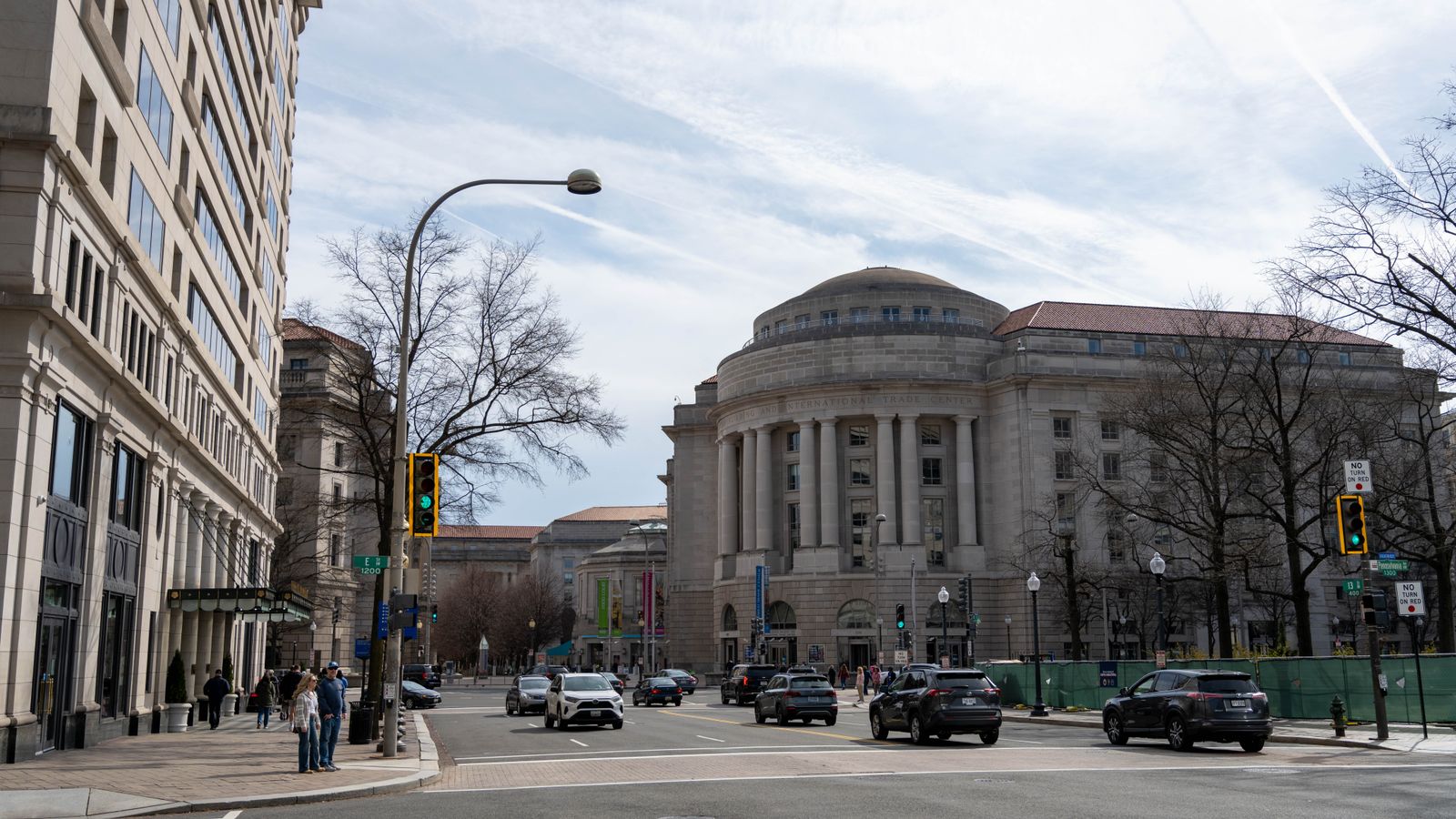
Traffic and pedestrians on a street with historic architecture in Washington DC on a clear day.
What Blanche said, and what the record doesn't show
Attorney General Todd Blanche said the Justice Department is not seeking to interfere with state-legal marijuana businesses, according to The Marijuana Herald on Oct. 22, 2026. That's the full extent of what the available report establishes.
The signal CannIntel reviewed doesn't identify the venue, the date of the remarks, or the exact wording. We haven't independently reviewed a transcript or a DOJ filing. This story paraphrases; it doesn't quote.
Context matters. A general statement of intent isn't a directive to U.S. attorneys.
Why a statement isn't a rule
Marijuana remains a Schedule I controlled substance under 21 U.S.C. § 812, and manufacturing or distributing it remains unlawful under 21 U.S.C. § 841(a)(1). Nothing Blanche reportedly said amends either provision.
The last formal DOJ framework for state-legal markets was the Cole memo, issued Aug. 29, 2013. Then-Attorney General Jeff Sessions rescinded it on Jan. 4, 2018, returning charging decisions to individual U.S. attorneys. No report we reviewed says Blanche's remarks restore that guidance or replace it.
Congress supplies the only standing constraint, and it's narrow. The Commerce, Justice, Science appropriations rider, in place in various forms since 2014, bars DOJ from spending funds to block states from implementing their medical marijuana laws. It doesn't cover adult-use programs in states such as California or Colorado.
That gap is why operators in adult-use markets tend to read verbal assurances cautiously, since enforcement discretion can be withdrawn as easily as it's offered and a statement published in a news report carries no notice-and-comment process behind it.
What operators and regulators should watch
The practical test is whether the remarks are followed by a written memorandum, a Federal Register notice, or a final action on DEA Docket No. DEA-1362. That docket covers the 2024 proposal to move marijuana to Schedule III.
Even a Schedule III outcome wouldn't legalize state-licensed sales on its own, though it would change the tax picture by taking the plant-touching businesses outside 26 U.S.C. § 280E. A DOJ enforcement statement and a DEA scheduling rule are separate tracks with separate legal effects.
State regulators have little to act on yet. Licensing agencies in states with adult-use programs won't change compliance requirements based on a reported statement, and lenders and insurers typically wait for documents they can underwrite. That caution is rational.
For full background on this story, see the CannIntel topic hub on DOJ state marijuana enforcement policy.
The next signal: any DOJ memorandum or court filing that puts Blanche's reported position in writing. Until one appears, the 2018 rescission is the last formal word on the books.
Sources
The cannabis newsletter you forward to your team.
Federal policy, market data, grower alerts, and the one story that matters today. Sent every weekday at 7am. Free.
No spam. Unsubscribe with one click. 21+ only.
Related from Laws

Blanche Says Lucas Charges Aren't Aimed at State Cannabis Laws
The attorney general framed the federal case against Virginia's Senate president pro tem as conduct-based, not a move against state marijuana policy.

DOJ indicts Virginia lawmaker, six others over hemp THC shop
Federal prosecutors charged a Virginia state lawmaker and six others over a hemp THC operation, testing where hemp ends and marijuana begins.

New Jersey Bill Extending Hemp Drink Sales Advances
A bill to extend New Jersey hemp drink sales moved forward Oct. 22, but the public record behind the headline is thin.
More from the newsroom

Virginia Senator Faces Federal Marijuana and Fraud Charges
Marijuana Moment reported Oct. 22 that a top Virginia senator faces federal marijuana and fraud charges; the counts, court and named defendant await confirmation.

Survey of 7,913 German Patients Finds Pharmacy Cannabis Preferred
A survey of 7,913 German medicinal cannabis patients, nearly 90% with experience of both channels, points to the illegal market as a major source of stress.
Virginia Sen. L. Louise Lucas indicted in marijuana business case
The Washington Post reported the indictment of Virginia's Senate president pro tempore, a figure in state cannabis debates. The charging details were not in the initial report.