Cannabis Growers Lock Harvest Labor Months Early as Worker Shortage Deepens
Cultivators are signing seasonal trim crews in June and July—four months ahead of October harvest—as competition for experienced hands intensifies across major markets.
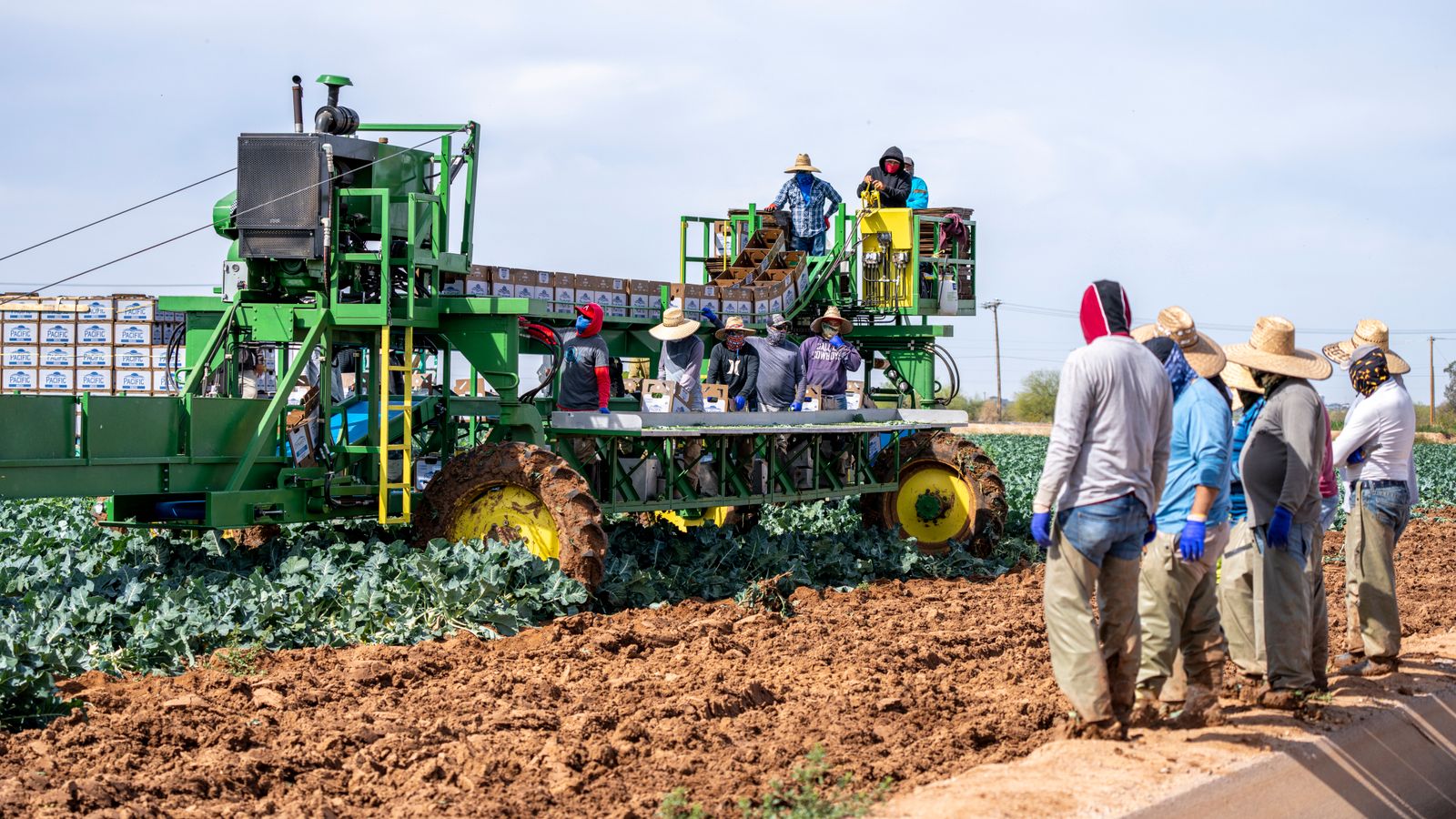
Farm workers use a combine harvester for harvesting crops on a sunny day.
Early Contracts Now Standard Practice
Growers are signing seasonal trim teams in June and July for October harvests, a practice nearly unheard of two years ago. The early lockdown reflects tighter labor markets in legacy cultivation states. What used to be a late-August scramble? Now it's a midsummer bidding war.
California MSOs report offering 15-20% wage premiums to secure crews before competitors do. Michigan facilities are guaranteeing minimum hours and housing stipends. The math is simple: miss your harvest window because you can't staff the floor, and you're looking at product loss that dwarfs any wage premium.
Smaller operators without HR infrastructure are getting squeezed hardest. They're the last to hire. They're also the first to lose workers when a bigger facility offers $2 more per hour.
Why the Worker Pool Is Shrinking
Three factors are driving the crunch: federal immigration enforcement, interstate labor migration to higher-wage markets, and the industry's own professionalization. Experienced trimmers—workers who can process 1.5-2 pounds per hour without damaging trichomes—are moving to states with better pay and year-round opportunities.
Oregon saw net outmigration of seasonal ag labor in 2025, according to state workforce data. California's Central Valley competes directly with cannabis for the same workers during fall harvest, and timing is everything: grape harvest, almond harvest, and cannabis harvest all peak in September and October.
Federal enforcement tightened visa pathways for seasonal H-2A workers in cannabis, even in legal states. The crop remains federally illegal, so no H-2A visas. That closes off the labor channel most ag sectors rely on.
Wage Pressure and Operational Impact
Trim labor costs are up 18-25% year-over-year in California and Michigan, with some facilities paying $22-$28 per hour for lead trimmers. Entry-level hand trim starts at $18-$20 in competitive markets, compared to $15-$16 two years ago. Facilities are also covering transportation, housing, and bonuses for workers who complete the full harvest cycle without quitting mid-run.
Vertically integrated MSOs can absorb the cost pressure across retail margins. It's brutal for cultivation-only operators selling wholesale into a market where flower prices dropped 30% in the past 18 months. You're paying more for labor to harvest a product worth less per pound.
What Growers Are Watching
Automation is the long-term answer, but most trimming machines still can't match human hand quality for top-shelf flower. Facilities are testing hybrid models: machine rough-trim, human finish-trim. That cuts labor hours by 40-50% but requires upfront capex most small growers don't have.
For more on how labor economics are reshaping cultivation strategy, see the CannIntel topic hub on cannabis harvest labor. Next pressure point: states like New York and New Jersey ramp licensed cultivation in 2027, pulling even more workers eastward. Growers who haven't locked crews by midsummer 2027 may not harvest on time.
Sources
The cannabis newsletter you forward to your team.
Federal policy, market data, grower alerts, and the one story that matters today. Sent every weekday at 7am. Free.
No spam. Unsubscribe with one click. 21+ only.
Related from Grow
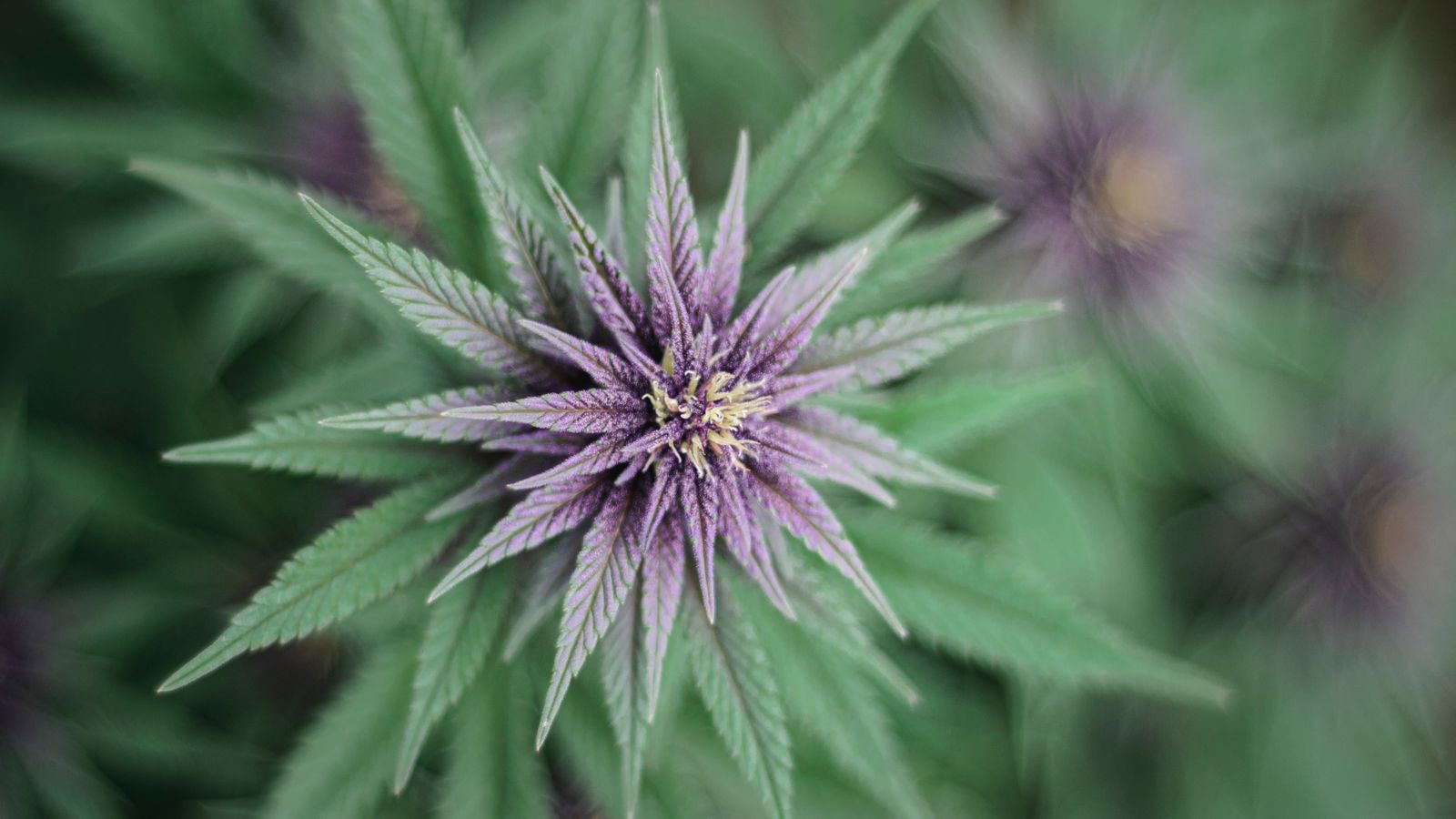
Purple Cannabis Cultivars Signal Flavonoid-Rich Chemotypes Growers Overlook
Anthocyanin pigments in purple flower correlate with measurable shifts in patient-reported effects, yet most cultivators still breed for THC alone.
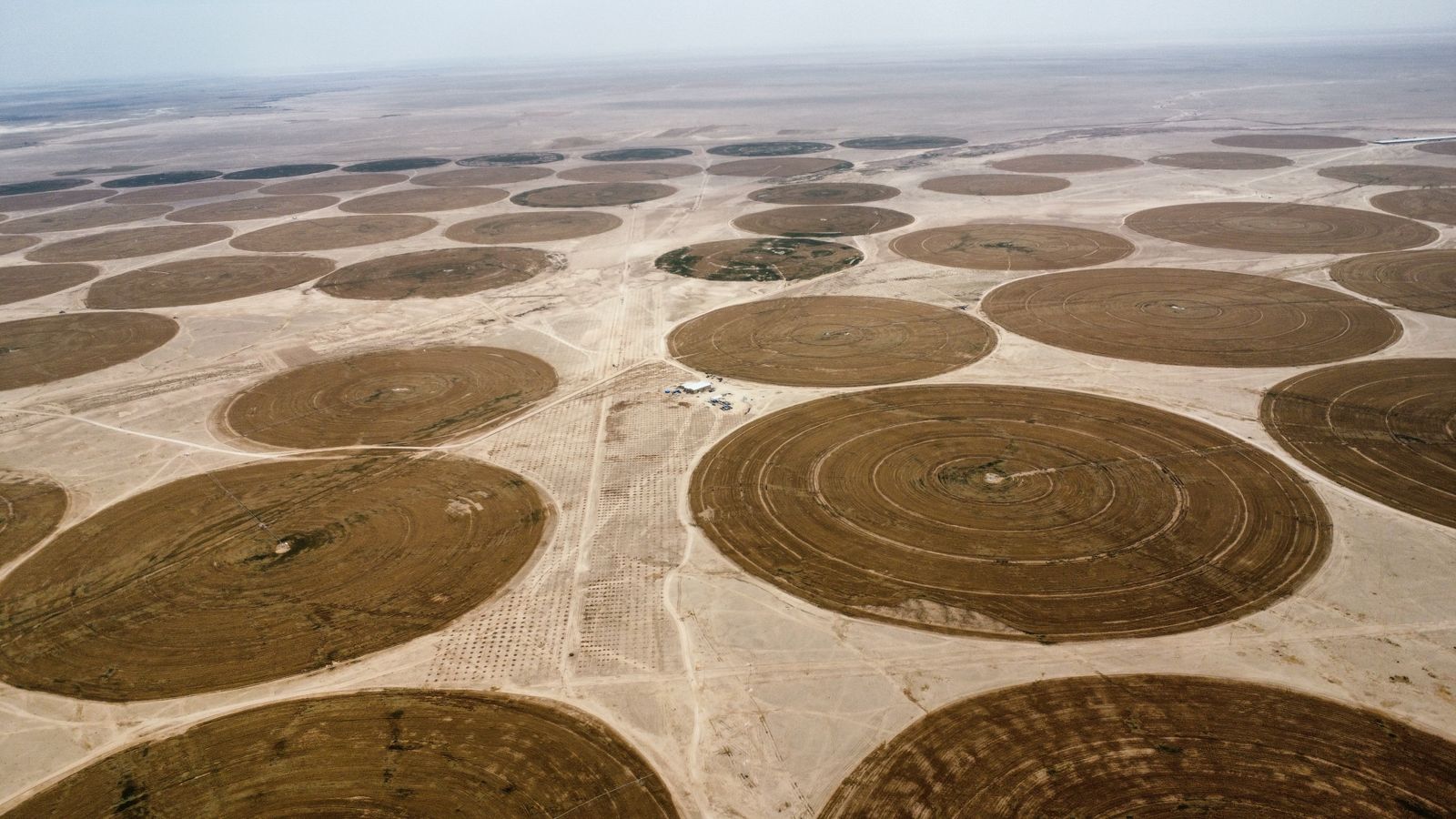
Moderate Drought Cuts Cannabis Water Use Without Yield Loss, Study Finds
New research shows controlled water stress can slash irrigation needs while preserving flower weight and CBD content in hemp.

Terpene Testing Labs Miss Key Flavor Compounds, Report Finds
Standard COA panels measure 20-40 terpenes but omit hundreds of volatile compounds that define strain character.
More from the newsroom

Trump-Linked PAC Uses Cannabis Donations for Anti-Legalization GOP Lawmakers
A Trump-affiliated political action committee is spending marijuana industry money to support Republican candidates who voted against federal cannabis reform.

Hawaiʻi Bans Intoxicating Hemp Products Statewide
State officials ordered immediate removal of all hemp-derived THC products from retail shelves effective September 14.

House Bill Directs HHS to Track Cannabis Testing in Hospital ERs
Legislation mandates federal study of marijuana, fentanyl, and other drug screening prevalence in emergency departments nationwide.