Terpene Testing Labs Miss Key Flavor Compounds, Report Finds
Standard COA panels measure 20-40 terpenes but omit hundreds of volatile compounds that define strain character.

Close-up of scientist pouring liquid in laboratory experiment, wearing gloves.
Standard Panels Capture Less Than 10% of Flavor Chemistry
Most state-mandated terpene panels test for 20 to 40 compounds, but cannabis flower produces 200 to 400 volatile organic compounds that contribute to sensory experience. The standard panel includes myrcene, limonene, caryophyllene, and pinene—the abundant terpenes that make up 60-80% of total terpene mass. It misses trace volatiles like esters, aldehydes, and thiols that deliver the fruit, gas, and funk notes consumers chase.
Labs don't test for these compounds because state compliance frameworks don't require them and the reference standards are expensive. What you're paying $50-80 per sample for? A compliance checkbox, not a flavor map.
What's Missing From the COA
The compounds labs skip include esters responsible for tropical fruit notes, aldehydes that create citrus and green aromas, and sulfur compounds that deliver the garlic and onion funk in strains like GMO and Chemdog. These molecules are present at parts-per-million or parts-per-billion levels but punch above their weight in sensory impact.
- Esters: Ethyl butyrate (pineapple), methyl anthranilate (grape)
- Aldehydes: Hexanal (cut grass), decanal (orange peel)
- Thiols: 3-mercaptohexanol (grapefruit), methanethiol (sulfur/gas)
- Ketones: Beta-ionone (violet), nootkatone (grapefruit rind)
Two Wedding Cake phenos can show identical myrcene and limonene numbers yet taste completely different because one has twice the ethyl butyrate. The COA won't tell you.
Why Labs Don't Test for Trace Volatiles
Expanding terpene panels costs labs $5,000 to $15,000 in new reference standards and method validation, and most state regulators don't require it. Gas chromatography-mass spectrometry (GC-MS) can detect these compounds, but labs need certified reference standards for each analyte to quantify it accurately. A single vial of a rare thiol standard can run $800.
The business case isn't there. Compliance testing is a volume game with razor-thin margins, and labs that offer expanded panels charge $150-300 per sample—three times the standard rate. Most cultivators won't pay it unless a buyer demands the data.
What Growers Can Do Without Full Panels
Sensory evaluation and in-house GC-MS screening offer practical workarounds until expanded testing becomes standard. Train your team to nose every harvest lot and log descriptors. Run pheno-hunts with consumer panels, not just potency chasing. If you're vertically integrated or processing concentrates, invest in a benchtop GC-MS unit ($40,000-60,000) and build your own reference library.
The math is simple. Running 500 pounds a year through a $200 expanded terpene panel means you're spending $100,000 on data. A GC-MS unit pays for itself in 12-18 months and gives you real-time feedback during the grow cycle, not three days after harvest.
The Path to Better Standards
Industry groups and research labs are pushing for expanded terpene panels, but regulatory adoption lags by 2-4 years. For full background on this issue, see the CannIntel topic hub on terpene testing standards. California's Department of Cannabis Control and Oregon's Liquor and Cannabis Commission have both received petitions to expand mandatory analyte lists. Neither has moved past the comment period.
Watch California's next NPRM cycle in Q4 2026. If DCC adds even 10 compounds to the mandatory panel, the testing infrastructure will follow within 18 months.
Sources
The cannabis newsletter you forward to your team.
Federal policy, market data, grower alerts, and the one story that matters today. Sent every weekday at 7am. Free.
No spam. Unsubscribe with one click. 21+ only.
Related from Grow
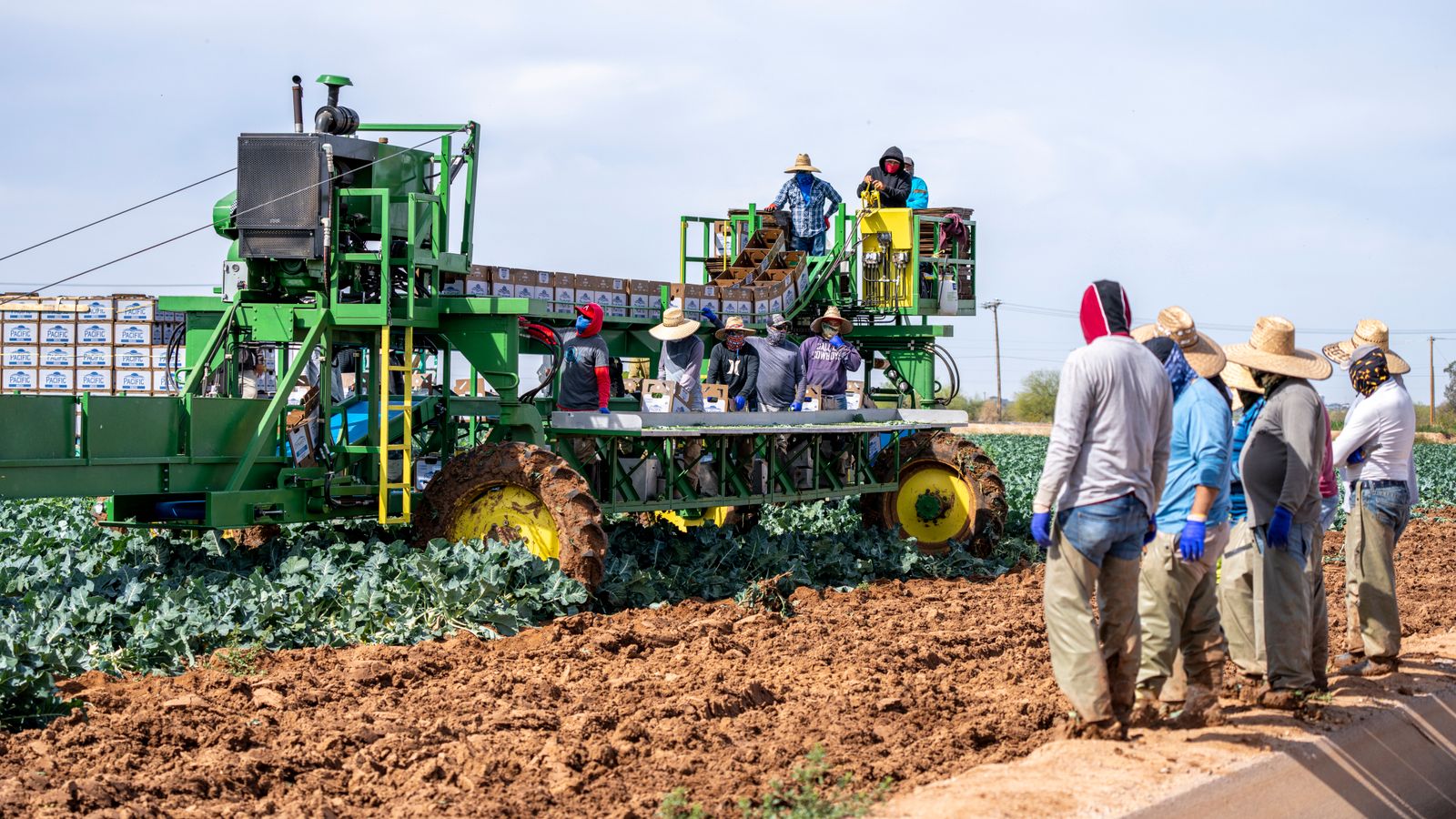
Cannabis Growers Lock Harvest Labor Months Early as Worker Shortage Deepens
Cultivators are signing seasonal trim crews in June and July—four months ahead of October harvest—as competition for experienced hands intensifies across major markets.
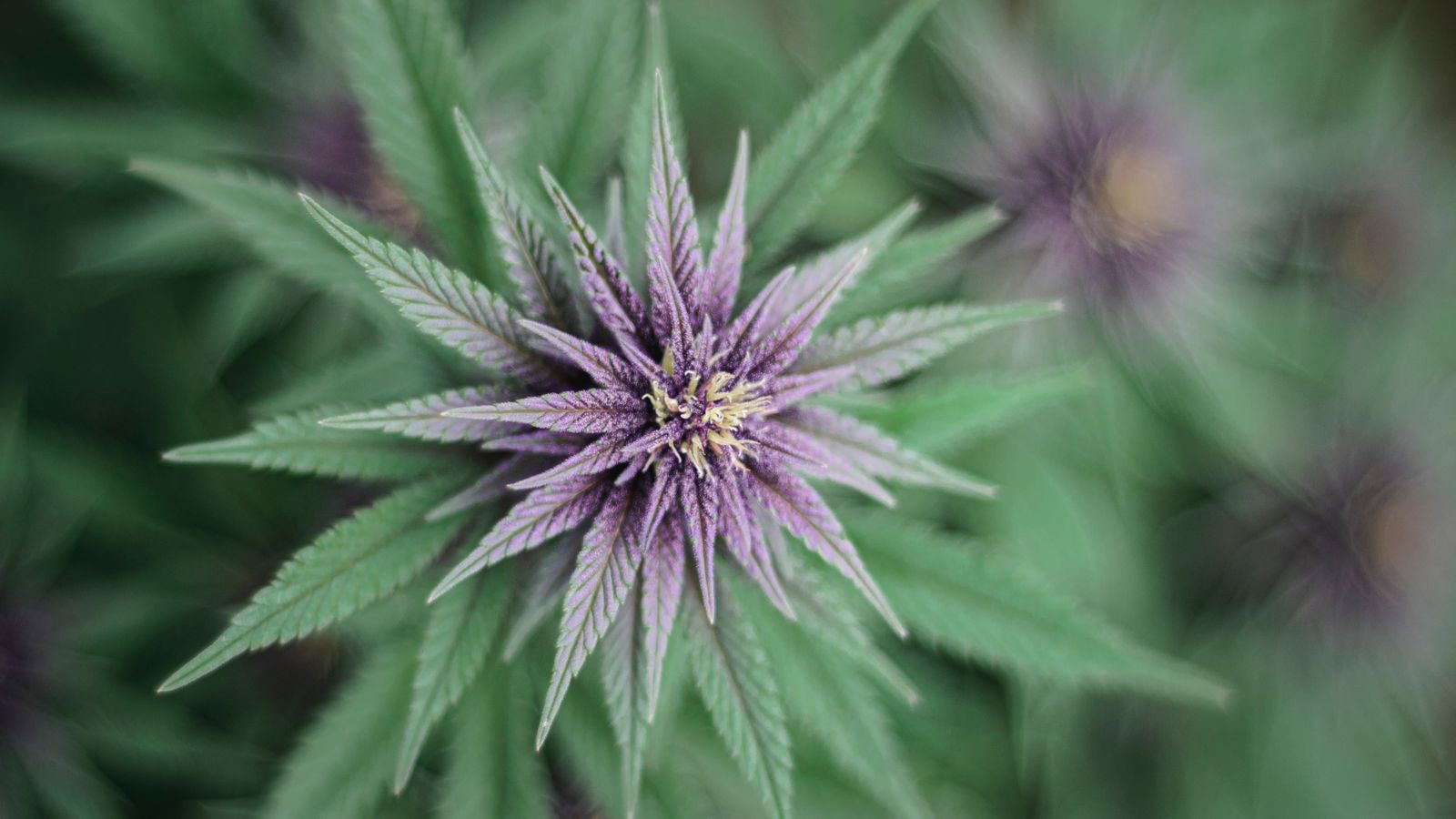
Purple Cannabis Cultivars Signal Flavonoid-Rich Chemotypes Growers Overlook
Anthocyanin pigments in purple flower correlate with measurable shifts in patient-reported effects, yet most cultivators still breed for THC alone.
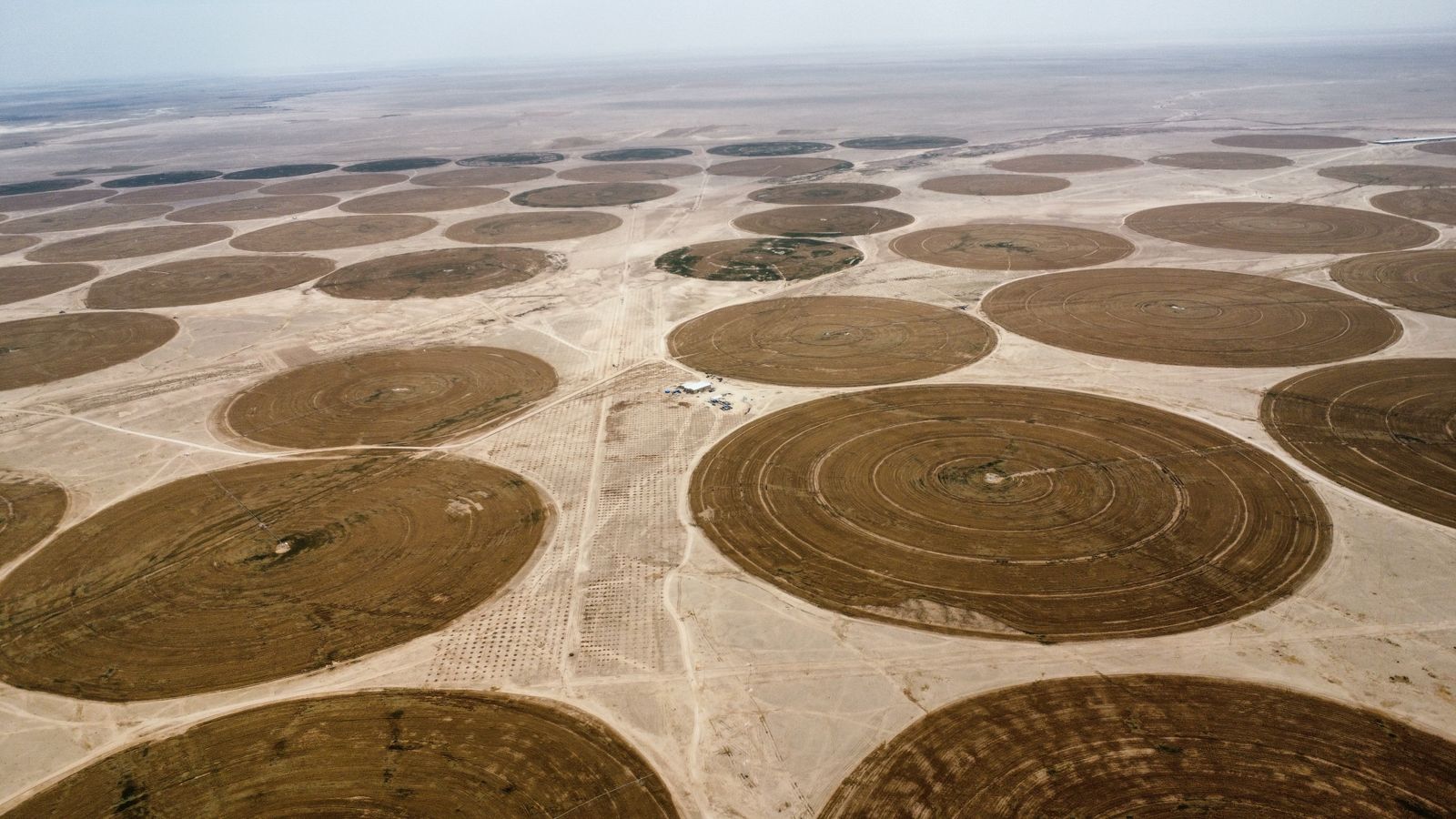
Moderate Drought Cuts Cannabis Water Use Without Yield Loss, Study Finds
New research shows controlled water stress can slash irrigation needs while preserving flower weight and CBD content in hemp.
More from the newsroom

Indigenous Cannabis Operators Challenge Ottawa Closure Orders
Shop owners cite treaty rights and sovereignty as city moves to shutter unlicensed dispensaries.

FDA Officials Outline Framework to Expedite Psychedelic Therapies
Four FDA staffers detail new regulatory pathway designed to accelerate patient access amid mental health crisis.

Village Farms Appoints Deepak Anand to Lead Global Government Affairs
Multi-state operator taps former Ontario MPP to navigate cross-border cannabis policy as regulatory fragmentation intensifies.