Antigua and Barbuda Launches Cannabis Tourism as Sovereignty Play
Twin-island nation positions legal cannabis as cultural attraction and economic independence tool, targeting high-spending wellness tourists.
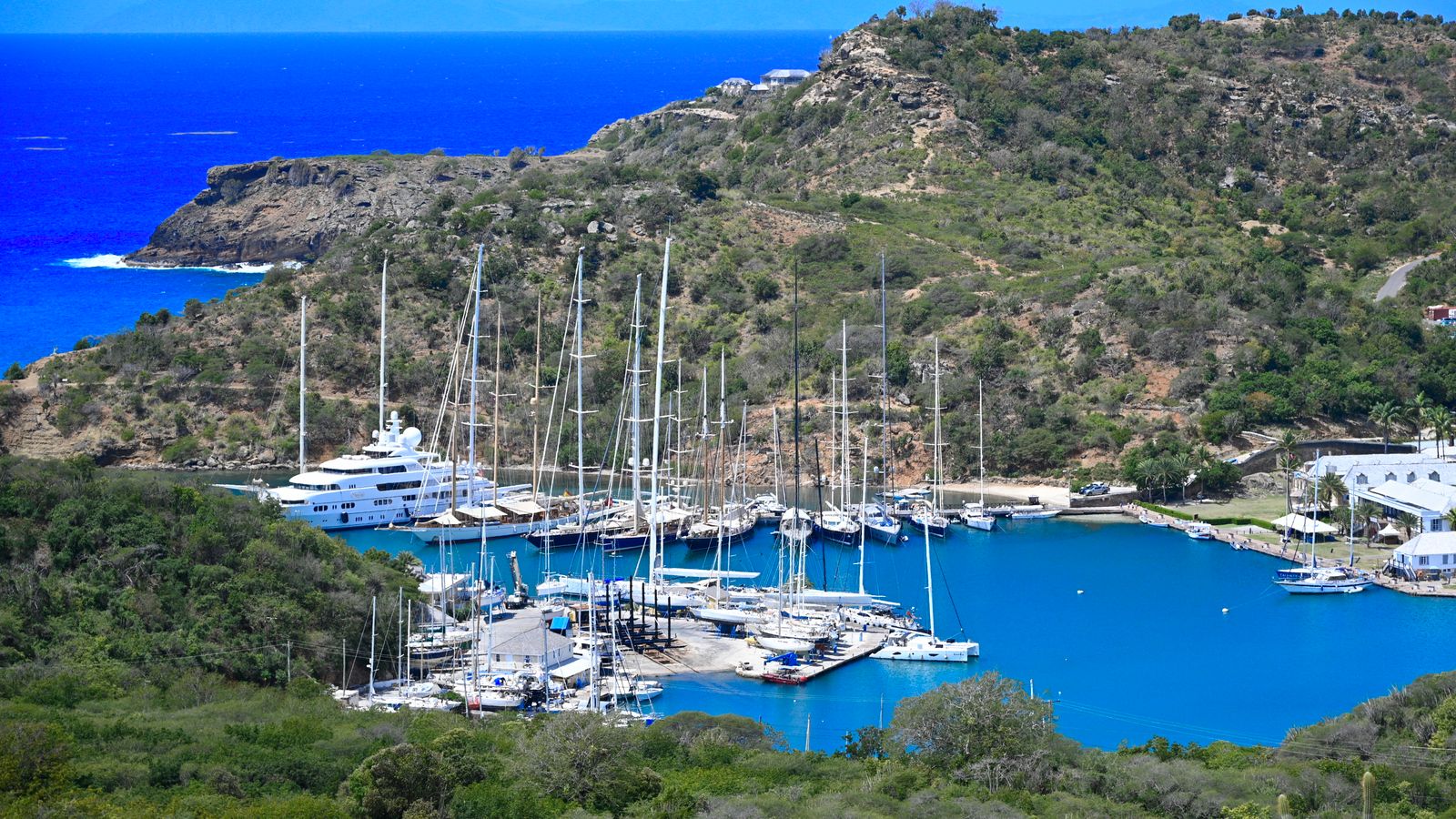
Stunning aerial view of a serene harbor with moored yachts, surrounded by lush hills and vibrant blue water.
Tourism Model Ties Cannabis to Cultural Identity
Antigua and Barbuda's cannabis tourism framework explicitly links the plant to Afro-Caribbean heritage and post-colonial economic independence. The government's 2026 tourism campaign markets cannabis experiences alongside rum distilleries and sailing excursions, framing cultivation tours and consumption lounges as authentic cultural encounters rather than vice tourism. Minister of Tourism Charles Fernandez told local media the strategy targets "conscious travelers" willing to spend premium rates for farm-to-table cannabis dining and heritage education.
The approach contrasts sharply with Jamaica's medical-only tourist model. Antigua's framework allows visitors over 18 to purchase up to 15 grams from licensed dispensaries without a medical card, and permits on-site consumption at designated resorts and lounges. Three licensed farms now offer cultivation tours with tasting sessions, modeled on Napa Valley wine country.
Sovereignty Framing Anchors Policy Rationale
Government officials describe cannabis legalization as an economic sovereignty move, reducing dependence on cruise-ship tourism and foreign hotel chains. Prime Minister Gaston Browne's administration projects cannabis tourism could generate $40 million annually by 2028, diversifying revenue streams beyond the traditional all-inclusive resort model that sends most profits offshore.
The policy positions cannabis as a tool for retaining tourism dollars within the local economy, with cultivation, processing, and retail licenses reserved exclusively for Antiguans and Barbudans.
The sovereignty rhetoric resonates in a region still navigating post-colonial economic structures. Antigua aims to avoid the pattern seen in U.S. states where multi-state operators dominate legal markets. It's doing so by restricting licenses to nationals and requiring foreign investors to partner with local majority owners.
Infrastructure Buildout Targets Wellness Travelers
Four resorts have secured cannabis-friendly designations, and two standalone consumption lounges opened in St. John's in May 2026. The lounges feature locally grown flower, pre-rolls, and infused beverages, with pricing set 30-40% above U.S. dispensary rates to capture high-margin tourist spending. One lounge, Canopy Antigua, offers pairing menus that match strains with Caribbean cuisine: jerk chicken with a myrcene-rich indica, grilled mahi with a limonene-forward sativa.
Resort packages bundle cannabis experiences with yoga retreats, snorkeling, and spa services. Rates run $2,500-$4,000 per week. That positions the product well above budget beach vacations. Early booking data suggests strong interest from U.S. and Canadian wellness travelers, particularly women 35-55.
Regulatory Framework Balances Access and Control
The Cannabis Licensing Authority issues five license types: cultivation, processing, retail, consumption lounge, and tour operator. All require Antiguan or Barbudan citizenship or permanent residency for majority ownership. The cultivation cap sits at 10,000 square feet per license to prevent corporate consolidation. The retail cap limits any single operator to two dispensary locations.
Tourists face no purchase limits beyond the 15-gram possession cap, but export remains prohibited. The framework includes strict packaging and labeling requirements, THC testing, and pesticide screening—standards modeled on Canada's federal system rather than the looser Caribbean medical programs.
Regional Competition and Differentiation Strategy
Antigua's fully legal tourist model differentiates it from Jamaica's medical-only framework and Saint Kitts and Nevis's cultivation-export focus. Jamaica allows tourists to obtain temporary medical cards for dispensary access, but the process requires a physician consultation and limits purchases. Antigua eliminates that friction, betting that ease of access will drive destination choice among cannabis-curious travelers.
For broader context on how Caribbean nations are positioning cannabis within tourism strategies, see the CannIntel topic hub on Caribbean cannabis tourism.
Saint Kitts and Nevis has prioritized cultivation for export to Canada and Europe over domestic tourism. That leaves Antigua with a clearer lane in the visitor market. Barbados is watching closely; officials there have signaled interest in a similar tourism model if Antigua's experiment proves financially viable.
Frequently asked questions
Can tourists buy cannabis in Antigua and Barbuda without a medical card?
Yes. Visitors 18 and older can purchase up to 15 grams from licensed dispensaries without a medical recommendation. On-site consumption is permitted at designated resorts and lounges, but export is prohibited.
How does Antigua's cannabis tourism model differ from Jamaica's?
Antigua allows direct retail purchases by tourists, while Jamaica requires visitors to obtain a temporary medical card through a physician consultation. Antigua's framework eliminates that access barrier and permits recreational consumption at licensed venues.
Who can obtain a cannabis business license in Antigua and Barbuda?
Only Antiguan and Barbudan citizens or permanent residents can hold majority ownership in cannabis licenses. Foreign investors must partner with local majority owners. Cultivation licenses are capped at 10,000 square feet per operator.
What is the economic rationale behind Antigua's cannabis tourism push?
The government frames cannabis tourism as an economic sovereignty tool, aiming to retain tourism revenue within the local economy rather than sending profits to foreign hotel chains. Projected annual revenue is $40 million by 2028.
What types of cannabis experiences are available to tourists in Antigua?
Tourists can visit licensed dispensaries, consumption lounges with strain-pairing menus, and cultivation farms offering tours and tastings. Resort packages bundle cannabis with wellness activities like yoga and spa treatments, priced at $2,500-$4,000 per week.
Sources
The cannabis newsletter you forward to your team.
Federal policy, market data, grower alerts, and the one story that matters today. Sent every weekday at 7am. Free.
No spam. Unsubscribe with one click. 21+ only.
Related from Culture

Mobb Deep's Havoc Opens Queens Dispensary With Hip-Hop Lineup
The Queensbridge MC launches a licensed shop in his home borough with The Alchemist, Funk Flex, and Kid Capri on deck.

WNBA Removes Marijuana From Banned Substances List, Sets CBD Rules
The league's new policy allows hemp CBD endorsements and ends cannabis testing for players effective immediately.

How 'Marijuana' Became a Racialized Weapon in U.S. Cannabis Prohibition
The shift from 'cannabis' to 'marijuana' in early 20th-century America weaponized language to justify racist drug enforcement that persists today.
More from the newsroom
Virginia Gov. Spanberger Vetoes Adult-Use Cannabis Sales Bill
Governor blocks legislation that would have authorized retail cannabis sales five years after possession was legalized.

Virginia Governor Vetoes Retail Cannabis Bill for Second Straight Year
Gov. Glenn Youngkin blocks legislation that would have launched adult-use sales, leaving Virginia's legal home-grow market without retail access.

Indiana AG Rokita Files Brief to Block DEA Marijuana Rescheduling
Todd Rokita joins multistate coalition urging federal court to halt cannabis move to Schedule III.