WNBA Removes Marijuana From Banned Substances List, Sets CBD Rules
The league's new policy allows hemp CBD endorsements and ends cannabis testing for players effective immediately.
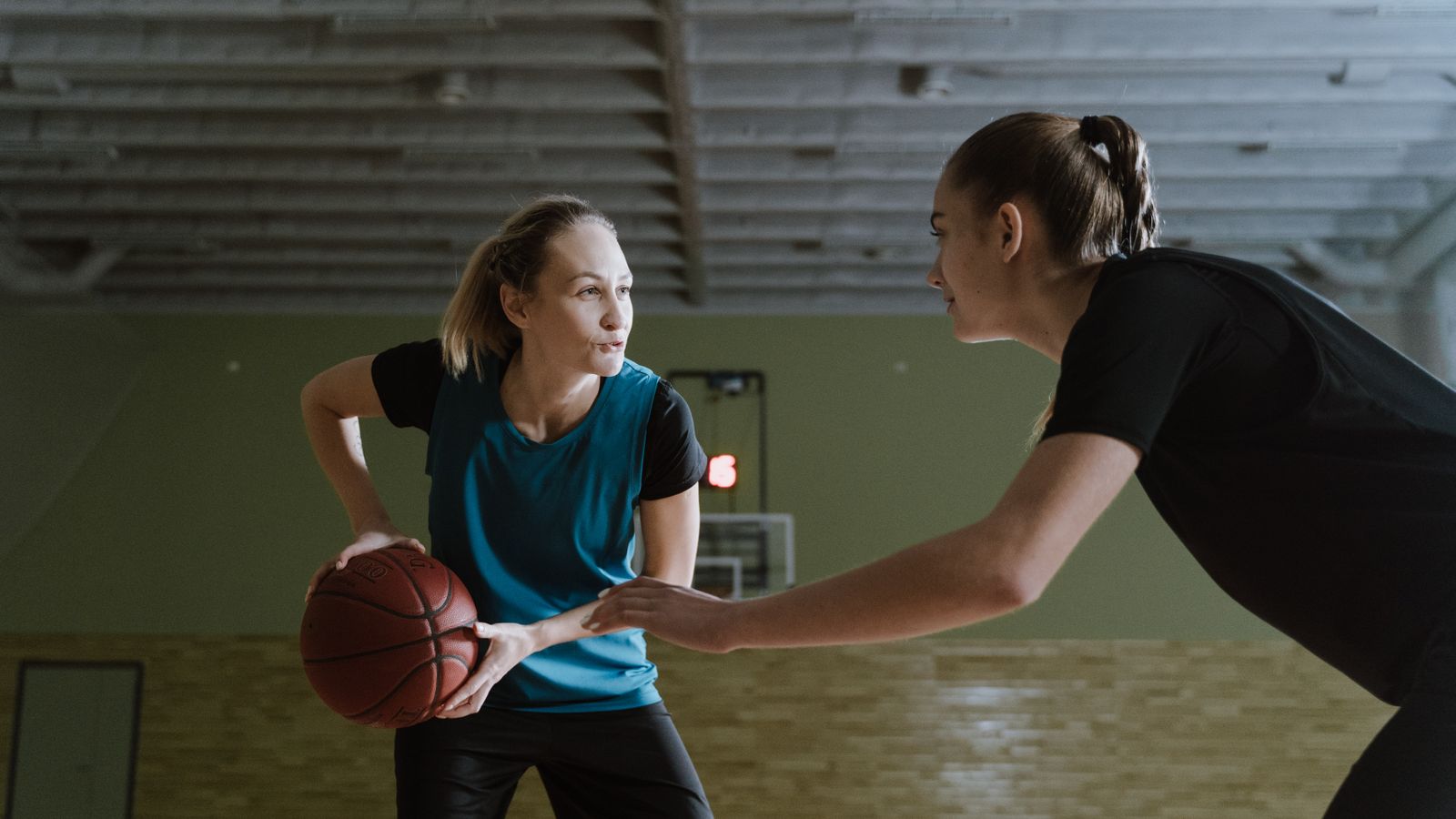
Two women athletes engage in a competitive basketball game indoors.
Policy Takes Effect Immediately Across All WNBA Rosters
The WNBA's updated Anti-Drug Program eliminates cannabis from prohibited substances and discontinues random THC testing for all 144 roster players across the league's twelve franchises. Announced June 4, the policy revision aligns the WNBA with the NBA's 2020 decision to suspend marijuana testing during the pandemic bubble—a suspension the men's league never reinstated. Players won't face fines, suspensions, or mandatory counseling for cannabis use during the season or offseason.
Ten of the league's twelve markets have legalized adult-use cannabis, including New York, California, and Washington. Only Indiana and Texas maintain full prohibition. That patchwork created a compliance burden the old policy couldn't resolve.
League spokesperson Dara Richardson said the update "reflects evolving science on cannabis and athlete wellness" and removes a testing protocol that had become "unworkable" given state-level legalization trends. Testing continues for performance-enhancing drugs and substances banned by the World Anti-Doping Agency.
Hemp CBD Endorsements Permitted Under Federal Compliance Framework
Players may now endorse hemp-derived CBD products containing less than 0.3% THC, the federal threshold established by the 2018 Farm Bill, according to the league's revised marketing guidelines. Endorsement contracts must include third-party lab verification proving THC levels remain below the legal cap. Products marketed as dietary supplements, topicals, or wellness aids qualify. Smokable hemp flower and vaporizer cartridges don't.
Players can't endorse THC products, marijuana dispensaries, or brands operating under state cannabis licenses. The restriction keeps the WNBA compliant with federal law and protects broadcast partnerships with networks that prohibit Schedule I drug advertising. ESPN and CBS Sports both maintain cannabis advertising bans despite state-level reforms.
Several players have already expressed interest. Phoenix Mercury forward Skylar Mays, who's spoken publicly about using CBD for post-game recovery, told reporters the change "opens doors we've wanted open for years." Las Vegas Aces guard Kelsey Plum, a vocal advocate for plant-based wellness, is reportedly in talks with a Colorado-based CBD topicals brand.
WNBA Joins Growing List of Leagues Abandoning Cannabis Penalties
The policy shift places the WNBA alongside the NBA, NHL, and Major League Baseball, all of which have eliminated or suspended marijuana testing since 2020. The NFL reduced penalties in 2020 and raised its THC testing threshold, though it still fines players for positive tests. Only the NCAA maintains a full cannabis ban with season-ending penalties for athletes who test positive during championship events.
What the WNBA did goes further than its male counterpart's approach. While the NBA suspended testing, it never formally removed cannabis from its banned list, leaving the door open for future enforcement. The WNBA's language is unambiguous: marijuana is no longer a prohibited substance under any circumstance. That distinction matters for players negotiating contracts and for teams recruiting internationally, where cannabis stigma remains stronger.
For context on how cannabis policy is shifting across professional sports, see the CannIntel topic hub on cannabis and sports policy.
Player Advocates Credit Equity and Wellness Movements for Change
WNBA Players Association leadership framed the policy as both a health decision and a racial justice issue, noting that Black players—who comprise over 70% of the league—have faced disproportionate penalties under legacy drug-testing regimes. Executive Director Terri Jackson said the old policy "punished players for legal behavior in their home states" and perpetuated "outdated stereotypes about cannabis users."
Years of quiet lobbying by the Players Association preceded the league's decision. A 2024 member survey found that 62% supported removing cannabis from the banned list. Many players reported using cannabis for pain management, sleep support, and anxiety relief during the compressed WNBA season, which runs May through October with minimal rest between games.
Advocates also pointed to the wellness gap. Male athletes in the NBA have accessed cannabis without penalty since 2020, while WNBA players risked suspension for identical behavior. That disparity became a rallying point during collective bargaining talks in 2025, when the Players Association pushed for parity on everything from salaries to substance policies.
CBD Market Poised to Court Female Athletes After Policy Shift
Hemp CBD brands targeting women's wellness and athletic recovery are expected to pursue WNBA endorsement deals aggressively, with industry analysts projecting seven-figure contracts for marquee stars by the 2027 season. The league's demographic—65% of WNBA viewers are women, and the median age is 37—aligns tightly with the core CBD consumer base. Player partnerships offer brands credibility in the women's wellness space they couldn't access before.
Charlotte's Web, cbdMD, and Medterra have all launched women-focused product lines in the past two years, emphasizing hormone balance, menstrual relief, and post-workout recovery. None have secured a professional athlete endorser in women's sports until now. Expect that to change quickly. The WNBA's policy gives brands a compliant, high-visibility platform that the NCAA and Olympic sports still prohibit.
One wrinkle exists. Players must handle a complex verification process—the league requires brands to submit Certificates of Analysis from ISO-accredited labs for every product batch an athlete endorses. If a COA shows THC above 0.3%, the endorsement deal is void, and the player faces league discipline. That standard is stricter than most state hemp regulations, which allow 0.5% to 1% variance.
What Comes Next: State Conflicts and International Play
The policy will face its first operational test in Indiana, where the Fever play home games in a state with no legal cannabis market and where possession of any amount remains a misdemeanor. Players won't be tested or penalized by the league, but local law enforcement retains full authority. The Fever's front office has reportedly briefed players on Indiana's laws and advised caution when traveling to and from the arena.
International play poses another variable. WNBA players routinely compete overseas during the offseason, and many foreign leagues still test for cannabis. The WNBA's policy doesn't shield players from FIBA rules or from club contracts in Russia, Turkey, or China, where penalties remain severe. Players will need to track multiple regimes depending on where they're earning a paycheck.
Annual policy reviews are planned. The league has committed to revisiting the policy each year and adjusting endorsement guidelines as federal law evolves. If Congress passes rescheduling legislation or the SAFER Banking Act, the WNBA could expand permissible partnerships to include state-licensed cannabis brands. For now, the line is drawn at federally legal hemp.
Frequently asked questions
Can WNBA players endorse marijuana dispensaries or THC products?
No. Players may only endorse hemp-derived CBD products containing less than 0.3% THC, the federal legal threshold. Endorsements of THC products, dispensaries, or state-licensed cannabis brands are prohibited to maintain federal compliance and protect broadcast partnerships.
Does the policy apply to players in states where cannabis is still illegal?
Yes. The WNBA will not test or penalize players for cannabis use regardless of state law. However, players remain subject to local criminal statutes. Indiana Fever players, for example, could face state charges despite league policy changes.
What happens if a CBD product a player endorses tests above 0.3% THC?
The endorsement contract is voided, and the player faces league discipline. The WNBA requires brands to submit ISO-accredited lab Certificates of Analysis for every product batch, with stricter variance tolerances than most state hemp regulations allow.
How does this affect players competing in international leagues during the offseason?
The WNBA policy does not shield players from foreign league rules or FIBA regulations. Many overseas clubs still test for cannabis and impose penalties. Players must track multiple drug policies depending on where they compete.
Sources
The cannabis newsletter you forward to your team.
Federal policy, market data, grower alerts, and the one story that matters today. Sent every weekday at 7am. Free.
No spam. Unsubscribe with one click. 21+ only.
Related from Culture

How 'Marijuana' Became a Racialized Weapon in U.S. Cannabis Prohibition
The shift from 'cannabis' to 'marijuana' in early 20th-century America weaponized language to justify racist drug enforcement that persists today.

Antigua and Barbuda Launches Cannabis Tourism as Sovereignty Play
Twin-island nation positions legal cannabis as cultural attraction and economic independence tool, targeting high-spending wellness tourists.

Tyler Cowen Calls Legal Cannabis 'a Mistake We Had to Make'
The economist argues legalization was necessary despite rising public-health costs and underwhelming tax revenue.
More from the newsroom
Illinois Passes Hemp-THC Regulation, Raises Cannabis Possession Limits
State moves to ban intoxicating hemp products while loosening penalties for adult-use cannabis possession.

UCHealth Clarifies Federal Marijuana Guidelines for Research, Patients
Colorado health system issues guidance on new federal rules, emphasizing recreational cannabis remains illegal federally despite rescheduling.

Klutch Cannabis Acquires Columbus Recreational Dispensary, Sells Loudonville Store
Ohio MSO adds adult-use location in capital city while divesting rural medical-only site