Virginia Gov. Spanberger Vetoes Adult-Use Cannabis Sales Bill
Governor blocks legislation that would have authorized retail cannabis sales five years after possession was legalized.
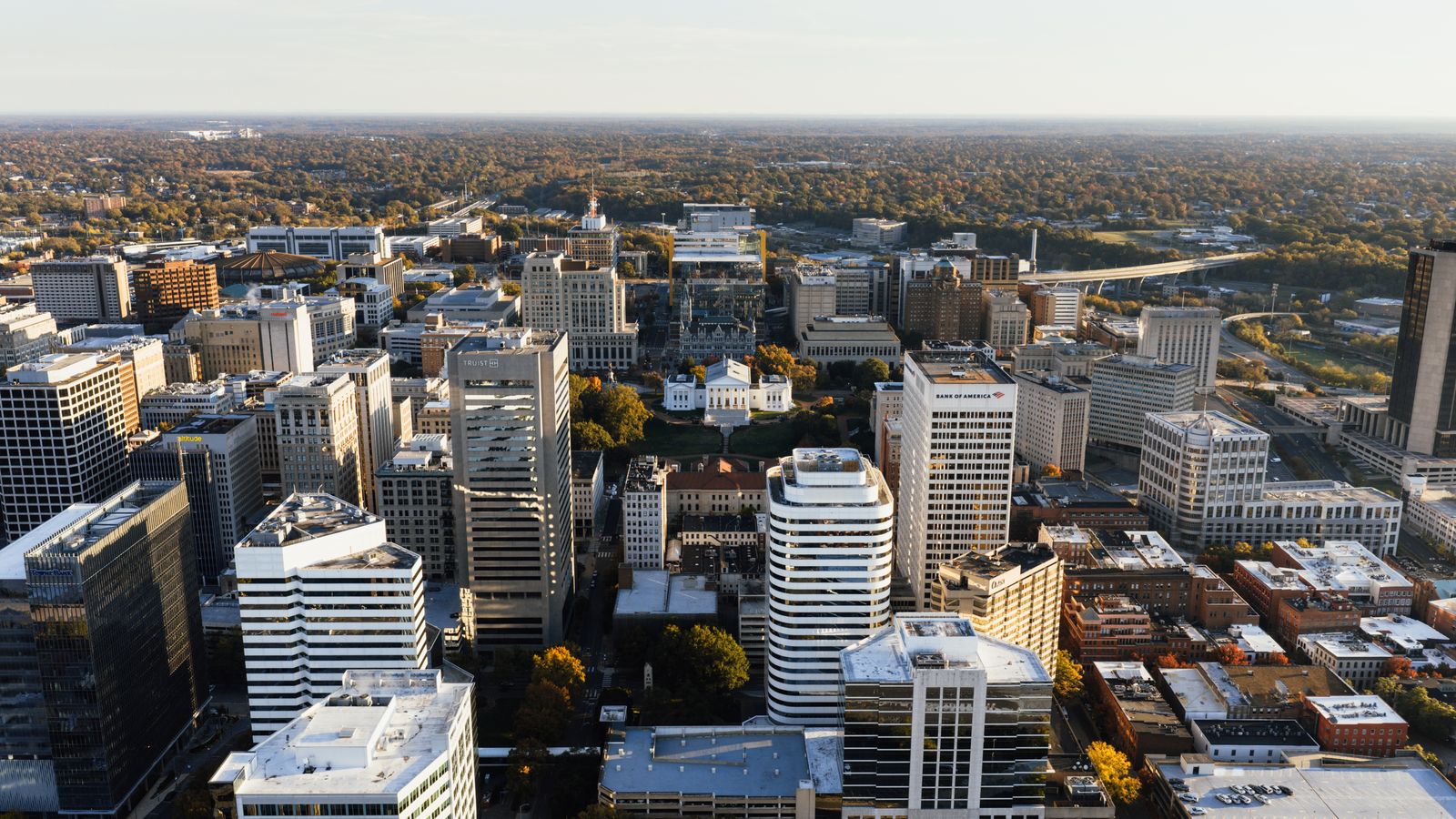
Aerial view of downtown Richmond, Virginia, capturing the city's skyline and architecture.
Governor Blocks Retail Framework After Five-Year Delay
Governor Spanberger issued her veto on June 4, citing concerns about implementation timelines and regulatory structure. The vetoed bill passed both chambers of the Virginia General Assembly in May 2026. It would've authorized the Virginia Cannabis Control Authority to begin licensing retail dispensaries by January 2027. Virginia legalized possession of up to one ounce of cannabis in July 2021 under legislation signed by then-Governor Ralph Northam. But the General Assembly has failed to pass enabling retail legislation in every subsequent session.
The veto message, released by the Governor's office, stated that the bill's regulatory framework didn't adequately address local control provisions and tax revenue distribution. Spanberger's office didn't specify whether she'd support amended legislation in a future session.
Virginia's Unique Legal Limbo
Virginia remains the only U.S. jurisdiction where adult cannabis possession is legal but no legal retail market exists. Since July 2021, Virginians age 21 and older have been permitted to possess up to one ounce and cultivate up to four plants for personal use. No legal way to buy it, though. Consumers must rely on home cultivation or illicit markets.
The vetoed legislation would have created a dual-license structure: medical dispensaries operated by existing pharmaceutical processors, and standalone adult-use retailers licensed through a competitive application process. Social-equity applicants got priority. The bill allocated 30% of retail licenses to residents of communities with cannabis-arrest rates exceeding the state average between 2010 and 2020.
Legislative Path and Vote Margins
The bill passed the House of Delegates 56-44 on May 12 and the Senate 21-19 on May 18. The narrow Senate margin reflected opposition from rural-district Republicans and three Democratic defections. Delegate Eileen Filler-Corn, the bill's chief patron, argued that the legislation would generate an estimated $300 million in annual tax revenue by fiscal year 2029 and create approximately 11,000 jobs statewide.
Senator Amanda Chase, a vocal opponent, cited concerns about impaired driving and youth access. The bill included provisions requiring child-resistant packaging, a 21% excise tax, and mandatory testing for potency and contaminants.
Tax Revenue and Budget Implications
The legislation projected $75 million in first-year tax revenue, with 40% earmarked for K-12 education and 30% for substance-abuse treatment programs. The Virginia Joint Legislative Audit and Review Commission estimated that the state's illicit cannabis market generates approximately $500 million in annual sales. None of it taxed. Proponents argued that the retail framework would capture a significant share of that market while reducing enforcement costs.
Startup costs weren't trivial. The bill's fiscal note estimated $12 million for the Virginia Cannabis Control Authority, including hiring 45 full-time employees for licensing, compliance, and enforcement functions. Opponents questioned whether the Authority could stand up a functional regulatory system by the January 2027 target date.
Social Equity and Licensing Structure
The vetoed bill reserved 30% of retail licenses for social-equity applicants and included a $3 million grant program for technical assistance and startup capital. Eligibility criteria required applicants to demonstrate residence in a jurisdiction with cannabis-arrest rates at least 150% of the state average during the 2010-2020 period, or to have a cannabis-related conviction that would be eligible for expungement under the bill's automatic-expungement provisions.
Automatic expungement was built in. The legislation directed the Authority to expunge an estimated 200,000 misdemeanor cannabis-possession convictions recorded between 2000 and 2021, without requiring individuals to file petitions.
Local Control and Opt-Out Provisions
The bill allowed counties and municipalities to prohibit retail cannabis businesses through local ordinance, but didn't permit local taxation beyond the state excise tax. At least 22 Virginia localities, including Loudoun County and the cities of Virginia Beach and Chesapeake, had passed preemptive resolutions opposing cannabis retail establishments. The bill's local-control language was a key point of contention during floor debates, with some legislators arguing it didn't provide sufficient deference to local governments.
Governor Spanberger's veto message specifically cited the local-control provisions as inadequate, though she didn't propose alternative language. Advocates interpreted the veto as a signal that the Governor would require stronger opt-in mechanisms in future legislation.
Next Steps and Legislative Outlook
The General Assembly won't return to session until January 2027, making any override attempt or revised legislation unlikely before mid-2027 at the earliest. Virginia's constitution requires a two-thirds majority in both chambers to override a gubernatorial veto, a threshold the bill's sponsors acknowledge they can't meet. Delegate Filler-Corn stated that her caucus would work with the Governor's office to draft amended legislation for the 2027 session, but declined to specify which provisions would be revised.
For full background on this story, see the CannIntel topic hub on Virginia's adult-use cannabis program. The state's medical cannabis program, operational since 2020, remains unaffected by the veto. Virginia's Cannabis Control Authority continues to regulate five vertically integrated medical operators serving approximately 40,000 registered patients.
Frequently asked questions
Why did Governor Spanberger veto the cannabis retail bill?
The Governor's veto message cited inadequate local-control provisions and concerns about the regulatory implementation timeline. She didn't specify whether she'd support amended legislation in a future session.
Is cannabis possession still legal in Virginia?
Yes. Adults 21 and older can possess up to one ounce and cultivate up to four plants for personal use under the 2021 legalization law. The veto affects only retail sales, not possession or home cultivation.
When could Virginia authorize cannabis retail sales?
The earliest opportunity for revised legislation is the January 2027 General Assembly session. If passed, retail sales would likely begin no earlier than late 2027 or 2028, depending on regulatory timelines.
Can the General Assembly override the veto?
Override requires a two-thirds majority in both chambers. The bill passed the Senate 21-19, well short of the threshold. Sponsors haven't indicated plans for an override attempt.
How much tax revenue would the retail market have generated?
The legislation projected $75 million in first-year revenue and $300 million annually by fiscal year 2029, with 40% allocated to K-12 education and 30% to substance-abuse treatment.
Sources
The cannabis newsletter you forward to your team.
Federal policy, market data, grower alerts, and the one story that matters today. Sent every weekday at 7am. Free.
No spam. Unsubscribe with one click. 21+ only.
Related from Laws

Virginia Governor Vetoes Retail Cannabis Bill for Second Straight Year
Gov. Glenn Youngkin blocks legislation that would have launched adult-use sales, leaving Virginia's legal home-grow market without retail access.

Indiana AG Rokita Files Brief to Block DEA Marijuana Rescheduling
Todd Rokita joins multistate coalition urging federal court to halt cannabis move to Schedule III.

Alabama Medical Cannabis Sales Begin After Five-Year Delay
Authorized dispensaries opened June 4, 2026, marking the state's first legal patient access since the 2021 enabling statute.
More from the newsroom

Grow Tent vs Dedicated Room: Setup Costs and Yield Math
Tent or room? The answer depends on your plant count, power budget, and whether you can afford to lose a bedroom. Numbers that matter in 2026.

Mobb Deep's Havoc Opens Queens Dispensary With Hip-Hop Lineup
The Queensbridge MC launches a licensed shop in his home borough with The Alchemist, Funk Flex, and Kid Capri on deck.

Alabama Medical Cannabis Sales Begin After Years of Delays
Patients in Alabama can now purchase state-authorized medical cannabis products following a multi-year implementation period.