New Zealand Medicinal Cannabis Growers Form Export-Focused Trade Body
Industry group aims to position New Zealand producers for international markets as domestic demand remains constrained.

High-quality image of dense cannabis plants in full bloom with vibrant lush leaves.
New Trade Group Targets International Markets
New Zealand medicinal cannabis growers have formed an export-focused trade association to coordinate international market access as domestic sales stagnate. The organization, whose formation was confirmed May 24, 2026, represents a collective acknowledgment that New Zealand's tightly regulated domestic framework has constrained revenue growth for licensed cultivators.
The group's formation follows three years of subdued domestic sales since the 2020 Medicinal Cannabis Scheme took effect. Prescription volumes remain low compared to Australia's Therapeutic Goods Administration-approved pathway, which processes roughly 400,000 patient approvals annually versus New Zealand's estimated 8,000-12,000.
Domestic Market Constraints Drive Strategic Shift
New Zealand's medicinal cannabis market has been limited by prescription requirements and product costs that exceed neighboring Australia by 30-50%. The country's Ministry of Health maintains a restricted prescriber list and requires specialist sign-off for most cannabinoid products, creating friction that keeps patient numbers low.
Scale remains elusive for licensed producers. Domestic sales for the sector totaled an estimated NZ$18-22 million in 2025, according to industry estimates, while cultivation capacity built out for a larger market sits underutilized.
Export Pathway Relies on GMP Certification
New Zealand growers seeking export revenue must obtain Good Manufacturing Practice certification recognized by target jurisdictions, a process that typically requires 12-18 months and NZ$500,000-1.5 million in facility upgrades. The European Union's GMP standard, administered by national agencies like Germany's BfArM, is the most widely accepted credential for pharmaceutical-grade cannabis.
Australia's Office of Drug Control also accepts New Zealand GMP equivalents under mutual recognition agreements. That creates a natural first export target. Australia imported 4,200 kilograms of medicinal cannabis flower and extracts in 2025, primarily from Canada and Israel.
Competitive Landscape Includes Established Players
Competition is stiff. New Zealand producers face Canada's legacy exporters—Aurora, Tilray, Canopy Growth—and Australian MSOs like Cann Group and Little Green Pharma, all of which have multi-year head starts in European and Asia-Pacific distribution. Israel's Breath of Life and IMC Holdings dominate German pharmacy supply chains.
New Zealand's advantage lies in Southern Hemisphere seasonality and proximity to Australia, allowing counter-cyclical harvests and lower freight costs than Canadian shipments. The country's agricultural export infrastructure, honed through dairy and wine sectors, provides logistics scaffolding that cannabis producers can use.
Regulatory Hurdles Remain for Export Licensing
The Misuse of Drugs Act 1975 requires separate export permits for each shipment, issued by the Ministry of Health after verification of the destination country's import license. This batch-by-batch approval process adds 4-6 weeks to order fulfillment. Australian exporters avoid that friction under their streamlined Office of Drug Control system.
The new grower body has signaled it'll lobby for a standing export license framework similar to Australia's, which allows pre-approved exporters to ship on demand once an overseas purchase order and import permit are secured.
Market Access Strategy Focuses on Australia, Germany
Two markets dominate the trade group's initial focus: Australia and Germany, the largest accessible destinations for pharmaceutical-grade cannabis. Germany imported 26,000 kilograms in 2025, with demand projected to reach 40,000 kilograms by 2027 as the recreational legalization debate continues.
Australia represents a lower regulatory barrier, with mutual recognition of New Zealand's Medsafe standards allowing faster product registration through the Therapeutic Goods Administration's Special Access Scheme pathways. Several New Zealand cultivators have already begun TGA application processes for 2026 market entry.
Financial Viability Depends on Export Scale
Industry analysts estimate New Zealand producers need to capture 3-5% of Australia's import volume—roughly 150-200 kilograms annually—to reach break-even on GMP-certified facilities. At current wholesale prices of AU$8-12 per gram for pharmaceutical flower, that translates to AU$1.2-2.4 million in revenue per facility.
German market access changes the economics substantially. Wholesale prices for EU-GMP product range from €6-9 per gram there. A single 500-kilogram annual contract with a German distributor would generate €3-4.5 million, covering the capital costs of GMP certification within two years.
For comprehensive analysis of New Zealand's regulatory framework and market structure, see the CannIntel topic hub on New Zealand Medicinal Cannabis.
Frequently asked questions
What is the new New Zealand cannabis industry body focused on?
The trade group focuses on coordinating export market access for New Zealand medicinal cannabis producers, particularly targeting Australia and Germany. It aims to help growers navigate GMP certification requirements and lobby for streamlined export licensing similar to Australia's system.
Why are New Zealand cannabis producers targeting exports instead of domestic sales?
New Zealand's domestic medicinal cannabis market remains small due to restrictive prescription requirements and high product costs. The market generated only NZ$18-22 million in 2025 with 8,000-12,000 patients, compared to Australia's 400,000 patients, leaving cultivation capacity underutilized.
What regulatory requirements must New Zealand cannabis exporters meet?
Exporters need GMP certification recognized by target countries and must obtain individual export permits from the Ministry of Health for each shipment under the Misuse of Drugs Act 1975. The process adds 4-6 weeks per order, prompting calls for a standing export license framework.
How much export volume do New Zealand producers need to be profitable?
Industry analysts estimate producers need 150-200 kilograms of annual export volume to Australia (3-5% of its import market) to reach break-even on GMP facilities. A single 500-kilogram German contract at €6-9/gram would generate €3-4.5 million, covering GMP certification costs within two years.
What competitive advantages do New Zealand cannabis exporters have?
New Zealand's Southern Hemisphere growing season allows counter-cyclical harvests when Northern Hemisphere supply is low. Geographic proximity to Australia reduces freight costs compared to Canadian shipments, and the country's established agricultural export infrastructure supports logistics efficiency.
Sources
The cannabis newsletter you forward to your team.
Federal policy, market data, grower alerts, and the one story that matters today. Sent every weekday at 7am. Free.
No spam. Unsubscribe with one click. 21+ only.
Related from Business

MMJ International Rejects 'Anti-Marijuana' Label, Defends Pharma Standards
Australian cannabinoid pharmaceutical firm pushes back against critics as regulatory debate over medical cannabis quality intensifies.

Hytn Innovations Expands Pharma License, Adds Peptide Separation
Canadian cannabinoid producer secures regulatory approval to scale pharmaceutical-grade extraction and pursue peptide partnerships.
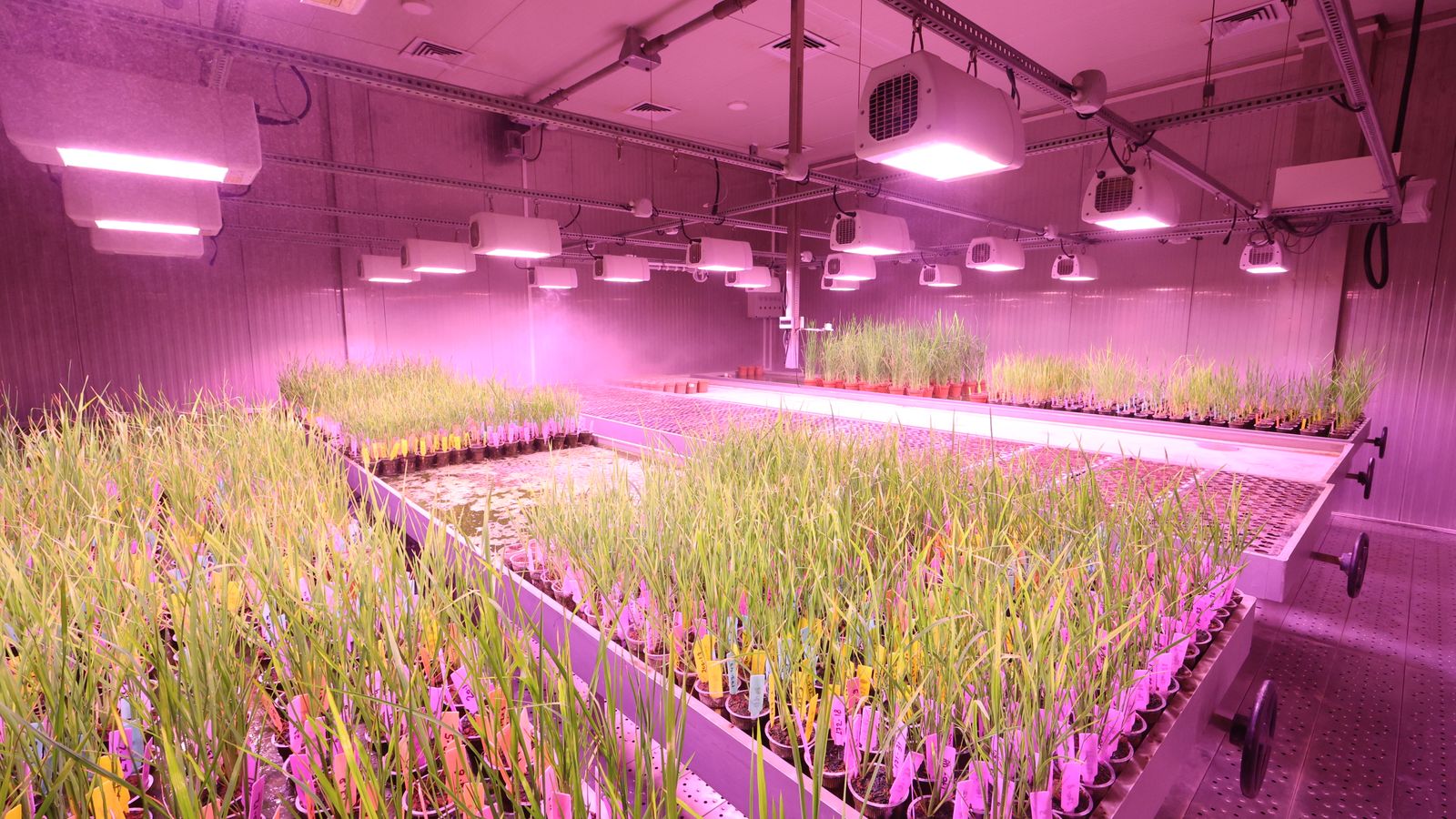
Hydroponics Retailer Closes 12 Stores Amid Cannabis Market Contraction
A major cultivation supply chain provider shuttered a dozen locations in May 2026 as licensed grower demand softens.
More from the newsroom

Cannabis Remains Federally Illegal Despite 38-State Medical Patchwork
Schedule I classification under the Controlled Substances Act persists as state-level reforms create widening enforcement gap.

Federal Cannabis Legality Remains Unresolved Despite State Progress
Cannabis remains federally illegal while 38 states have legalized medical or adult-use programs, creating a complex patchwork of conflicting laws.

Paso Robles City Council Reconsiders Cannabis Delivery Ordinance
The California city revisits a 2019 draft ordinance that would permit adult-use delivery services within municipal boundaries.