Massachusetts Surpasses $10B in Adult-Use Sales Ahead of Rollback Vote
The state's Cannabis Control Commission reported the milestone weeks before voters decide whether to restrict the legal market.
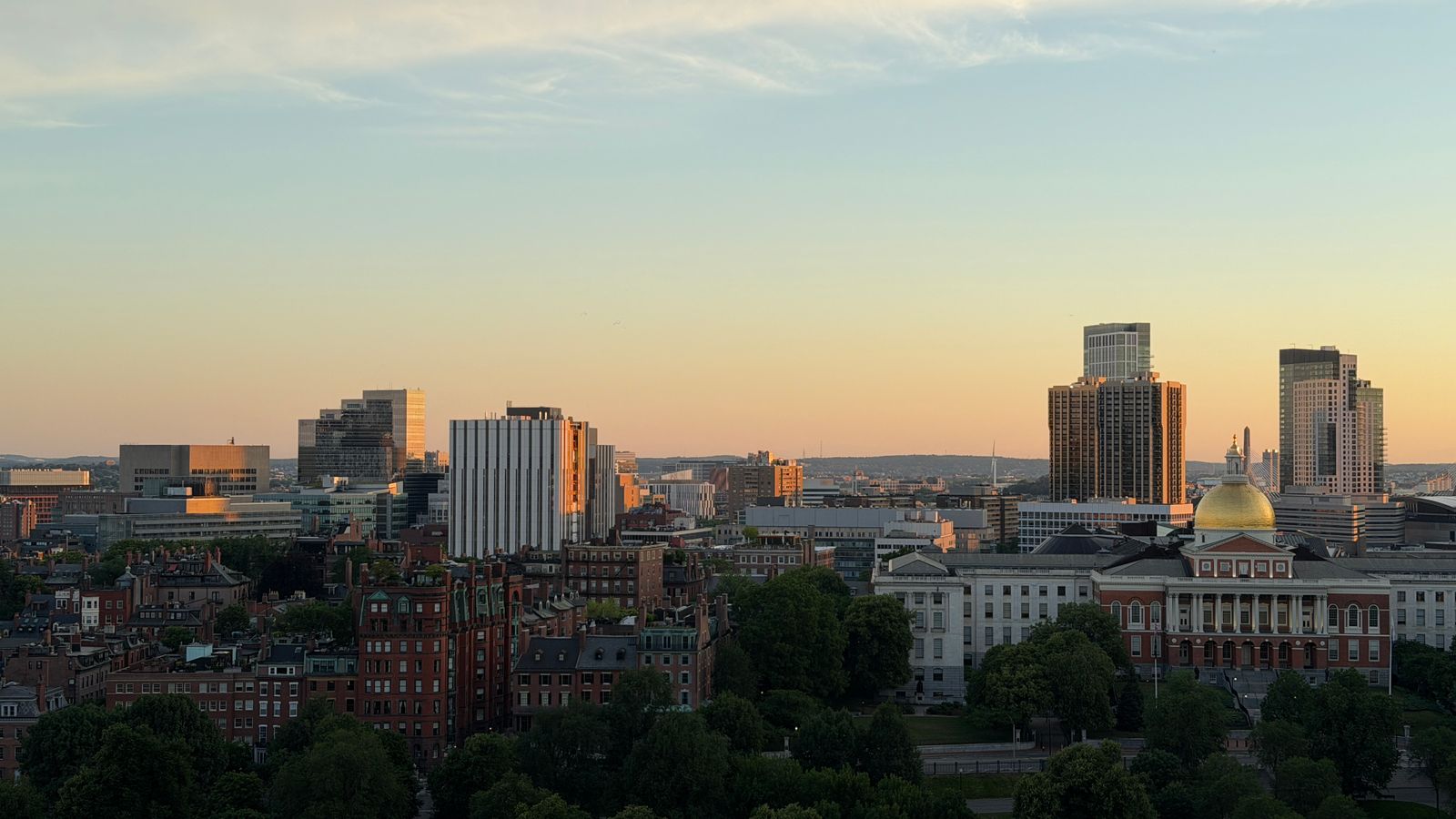
Aerial view of the Boston skyline during sunset, highlighting the Massachusetts State House in Boston, MA.
$10 Billion Milestone Reached Eight Years After Market Launch
Massachusetts adult-use cannabis sales have generated $10 billion in total revenue since the first recreational dispensaries opened in November 2018. The Cannabis Control Commission shared the data with Marijuana Moment ahead of its official release Wednesday. That's an average of $1.25 billion per year across the eight-year period, though annual figures have climbed steadily as the market matured.
Licensed retailers—280+ across the state—processed the milestone transaction sometime in late August 2026, according to the CCC's seed-to-sale tracking system. Monthly sales now average $140-160 million. That pace puts Massachusetts in the top tier of East Coast adult-use markets alongside New Jersey and New York.
Ballot Measure Would Restrict Sales, Eliminate Home Grow
Voters will decide November 5 whether to approve a citizen-led ballot initiative that would ban adult-use sales statewide and eliminate home cultivation rights. The measure, backed by a coalition of municipal officials and public-health advocates, says the current regulatory framework has failed to prevent youth access and impaired driving.
If passed, the initiative would shutter all 280+ recreational dispensaries by January 1, 2027. Medical cannabis would remain legal under the state's separate patient program, which launched in 2015. August polling showed the measure trailing 38% to 52%. Ten percent remained undecided.
The $10 billion figure underscores the market's integration into the state economy—reversing course now means displacing 15,000+ jobs and wiping $200 million in annual tax revenue.
Tax Revenue Tops $2 Billion Since 2018
Massachusetts has collected more than $2 billion in cannabis tax revenue since 2018, split between the 10.75% state excise tax and local option taxes up to 3%. According to CCC data, the state treasury received $1.4 billion from the excise levy, while municipalities collected roughly $600 million through local taxes. Those figures don't include standard 6.25% sales tax, which flows into the general fund.
Revenue has funded road repairs, public schools, and substance-abuse prevention programs under the state's earmark formula. Eliminating adult-use sales would cut an estimated $250-280 million per year from state and local budgets, based on current run rates.
What Happens If the Ballot Measure Passes
The initiative includes a 90-day wind-down period, requiring all adult-use retailers to cease operations by January 1, 2027. Retailers would be barred from selling inventory after that date. The CCC would begin revoking recreational licenses. Home cultivation—currently capped at six plants per adult, 12 per household—would become a civil infraction punishable by fines up to $500.
Medical dispensaries could continue serving registered patients, but the initiative prohibits converting adult-use inventory into medical stock. That means millions of dollars in flower, edibles, and concentrates would need disposal through the state's hazardous-waste protocol. For background on how the Massachusetts market reached this point, see the CannIntel topic hub on the Massachusetts adult-use program.
We'll be watching final pre-election polling the week of October 28.
For complete background, history, and our ongoing coverage of this story:
Open the CannIntel topic hub →Frequently asked questions
When did Massachusetts launch adult-use cannabis sales?
Massachusetts opened its first recreational dispensaries in November 2018, two years after voters approved legalization via ballot question in 2016.
What would the November ballot measure do?
The initiative would ban all adult-use cannabis sales by January 1, 2027, eliminate home cultivation rights, and revoke recreational licenses. Medical cannabis would remain legal.
How much tax revenue has Massachusetts collected from cannabis?
The state has collected more than $2 billion in cannabis-specific taxes since 2018, split between a 10.75% state excise tax and local option taxes up to 3%.
How many cannabis retailers operate in Massachusetts?
Massachusetts has licensed 280+ adult-use retailers as of September 2026, serving a market that now generates $140-160 million in monthly sales.
Sources
The cannabis newsletter you forward to your team.
Federal policy, market data, grower alerts, and the one story that matters today. Sent every weekday at 7am. Free.
No spam. Unsubscribe with one click. 21+ only.
Related from Business
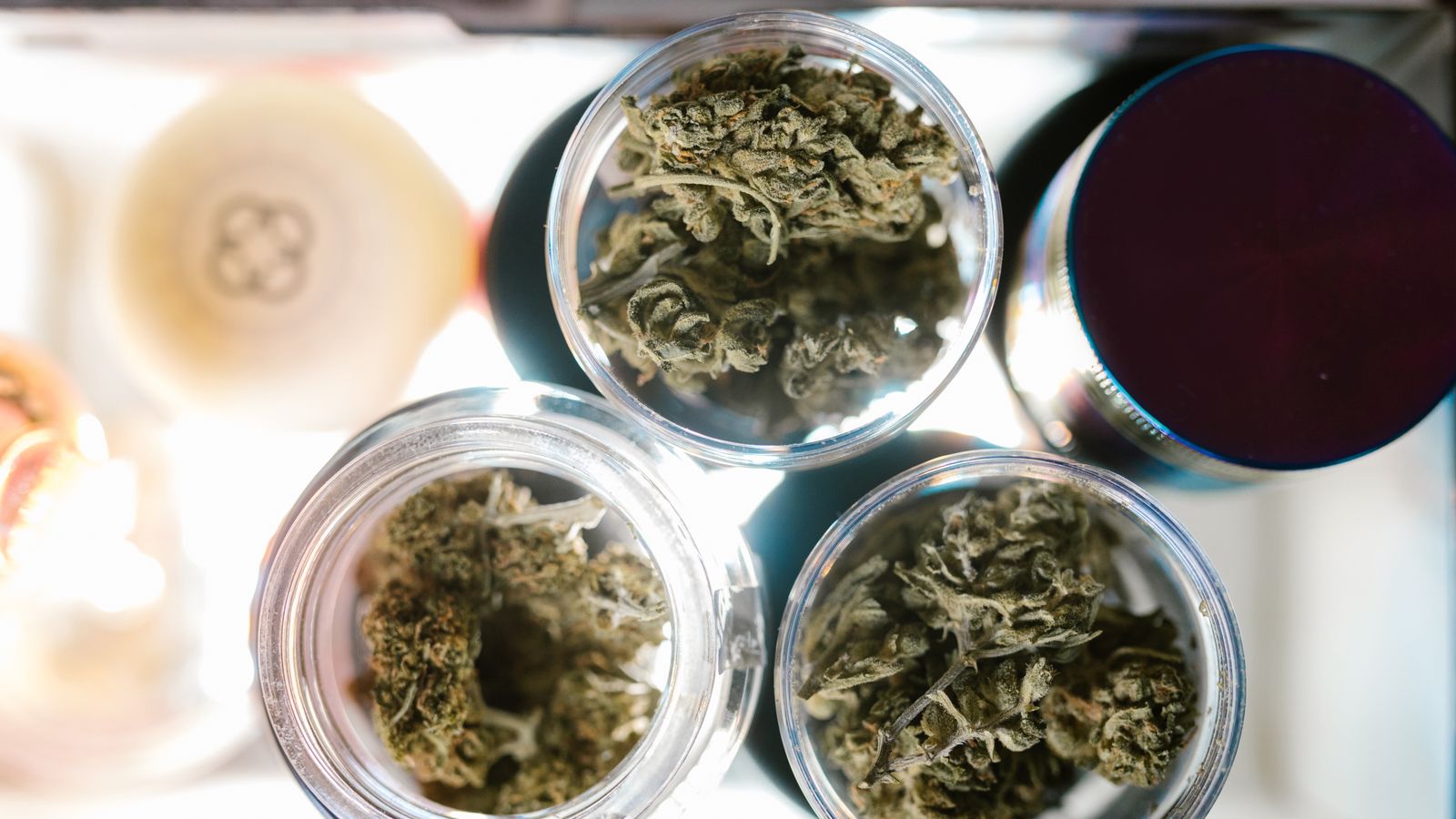
Illinois Report Sets $5M Monthly Cannabis Sales Record for July
DFPR and CROO's 2026 Annual Cannabis Report shows a July sales record and 9% year-over-year growth in August, following a doubling of purchase limits.

Still River Wellness Workers Ratify 4-Year UFCW Contract
Torrington dispensary employees locked in a four-year deal with UFCW Local 371, giving Connecticut operators a rare long-dated labor cost marker.
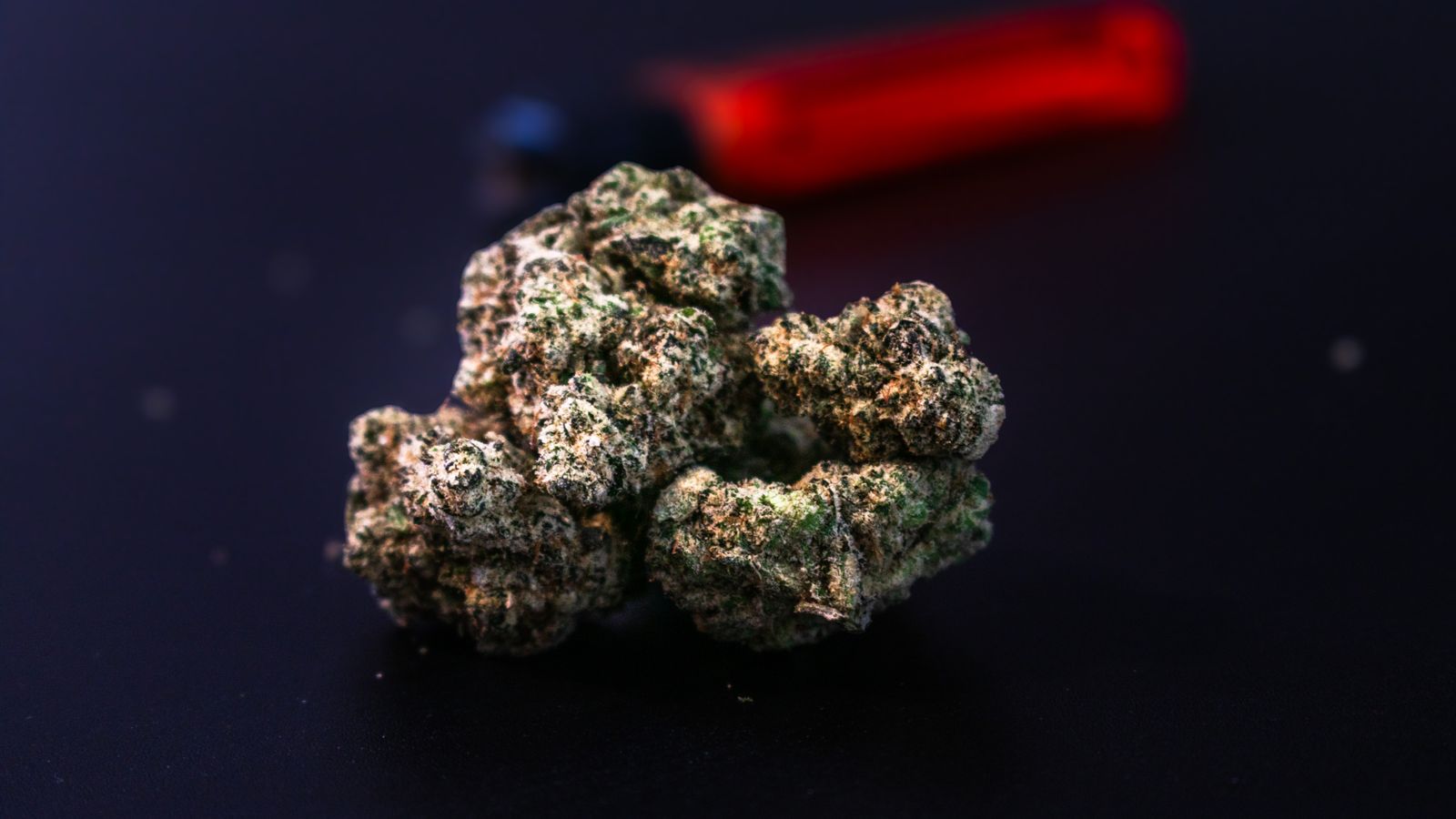
Illinois Cannabis Revenue Falls as Demand Rises, Report Says
Capitol City Now reports a split in the Illinois market: sales revenue is declining even as consumer demand climbs, putting pricing and margins in focus.
More from the newsroom
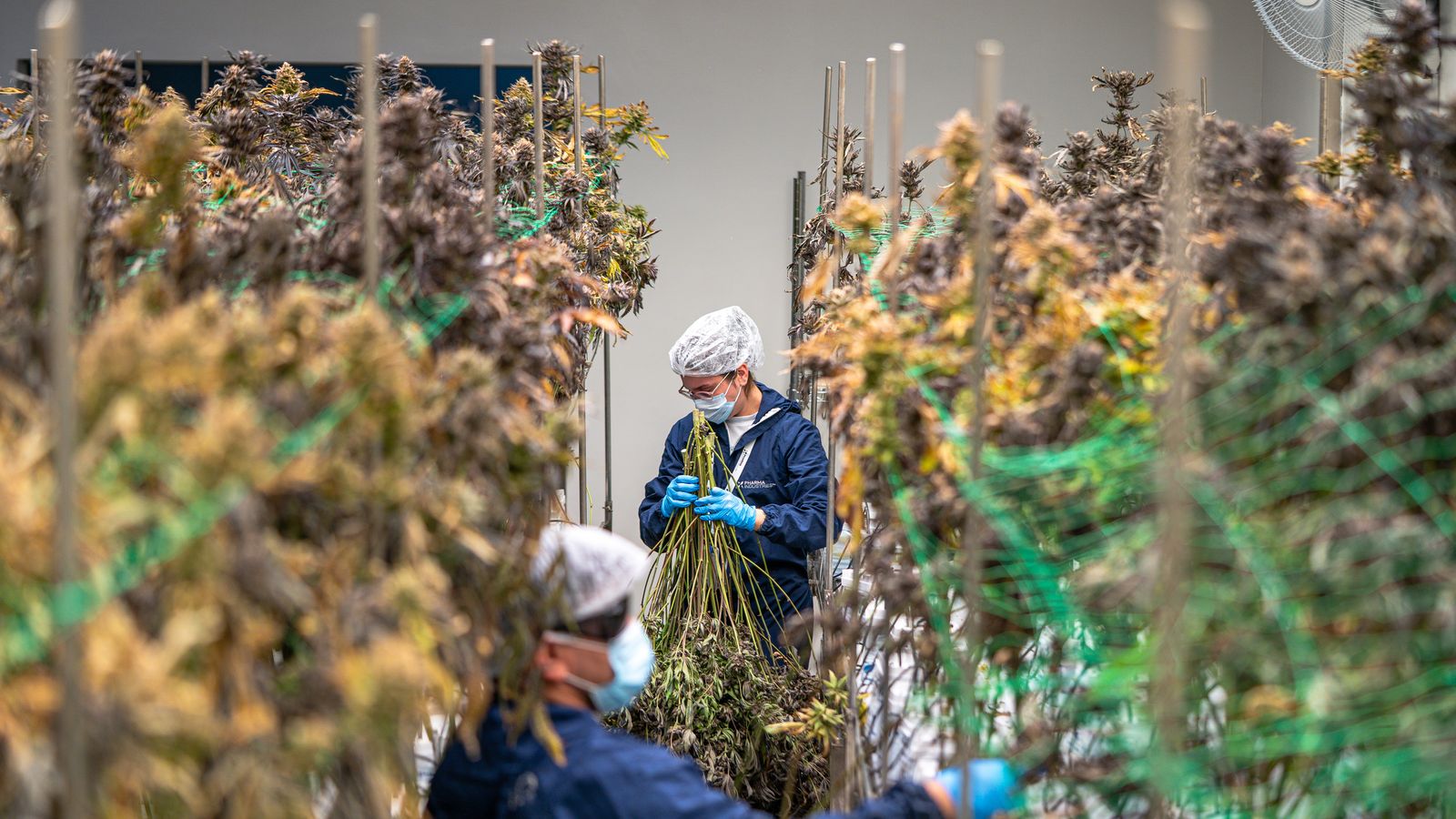
High Times Profiles Brute's Roots' Slow Pheno Bet in South Jersey
High Times Magazine profiled Brute's Roots on Oct. 12, framing the South Jersey operation's strategy around patience and phenotype selection.
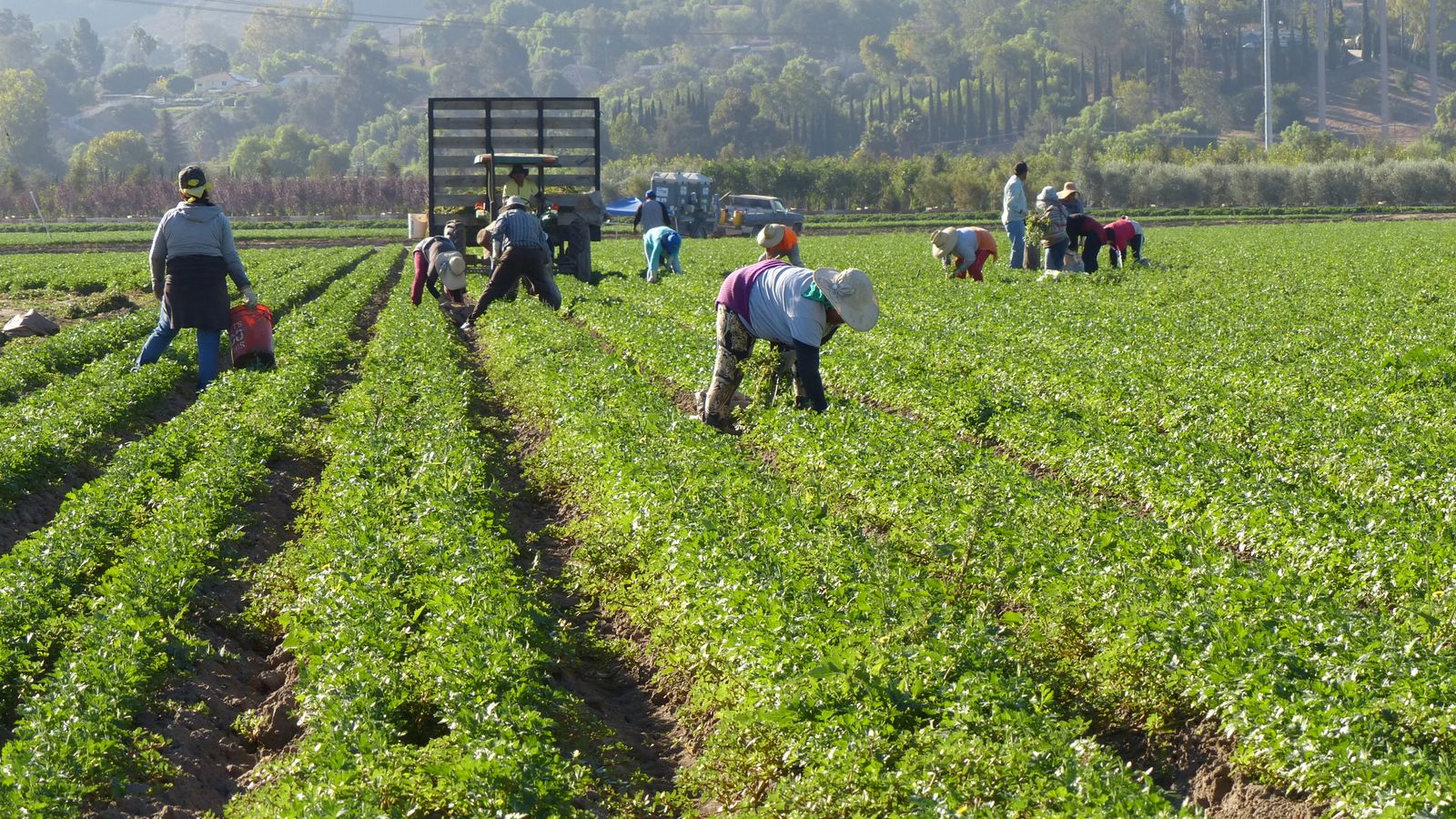
GreenState Reports California Outdoor Farmers' Success Formula
GreenState published a profile of California outdoor growers' success on Oct. 12, mid-harvest. We separate what's confirmed from the agronomy that likely drives results.

North Carolina's $3B Hemp Sector Faces Federal THC Ban Deadline
A federal redefinition of hemp takes effect Nov. 12, 2026, and North Carolina's roughly $3 billion industry is bracing for the cutoff.