Guam Issues First Cannabis Facility Permit Since 2019 Legalization
The island's Cannabis Control Board granted the first operational permit seven years after voters approved adult use.
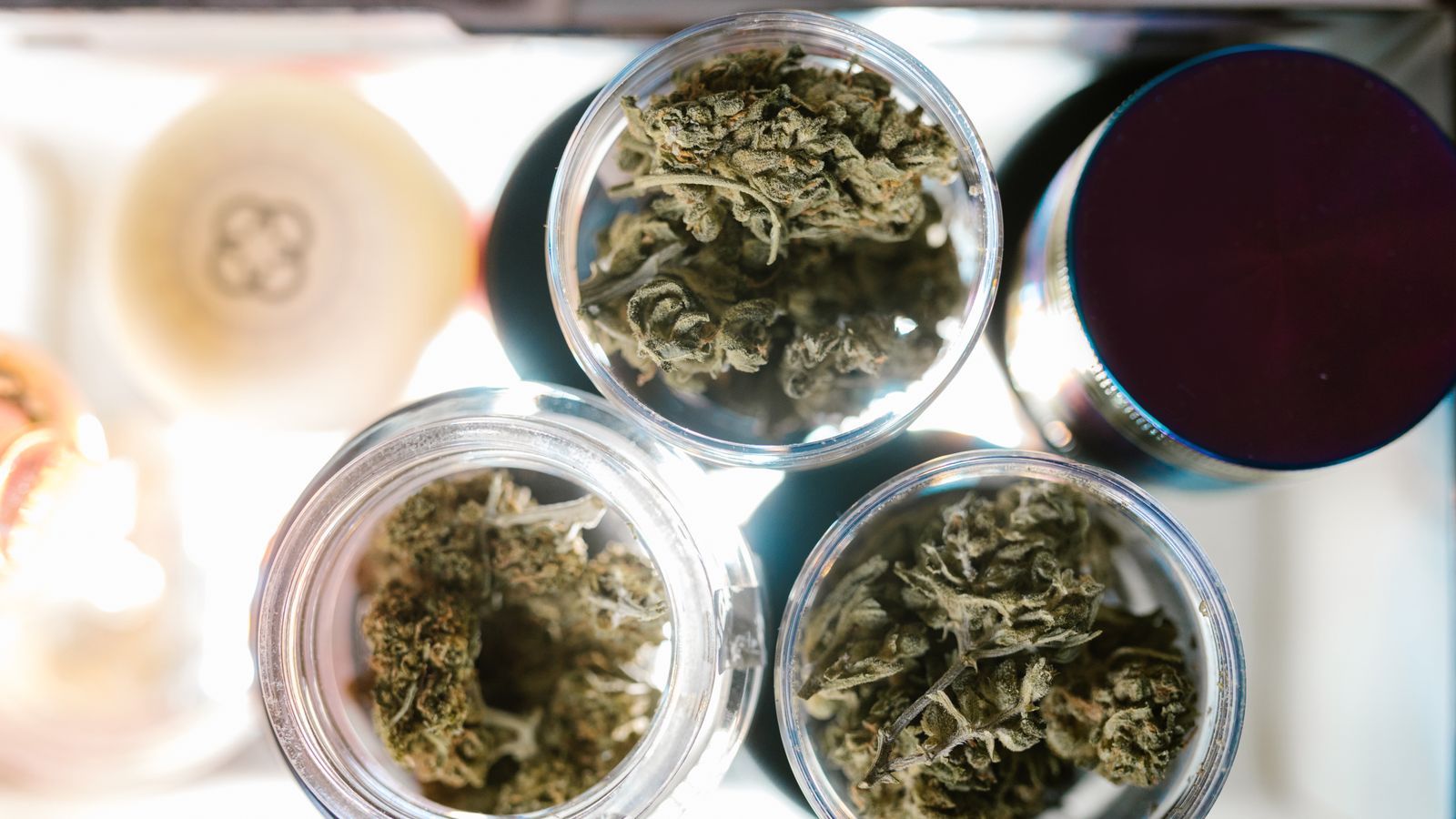
Close-up of cannabis buds in jars from above, highlighting marijuana storage.
Seven-Year Gap Between Legalization and First License
Guam voters approved adult-use cannabis legalization in November 2019, but the Cannabis Control Board didn't issue a single operational permit until June 2026. The delay stems from protracted rulemaking, budget constraints, and repeated revisions to the territory's licensing framework. The Cannabis Control Board, established in 2020, spent five years drafting and revising cultivation, testing, and dispensary regulations before opening the application window in late 2025.
Public Law 35-57, the territory's enabling statute, required the board to establish a vertically integrated licensing tier for local operators and a separate tier for micro-businesses. Regulatory delays prevented the board from finalizing application forms until Q4 2025. The first permit issued this week is a cultivation license. The board hasn't yet announced retail or testing permits.
Regulatory Framework Still Incomplete
Guam's cannabis framework remains incomplete. No active retail dispensaries or third-party testing labs are authorized to operate. The Cannabis Control Board has published draft rules for retail and laboratory licensing but hasn't finalized fee structures or zoning requirements. Without operational testing labs, the newly permitted cultivator can't legally transfer product to market, creating a bottleneck that may delay retail sales by months.
The board's June 2026 meeting minutes, published on the Guam Department of Public Health and Social Services website, indicate that testing-lab applications are under review but require additional environmental and fire-safety approvals from territorial agencies. Retail dispensary applications are pending local zoning clearances in Tamuning, Dededo, and Hagåtña.
Illicit Market Dominates in Absence of Legal Sales
Guam's lack of legal retail infrastructure has entrenched an illicit cannabis market estimated to serve 12,000 to 15,000 regular consumers across the island's 170,000 population. Law enforcement data from the Guam Police Department show cannabis-related arrests declined 40% between 2020 and 2025. Illicit sales remain widespread. Local advocates estimate the unregulated market generates $8 million to $12 million in annual sales, none of which is taxed or quality-controlled.
Geography complicates enforcement. Guam's position as a logistics hub for Micronesia and its porous borders with neighboring islands make interdiction difficult. Federal law prohibits interstate cannabis commerce, but Guam's status as a U.S. territory creates jurisdictional ambiguities that complicate local enforcement efforts.
Tax Revenue Projections Remain Unmet
Guam projected $3 million to $5 million in annual cannabis tax revenue when voters approved legalization in 2019, but the territory has collected zero dollars from legal sales through mid-2026. The delay has forced the territorial legislature to shelve spending plans tied to cannabis revenue, including earmarked funds for substance-abuse treatment and agricultural development programs. The territory's General Fund, which was expected to receive a portion of cannabis excise taxes, hasn't seen the anticipated inflows.
Public Law 35-57 established a 15% excise tax on wholesale cannabis transactions and a 10% retail sales tax. The Cannabis Control Board hasn't published tax-collection protocols. The Guam Department of Revenue and Taxation hasn't issued guidance on filing requirements for licensed operators. Without active retail sales, tax revenue remains hypothetical.
U.S. Territorial Cannabis Markets Face Unique Delays
Guam's seven-year implementation lag mirrors delays in other U.S. territories, where limited budgets and federal jurisdictional constraints slow cannabis rollouts. The U.S. Virgin Islands legalized cannabis in 2019 but didn't issue its first cultivation license until 2024. Puerto Rico, which launched a medical program in 2017, has faced repeated regulatory overhauls that have slowed market expansion. Northern Mariana Islands, which legalized in 2018, issued its first retail license in 2023.
Territorial cannabis programs operate under federal oversight constraints that differ from state programs. The U.S. Department of Justice hasn't issued formal guidance on territorial cannabis enforcement, leaving local regulators uncertain about federal prosecution risk. Guam's attorney general hasn't published a legal opinion on the territory's exposure to federal Controlled Substances Act enforcement.
What Operators and Consumers Should Watch
The next regulatory milestone is the issuance of testing-lab and retail permits, which the Cannabis Control Board has indicated may occur in Q3 2026. The board's July meeting agenda includes a vote on final testing-lab rules and a review of pending retail applications. If approved, Guam's first legal cannabis sales could occur in late 2026 or early 2027—eight years after voter approval.
For background on Guam's cannabis regulatory timeline and licensing framework, see the CannIntel topic hub on Guam's cannabis program. The board's next public meeting is scheduled for July 15, 2026, and will include updates on retail and testing-lab licensing timelines.
Sources
The cannabis newsletter you forward to your team.
Federal policy, market data, grower alerts, and the one story that matters today. Sent every weekday at 7am. Free.
No spam. Unsubscribe with one click. 21+ only.
Related from Business

Federal Report Tracks $15 Billion in State Cannabis Tax Revenue
New federal data shows states collected nearly $15 billion in marijuana tax revenue over five years, providing the first comprehensive federal accounting of state cannabis program fiscal performance.

IIPR Announces New Greenhouse Cannabis Facility Lease
Innovative Industrial Properties Inc. disclosed a new long-term lease for a greenhouse cultivation property, expanding its cannabis real estate portfolio.
Hemp Beverage Operators Mobilize Against Federal Regulatory Threat
Industry groups ramp up lobbying as FDA and DEA scrutiny threatens $2B hemp THC drinks market.
More from the newsroom
PSNI Seizes £1.1M in Cannabis Plants, Arrests 16 in Factory Raids
Police Service of Northern Ireland dismantles multiple cultivation sites in coordinated enforcement sweep across the region.

Missouri Misses Expungement Deadline, Hundreds of Thousands of Records Remain
Police departments acknowledge widespread failure to clear marijuana conviction records despite state-mandated June 2026 deadline.

Northern Ireland Police Seize £1.1M Cannabis Plants, Arrest 16
PSNI's coordinated raids across multiple sites mark one of the region's largest enforcement operations against illicit cultivation.