PSNI Seizes £1.1M in Cannabis Plants, Arrests 16 in Factory Raids
Police Service of Northern Ireland dismantles multiple cultivation sites in coordinated enforcement sweep across the region.
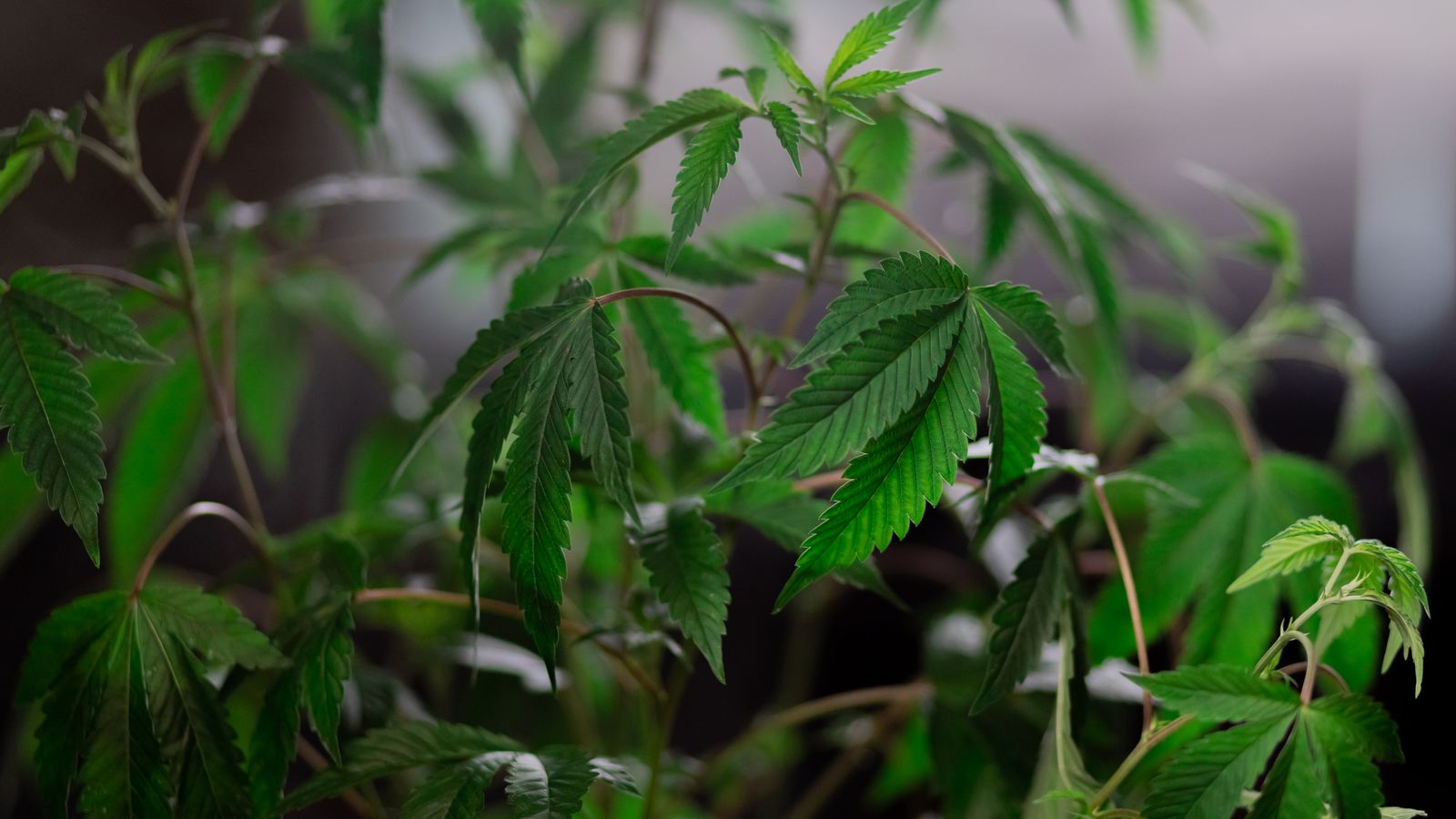
Close-up of vibrant cannabis leaves in soft focus, emphasizing natural growth and lush greenery.
Multi-Site Operation Targets Organized Cultivation Network
PSNI executed simultaneous raids across multiple properties, dismantling what investigators describe as a coordinated network of illegal cannabis factories. The 16 arrests represent individuals allegedly involved in various roles within the cultivation operation, from facility management to plant maintenance. Police haven't disclosed the exact number of sites raided or their specific locations. Ongoing investigative concerns, they say.
The £1.1 million valuation reflects standard PSNI methodology, which typically assigns wholesale street value to seized plants based on projected yield at maturity. That figure positions this operation among the most significant cannabis enforcement actions in Northern Ireland in 2026, comparable to a March raid in County Antrim that netted £900,000 in plants and resulted in 12 arrests.
Enforcement pressure on illicit cannabis cultivation in Northern Ireland has intensified over the past 18 months—PSNI data shows a 34% year-over-year increase in cultivation-related arrests through May 2026, driven partly by expanded use of thermal imaging technology and intelligence-sharing protocols with utility providers flagging abnormal electricity consumption patterns.
Street-Value Math and Enforcement Economics
The £1.1 million seizure figure translates to roughly 220 kilograms of finished product at typical PSNI valuation rates of £5,000 per kilogram. That assumes mature plants with an average yield of 100-150 grams per plant, suggesting investigators seized between 1,500 and 2,200 plants across the targeted facilities. Actual street value realized by distributors would likely fall 30-40% below the police estimate, given wholesale discounting and losses during processing.
A 1,500-plant operation running two harvest cycles annually generates roughly £2.2 million in gross revenue at wholesale prices, before accounting for labor, electricity, rent, and distribution costs. The economics explain why organized networks continue to invest in Northern Ireland cultivation despite escalating enforcement risk. Profit margins remain substantial. Even after factoring in periodic seizures and legal costs, the money's still there.
The 16 arrests will likely result in a mix of charges under the Misuse of Drugs Act 1971, ranging from possession with intent to supply (carrying up to 14 years) to cultivation of a controlled substance (up to 14 years for commercial-scale operations). PSNI typically pursues custodial sentences for operators of facilities exceeding 100 plants, while smaller-scale participants may face community orders or suspended sentences depending on their role and prior record.
Northern Ireland's Illicit Market Dynamics
Northern Ireland remains a net importer of cannabis from the Republic of Ireland and Great Britain, but domestic cultivation has grown steadily since 2020 as organized crime groups seek to capture margin and reduce cross-border interdiction risk. Low property costs matter here. So does access to rural industrial sites, making it economically attractive for large-scale indoor grows, particularly in counties Tyrone, Armagh, and Down.
PSNI's Cannabis Harm Reduction Unit estimates that domestic cultivation now accounts for approximately 25% of cannabis consumed in Northern Ireland, up from 15% in 2022. That shift mirrors broader UK trends, where domestic production has displaced imports as LED lighting technology and online cultivation tutorials have lowered barriers to entry. The result is a more fragmented supply chain with smaller, distributed grows replacing the centralized warehouse operations that dominated enforcement headlines five years ago.
This operation's scale suggests PSNI targeted a more sophisticated network—likely a cross-border group with ties to established distribution channels in Belfast and Derry. Timing matters: mid-harvest season maximizes the financial impact of the seizure while plants are at peak value but before operators can recoup their multi-month investment in utilities and inputs. For comprehensive analysis of Northern Ireland's enforcement landscape and market structure, see the CannIntel topic hub on Northern Ireland Cannabis Enforcement.
The 16 suspects remain in custody pending formal charges. PSNI hasn't indicated whether additional arrests are expected as investigators analyze evidence seized during the raids, including financial records, communications devices, and cultivation equipment that may link the operation to other illicit cannabis networks operating across the UK and Ireland.
Frequently asked questions
How does PSNI calculate the £1.1 million value of seized cannabis plants?
PSNI uses wholesale street value methodology, typically assigning £5,000 per kilogram of projected finished product. The £1.1 million figure assumes mature plants yielding 100-150 grams each, translating to roughly 220 kilograms total or 1,500-2,200 plants. Actual street value realized by distributors typically runs 30-40% below police estimates due to wholesale discounting.
What charges do suspects in large-scale cannabis cultivation operations face in Northern Ireland?
Operators face charges under the Misuse of Drugs Act 1971, including possession with intent to supply and cultivation of a controlled substance. Commercial-scale operations exceeding 100 plants typically result in custodial sentences up to 14 years, while smaller participants may receive community orders or suspended sentences depending on their role and criminal history.
How has domestic cannabis cultivation in Northern Ireland changed in recent years?
Domestic cultivation has grown from 15% of Northern Ireland's cannabis supply in 2022 to approximately 25% in 2026, according to PSNI estimates. The shift reflects lower barriers to entry from LED technology and online resources, plus organized crime groups seeking to capture margin and reduce cross-border interdiction risk. Operations have become more distributed, replacing centralized warehouse grows.
Why has enforcement of cannabis cultivation intensified in Northern Ireland?
PSNI reports a 34% year-over-year increase in cultivation-related arrests through May 2026, driven by expanded use of thermal imaging technology and intelligence-sharing with utility providers who flag abnormal electricity consumption. The agency's Cannabis Harm Reduction Unit has prioritized disrupting domestic supply chains as cultivation displaces imports from the Republic of Ireland and Great Britain.
Sources
The cannabis newsletter you forward to your team.
Federal policy, market data, grower alerts, and the one story that matters today. Sent every weekday at 7am. Free.
No spam. Unsubscribe with one click. 21+ only.
Related from News

Northern Ireland Police Seize £1.1M Cannabis Plants, Arrest 16
PSNI's coordinated raids across multiple sites mark one of the region's largest enforcement operations against illicit cultivation.

Week in Weed: June 20, 2026 – Policy Shifts and Market Moves
A weekly digest of the most consequential cannabis news from regulation to retail.

Oregon Police Seize 25,000 Plants, Arrest One at Central Point Grow
Jackson County authorities dismantled one of southern Oregon's largest illegal cannabis operations in a single-day raid.
More from the newsroom

Michigan Medical Marijuana Sales Plunge to $322,350 in June 2026
The state's medical program posted its lowest monthly total on record as adult-use dominance and federal rescheduling uncertainty reshape the market.

New York Cannabis Market Stabilizes After Three-Year Rollout
State data shows licensed sales climbing while illicit storefronts decline for the first time since 2023.

Missouri Misses Expungement Deadline, Hundreds of Thousands of Records Remain
Police departments acknowledge widespread failure to clear marijuana conviction records despite state-mandated June 2026 deadline.