Oregon Police Seize 25,000 Plants, Arrest One at Central Point Grow
Jackson County authorities dismantled one of southern Oregon's largest illegal cannabis operations in a single-day raid.

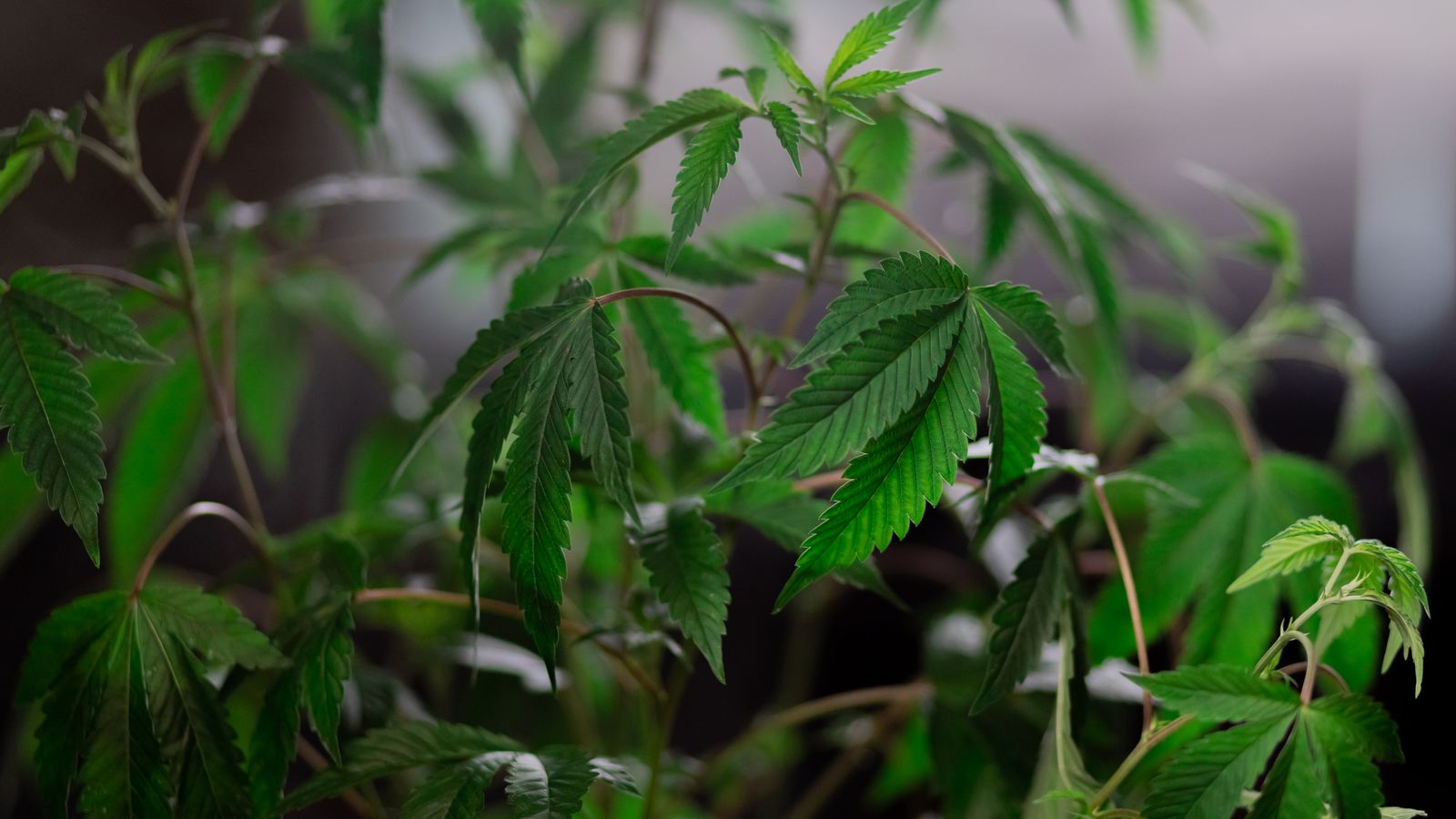
Close-up of healthy cannabis plant with buds in a controlled indoor environment.
Raid Scale and Seizure Details
The Central Point operation housed roughly 25,000 marijuana plants across multiple structures, according to the Jackson County Sheriff's Office. Authorities executed a search warrant at the property Thursday morning, deploying specialized units to process the site. The operation took approximately eight hours. Deputies cataloged plants in various growth stages from seedling to full flower.
Law enforcement didn't disclose the estimated street value of the seized plants. Industry analysts typically value mature illicit-market plants at $500 to $1,200 each depending on strain and quality, putting this seizure's potential market value north of $12 million at the low end.
Single Arrest, Investigation Ongoing
Authorities arrested one individual at the scene on preliminary charges related to unlawful marijuana manufacturing. The suspect's name wasn't released pending formal arraignment. Sheriff's officials said the investigation remains active, with additional arrests possible as detectives trace the operation's financing and distribution network.
Central Point sits in the Rogue Valley. Population: 18,500. The region has become Oregon's epicenter for illegal cannabis cultivation since the state's 2020 legalization.
Southern Oregon's Illegal Grow Problem
Jackson County has dismantled more than 400 illegal grow sites since 2021, seizing over 1.2 million plants in that span. The county declared a state of emergency in May 2022 over the illegal cannabis crisis, citing water theft, environmental damage, and cartel-linked violence. Despite the emergency declaration and increased state funding for enforcement, illegal operations continue to outpace eradication efforts.
Key drivers of the illegal-grow surge in southern Oregon include:
- Cheap rural land with minimal zoning enforcement
- Proximity to Interstate 5 for interstate trafficking
- Mild climate allowing multiple outdoor harvests per year
- Weak penalties under Oregon's decriminalization framework
The Oregon Liquor and Cannabis Commission has revoked dozens of licenses in Jackson County for diversion violations. Unlicensed grows operate entirely outside the regulatory system.
Interstate Trafficking and Cartel Ties
Federal and state investigators have linked southern Oregon illegal grows to transnational criminal organizations, particularly Mexican cartels operating shell companies to lease properties. A 2025 DEA intelligence report identified Oregon as the third-largest source state for illicit cannabis flowing to non-legal markets in the Midwest and South, behind only California and Oklahoma.
Large-scale operations are run by out-of-state or foreign nationals, with product destined for prohibition states where wholesale prices remain 3-5 times higher than Oregon's legal market. The Central Point seizure follows that pattern.
Environmental and Community Impact
Illegal grows in Jackson County have drained aquifers, contaminated streams with pesticides, and triggered code-enforcement backlogs. Neighbors of the Central Point site reported 24-hour generator noise, armed guards, and trucks arriving at odd hours.
The county estimates illegal grows have cost taxpayers $18 million in enforcement and remediation since 2021. That figure doesn't include lost tax revenue from the black market undercutting licensed retailers.
Regulatory Gaps and Enforcement Challenges
Oregon's land-use laws allow up to 12 mature plants per household without a license, creating a loophole exploited by illegal growers who claim personal-use cultivation. Prosecutors must prove commercial intent, a threshold that often requires wiretaps or financial records. Rural counties lack those resources.
The Oregon State Police Cannabis Enforcement Unit, created in 2022 with $4.8 million in annual funding, prioritizes large-scale operations but remains understaffed. Jackson County Sheriff Nathan Sickler has repeatedly requested National Guard assistance for site remediation.
What Happens Next
The seized plants will be incinerated at a state-contracted facility. The property owner faces potential civil penalties under Oregon's nuisance abatement statutes, which allow counties to place liens on properties used for illegal cultivation.
For comprehensive background on enforcement trends and policy responses, see the CannIntel topic hub on illegal cannabis grows. We'll be watching for formal charges in Jackson County Circuit Court and whether federal prosecutors file parallel cases — a signal that this operation crossed state lines.
Frequently asked questions
How many illegal cannabis plants were seized in the Central Point raid?
Approximately 25,000 marijuana plants were seized from the Central Point property on June 19, 2026. The plants were in various growth stages, from seedlings to mature flowering plants ready for harvest.
Why does southern Oregon have so many illegal cannabis grows?
Southern Oregon's illegal grow crisis stems from cheap rural land, minimal zoning enforcement, proximity to Interstate 5 for trafficking, a mild climate allowing multiple harvests, and Oregon's decriminalization framework which imposes weak penalties. Jackson County has dismantled over 400 illegal sites since 2021.
Are illegal Oregon cannabis grows linked to cartels?
Yes. Federal and state investigators have documented ties between southern Oregon illegal grows and Mexican transnational criminal organizations. A 2025 DEA report identified Oregon as the third-largest source state for illicit cannabis trafficked to non-legal markets.
What is the estimated value of the seized plants?
Law enforcement didn't release an official valuation, but industry analysts typically value mature illicit-market plants at $500 to $1,200 each. At the conservative end, 25,000 plants could represent over $12 million in potential black-market revenue.
What penalties does the arrested person face?
The individual faces preliminary state charges for unlawful marijuana manufacturing. Oregon penalties vary based on plant count and intent to distribute, ranging from misdemeanors to felonies. Federal charges are possible if investigators prove interstate trafficking.
Sources
The cannabis newsletter you forward to your team.
Federal policy, market data, grower alerts, and the one story that matters today. Sent every weekday at 7am. Free.
No spam. Unsubscribe with one click. 21+ only.
Related from News
PSNI Seizes £1.1M in Cannabis Plants, Arrests 16 in Factory Raids
Police Service of Northern Ireland dismantles multiple cultivation sites in coordinated enforcement sweep across the region.

Northern Ireland Police Seize £1.1M Cannabis Plants, Arrest 16
PSNI's coordinated raids across multiple sites mark one of the region's largest enforcement operations against illicit cultivation.

Week in Weed: June 20, 2026 – Policy Shifts and Market Moves
A weekly digest of the most consequential cannabis news from regulation to retail.
More from the newsroom

North Carolina Hemp Bill Stalls as Regulators Wrestle With THC Limits
State lawmakers delayed a hemp-regulation overhaul as agencies clash over delta-8 enforcement and retail sales rules.

Michigan Medical Marijuana Sales Plunge to $322,350 in June 2026
The state's medical program posted its lowest monthly total on record as adult-use dominance and federal rescheduling uncertainty reshape the market.

New York Cannabis Market Stabilizes After Three-Year Rollout
State data shows licensed sales climbing while illicit storefronts decline for the first time since 2023.