Hemp Beverage Operators Mobilize Against Federal Regulatory Threat
Industry groups ramp up lobbying as FDA and DEA scrutiny threatens $2B hemp THC drinks market.
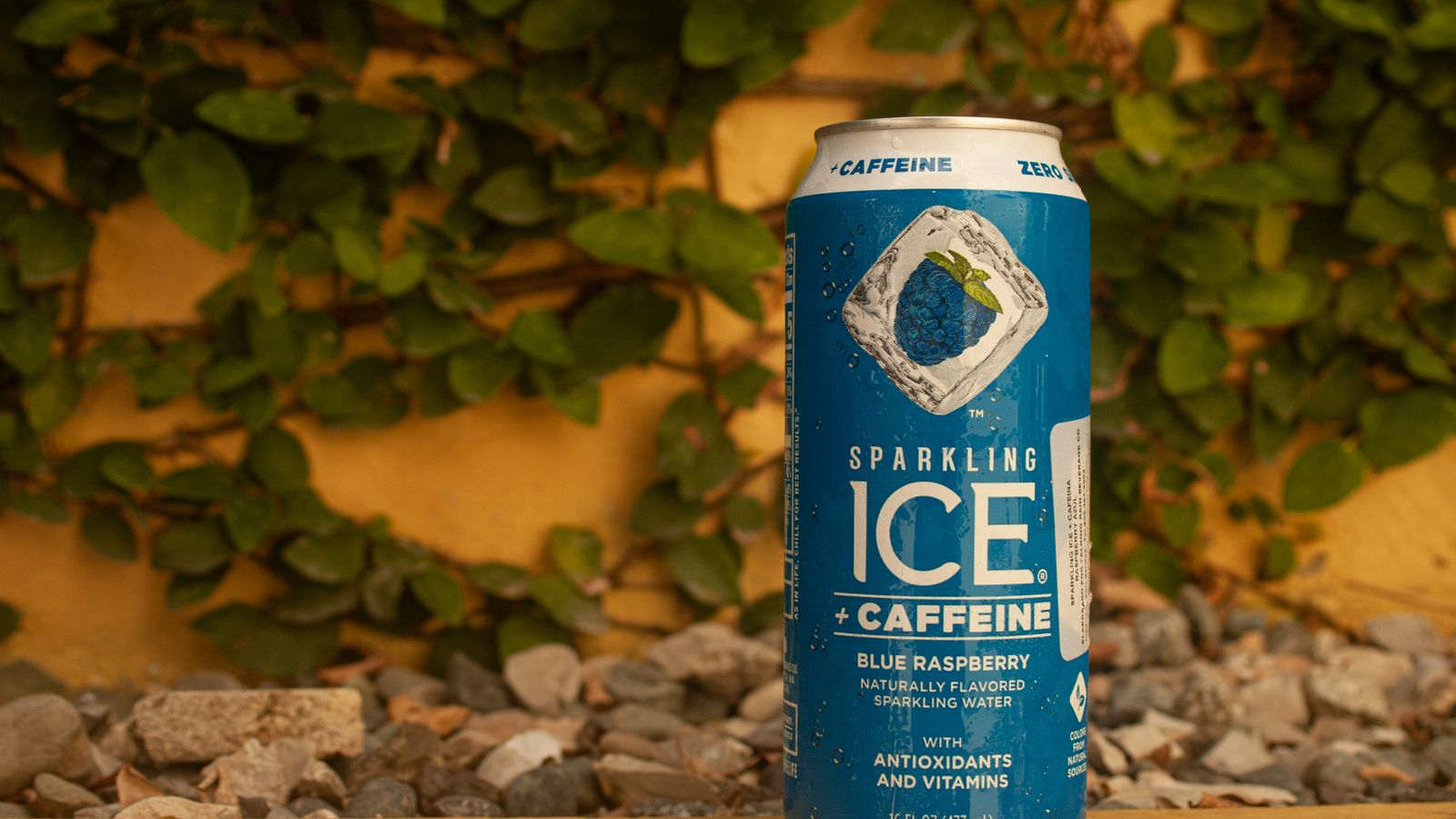
Blue Raspberry flavored sparkling water with caffeine and antioxidants in an outdoor setting.
Industry Groups Launch Federal Lobbying Push
Trade associations representing hemp beverage manufacturers have retained Washington lobbying firms and are coordinating testimony for anticipated Congressional hearings on hemp intoxicants. The mobilization follows months of statements from the Food and Drug Administration and Drug Enforcement Administration questioning the legality of beverages containing delta-8 THC, delta-9 THC derived from hemp, and other psychoactive cannabinoids extracted from industrial hemp.
The Hemp Beverage Alliance, a coalition formed in early 2025, now counts 47 member companies including beverage co-packers, ingredient suppliers, and direct-to-consumer brands. It's hired two Beltway firms with cannabis-policy experience. The group is also drafting model state legislation to preempt outright bans at the state level.
$2 Billion Market at Stake
Analysts estimate the hemp beverage category generated $1.8 billion to $2.2 billion in retail sales in 2025, with distribution through convenience stores, liquor retailers, and online channels unavailable to state-licensed cannabis operators. The category includes seltzers, teas, and energy drinks containing 5 to 10 milligrams of THC per serving, marketed as legal alternatives to alcohol and state-regulated cannabis.
That revenue splits among roughly 200 active brands, most launched since 2022. The top five operators by volume—none publicly traded—collectively hold an estimated 40% market share. Fragmentation has complicated efforts to present a unified industry position, though recent regulatory pressure has accelerated consolidation talks.
FDA Signals Enforcement Intent
The FDA issued a warning letter to one unnamed hemp beverage manufacturer in May 2026, citing unapproved food additives and misleading labeling claims. The letter, obtained through a Freedom of Information Act request, marked the agency's first enforcement action targeting a hemp THC beverage specifically, though the FDA has sent dozens of letters to CBD operators since 2019.
Industry attorneys read the letter as a test case. The FDA has statutory authority to regulate food and beverage products but hasn't issued a formal rule on hemp-derived intoxicants. Congressional Republicans have pressed the agency to act, arguing that intoxicating hemp products were never contemplated by the 2018 Farm Bill's legalization of hemp with less than 0.3% delta-9 THC by dry weight.
State-Level Bans Accelerate
Fourteen states have enacted restrictions on intoxicating hemp products since January 2025, with six imposing outright bans on beverages containing any detectable THC from hemp sources. The bans have forced operators to pull products from retail chains in those markets, erasing an estimated $180 million in annual sales.
State cannabis regulators have lobbied for the restrictions. They argue that unregulated hemp drinks undercut licensed markets and evade testing, labeling, and taxation requirements. The National Cannabis Industry Association, which represents state-licensed operators, has publicly supported state bans, putting it at odds with hemp beverage advocates.
Operators Argue Economic and Consumer-Safety Case
Hemp beverage advocates are framing their defense around job creation, consumer choice, and harm reduction relative to alcohol. The industry claims to support 12,000 direct jobs and argues that beverages offer precise dosing and faster onset than edibles, reducing overconsumption risk.
Internal industry surveys, shared with Congressional staff, show that 60% of hemp beverage consumers report using the products as alcohol substitutes. Operators are positioning the category as aligned with public-health goals around reducing alcohol-related harms, though no peer-reviewed studies have validated those claims in the hemp context.
What Comes Next
The industry expects the House Agriculture Committee to hold a hearing on hemp intoxicants in the third quarter of 2026, tied to Farm Bill reauthorization discussions. Draft legislative language circulating among Republican staff would limit hemp-derived THC in any product to 0.3% by total weight. That standard would effectively ban beverages and most edibles.
Operators are preparing for a two-front battle: federal legislation that could redefine hemp to exclude intoxicating products, and state-by-state campaigns to block additional bans. The outcome will determine whether the category survives as a regulated adult-use market or gets absorbed into state cannabis programs.
For full background on this regulatory fight, see the CannIntel topic hub on Hemp Beverage Regulation.
Frequently asked questions
What is the hemp beverage market worth?
Analysts estimate the hemp beverage category generated $1.8 billion to $2.2 billion in retail sales in 2025, distributed through convenience stores, liquor retailers, and online channels unavailable to state-licensed cannabis operators.
How many states have banned intoxicating hemp products?
Fourteen states have enacted restrictions on intoxicating hemp products since January 2025, with six imposing outright bans on beverages containing any detectable THC from hemp sources, erasing an estimated $180 million in annual sales.
What federal action is the hemp beverage industry expecting?
The industry expects the House Agriculture Committee to hold a hearing on hemp intoxicants in Q3 2026 tied to Farm Bill reauthorization. Draft legislative language would limit hemp-derived THC to 0.3% by total weight, effectively banning beverages and most edibles.
Has the FDA taken enforcement action against hemp beverages?
Yes. The FDA issued a warning letter to one unnamed hemp beverage manufacturer in May 2026, citing unapproved food additives and misleading labeling. It was the agency's first enforcement action targeting a hemp THC beverage specifically.
Sources
The cannabis newsletter you forward to your team.
Federal policy, market data, grower alerts, and the one story that matters today. Sent every weekday at 7am. Free.
No spam. Unsubscribe with one click. 21+ only.
Related from Business

Nebraska cultivator cleared to plant first legal medical marijuana crop
State regulators issued the first cultivation license, marking the operational launch of Nebraska's voter-approved medical cannabis program.
FINO Cannabis Opens First Florida Dispensary in Market Expansion Push
The multistate operator launches its inaugural Florida retail location as competition intensifies in the state's medical cannabis market.

The Cannabis Business Advisors Launches DEA Compliance Platform
New software suite targets operators preparing for Schedule III registration requirements.
More from the newsroom

Thailand Opens Public Comment on Cannabis Control Bill
Public Health Ministry seeks input on draft law that would reclassify cannabis as narcotic.

Virginia Officials Reach Cannabis Retail Deal, Ending Legal Limbo
Agreement resolves three-year standoff over adult-use sales framework and tax structure.
Oak Grove Opens Kentucky's First Medical Cannabis Dispensary
Christian County dispensary marks operational launch of Kentucky's medical cannabis program after decades of prohibition.