First Medical Cannabis Dispensary Opens in North Alabama
Operators launch the region's inaugural medical cannabis retail location as Alabama's program expands northward.
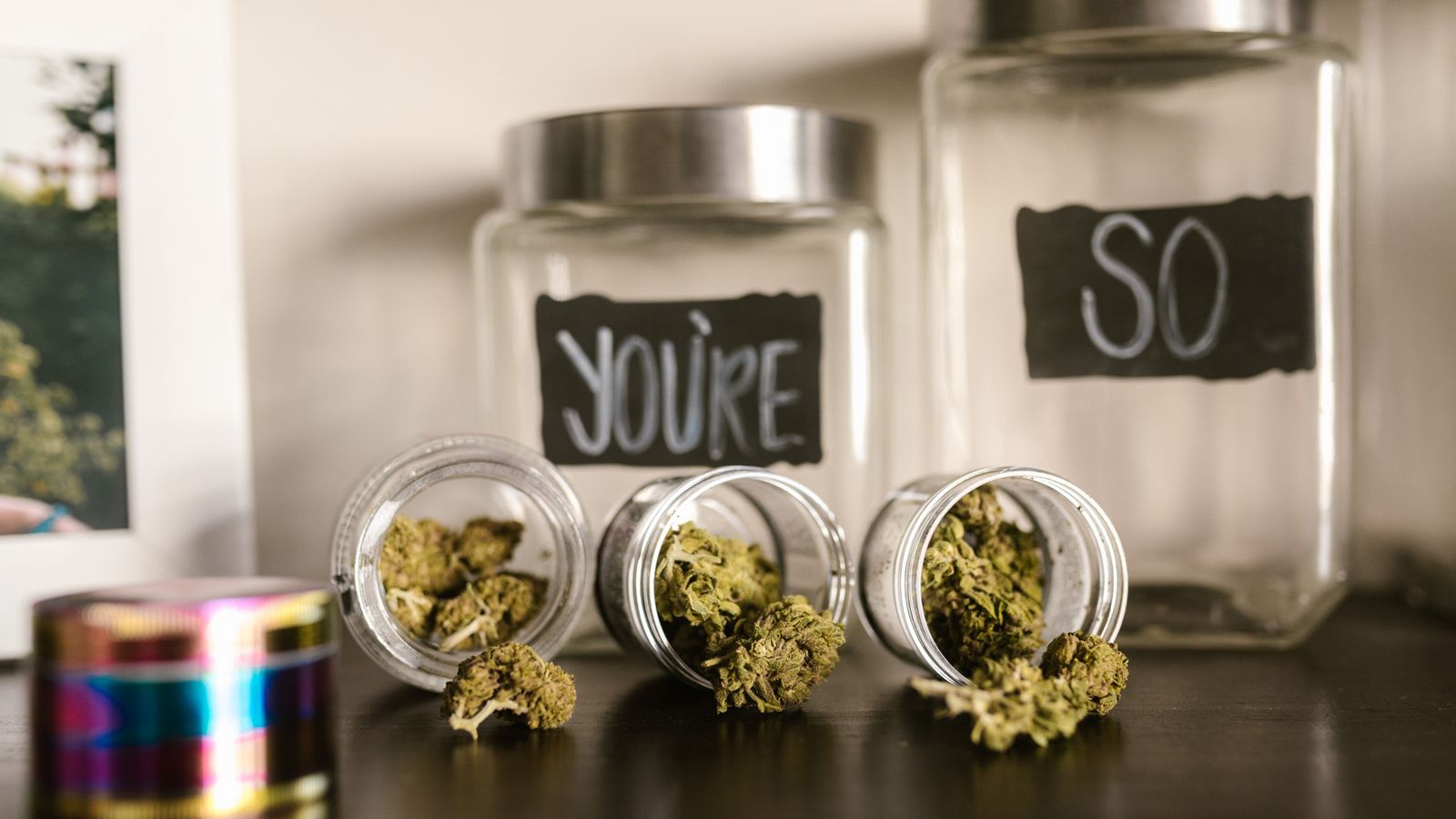
Glass jars filled with cannabis buds on a wooden shelf, emphasizing legal marijuana culture.
First Dispensary Brings Access to Underserved Region
The new dispensary eliminates a significant access barrier for northern Alabama patients, who previously traveled 90-120 miles one-way to reach the nearest licensed retailer. Alabama's Medical Cannabis Commission approved the dispensary license earlier this year as part of a statewide rollout that prioritized geographic distribution. The state's medical cannabis law, passed in 2021, requires the commission to ensure reasonable access across all regions.
Huntsville hosts the facility. It's the state's fourth-largest city and the anchor of the Tennessee Valley region. Operators told local media they expect to serve patients from Madison, Limestone, Jackson, and Marshall counties.
Owners Cite Regulatory Delays and Startup Costs
The dispensary's owners said the path to opening required 18 months of regulatory compliance work and an initial capital investment exceeding $1 million. Alabama's medical cannabis rules impose strict security, testing, and inventory-tracking requirements that delayed several license-holders statewide. Owners declined to disclose their names in the local broadcast interview but confirmed they're Alabama residents with no prior cannabis-industry experience.
Startup costs included:
- Vault-grade security systems and 24/7 surveillance
- Seed-to-sale tracking software integrated with the state's METRC system
- Staff training and background checks for all employees
- Facility build-out to meet Alabama Medical Cannabis Commission standards
They're sourcing product exclusively from Alabama-licensed cultivators and processors, as required by state law.
Alabama's Medical Cannabis Program Reaches 15 Dispensaries
The North Alabama opening brings the statewide dispensary count to 15, with three additional licenses under construction. The Alabama Medical Cannabis Commission has issued 37 dispensary licenses to date, but fewer than half have opened due to financing and compliance hurdles. Commission data shows 12,400 registered patients statewide, a figure that's grown 18% since June.
For full background on this story, see the CannIntel topic hub on Alabama Medical Cannabis Program.
Qualifying Conditions and Product Availability
Alabama law permits medical cannabis for 15 qualifying conditions, including chronic pain, PTSD, cancer, epilepsy, and Crohn's disease. Patients must obtain a recommendation from a state-registered physician and register with the Medical Cannabis Commission. Registration costs $65 annually.
Available products include flower, tinctures, capsules, and topicals. Alabama law prohibits edibles and vape cartridges containing more than 10% THC. Smokable flower is capped at 20% THC by weight. Initial inventory includes products from three Alabama cultivators, with plans to expand vendor relationships as supply stabilizes, owners said.
Local Reception and Community Concerns
The dispensary's opening drew mixed reactions from Huntsville residents, with some expressing relief at local access and others citing concerns about security and youth exposure. It sits in a commercial district zoned for medical use, more than 500 feet from schools and daycare centers as required by state law. Local law enforcement hasn't reported any security incidents related to the opening.
The cleanest read on community sentiment is cautious optimism — patients welcome the access, while neighbors are watching closely for any operational issues.
Owners said they've met with neighborhood associations and local officials to address concerns. The dispensary operates with on-site security and doesn't permit walk-in traffic; all purchases require advance online ordering and appointment scheduling.
What to Watch: Expansion and Market Maturation
The next phase of Alabama's rollout will test whether the state's conservative regulatory framework can support a financially viable market. Industry observers note that Alabama's high licensing fees, strict product limits, and limited qualifying conditions have slowed market growth compared to neighboring states. Mississippi launched its medical program six months after Alabama. It now has 22 operational dispensaries and 18,000 registered patients.
The Alabama Medical Cannabis Commission is scheduled to review the program's first-year performance in November. Stakeholders are pushing for expanded qualifying conditions and higher THC limits, but legislative action isn't likely before the 2027 session. Commission's next dispensary license lottery is set for January, with priority for underserved counties in the state's rural northwest and southeast regions.
For complete background, history, and our ongoing coverage of this story:
Open the CannIntel topic hub →Frequently asked questions
How many medical cannabis dispensaries are open in Alabama?
Alabama has 15 operational medical cannabis dispensaries as of September 2026. The Alabama Medical Cannabis Commission has issued 37 dispensary licenses, but fewer than half have opened due to financing and regulatory compliance challenges.
What conditions qualify for medical cannabis in Alabama?
Alabama law permits medical cannabis for 15 qualifying conditions, including chronic pain, PTSD, cancer, epilepsy, Crohn's disease, and terminal illness. Patients must obtain a recommendation from a state-registered physician and register with the Medical Cannabis Commission.
What types of cannabis products are legal in Alabama?
Alabama allows smokable flower (capped at 20% THC), tinctures, capsules, and topicals. The state prohibits edibles and vape cartridges containing more than 10% THC. All products must be sourced from Alabama-licensed cultivators and processors.
How much does it cost to become a medical cannabis patient in Alabama?
Alabama's medical cannabis patient registration fee is $65 annually. Patients must also pay for a physician consultation to obtain a recommendation, which typically costs $150-$250 depending on the provider.
Sources
The cannabis newsletter you forward to your team.
Federal policy, market data, grower alerts, and the one story that matters today. Sent every weekday at 7am. Free.
No spam. Unsubscribe with one click. 21+ only.
Related from Business

High Tide Reports Record Q3 2026 Revenue, Details Withheld
Canadian cannabis retailer announces record third-quarter results but withholds key financial metrics in initial disclosure.

Canopy Growth Narrows Losses but Stock Lags on Investor Skepticism
Despite operational improvements and reduced quarterly losses, Canopy Growth shares remain flat as investors question path to profitability.
U.S. Census Reports $3.55B in Cannabis Excise Tax Revenue Across 30 States
Federal data tracks state-level cannabis tax collections for the first time despite Schedule I status.
More from the newsroom

Ohio identifies Vapen cartridge in health complaints, store closure
Vext names product after state investigation triggers dispensary shutdown and patient reports.
New York vows hemp THC beverage crackdown amid illegal retail surge
State officials acknowledge widespread unlicensed sales despite prohibition outside licensed cannabis channels.

Teen Cannabis Surveys Miss Rising Use Disorder, Kaiser Study Finds
Self-reported adolescent consumption data diverge from clinical diagnoses, masking treatment gaps in legalized states.