Alabama Medical Cannabis Program — Qualifying Conditions, Dispensaries & Patient Guide
Alabama's medical cannabis program, established by the Darren Wesley 'Ato' Hall Compassion Act in 2021, began patient sales in 2024 after years of regulatory development. The program allows patients with qualifying conditions including chronic pain, PTSD, cancer-related symptoms, and terminal illnesses to access medical marijuana through licensed dispensaries. Alabama's program is among the most restrictive in the nation, prohibiting smokable flower and limiting product forms to oils, capsules, topicals, and other non-combustible formats. The Alabama Medical Cannabis Commission oversees licensing, cultivation, processing, and dispensing operations across the state.
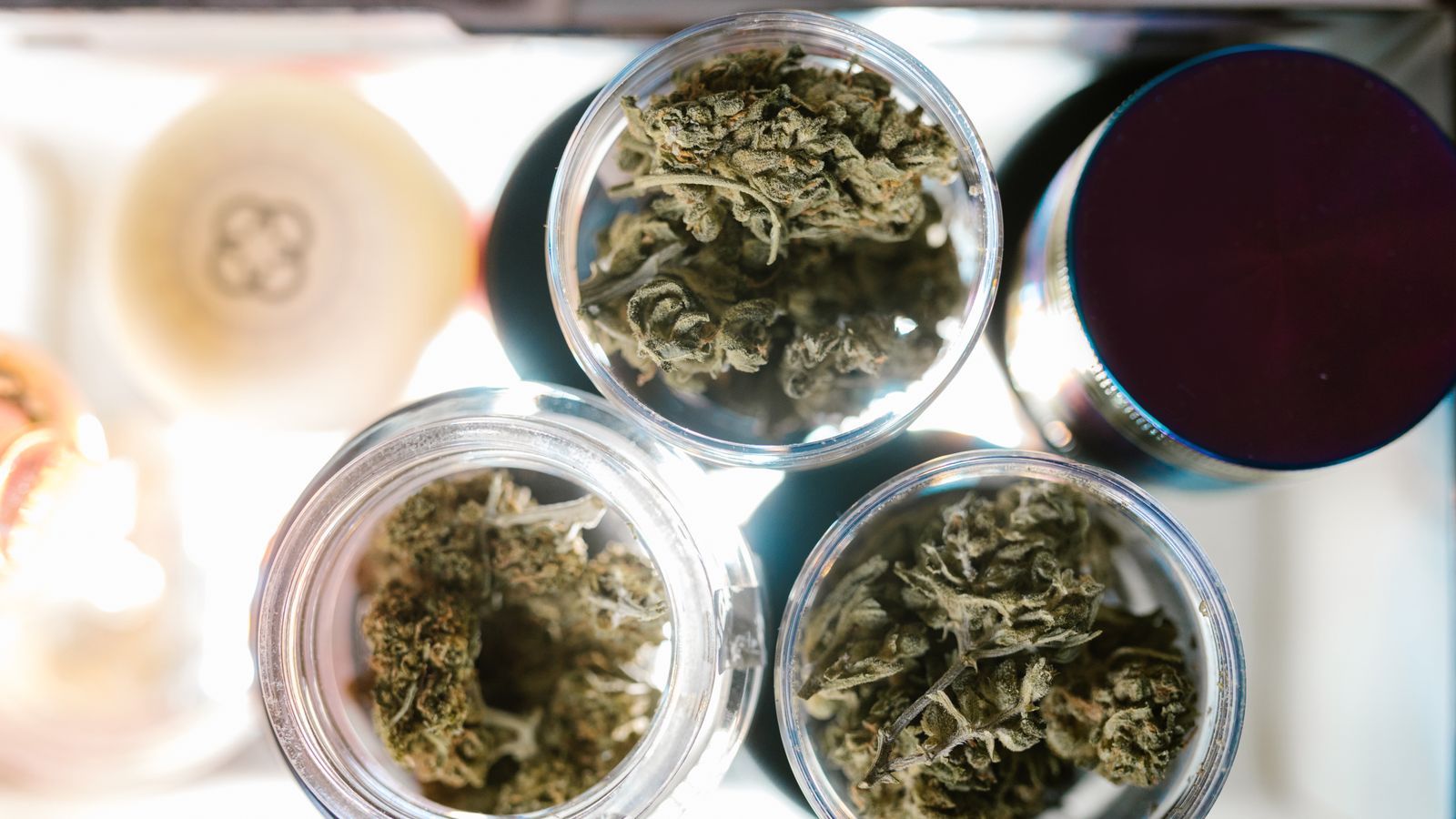
Executive Summary
Alabama's medical cannabis program reached a historic milestone in May 2026 with the opening of its first licensed dispensary, marking the culmination of a five-year journey from legislative authorization to operational retail access. The Alabama Medical Cannabis Commission (AMCC) authorized the state's inaugural dispensary opening following years of regulatory development, licensing delays, and legal challenges that postponed patient access repeatedly since the Darren Wesley 'Ato' Hall Compassion Act became law in May 2021. The program permits qualified patients with one of 16 specified medical conditions to purchase cannabis products from licensed dispensaries, though smoking and vaping remain prohibited under Alabama law. With approximately 10,000 registered patients as of May 2026 and dozens of cultivation, processing, and dispensary licenses awarded, Alabama became the 38th state to implement a functioning medical cannabis program, ending its status as one of the last Deep South states to provide legal access. The program operates under strict vertical integration requirements, seed-to-sale tracking, and conservative product limitations that distinguish it from more permissive medical programs in neighboring states.Why This Matters
The launch of Alabama's medical cannabis program directly affects an estimated 50,000 to 100,000 residents who qualify under the state's 16 approved medical conditions, ending decades of prohibition that forced patients to choose between legal compliance and symptom relief. The program's economic impact extends across multiple sectors. The AMCC issued 90 integrated facility licenses, 12 independent testing laboratory licenses, and 4 independent processor licenses as of April 2026, according to commission records. Industry analysts project the Alabama medical cannabis market will generate $150 million to $200 million in annual sales within three years of full implementation, creating approximately 1,500 direct jobs in cultivation, processing, retail, and testing facilities across the state. For patients with qualifying conditions including cancer, chronic pain, post-traumatic stress disorder, epilepsy, and terminal illnesses, the program provides legal access to cannabis products previously obtainable only through illegal markets or interstate travel. The Alabama Department of Public Health reported 9,847 active medical cannabis patient registrations as of May 1, 2026, with applications increasing by approximately 400 per week following the announcement of imminent dispensary openings. The program carries significant implications for Alabama's criminal justice system. While possession of cannabis without a medical card remains a criminal offense under Alabama Code § 13A-12-213, the medical program creates a legal defense for registered patients possessing up to 70 daily doses of cannabis products. District attorneys in Jefferson County, Madison County, and Mobile County have reported reviewing pending possession cases to identify defendants who may qualify for medical cannabis cards, potentially reducing misdemeanor prosecution volumes. Alabama's conservative regulatory approach—prohibiting smokable flower, limiting THC concentrations, and requiring vertical integration—positions the state as a test case for medical cannabis implementation in traditionally prohibitionist jurisdictions. Neighboring states including Mississippi, Georgia, and Tennessee are monitoring Alabama's rollout as they develop or expand their own medical programs.Background and History: From Prohibition to Patient Access
Alabama maintained absolute cannabis prohibition for nearly a century before the legislature authorized a limited medical program in 2021, making it one of the last states in the nation to recognize cannabis's therapeutic potential.Pre-2014: Absolute Prohibition Era
Alabama criminalized cannabis possession and distribution in the 1930s as part of the national wave of prohibition following the federal Marihuana Tax Act of 1937. For eight decades, Alabama Code § 13A-12-213 classified any cannabis possession as a criminal offense, with penalties ranging from misdemeanor charges for small amounts to felony charges for larger quantities. The state maintained some of the strictest cannabis laws in the nation, with no decriminalization measures and mandatory minimum sentences for distribution offenses. Medical cannabis advocacy remained minimal in Alabama through the 1990s and early 2000s, even as California, Oregon, and other states pioneered medical programs. Conservative political leadership, strong law enforcement opposition, and limited organized patient advocacy prevented serious legislative consideration of medical cannabis reform.2014: Carly's Law—The First Crack in Prohibition
Alabama's first cannabis reform came through Carly's Law (Senate Bill 174), signed by Governor Robert Bentley on April 1, 2014. The legislation, named for Carly Chandler, a young girl with severe epilepsy, authorized the University of Alabama at Birmingham to conduct clinical research on cannabidiol (CBD) for treatment-resistant epilepsy. The law permitted UAB researchers to provide CBD oil with no more than 3% THC to patients enrolled in the study, creating Alabama's first legal cannabis access pathway, albeit extremely limited. Carly's Law established no commercial infrastructure and served only research participants, but it represented a critical shift in Alabama's political discourse around cannabis. For the first time, state legislators acknowledged cannabis derivatives could provide legitimate medical benefits, creating a foundation for future reform efforts.2016: Leni's Law Expands CBD Access
Building on Carly's Law, the legislature passed Leni's Law (Senate Bill 347) in May 2016, signed by Governor Bentley. This legislation expanded legal CBD access beyond research participants to any Alabama resident with a debilitating epileptic condition, provided they obtained a recommendation from a neurologist or epileptologist. Leni's Law permitted CBD products containing no more than 3% THC, maintained the prohibition on other cannabis forms, and established no in-state production or retail infrastructure. Patients under Leni's Law obtained CBD products from out-of-state sources, creating legal ambiguity around interstate transport. The law provided an affirmative defense against prosecution but did not establish a regulated supply chain, leaving patients to navigate a gray market of CBD products with inconsistent quality and potency.2019-2020: Failed Comprehensive Medical Cannabis Bills
Senator Tim Melson, an anesthesiologist from Florence, emerged as the leading legislative champion for comprehensive medical cannabis reform. In 2019, Melson introduced Senate Bill 236, which would have established a full medical cannabis program with in-state cultivation, processing, and dispensing. The bill passed the Senate Judiciary Committee but stalled in the full Senate amid opposition from law enforcement groups and conservative legislators concerned about federal illegality and potential recreational expansion. Melson reintroduced similar legislation in 2020 as Senate Bill 165, incorporating feedback from opponents and adding stricter controls. The 2020 bill advanced further than previous efforts but failed to reach a floor vote before the legislative session ended, delayed in part by the COVID-19 pandemic's disruption of the legislative calendar.2021: The Darren Wesley 'Ato' Hall Compassion Act Becomes Law
On May 17, 2021, Governor Kay Ivey signed Senate Bill 46, the Darren Wesley 'Ato' Hall Compassion Act, into law, establishing Alabama's comprehensive medical cannabis program. Named for a former Auburn University football player and police officer who died from cancer, the legislation represented a compromise between patient advocates seeking broad access and conservative legislators concerned about public safety and federal conflicts. The Compassion Act, codified as Alabama Code § 20-2A-1 et seq., authorized medical cannabis for patients with 16 specified qualifying conditions:- Cancer-related cachexia, nausea, or weight loss
- Chronic or intractable pain
- Epilepsy or other seizure disorders
- Post-traumatic stress disorder (PTSD)
- Persistent nausea not significantly responsive to traditional treatment
- Crohn's disease
- HIV/AIDS-related nausea or weight loss
- Panic disorder
- Parkinson's disease
- Spasticity associated with multiple sclerosis or spinal cord injury
- Tourette's syndrome
- Terminal illness
- Autism spectrum disorder
- Sickle cell anemia
- Conditions causing chronic or intractable pain in which conventional therapeutic intervention is contraindicated or ineffective
- Any other condition approved by the Alabama Medical Cannabis Commission
2021-2022: Regulatory Development and Initial Licensing
Following the law's enactment, the AMCC began the complex process of developing comprehensive regulations for cultivation, processing, testing, transportation, and dispensing. The commission held public hearings throughout late 2021 and early 2022, receiving input from prospective licensees, patient advocates, law enforcement, and other stakeholders. In August 2022, the AMCC adopted final rules governing the medical cannabis program, published in the Alabama Administrative Code. The regulations established:- Integrated facility licenses permitting cultivation, processing, and dispensing at a single location
- Security requirements including 24-hour video surveillance and alarm systems
- Seed-to-sale tracking using a state-mandated inventory control system
- Product testing requirements for potency, pesticides, heavy metals, microbials, and mycotoxins
- Packaging and labeling standards including child-resistant containers and THC content disclosure
- Limits on THC concentration and daily patient purchase limits
2023: Licensing Delays and Legal Challenges
The AMCC's license review process extended through 2023 as commissioners evaluated applications using a scoring rubric that assessed business plans, financial capacity, security protocols, and community impact. The commission faced criticism from unsuccessful applicants who challenged the scoring methodology and alleged favoritism toward certain applicants. In June 2023, the AMCC announced the first round of provisional license awards, granting 90 integrated facility licenses to applicants across Alabama. However, multiple unsuccessful applicants filed administrative appeals and lawsuits challenging the commission's decisions, alleging procedural irregularities and scoring inconsistencies. The legal challenges delayed license finalization and facility construction throughout late 2023 and early 2024. The Alabama Court of Civil Appeals heard consolidated appeals in March 2024, ultimately upholding the AMCC's licensing decisions in a ruling issued in July 2024. The court found the commission followed proper procedures and applied its scoring criteria consistently, rejecting claims of bias or favoritism.2024-2025: Infrastructure Development and Patient Registration
With legal challenges resolved, licensed operators began constructing cultivation facilities, processing laboratories, and dispensaries throughout 2024 and early 2025. The capital-intensive nature of cannabis operations—requiring specialized HVAC systems, security infrastructure, and compliance technology—meant most facilities required 12 to 18 months from license award to operational readiness. The Alabama Department of Public Health launched the patient and physician registration system in January 2025, allowing qualifying patients to apply for medical cannabis cards online or by mail. The application required a physician certification confirming a qualifying condition, a $65 application fee, and proof of Alabama residency. The department reported processing approximately 500 patient applications per week in the first quarter of 2025, with approval rates exceeding 90%. By December 2025, Alabama had 8,200 registered patients and 412 registered physicians authorized to certify patients for medical cannabis, according to ADPH data. Patient registration accelerated in early 2026 as dispensary opening dates approached, reaching nearly 10,000 registered patients by May 2026.May 2026: First Dispensary Opens
On May 15, 2026, Alabama's first licensed medical cannabis dispensary opened in Birmingham, serving the state's first legal medical cannabis customers and ending the five-year implementation period. The dispensary, operated by Alabama Always, an integrated facility licensee, opened following final inspection approval from the AMCC and successful test results for its initial product inventory. The opening represented a milestone not only for Alabama patients but for the broader Southeast region, where medical cannabis access remains limited compared to Western and Northeastern states. Additional dispensaries in Montgomery, Mobile, Huntsville, and Tuscaloosa were expected to open within weeks of the Birmingham location, according to AMCC licensing records.Key Players in Alabama's Medical Cannabis Program
Alabama Medical Cannabis Commission
The Alabama Medical Cannabis Commission serves as the primary regulatory authority overseeing all aspects of the state's medical cannabis program, from licensing to enforcement. Established by the Compassion Act, the 14-member commission includes:- A physician appointed by the Medical Association of the State of Alabama
- A pharmacist appointed by the Alabama Pharmacy Association
- An attorney appointed by the Alabama State Bar
- A representative from the Alabama Farmers Federation
- A representative from the Alabama Sheriffs Association
- A representative from the Alabama Association of Chiefs of Police
- Additional members appointed by the governor, lieutenant governor, and speaker of the house
Alabama Department of Public Health
The Alabama Department of Public Health administers the patient and physician registration system, maintaining the confidential database of qualified patients and certifying physicians. ADPH processes patient applications, issues medical cannabis cards, and provides educational resources about the program. State Health Officer Dr. Scott Harris has emphasized the department's commitment to ensuring patient privacy while maintaining program integrity through verification of qualifying conditions and residency requirements.Senator Tim Melson
Senator Tim Melson, representing District 1 in northern Alabama, served as the primary legislative sponsor of the Compassion Act and remains the program's leading advocate in the state legislature. An anesthesiologist by profession, Melson introduced medical cannabis legislation in three consecutive sessions before achieving passage in 2021. He has continued to monitor program implementation and introduced technical amendments to address operational issues identified during the rollout.Governor Kay Ivey
Governor Kay Ivey signed the Compassion Act into law in May 2021 after initially expressing reservations about medical cannabis. In her signing statement, Ivey said the legislation represented a "highly regulated approach" that balanced patient needs with public safety concerns. The governor appoints several AMCC members and has supported the commission's deliberate implementation timeline despite criticism from patient advocates seeking faster access.Alabama Always and Other Licensed Operators
Alabama Always, the operator of Alabama's first dispensary, represents one of 90 integrated facility licensees authorized under the program. The company, backed by Alabama-based investors and experienced cannabis industry operators from other states, constructed a 50,000-square-foot cultivation and processing facility in Birmingham with an attached retail dispensary. The company's product line at launch included tinctures, capsules, and topical formulations in multiple THC-to-CBD ratios. Other significant licensees include Southern Grown, operating facilities in Montgomery and Mobile; Yellowhammer Cannabis, with operations in Huntsville; and Alabama Medicinals, serving the Tuscaloosa market. Most integrated facility licensees are Alabama-based companies, as the AMCC's scoring criteria awarded points for in-state ownership and local economic impact.Patient Advocacy Organizations
Alabama NORML and Alabamians for Cannabis Reform served as primary advocacy organizations supporting medical cannabis legislation and monitoring program implementation. These groups organized patient testimony at legislative hearings, educated the public about medical cannabis benefits, and advocated for program improvements including addition of qualifying conditions and product form expansion.Law Enforcement Opposition
The Alabama Sheriffs Association and Alabama Association of Chiefs of Police initially opposed comprehensive medical cannabis legislation, expressing concerns about impaired driving, diversion to illegal markets, and federal law conflicts. While these organizations ultimately did not block the Compassion Act's passage, they successfully advocated for strict security requirements, law enforcement representation on the AMCC, and prohibitions on smokable products.Legal and Regulatory Framework
Alabama's medical cannabis program operates under Alabama Code § 20-2A-1 et seq., establishing one of the most restrictive medical cannabis frameworks in the nation while creating a comprehensive seed-to-sale regulatory structure.Qualifying Conditions and Patient Eligibility
Patients must receive certification from an Alabama-licensed physician confirming diagnosis of one of the 16 qualifying conditions specified in Alabama Code § 20-2A-21. The physician must have an established doctor-patient relationship and conduct an in-person examination before issuing a certification. Telemedicine certifications are prohibited under current regulations. Patients under 19 years of age require certification from two physicians, including at least one pediatric subspecialist, and must have a designated caregiver to obtain and administer cannabis products on their behalf, as specified in Alabama Code § 20-2A-23.Product Forms and Possession Limits
Alabama Code § 20-2A-3 explicitly prohibits smoking or vaping of cannabis, limiting patients to:- Tablets and capsules
- Gelatinous cubes and gummies
- Oils and tinctures for oral administration
- Topical formulations including lotions and creams
- Transdermal patches
- Suppositories
- Nebulizers for aerosolized administration
Licensing Structure and Requirements
The AMCC issues four license types under Alabama Administrative Code Chapter 538-X-8: Integrated Facility Licenses permit cultivation, processing, and dispensing at a single location or affiliated locations. The commission awarded 90 integrated facility licenses in the initial licensing round, with no statutory cap on total licenses. Licensees must maintain $500,000 in surety bonds, implement seed-to-sale tracking, and comply with extensive security requirements including 24-hour video surveillance retention for 90 days. Independent Testing Laboratory Licenses authorize third-party testing of cannabis products for potency, contaminants, and safety. The commission issued 12 testing laboratory licenses, requiring ISO 17025 accreditation and prohibiting financial relationships with cultivators or processors. Independent Processor Licenses permit manufacturing of cannabis products from raw material purchased from cultivators. The commission awarded 4 independent processor licenses to applicants demonstrating pharmaceutical-grade manufacturing capabilities. Transporter Licenses authorize movement of cannabis products between licensed facilities using GPS-tracked vehicles and manifesting systems.Vertical Integration and Market Structure
Alabama's integrated facility license structure creates a vertically integrated market where most operators control cultivation, processing, and retail. This model differs from states like Oklahoma or Michigan that permit independent retailers to purchase from multiple suppliers. Proponents argue vertical integration enhances product safety and supply chain security, while critics contend it limits competition and patient choice. The AMCC regulations permit integrated facility licensees to operate multiple dispensary locations under a single license, potentially creating multi-location chains. However, the commission's geographic distribution requirements aim to ensure access across Alabama's 67 counties, with license scoring criteria favoring applicants proposing dispensaries in underserved regions.Federal Law Conflicts and Banking Challenges
Cannabis remains a Schedule I controlled substance under the federal Controlled Substances Act, 21 U.S.C. § 812, creating ongoing legal conflicts for state-licensed operators. Alabama Code § 20-2A-4 explicitly states the medical cannabis program does not provide immunity from federal prosecution, though the Rohrabacher-Farr Amendment (continued in annual federal appropriations bills) prohibits the Department of Justice from using funds to interfere with state medical cannabis programs. The federal illegality creates significant banking challenges. Most Alabama-licensed operators lack access to traditional banking services, as federally insured banks risk prosecution for money laundering under 18 U.S.C. § 1956 when handling cannabis proceeds. Some operators have established relationships with credit unions or state-chartered banks willing to serve cannabis businesses under FinCEN guidance, while others operate primarily in cash. The SAFE Banking Act, which would provide federal safe harbor for banks serving state-licensed cannabis businesses, has passed the U.S. House of Representatives multiple times but has not been enacted into law as of May 2026, leaving Alabama operators in regulatory limbo.Employment Protections and Limitations
Alabama Code § 20-2A-54 provides limited employment protections for medical cannabis patients. The law prohibits employers from discriminating against employees solely based on status as a medical cannabis patient, but permits employers to:- Prohibit cannabis use during work hours or on employer premises
- Discipline employees who are impaired by cannabis while working
- Refuse to hire or terminate employees in safety-sensitive positions
- Comply with federal drug-free workplace requirements
Market and Business Implications
Alabama's medical cannabis market is projected to generate $150 million to $200 million in annual sales within three years of full implementation, creating a new agricultural and pharmaceutical sector in a traditionally conservative state.Market Size and Growth Projections
With approximately 10,000 registered patients as of May 2026 and eligibility extending to an estimated 50,000 to 100,000 Alabama residents with qualifying conditions, the state's medical cannabis market represents significant economic opportunity. Industry analysts at Brightfield Group project Alabama will reach 25,000 to 30,000 active patients by the end of 2026 and 50,000 to 60,000 patients by 2028, assuming continued dispensary expansion and physician adoption. Average patient spending in mature medical cannabis markets ranges from $2,500 to $4,000 annually, according to data from Arcview Market Research. Applying these benchmarks to Alabama's projected patient population suggests a market size of $75 million to $120 million in the first full year of operations, growing to $150 million to $240 million by 2028. Alabama's prohibition on smokable flower may suppress per-patient spending compared to states permitting all product forms, as flower typically represents the lowest-cost option per milligram of THC. However, the restriction may drive higher margins for processors producing value-added products like tinctures and edibles.Capital Investment and Job Creation
The 90 integrated facility licensees collectively represent an estimated $500 million to $700 million in capital investment across cultivation facilities, processing laboratories, and retail dispensaries. A typical integrated facility requires $5 million to $10 million in startup capital for real estate, construction, equipment, and initial inventory. The AMCC estimated the program would create approximately 1,500 direct jobs in cultivation, processing, retail, testing, and transportation, plus additional indirect employment in construction, security, legal services, and professional services. Average wages in the cannabis industry range from $35,000 to $45,000 for entry-level cultivation and retail positions to $75,000 to $100,000 for master growers, extraction technicians, and laboratory managers.Tax Revenue and Economic Impact
Alabama imposes a 9% excise tax on gross receipts from medical cannabis sales, collected at the point of retail sale, under Alabama Code § 20-2A-80. This tax is in addition to state and local sales taxes, creating a total tax burden of approximately 13% to 15% depending on local rates. At projected market sizes of $150 million to $200 million annually, the 9% excise tax would generate $13.5 million to $18 million per year for the state general fund. The Compassion Act directs a portion of excise tax revenue to fund AMCC operations, with remaining funds available for general appropriation. Additional state revenue comes from licensing fees, including $100,000 initial application fees for integrated facility licenses and $50,000 annual renewal fees, generating approximately $9 million annually from the 90 integrated facility licensees alone.Multi-State Operator Interest
Several multi-state operators (MSOs) with operations in other medical and adult-use markets have entered Alabama through partnerships with local licensees or direct license awards. These companies bring operational expertise, capital access, and established product brands to Alabama's emerging market. However, Alabama's vertical integration requirements and relatively small initial market size make the state less attractive to large MSOs compared to adult-use markets like New York or New Jersey. Most Alabama licensees are Alabama-based companies or regional operators focused on Southeastern states.Wholesale Market Dynamics
Alabama's integrated facility license structure limits wholesale market development, as most operators cultivate and process their own products for retail sale. The four independent processor licenses create limited wholesale demand for raw cannabis material, while the 12 testing laboratory licenses serve a captive market of licensed operators required to test all products before retail sale. Wholesale cannabis prices in Alabama are expected to range from $1,500 to $2,500 per pound for raw material sold by cultivators to independent processors, based on pricing in comparable medical-only markets. Retail product pricing varies by form, with tinctures typically priced at $40 to $80 per 30-day supply and edibles at $25 to $50 per package, according to early pricing data from the Birmingham dispensary.Insurance and Financial Services Challenges
Alabama-licensed operators face significant challenges obtaining business insurance, as most national carriers decline to insure cannabis businesses due to federal illegality. Specialty insurers serving the cannabis industry charge premiums 2 to 3 times higher than comparable non-cannabis businesses, increasing operating costs. The lack of banking access forces many operators to manage large cash volumes, increasing security risks and operational complexity. Some operators have established relationships with Hypur and other cannabis-focused payment processors to enable cashless transactions, but these systems remain unavailable to patients without bank accounts.What Experts Say
Medical professionals, policy analysts, and industry experts have offered varied assessments of Alabama's medical cannabis program, praising its careful regulatory approach while questioning restrictions that limit patient access and product choice. Dr. Jerzy Szaflarski, director of the UAB Epilepsy Center and principal investigator for Alabama's CBD research under Carly's Law, told the Birmingham News in April 2026 that the medical cannabis program represents "a significant step forward for patients who have exhausted conventional treatment options." Szaflarski noted that his research demonstrated meaningful seizure reduction in pediatric epilepsy patients using CBD, providing evidence supporting broader medical cannabis access. However, Szaflarski expressed concern about the prohibition on smokable cannabis, stating that some patients may benefit from inhaled administration's rapid onset. He indicated that the AMCC should consider permitting vaporized products as the program matures and safety data accumulates. Karen O'Keefe, director of state policies at the Marijuana Policy Project, characterized Alabama's program as "overly restrictive" in comments to Marijuana Moment in May 2026. O'Keefe noted that the prohibition on flower and vaping products, combined with limited qualifying conditions compared to states like Oklahoma or California, would likely result in lower patient participation rates. She projected Alabama would serve a smaller percentage of its eligible population than states with more permissive programs. Paul Armentano, deputy director of NORML, told AL.com in May 2026 that Alabama's vertical integration model would likely result in higher product prices and reduced patient choice compared to markets with independent retailers. Armentano said that states permitting competitive wholesale markets typically see lower prices as cultivation capacity expands, while vertically integrated markets maintain higher prices due to limited competition. Dr. Peter Grinspoon, a primary care physician and cannabis specialist at Massachusetts General Hospital, said in an interview with the Associated Press in May 2026 that Alabama's physician certification requirements—including mandatory in-person examinations and established doctor-patient relationships—represent "best practices" that balance access with medical oversight. Grinspoon contrasted Alabama's approach with states like California and Oklahoma that permit telemedicine certifications, which he said can lead to inadequate patient evaluation. Andrew Kline, a cannabis industry attorney with Perkins Coie, told Bloomberg Law in April 2026 that Alabama's deliberate implementation timeline, while frustrating for patients, reduced the compliance failures and product recalls that plagued faster-moving programs in other states. Kline noted that states rushing to open dispensaries within months of legislation often experienced supply shortages, product contamination issues, and regulatory confusion. However, Kline acknowledged that the five-year gap between legislation and patient access represented an "unacceptably long" delay that forced qualifying patients to continue using illegal markets or forgo treatment entirely.What's Next: Program Expansion and Future Developments
Alabama's medical cannabis program will continue expanding through 2026 and 2027 as additional dispensaries open, patient registration grows, and the AMCC addresses operational issues identified during the initial rollout.Near-Term Dispensary Openings (May-December 2026)
The AMCC has approved approximately 30 integrated facility licensees for final inspection as of May 2026, with dispensary openings expected throughout the remainder of the year. Facilities in Montgomery, Mobile, Huntsville, Tuscaloosa, and Dothan are scheduled to open by July 2026, according to commission records. The commission projects that 50 to 60 dispensaries will be operational by December 2026, providing coverage across most of Alabama's major population centers. Rural access remains limited, with some counties lacking nearby dispensaries, though the AMCC's regulations permit delivery services that may address geographic gaps.Product Form Expansion Debate
Patient advocates and some physicians have called for the AMCC to permit smokable cannabis flower and vaporized products, arguing that the current product restrictions limit therapeutic options and increase costs. The commission has indicated it will review the product form restrictions in 2027 after collecting data on patient outcomes and program operations. Senator Melson introduced Senate Bill 112 in the 2026 legislative session, which would authorize smokable flower for qualifying patients, but the bill has not advanced out of committee as of May 2026. Melson said he expects continued legislative debate on product forms as the program matures and public attitudes evolve.Qualifying Condition Additions
The AMCC has authority under Alabama Code § 20-2A-21 to add qualifying conditions through rulemaking. Patient advocates have petitioned the commission to add conditions including fibromyalgia, migraines, and opioid use disorder to the qualifying condition list. The commission has indicated it will consider condition additions in late 2026 or early 2027, following review of medical literature and consultation with physician groups. Any condition additions would require public notice and comment under Alabama's administrative procedures act.Federal Rescheduling Implications
The U.S. Drug Enforcement Administration initiated a rulemaking process in 2024 to reschedule cannabis from Schedule I to Schedule III under the Controlled Substances Act, following a recommendation from the Department of Health and Human Services. If finalized, rescheduling would maintain federal prohibition but recognize cannabis's accepted medical use and lower abuse potential. Schedule III status would eliminate Internal Revenue Code § 280E restrictions that currently prevent cannabis businesses from deducting ordinary business expenses on federal tax returns, potentially improving profitability for Alabama licensees. However, rescheduling would not resolve banking access issues or provide complete federal legal protection for state-licensed operators. The DEA's rescheduling process remained pending as of May 2026, with a final rule expected in late 2026 or 2027 following public comment and administrative review.Reciprocity Considerations
Alabama's medical cannabis law does not currently recognize out-of-state medical cannabis cards, requiring visiting patients to obtain Alabama certification to purchase products legallyUpdate — May 31, 2026: First Alabama Dispensary Opens, 11 More Licensed Locations Pending
Alabama's medical cannabis program reached operational status in May 2026 with one dispensary now serving patients and 11 additional licensed dispensaries preparing to open, according to state regulatory updates. The milestone marks the transition from regulatory framework to active patient access nearly five years after the Alabama Medical Cannabis Commission was established under the 2021 Compassion Act.
The operational dispensary represents the first point of legal medical cannabis sales in state history. All 12 licensed dispensaries received state approval following facility inspections, security audits, and inventory tracking system integration with the Alabama Medical Cannabis Commission's seed-to-sale platform. The staggered openings reflect varying timelines for local zoning clearances, product procurement, and staff training requirements mandated under Alabama Administrative Code Rule 538-X-9.
Patients holding valid Alabama Medical Cannabis Commission registry cards can now purchase products for the 15 qualifying conditions enumerated in Alabama Code § 20-2A-20, including terminal illness, chronic pain, PTSD, and epilepsy. Dispensaries must stock at least three product forms—such as tablets, capsules, topicals, or sublingual preparations—but smokable flower remains prohibited under current statute.
The expansion matters operationally because geographic distribution of the 11 pending dispensaries will determine patient access across Alabama's rural counties. Commission data showed over 8,000 registered patients as of April 2026, with concentrations in Jefferson, Mobile, and Madison counties. Statewide dispensary coverage directly impacts compliance rates and reduces gray-market diversion risk during the program's critical first year of sales.
Update — June 3, 2026: First Medical Cannabis Sale Completed in Alabama
Alabama completed its first legal medical cannabis transaction on June 3, 2026, when a Cullman woman became the state's inaugural patient to receive cannabis under the Alabama Medical Cannabis Commission's regulatory framework. The milestone occurred more than four years after the Alabama Compassion Act passed in May 2021, marking the operational launch of a program that faced repeated delays in licensing, cultivation, and dispensary approvals.
The transaction represents the culmination of a protracted rollout that saw the Alabama Medical Cannabis Commission award integrated facility licenses in 2023 and approve the first dispensary locations in early 2025. Patients with qualifying conditions—including cancer, chronic pain, PTSD, and epilepsy—can now access products at licensed dispensaries after obtaining certification from an approved physician and registering with the commission's patient portal.
Alabama's program prohibits smokable flower, restricting patients to oils, gels, tablets, capsules, suppositories, transdermal patches, nebulizers, and lozenges. The state's regulatory structure requires vertical integration, with licensed operators managing cultivation, processing, and retail under a single entity to maintain seed-to-sale tracking and quality control.
The first sale provides operational proof that Alabama's supply chain—from cultivation facilities to third-party testing labs to dispensary point-of-sale systems—is functioning as designed. Industry observers expect patient enrollment to accelerate now that product is available, with the commission projecting tens of thousands of registered patients within the first year of sales based on qualifying condition prevalence data.
The operational launch positions Alabama alongside neighboring states with active medical programs, creating competitive pressure on pricing, product variety, and patient access standards. Dispensary operators must now demonstrate compliance with inventory tracking, dosage limits, and patient education requirements under ongoing commission oversight.
Update — June 4, 2026: Alabama Medical Cannabis Sales Begin After Multi-Year Delay
Alabama medical cannabis patients gained access to authorized products at licensed dispensaries on June 4, 2026, marking the operational launch of the state's medical program years after the Darren Wesley 'Ato' Hall Compassion Act became law in 2021. The delay stemmed from prolonged regulatory rulemaking, licensing bottlenecks, and infrastructure buildout by the Alabama Medical Cannabis Commission.
NORML stated that "lawmakers, regulators, and licensed providers must begin putting patients' needs first," according to a June 4 statement accompanying the sales launch. The organization emphasized that patient access and affordability should now take priority after the extended implementation timeline left qualifying individuals without legal in-state options for medical cannabis.
The program's activation allows patients with certifications for qualifying conditions including chronic pain, PTSD, and terminal illnesses to purchase cannabis products from state-licensed dispensaries. Licensed cultivators and processors completed harvest and manufacturing cycles in preceding months to stock initial inventory for the retail rollout.
This milestone positions Alabama as the latest Southern state to operationalize medical cannabis sales, following similar delays in neighboring Mississippi and Louisiana. The extended timeline raised concerns among patient advocates about continued reliance on unregulated markets and out-of-state travel during the multi-year gap between legislative authorization and dispensary openings.
Operational challenges remain as the program scales, including dispensary geographic distribution, product pricing, and physician participation rates in issuing certifications. The Commission faces pressure to expand licensed retailer counts and ensure rural patient access as demand data emerges from initial sales weeks.
Update — June 4, 2026: Alabama Medical Cannabis Sales Begin After Multi-Year Delay
Alabama patients gained access to medical cannabis products for the first time on June 4, 2026, marking the operational launch of the state's long-delayed program. Licensed dispensaries began selling cannabis products to registered patients more than five years after the Alabama Legislature passed the Darren Wesley 'Ato' Hall Compassion Act in May 2021. The delay stemmed from protracted rulemaking, licensing disputes, and infrastructure buildout required under the Alabama Medical Cannabis Commission's regulatory framework.
Initial product availability focused on tinctures, capsules, and topicals, according to the Commission, with flower products expected to reach shelves in subsequent weeks as cultivators scaled production. The Commission had issued provisional licenses to five integrated facility operators and twelve standalone dispensaries by April 2026, though only a subset opened for retail sales on launch day. Patients holding valid medical cannabis cards issued under the state's qualifying condition list—including chronic pain, PTSD, and terminal illness—could purchase up to 70 daily doses per 30-day period.
The rollout followed years of legal challenges and administrative bottlenecks. Litigation over the Commission's scoring methodology for cultivation licenses delayed final approvals until late 2025, pushing the original 2024 target date back by more than 18 months. Advocacy groups said the extended timeline left thousands of registered patients without legal access, forcing many to seek relief through unregulated channels or out-of-state programs.
For operators, the launch represented the culmination of capital-intensive buildouts under Alabama's seed-to-sale tracking requirements and stringent security standards. Dispensaries must maintain real-time inventory integration with the state's Metrc-based monitoring system, and all products require third-party laboratory testing for potency and contaminants before retail sale. The Commission has not disclosed projected first-year sales figures, but industry analysts estimated the Alabama market could generate $50 million to $75 million in annual revenue once fully operational.
Update — June 4, 2026: Alabama Medical Cannabis Market Launches with First Dispensary
Alabama's medical cannabis program officially opened for retail sales with one operational dispensary, according to MJBizDaily. The state's Alabama Medical Cannabis Commission confirmed that 11 additional dispensaries have received approval and are expected to begin operations in the coming weeks, marking the full activation of the market framework established under the Darren Wesley 'Ato' Hall Compassion Act.
The initial dispensary launch follows years of regulatory development since the program's legislative authorization in 2021. Licensed cultivators and processors completed their first commercial harvests in early 2026, enabling the supply chain to support patient access. State regulators said the phased rollout allows for operational testing and compliance monitoring before the remaining locations open statewide.
Industry analysts noted that Alabama's conservative rollout strategy contrasts with neighboring states that launched with broader dispensary networks. The state issued a limited number of vertically integrated licenses, with five cultivation licenses and 12 total dispensary permits awarded through a competitive application process. This structure concentrates market entry among well-capitalized operators capable of meeting Alabama's stringent security and testing requirements.
Patient registration data showed over 8,000 certified patients had enrolled in the program as of June 2026, according to state health officials. The 19 qualifying conditions include chronic pain, PTSD, and terminal illnesses. Dispensary operators must verify patient credentials through the state's electronic registry before completing sales, with purchase limits capped at a 70-day supply per transaction as defined by physician recommendation.
The market opening positions Alabama as the newest entrant in the Southeast's expanding medical cannabis landscape, creating operational benchmarks for patient access, product availability, and regulatory compliance that will inform the program's first-year performance assessments.
Update — June 9, 2026: Program Faces Additional Delays in Patient Access
Alabama's medical cannabis program encountered further setbacks in June 2026, delaying patient access beyond initial projections. According to News 19 reporting, operational hurdles continued to prevent dispensaries from serving qualified patients despite licenses having been awarded in previous months. The delays stemmed from ongoing regulatory compliance reviews and infrastructure readiness assessments by the Alabama Medical Cannabis Commission.
Industry observers noted that cultivation facilities faced extended inspection timelines, creating supply chain bottlenecks before retail operations could commence. The Commission had not announced a revised target date for the first legal medical cannabis sales in the state. Licensed operators reported mounting costs associated with maintaining compliance-ready facilities without generating revenue, raising concerns about financial viability for smaller license holders.
Patient advocacy groups expressed frustration with the extended timeline, emphasizing that qualified individuals continued to lack legal access to physician-recommended cannabis products. The Alabama Medical Cannabis Commission stated it remained committed to ensuring program safety and regulatory integrity before authorizing sales. No specific milestones or completion dates were provided in the June 9 update, leaving patients and operators without clear guidance on when the program would become operational.
The continued delays underscored ongoing challenges in implementing Alabama's medical cannabis framework, which had been authorized by the Alabama Compassion Act. Stakeholders called for increased transparency regarding inspection criteria and approval processes to provide certainty for both patients awaiting access and businesses managing operational expenses during the extended pre-launch period.
Update — June 12, 2026: First Week Sales Data and Lab License Reopening
The Alabama Medical Cannabis Commission reported on the program's inaugural week of sales and announced the reopening of testing laboratory license applications. According to the commission, multiple dispensaries completed transactions during the first seven days of legal medical cannabis sales in Alabama, marking the operational launch of the state's regulated program. The commission did not release specific revenue figures or patient transaction counts in its initial report.
The commission simultaneously reopened the application window for independent testing laboratory licenses, according to the Alabama Political Reporter. Alabama's medical cannabis framework requires all products to undergo third-party testing for potency, contaminants, and pesticides before retail sale. The reopening suggests the commission identified capacity constraints or seeks additional laboratory infrastructure to support the growing dispensary network.
The first-week milestone followed years of regulatory development after Alabama enacted the Darren Wesley 'Ato' Hall Compassion Act in 2021. The state authorized 37 dispensary licenses and four integrated facility licenses under the initial regulatory framework. Qualifying conditions include cancer, chronic pain, PTSD, epilepsy, and terminal illnesses, with physicians required to complete state-mandated certification before recommending cannabis to patients.
The laboratory application reopening matters operationally because testing bottlenecks can delay product availability and limit dispensary inventory turnover. States including Oklahoma and Michigan experienced multi-week testing delays during early program phases when laboratory capacity lagged behind cultivation output. Alabama's proactive expansion of testing infrastructure may prevent similar supply chain disruptions as more dispensaries commence operations and patient enrollment scales.
Update — July 24, 2026: Integrated License Hearings Begin in Tuscaloosa
Alabama's integrated medical cannabis facility licensing hearings commenced in Tuscaloosa in late July 2026, marking a critical milestone in the state's multi-year effort to operationalize its medical cannabis program under the Darren Wesley 'Ato' Hall Compassion Act. The Alabama Medical Cannabis Commission convened public hearings to evaluate applicants seeking vertically integrated licenses that permit cultivation, processing, and dispensing operations under a single entity. Integrated licenses represent the most comprehensive authorization available under Alabama's regulatory framework, allowing operators to control the entire supply chain from seed to sale.
According to the Commission, applicants presented detailed operational plans, security protocols, and financial disclosures during multi-day proceedings attended by state regulators, local officials, and industry stakeholders. The hearings followed a competitive application process that began in 2025, with scoring criteria emphasizing capital adequacy, facility security, quality assurance systems, and community impact. Tuscaloosa's selection as the hearing venue reflects the city's status as a regional hub and its proximity to multiple proposed cultivation sites in west-central Alabama.
The integrated license category differs fundamentally from the state's separate cultivation, processing, dispensary, and testing laboratory licenses. Vertical integration permits economies of scale and supply chain control that standalone operators cannot achieve, but requires substantially higher capital investment and regulatory compliance infrastructure. Industry observers noted that the hearings' transparency and procedural rigor signal the Commission's intent to establish a tightly regulated market with high barriers to entry, contrasting with more permissive frameworks in neighboring states.
The Commission indicated it would issue final integrated license determinations within 60 days of the hearings' conclusion. Successful applicants must complete facility inspections and receive operational approval before commencing cultivation or sales, a process expected to extend into late 2026 or early 2027. For Alabama patients awaiting legal access to medical cannabis products, the hearings represent a tangible step toward market launch after years of legislative and regulatory delays.
Update — September 14, 2026: North Alabama's First Medical Cannabis Dispensary Prepares to Open
North Alabama welcomed its first licensed medical cannabis dispensary as owners announced preparations for opening in September 2026, according to WHNT News. The facility represents a significant expansion of patient access in the region, following the state's phased rollout of dispensary licenses under the Alabama Medical Cannabis Commission's regulatory framework. Owners said the dispensary completed final inspections and inventory stocking ahead of the anticipated launch date.
The opening marks geographic expansion beyond initial dispensary clusters concentrated in central and southern Alabama. According to the Alabama Medical Cannabis Commission, the state issued licenses in multiple waves to ensure statewide coverage, with North Alabama previously underserved by existing retail locations. The dispensary will stock products from state-licensed processors, including tinctures, capsules, topicals, and other non-smokable forms permitted under Alabama's medical cannabis statute.
Owners said they invested in security infrastructure, patient education staff, and inventory management systems to comply with state tracking requirements. The facility will serve patients holding valid medical cannabis cards issued for qualifying conditions including chronic pain, PTSD, terminal illness, and seizure disorders. According to the commission's data, Alabama registered over 15,000 certified patients as of mid-2026, with demand concentrated in areas lacking nearby dispensary access.
The North Alabama opening follows a pattern of incremental market maturation across the state. Operators said supply chain coordination with licensed cultivators and processors improved significantly since the program's 2024 launch, reducing initial product shortages. The dispensary's location in a previously unserved region is expected to reduce travel burdens for patients in counties bordering Tennessee and Georgia, where medical cannabis programs operate under different regulatory structures.
Industry observers noted the opening demonstrates sustained investment in Alabama's medical cannabis infrastructure despite conservative regulatory constraints. The state's ban on smokable flower and home cultivation distinguishes Alabama from many medical programs, but operators said patient demand for compliant products remains robust. The dispensary plans to offer delivery services within a defined radius, pending final approval from state regulators for expanded distribution methods.
Update — September 18, 2026: First North Alabama Dispensary Opens in Athens
Alabama's medical cannabis program expanded into North Alabama with the opening of a dispensary in Athens, according to WAFF. The facility marks the first licensed dispensary serving Limestone County and surrounding North Alabama communities, extending patient access beyond the program's initial concentration in central and southern regions of the state. The Athens location joins approximately two dozen dispensaries now operational statewide since the program's retail launch in 2024.
The expansion addresses geographic access gaps for qualified patients in the Tennessee Valley region, where residents previously faced drives exceeding 50 miles to reach the nearest licensed dispensary. North Alabama counties including Madison, Limestone, Morgan, and Marshall collectively hold more than 8,000 registered medical cannabis patients, according to Alabama Medical Cannabis Commission data. The Athens dispensary will stock flower, tinctures, topicals, and other approved product forms under the state's regulatory framework established by the Darren Wesley 'Ato' Hall Compassion Act.
Dispensary operators must maintain real-time inventory tracking through the state's seed-to-sale system and verify patient registry status at point of sale. Alabama law prohibits smokable flower sales to patients under 19 years old and caps individual purchases at a 50-day supply based on physician recommendations. The Athens facility underwent mandatory inspections by the Medical Cannabis Commission and local fire marshal before receiving final approval to serve patients.
The North Alabama market entry reflects continued buildout of the state's licensed dispensary network, with the Medical Cannabis Commission approving 23 total dispensary licenses across Alabama's seven designated regions. Industry observers expect additional dispensaries to open in Huntsville and Decatur by early 2027, further reducing travel burdens for patients in the state's northern tier. The program served more than 15,000 active patients as of August 2026, with monthly patient registrations averaging 800 new enrollments.
Update — September 21, 2026: Bama Bloom Opens as Athens' First Medical Cannabis Dispensary
Bama Bloom opened its doors in Athens, Alabama, becoming the city's first licensed medical cannabis dispensary, according to Rocket City Now. The facility marks a significant expansion of patient access in northern Alabama's Limestone County, where qualified patients previously traveled to Huntsville or other cities for medical cannabis products.
The Athens location joins a growing network of operational dispensaries across Alabama as the state's medical cannabis program continues its phased rollout. Alabama's Medical Cannabis Commission has licensed multiple dispensaries statewide since the program launched, with Athens representing one of the smaller markets now gaining local access. Bama Bloom's opening provides patients with qualifying conditions under the Darren Wesley 'Ato' Hall Compassion Act convenient access to state-approved cannabis products.
The dispensary serves patients holding valid Alabama medical cannabis cards issued through the state's registry system, which requires physician certification for one of the program's qualifying conditions. Products available include various forms of medical cannabis approved by the Alabama Medical Cannabis Commission, though the state prohibits smoking flower and limits patients to specific delivery methods such as oils, capsules, and topicals.
The Athens opening reflects continued geographic expansion of Alabama's medical cannabis infrastructure beyond initial launch cities. Limestone County patients now have local access rather than driving 30-plus miles to neighboring Madison County dispensaries, reducing travel burdens for individuals managing chronic conditions. The dispensary's location in Athens positions it to serve rural patients across northern Alabama's Tennessee Valley region.
Bama Bloom's launch follows Alabama's deliberate licensing approach that prioritized controlled rollout over rapid expansion, with the Medical Cannabis Commission approving dispensary licenses in waves to ensure regulatory compliance and supply chain stability. The Athens facility represents the program's maturation as infrastructure reaches smaller municipalities beyond major metropolitan areas like Birmingham, Montgomery, and Huntsville.
Frequently asked questions
What medical conditions qualify for Alabama's medical cannabis program?
Alabama law specifies qualifying conditions including chronic pain from certain conditions, cancer-related cachexia or nausea, epilepsy or seizure disorders, persistent nausea not related to pregnancy, Crohn's disease, depression, panic disorder, PTSD, autism spectrum disorder with self-injurious or aggressive behaviors, Tourette's syndrome, and terminal illnesses. The Alabama Medical Cannabis Commission maintains the official list and physicians determine patient eligibility based on these criteria.
Can Alabama medical cannabis patients purchase smokable flower?
No. Alabama's medical cannabis law explicitly prohibits smokable flower. Patients can only access processed products including oils, tinctures, capsules, suppositories, transdermal patches, nebulizers, and topicals. This restriction makes Alabama's program among the most limited in product forms compared to other medical cannabis states. The prohibition was included in the original 2021 legislation and remains in effect.
How do patients register for Alabama's medical cannabis program?
Patients must first obtain a written certification from an Alabama-licensed physician who has completed required training and maintains a bona fide physician-patient relationship. After receiving certification, patients register through the Alabama Medical Cannabis Commission's online portal, pay applicable fees, and receive a medical cannabis card. Cards must be renewed annually. Patients can then purchase products from licensed dispensaries statewide.
When did Alabama's first medical cannabis dispensaries open?
Alabama's first licensed medical cannabis dispensaries began opening in late 2024, with patient sales commencing after years of regulatory delays. The Alabama Medical Cannabis Commission issued initial dispensary licenses in 2024 following the completion of cultivation and processing facility licensing. Multiple dispensaries opened across the state to serve registered patients, marking the operational launch of the program three years after the law's passage.
How many medical cannabis dispensaries are licensed in Alabama?
The Alabama Medical Cannabis Commission has authorized licensing for dispensaries throughout the state, with the exact number expanding as the program matures. Initial licensing rounds in 2024 established dispensaries in major population centers and rural areas to ensure patient access. The Commission evaluates applications based on geographic distribution, security plans, and operational readiness to maintain adequate statewide coverage for registered patients.
What is the Alabama Medical Cannabis Commission?
The Alabama Medical Cannabis Commission is the state regulatory body established by the 2021 Compassion Act to oversee all aspects of the medical cannabis program. The Commission develops rules, issues licenses to cultivators, processors, dispensaries, and testing laboratories, ensures product safety and quality standards, maintains the patient registry, and enforces compliance. The Commission operates under the Alabama Department of Public Health and includes appointed members with relevant expertise.
Can Alabama medical cannabis patients grow their own marijuana?
No. Alabama law does not permit home cultivation of medical cannabis under any circumstances. All medical marijuana must be purchased from state-licensed dispensaries that source products from licensed cultivators and processors. Patients found cultivating cannabis face criminal penalties under Alabama law. This prohibition applies regardless of patient status or qualifying condition, making Alabama consistent with most restrictive medical cannabis states.
Does Alabama recognize out-of-state medical cannabis cards?
No. Alabama does not have medical cannabis reciprocity with other states. Only Alabama-registered patients with valid Alabama medical cannabis cards can legally purchase and possess medical marijuana within the state. Out-of-state cardholders cannot access Alabama dispensaries and remain subject to state cannabis prohibition laws. Patients moving to Alabama must apply for an Alabama card through the standard registration process with an Alabama physician.
What are the possession limits for Alabama medical cannabis patients?
Alabama law establishes possession limits based on physician recommendations and product forms. Patients may possess up to a 70-day supply as determined by their certifying physician, with specific limits varying by product type and concentration. The Alabama Medical Cannabis Commission provides detailed guidance on possession limits for different product categories. Exceeding prescribed limits can result in loss of patient status and potential criminal charges.
How much does an Alabama medical cannabis card cost?
Alabama medical cannabis card fees include both physician consultation costs and state registration fees. The Alabama Medical Cannabis Commission charges registration fees for patient cards, with annual renewal required. Physician certification costs vary by provider and are not standardized. Some physicians charge consultation fees ranging from typical medical visit costs to specialized evaluation fees. Financial hardship provisions may reduce fees for qualifying low-income patients.
Are Alabama medical cannabis patients protected from employment discrimination?
Alabama's medical cannabis law provides limited employment protections. The law does not require employers to accommodate medical cannabis use or prohibit drug testing. Employers can maintain drug-free workplace policies and take adverse action against employees who test positive for cannabis, even with valid medical cards. Federal contractors and safety-sensitive positions remain subject to federal prohibition. Patients should review employer policies before using medical cannabis.
What was the Darren Wesley 'Ato' Hall Compassion Act?
The Darren Wesley 'Ato' Hall Compassion Act, signed by Governor Kay Ivey in May 2021, established Alabama's medical cannabis program. Named after a former Auburn football player who advocated for medical marijuana access, the legislation created the framework for cultivation, processing, dispensing, and patient access. The Act specified qualifying conditions, prohibited smokable products, established the Medical Cannabis Commission, and set licensing requirements. Implementation took over three years before patient sales began.
The cannabis newsletter you forward to your team.
Federal policy, market data, grower alerts, and the one story that matters today. Sent every weekday at 7am. Free.
No spam. Unsubscribe with one click. 21+ only.