U.S. Census Reports $3.55B in Cannabis Excise Tax Revenue Across 30 States
Federal data tracks state-level cannabis tax collections for the first time despite Schedule I status.
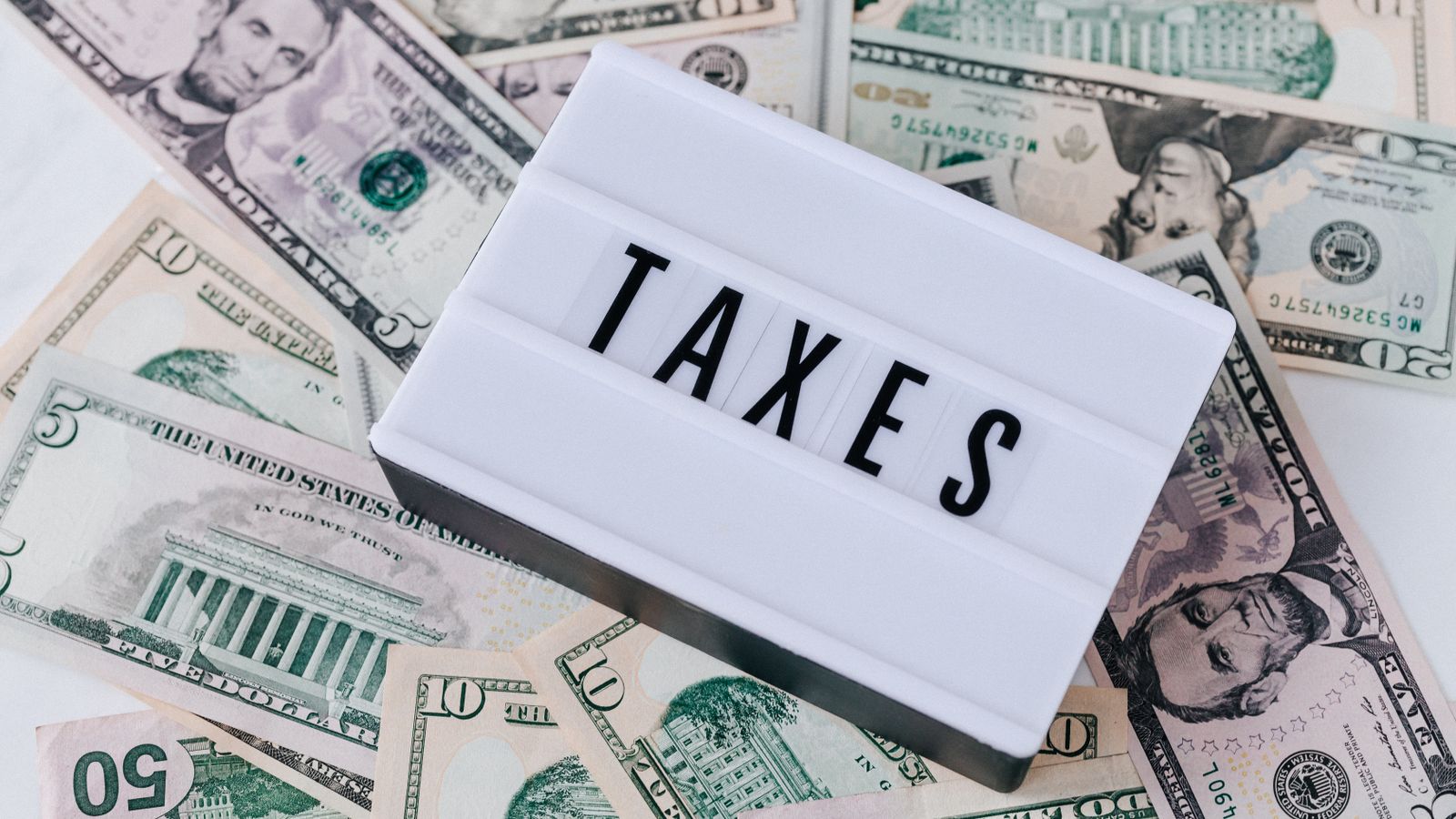
From above of white retro lightbox with TAXES inscription placed on pile of USA dollar bills on white surface
Census Bureau Adds Cannabis to State Tax Tracking
The U.S. Census Bureau began tracking cannabis excise tax revenue in its quarterly state-revenue reports for the first time, marking a shift in federal data collection even as the Drug Enforcement Administration maintains cannabis as a Schedule I controlled substance. The $3.55 billion figure covers the 12-month period ending June 30, 2026. It includes both medical and adult-use program collections across jurisdictions with operational retail markets.
The Census Bureau's Quarterly Summary of State and Local Government Tax Revenue doesn't break out individual state totals or distinguish between medical and recreational levies. The aggregate number reflects excise taxes only—sales taxes, business licensing fees, and cultivation levies are reported separately.
Per-State Revenue Concentration Likely Skewed
California, Illinois, and Michigan—the three largest adult-use markets by sales volume—likely accounted for more than half of the $3.55 billion total, based on prior state-reported figures. California alone reported $1.1 billion in cannabis excise tax revenue in fiscal 2025, according to the state Department of Tax and Fee Administration. Illinois collected $558 million in cannabis tax revenue in calendar 2025, per the Illinois Department of Revenue.
Smaller medical-only programs such as Arkansas and Louisiana contributed a fraction of total collections. The 30-state count includes jurisdictions with operational retail as of June 2026; states that legalized but haven't yet launched sales are excluded from the tally.
Federal Tracking Despite Schedule I Classification
The Census Bureau's decision to itemize cannabis excise taxes represents a pragmatic acknowledgment of state-legal markets' fiscal scale, even as federal law classifies cannabis alongside heroin. The Treasury Department and IRS continue to enforce Internal Revenue Code Section 280E, which disallows ordinary business deductions for operators trafficking Schedule I or II substances.
A data paradox emerges: the federal government now publishes state cannabis tax totals while simultaneously denying those same businesses standard tax treatment. For context, see the CannIntel topic hub on state cannabis tax revenue for full tracking of collections by jurisdiction.
Excise Tax Rates Vary Widely by State
State excise tax structures range from flat per-ounce levies to tiered percentage-of-price taxes, with rates spanning 10% to 37% depending on jurisdiction and product type. Washington applies a 37% excise tax at retail. Oregon levies 17% plus local option taxes. Illinois uses a tiered system: 10% on flower under 35% THC, 25% on products above that threshold, and 20% on infused goods.
Medical programs typically carry lower or zero excise rates. Pennsylvania exempts medical cannabis from its sales tax but applies a wholesale levy. New York's adult-use program launched with a hybrid tax combining per-milligram THC charges and a 13% retail excise.
Implications for Operators and Investors
The $3.55 billion figure underscores the tax burden multi-state operators face in addition to 280E disallowance, compressing already thin EBITDA margins. Curaleaf Holdings (OTC: CURLF), Trulieve Cannabis (OTC: TCNNF), and Green Thumb Industries (OTC: GTBIF) each reported effective state-and-local tax rates above 20% in recent 10-Q filings, before federal income tax.
Investors parsing MSO financials should note that excise taxes are typically excluded from reported revenue under GAAP, but the cash impact flows through operating expenses. The Census data provides a benchmark for modeling state tax expense as a percentage of gross receipts.
What to Watch
The next Census quarterly release, due in December 2026, will show whether collections accelerated in the third quarter as New York and Maryland ramped retail footprints. Any DEA rescheduling decision wouldn't affect state excise taxes but could materially alter federal tax treatment under 280E. Track state-by-state breakouts in individual revenue department reports for granular modeling.
Sources
The cannabis newsletter you forward to your team.
Federal policy, market data, grower alerts, and the one story that matters today. Sent every weekday at 7am. Free.
No spam. Unsubscribe with one click. 21+ only.
Related from Business

High Tide Reports Record Q3 2026 Revenue, Details Withheld
Canadian cannabis retailer announces record third-quarter results but withholds key financial metrics in initial disclosure.

Canopy Growth Narrows Losses but Stock Lags on Investor Skepticism
Despite operational improvements and reduced quarterly losses, Canopy Growth shares remain flat as investors question path to profitability.

Village Farms Appoints Deepak Anand to Lead Global Government Affairs
Multi-state operator taps former Ontario MPP to navigate cross-border cannabis policy as regulatory fragmentation intensifies.
More from the newsroom

Ohio identifies Vapen cartridge in health complaints, store closure
Vext names product after state investigation triggers dispensary shutdown and patient reports.

New York vows hemp THC beverage crackdown amid illegal retail surge
State officials acknowledge widespread unlicensed sales despite prohibition outside licensed cannabis channels.

Teen Cannabis Surveys Miss Rising Use Disorder, Kaiser Study Finds
Self-reported adolescent consumption data diverge from clinical diagnoses, masking treatment gaps in legalized states.