Brazil's Medical Cannabis Market Hits $90M a Year as Prescriptions Surge
High Times reports Brazil's prescription-driven medical cannabis market has reached roughly $90 million annually, but the signal leaves key tax and regulatory questions unanswered.

Close-up of a doctor stamping a prescription with a bottle of pills on a desk.
Brazil's medical cannabis market is now pegged at about $90 million a year
High Times Magazine reported on November 12 that Brazil's medical cannabis market has reached roughly $90 million annually, driven by a surge in prescriptions.
That's the whole of what the signal supplies. The headline carries the revenue figure and the prescription trend. The accompanying feed data doesn't include the underlying methodology, the reporting period, the exchange-rate basis or the original data source.
Treat the number as a reported figure, not an audited one. Until the primary data is identified, it's a directional marker and nothing more. It's not a modeling input.
Prescriptions, not retail, are the demand engine
The market's growth is framed around physician prescriptions rather than adult-use sales, which makes it a medical-channel story first.
For operators and investors, that distinction matters. A prescription-driven market grows with prescriber adoption, patient access and product availability, and storefront density or consumer foot traffic has little to do with it.
Brazil has no adult-use market. Every dollar in that $90 million sits inside a medical framework, which on a strict reading means revenue is tied to regulated product categories and documented patient demand rather than discretionary consumption.
What the signal does not tell us
The source material omits the regulatory detail that determines margins: pricing structure, import dependence and domestic cultivation status.
The signal doesn't say how many prescriptions were written, how many patients are enrolled, or which products drive the revenue. Nor does it name the companies capturing the spend. We haven't independently verified any of those details, and we aren't going to guess at them.
Those gaps mark the story's real boundary. A $90 million headline can mean very different things depending on whether product is imported or produced locally, and whether pricing is set by the market or constrained by regulators.
The tax lens: gross revenue is not operator income
Any revenue figure for a medical market needs to be read against the local indirect-tax and customs stack before it says anything about profitability.
Brazil's consumption taxes are layered across federal and state levels, and imported goods add customs treatment on top. We can't say from this signal how cannabis-derived products are classified or taxed, and we won't assert rates the source doesn't provide. Operators should pull the applicable tax treatment from Brazilian counsel, not from a headline.
For US-based readers, the contrast is instructive. Under IRC §280E, plant-touching US operators can't deduct ordinary business expenses beyond cost of goods sold, which compresses margins regardless of top-line growth. A medical market's revenue figure means little until you know what survives the tax code. That's true in Brazil, and it's true in Colorado.
Why a $90 million market still draws attention
Brazil is the largest economy in Latin America, so even a modest medical market there signals a meaningful long-run patient base.
Next to mature North American markets, the scale is small. But investors watch the trajectory, and prescription growth is the cleaner leading indicator than headline revenue. Rising scripts point to broadening physician acceptance and patient awareness.
Here's the opinion-flavored read: a prescription surge is more durable evidence than any revenue estimate. Revenue can be inflated by price or one-off bulk orders. Scripts are harder to fake.
What operators and investors should do now
The actionable step is to locate the primary data behind the $90 million figure before building any position or forecast on it.
Start with the High Times report itself and trace it to its original source, whether that's a regulator, a trade body or a consultancy. Confirm the period covered and the currency basis. Then map the product and tax classification that applies to your category.
For broader context on how this story fits the international picture, see the CannIntel topic hub on the Brazil medical cannabis market. Brazil's regulatory path also invites comparison with other medical-first jurisdictions, including Colombia and Germany, where import rules and reimbursement shaped early market size.
The next signal to watch is primary-source data on prescription counts and product mix. That's what turns a headline number into something an operator can underwrite.
Frequently asked questions
How big is Brazil's medical cannabis market?
According to a November 12 High Times Magazine report, Brazil's medical cannabis market has reached roughly $90 million a year as prescriptions surge. The feed data doesn't include the underlying methodology or original source, so the figure should be treated as a reported estimate.
Is cannabis legal for adult use in Brazil?
The signal frames Brazil's market as medical and prescription-driven. It doesn't describe any adult-use framework, and nothing in the source indicates one exists. The reported $90 million figure is tied to medical prescriptions.
What is driving growth in Brazil's medical cannabis sector?
According to the High Times headline, a surge in prescriptions is driving the market. The signal doesn't break down prescription counts, patient numbers or product categories, so the specific drivers behind the increase aren't detailed in the available data.
Why does IRC §280E matter for a Brazil story?
It doesn't apply in Brazil. It's a US tax provision that limits deductions for plant-touching cannabis businesses. It's useful as a comparison: headline revenue in any medical market means little until the local tax code determines what operators actually keep.
Sources
The cannabis newsletter you forward to your team.
Federal policy, market data, grower alerts, and the one story that matters today. Sent every weekday at 7am. Free.
No spam. Unsubscribe with one click. 21+ only.
Related from Business

Attorney Casey Leaver to Detail Cannabis Packaging Pitfalls at MJBizCon
A single label rarely satisfies every jurisdiction, and attorney Casey Leaver plans to walk operators through the compliance mistakes exposing them and retailers to risk.

Bedrocan Restart Bid Could Revive Company, Report Says
A restart bid for Bedrocan, per Business of Cannabis, may bring the pioneering medical cannabis producer back. The signal is thin, and the open questions are legal and tax-driven.

Israel Still Alone in Acting on Canadian Cannabis Dumping Claims
Israel remains the only country to take formal action over below-cost export allegations against Canadian licensed producers, putting export pricing and cost records under scrutiny.
More from the newsroom
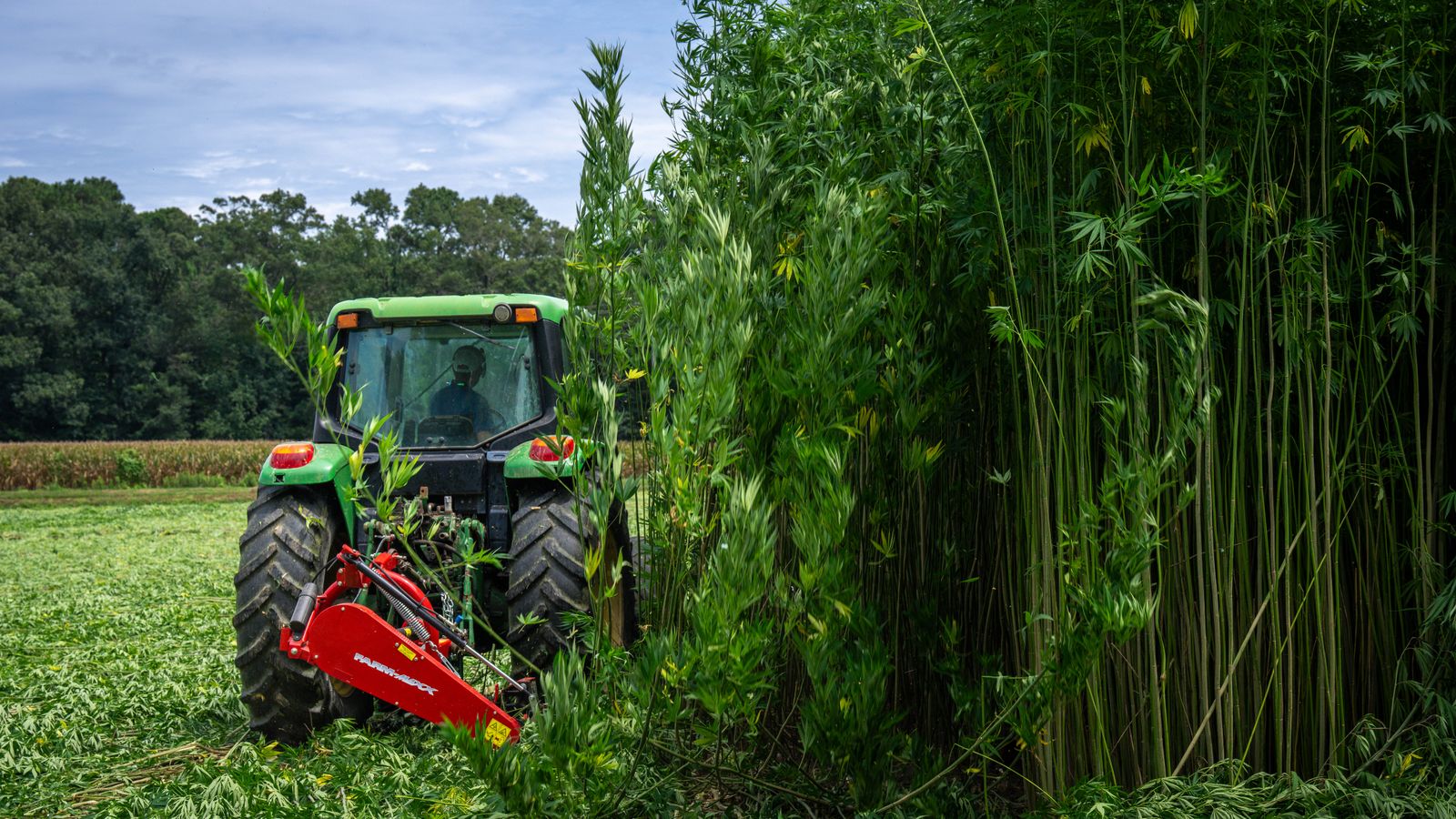
First Phase of Federal Hemp Product Ban Takes Effect
The first phase of a renewed federal ban on intoxicating hemp products is now in force, and industry groups are lobbying Congress for a regulatory alternative.

Joe Rogan Blames Texas GOP's Hemp THC Ban for Midterm Losses
The Austin-based podcaster said Republicans 'fucked up' by pushing to ban hemp-derived THC products, tying a culture-war fight to last week's election results.

Missouri Law Tightening Marijuana, Hemp Rules Takes Effect
A new Missouri statute reshaping the state's marijuana and hemp regulatory framework is now in force, though the signal supplies few operational specifics.