Missouri Law Tightening Marijuana, Hemp Rules Takes Effect
A new Missouri statute reshaping the state's marijuana and hemp regulatory framework is now in force, though the signal supplies few operational specifics.

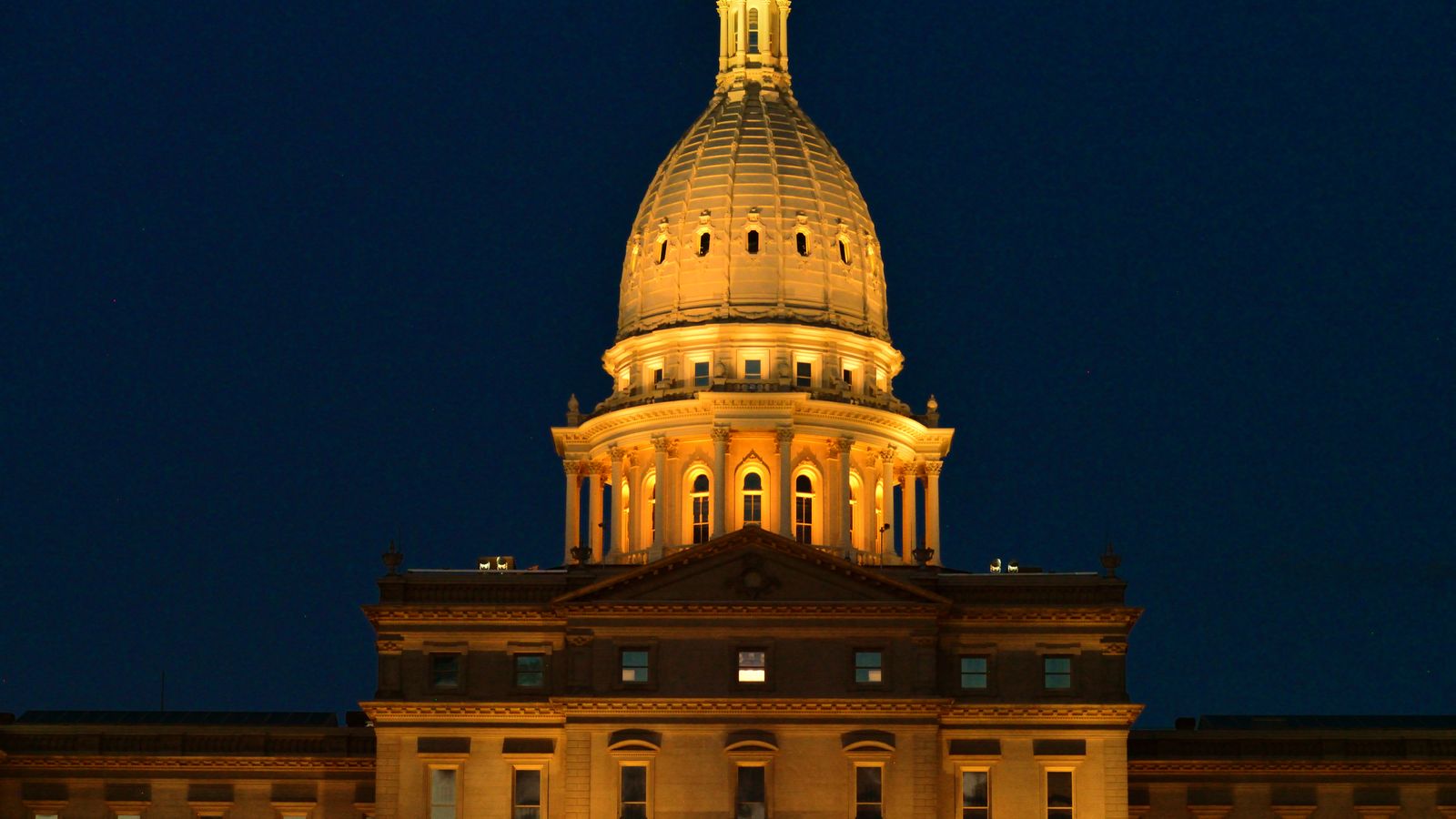
Low angle view of a historic capitol building with a dome, columns, and surrounding trees.
Missouri's tighter marijuana and hemp law is now in effect
A Missouri law tightening regulations on both marijuana and hemp took effect, according to ABC17 News, putting operators on a new compliance footing.
The report, published November 12, 2026, describes the measure as one that tightens rules for both product categories. That pairing matters. Missouri has treated adult-use and medical marijuana under one regulatory track and hemp-derived consumables under another, and a single statute touching both signals an effort to close the seam between them.
Details are thin. The initial report doesn't supply the bill number, sponsor, or section-level text, and those details determine who is affected and how, so operators should pull the enrolled bill language before changing any practice.
What the signal does and doesn't establish
The confirmed facts are narrow: a Missouri law covering marijuana and hemp is in effect and is described as tightening regulation.
That's the full extent of what the source material supports. It doesn't name the enacting bill, the agency charged with enforcement, penalty schedules, or any new licensing thresholds. Reporting those specifics without a primary document would be guesswork, so this story doesn't.
A reader can still infer a few things responsibly. A law that takes effect on a stated date carries compliance obligations from that date forward, and regulators typically follow with guidance or emergency rules. Whether Missouri's regulators have done so isn't established here.
Why the marijuana-and-hemp pairing matters to operators
Regulating the two product lines together typically targets the gap where intoxicating hemp derivatives compete with licensed marijuana.
Across the country, states have moved to rein in hemp-derived THC products sold outside the licensed cannabis system. The federal 2018 Farm Bill definition of hemp, codified at 7 U.S.C. § 1639o, set a 0.3 percent delta-9 THC threshold by dry weight. That definition left room for intoxicating derivatives, and state legislatures have been working to address it.
Licensed Missouri marijuana operators pay licensing fees, meet testing and tracking requirements, and carry the tax burden of the regulated market. Hemp retailers selling comparable intoxicating products have often faced lighter oversight. A tighter statute changes the competitive math if it narrows that gap, though whether this one does depends entirely on its text.
Compliance steps while details are confirmed
Operators should treat the effective date as a live compliance deadline and verify obligations against the enrolled bill and agency guidance.
Until the specifics are confirmed, a practical checklist is straightforward:
- Obtain the enrolled bill text from the Missouri General Assembly and identify every section affecting your license class.
- Check the relevant state agency's website for guidance, emergency rules, or enforcement notices issued since the effective date.
- Review inventory, labeling, and point-of-sale practices for hemp-derived products against any new definitions.
Retailers carrying both marijuana and hemp lines face the most exposure. A change to either category can ripple through packaging, testing, and sales channels.
What to watch next
The next signals are agency guidance, any rulemaking notices, and the first enforcement actions under the new statute.
For full background on this story, see the CannIntel topic hub on Missouri cannabis and hemp regulation. Missouri voters approved adult-use legalization through a 2022 constitutional amendment, and the state's marijuana program has since been administered alongside a separate hemp framework. A statute that reaches both sits where those two systems meet.
The rulemaking record will show how aggressively regulators read the new law. If the Missouri Department of Health and Senior Services or another enforcing agency files proposed rules, the comment period will be the clearest window into practical impact. Watch for that filing first.
Still unanswered: whether the law changes tax treatment, licensing caps, or testing standards. Each would carry a different dollar impact, and none is confirmed. Operators shouldn't assume.
This story will be updated when the bill text and agency guidance are verified. Until then, the only firm takeaway is the date. The law is live.
For complete background, history, and our ongoing coverage of this story:
Open the CannIntel topic hub →Sources
The cannabis newsletter you forward to your team.
Federal policy, market data, grower alerts, and the one story that matters today. Sent every weekday at 7am. Free.
No spam. Unsubscribe with one click. 21+ only.
Related from Laws
Iowa Governor-Elect Backs Alcohol-Style Cannabis Legalization
Iowa's incoming governor is pushing regulated adult-use cannabis modeled on alcohol and projecting hundreds of millions in yearly revenue, a sharp break for a state with no legal market.

Illinois regulators begin enforcing new intoxicating THC limits
State enforcement of new restrictions on intoxicating hemp-derived THC products has started, putting retailers outside Illinois' licensed cannabis system on notice.

Massachusetts CCC advances overhaul of cannabis testing rules
The Cannabis Control Commission moved forward on revisions to lab testing requirements after sustained pressure from licensed operators; details of the changes remain limited.
More from the newsroom

Illinois moves to enforce new THC product rules, consumer protections
State action targets intoxicating hemp-derived THC products sold outside the licensed system, but the signal leaves the enforcing agency and penalties unspecified.

Maine caregivers report confusion over DEA cannabis reclassification
Licensed medical caregivers in Maine say federal rescheduling has left them without clear answers on what, if anything, changes for their operations.

Illinois THC drink ban takes effect, leaving Evanston shelves bare
A state restriction on hemp-derived THC beverages is now in force, and Evanston retailers are reporting empty coolers where the products used to sit.