Illinois regulators begin enforcing new intoxicating THC limits
State enforcement of new restrictions on intoxicating hemp-derived THC products has started, putting retailers outside Illinois' licensed cannabis system on notice.

Front view of the historic Idaho State Capitol Building under blue skies in Boise.
Illinois starts enforcing its intoxicating THC restrictions
State regulators in Illinois have moved from rulemaking to enforcement on intoxicating THC products, according to the Herald-Whig.
The Herald-Whig reported the enforcement start on November 12, 2026. The brief signal available to CannIntel at publication confirms the headline development but not the full text of the restrictions, the specific agencies carrying out inspections, or the penalty schedule. Those details matter. This story will be updated as the underlying documents are reviewed.
What's established is the direction of travel. Illinois is treating intoxicating THC products as a regulated category rather than a gray-market one.
Why the enforcement date matters more than the rule text
Enforcement is the point at which a restriction stops being a compliance memo and becomes a business problem.
Hemp-derived intoxicants, including products built around delta-8 THC and similar converted cannabinoids, have thrived in a gap. Federal law legalized hemp containing no more than 0.3 percent delta-9 THC by dry weight under the 2018 Farm Bill, and manufacturers used that definition to sell psychoactive products through gas stations, vape shops, and convenience stores, away from state cannabis licensing.
Illinois operates a licensed adult-use market. Dispensaries there carry the burden of testing, packaging, track-and-trace, and some of the heaviest tax loads in the country. A parallel, lightly regulated intoxicant market undercuts them on price and friction. State enforcement is, in part, a response to that imbalance.
That framing is analysis, not a statement from any named Illinois official. The signal doesn't attribute a motive to regulators.
What retailers and distributors face
Businesses selling intoxicating hemp products in Illinois should assume inspections and inventory exposure are now live risks.
Operators outside the licensed system generally have three questions: which products are covered, how the state defines intoxicating, and what happens to existing stock. The Herald-Whig report headline doesn't settle those questions, and CannIntel won't guess at thresholds or penalties that the source material doesn't supply.
Wholesalers sit in the most exposed position. A distributor holding pallets of finished product has less flexibility than a retailer who can pull a few SKUs. If the covered category is defined by effect rather than by a numeric cap, product that passed muster last quarter may not pass now.
Expect enforcement to arrive unevenly. Early actions usually target visible, high-volume sellers, and smaller shops often learn the rules by watching who gets hit first.
The licensed market's stake in the outcome
Illinois dispensary operators have a direct financial interest in how aggressively the state polices intoxicating hemp.
Licensed operators have argued in many states that unregulated hemp intoxicants siphon customers without carrying the same costs. Illinois cannabis companies pay into a system of license fees, product testing, and excise taxes that hemp retailers largely avoid. Tighter enforcement narrows that gap.
There's a counterpoint worth stating plainly. If restrictions push consumers away from convenience-store products, not all of them will migrate to dispensaries; some will turn to out-of-state online sellers or the illicit market, a leakage that regulators in other states have watched closely.
The net effect for Illinois licensees is likely positive. It isn't guaranteed. Consumer behavior, not statute, decides it.
The federal backdrop shaping state action
States are acting because federal hemp law left the intoxicating-product question unresolved.
The 2018 Farm Bill's delta-9 definition created the opening that converted cannabinoids exploited. Congress has debated closing it, and several states have moved on their own rather than wait. Illinois now joins that group in practice, with enforcement underway rather than just on paper.
For full background on this story, see the CannIntel topic hub on Illinois intoxicating hemp THC restrictions. Readers tracking the broader state patchwork can compare how Ohio, California, and other markets have approached the same problem. California has its own history with hemp-derived THC rules, and the DCC has been central to how that state draws the line.
The compliance question for multistate operators is simple to state and hard to solve. A product legal in one state can be contraband in the next, and that's the operational reality driving demand for clear federal action.
What to watch as enforcement unfolds
The first public enforcement actions will show how broadly Illinois reads its own restrictions.
Three markers will tell operators more than any press statement. The first is whether early actions target manufacturers, distributors, or storefronts. The second is whether regulators publish guidance on product definitions, testing, and labeling. The third is whether any seller challenges the restrictions in court.
Until those surface, the safest read is cautious. Sellers who wait for clarity while still stocking intoxicating hemp are betting that the state won't reach them first. That bet gets harder to justify once inspectors are active.
The next signal: the first named enforcement action or published guidance, which will define how far Illinois intends to push.
Frequently asked questions
What did Illinois regulators do on November 12, 2026?
According to the Herald-Whig, Illinois regulators began enforcing new restrictions on intoxicating THC products. The available signal confirms the enforcement start but does not detail the specific rule text, penalties, or the agencies conducting inspections.
Which products are affected by the Illinois restrictions?
The headline refers to intoxicating THC products, a category that typically includes hemp-derived items such as delta-8 THC. The signal does not specify exact product definitions or thresholds, so businesses should check the rule text directly.
Why do states restrict intoxicating hemp products?
Federal law under the 2018 Farm Bill legalized hemp up to 0.3 percent delta-9 THC, allowing converted cannabinoids to be sold outside licensed cannabis systems. States restrict them to address safety, testing, and fairness concerns for licensed operators.
How could this affect Illinois dispensaries?
Licensed dispensaries pay for testing, track-and-trace, and heavy taxes that hemp retailers largely avoid. Tighter enforcement could narrow that cost gap, though some consumers may shift to online or illicit sources rather than dispensaries.
Sources
The cannabis newsletter you forward to your team.
Federal policy, market data, grower alerts, and the one story that matters today. Sent every weekday at 7am. Free.
No spam. Unsubscribe with one click. 21+ only.
Related from Laws

Massachusetts CCC advances overhaul of cannabis testing rules
The Cannabis Control Commission moved forward on revisions to lab testing requirements after sustained pressure from licensed operators; details of the changes remain limited.

Illinois moves to enforce new THC product rules, consumer protections
State action targets intoxicating hemp-derived THC products sold outside the licensed system, but the signal leaves the enforcing agency and penalties unspecified.
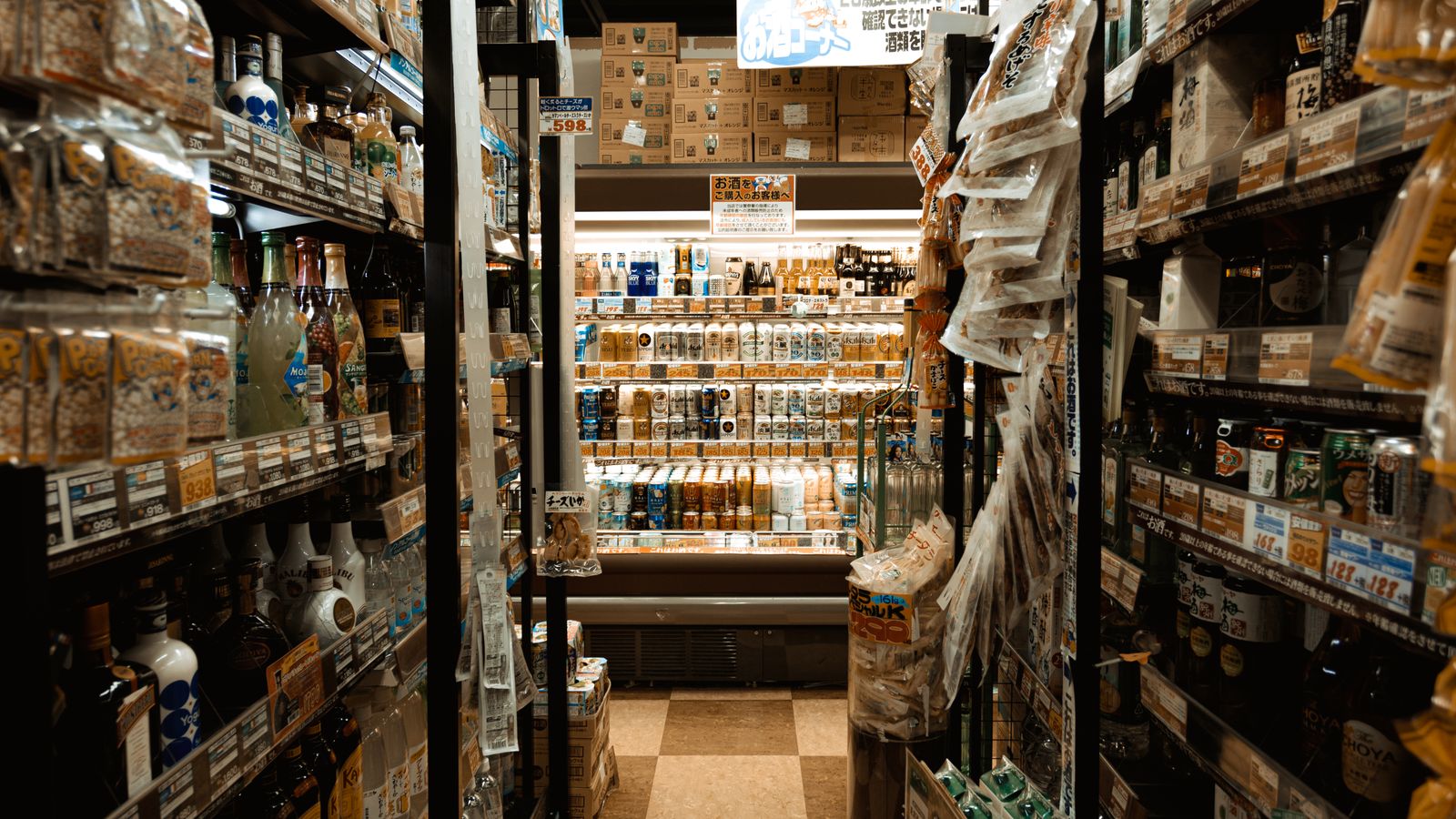
Illinois THC drink ban takes effect, leaving Evanston shelves bare
A state restriction on hemp-derived THC beverages is now in force, and Evanston retailers are reporting empty coolers where the products used to sit.
More from the newsroom

Maine caregivers report confusion over DEA cannabis reclassification
Licensed medical caregivers in Maine say federal rescheduling has left them without clear answers on what, if anything, changes for their operations.

Hinshaw's Chargo Weighs Cannabis M&A After Rescheduling
A Hinshaw & Culbertson partner is walking dealmakers through how a Schedule III move could reshape valuations, diligence and deal structure in the cannabis sector.

Wiz Khalifa to Headline MJBizCon 2026 With Keynote, Concert
The rapper-turned-brand-builder will speak on cannabis branding and perform live December 2 on MJBizCon's new expo-floor stage in Las Vegas.