Hinshaw's Chargo Weighs Cannabis M&A After Rescheduling
A Hinshaw & Culbertson partner is walking dealmakers through how a Schedule III move could reshape valuations, diligence and deal structure in the cannabis sector.

Two businessmen in formal suits shaking hands across a table in an office setting.
What Hinshaw published and why dealmakers are watching
Hinshaw & Culbertson LLP put out a discussion with partner Mitch Chargo on cannabis M&A in a post-rescheduling landscape, according to a Nov. 12, 2026 Google News listing.
What CannIntel has in hand is the headline and the publisher attribution. There's no transcript, so this report doesn't attribute specific statements to Chargo beyond the topic of the discussion.
That limit matters. What follows is analysis of the issues any post-rescheduling cannabis deal has to price, not a recap of what Chargo said.
The 280E question sits at the center of every model
The biggest swing factor in cannabis deal math is whether a Schedule III classification ends the Section 280E tax penalty for plant-touching operators.
Under 280E, businesses trafficking in Schedule I or II substances can't deduct ordinary operating expenses. Effective tax rates for many MSOs have run well above statutory levels as a result. A Schedule III designation would remove cannabis from 280E's reach, according to the statute's text.
For an acquirer, that rewires the model. Pre-tax EBITDA multiples have long understated the cash-tax drag on target companies, and once the drag is gone, the same asset throws off more free cash flow per dollar of EBITDA.
Sellers know it. Expect them to argue for pricing off a normalized tax rate, while buyers push back that they shouldn't pay for a benefit they haven't yet received.
Who pays for the tax benefit: the buyer or the seller
Deal teams are likely to fight over who captures the 280E upside, and the fight shows up in price, earnouts and contingent consideration.
Buyers have several tools to hedge timing risk. Earnouts tied to realized cash taxes, price adjustments keyed to the effective date of any rule, and escrows against retroactive disputes all shift risk back toward the seller.
Look closely at how filings describe these provisions. Contingent value rights and tax-benefit sharing clauses will tell you which side held leverage.
One fact favors buyers. Operators with thin balance sheets and heavy debt loads can't wait for a regulatory fix. Lenders know it.
Diligence scope expands, not shrinks
Rescheduling does not make cannabis targets look like ordinary commerce, and acquirers will still need to diligence state licensing, banking and federal exposure.
Schedule III is a federal classification change. State licensing regimes, including California's Department of Cannabis Control and New York's Office of Cannabis Management, still govern who can own and operate a license. Change-of-control approvals, ownership caps and residency rules don't disappear.
Federal exposure changes in character rather than vanishing. Schedule III substances remain controlled. Counsel will still ask whether adult-use sales fit within the prescription-based framework that governs other Schedule III drugs, and the scheduling label alone doesn't settle that question.
Public acquirers face disclosure obligations too. Risk-factor language in 10-Ks and merger proxies will need updating, and securities counsel will want each representation checked against what the target actually does.
Capital markets and the uplisting trade
Rescheduling revives the argument that large MSOs could move toward major U.S. exchanges, which would change both currency and cost of capital for stock-funded deals.
Most large U.S. multistate operators trade over the counter or on Canadian venues, with thin liquidity and valuation discounts. A cleaner federal status is the precondition for any serious uplisting conversation. It's no guarantee.
Stock as acquisition currency only works if the paper holds value. A premium multiple on an uplisted MSO would let it buy regional operators with equity instead of expensive debt. Without that premium, cash and seller notes keep dominating deal structure.
What operators should do before the next term sheet
Operators weighing a sale or a purchase should model three scenarios: no 280E relief, partial relief, and full relief with a defined effective date.
Run each case on after-tax free cash flow, not headline EBITDA. Then test how the purchase price, debt covenants and earnout triggers behave under each one.
Companies with large accrued 280E liabilities face a separate issue. Whether relief applies prospectively only or reaches open tax years will drive reserve decisions and negotiating posture on both sides.
For the regulatory backdrop and how the rescheduling process got here, see the CannIntel topic hub on DEA rescheduling.
The next signal to watch
The first closed deals priced explicitly off a post-280E tax rate will set the market's reference multiple.
Watch 8-K filings and merger proxies for tax-benefit sharing language, contingent consideration tied to 280E, and any revised effective-tax-rate guidance from the large operators. Those disclosures will show where buyers and sellers actually landed. That counts for more than any law-firm commentary.
For complete background, history, and our ongoing coverage of this story:
Open the CannIntel topic hub →Frequently asked questions
What is Section 280E and why does it matter for cannabis M&A?
Section 280E of the Internal Revenue Code bars businesses trafficking in Schedule I or II substances from deducting ordinary operating expenses. It raises effective tax rates for plant-touching cannabis companies, so any change to it directly affects target cash flow and acquisition pricing.
Does rescheduling to Schedule III remove 280E?
The statute applies to Schedule I and II substances, so a Schedule III classification would take cannabis outside its text. The effective date, retroactivity and implementation details still determine the practical impact for operators and acquirers.
Does rescheduling change state licensing rules in cannabis deals?
No. State regulators such as California's DCC and New York's OCM still control licensing, ownership caps and change-of-control approvals. Federal rescheduling does not override those requirements, so state diligence remains a core part of any transaction.
How might buyers hedge uncertainty over tax relief?
Common tools include earnouts tied to realized cash taxes, purchase price adjustments linked to an effective date, escrows against retroactive disputes, and contingent consideration. These shift timing risk back toward sellers while letting buyers avoid paying for benefits not yet received.
Sources
The cannabis newsletter you forward to your team.
Federal policy, market data, grower alerts, and the one story that matters today. Sent every weekday at 7am. Free.
No spam. Unsubscribe with one click. 21+ only.
Related from Business

Verano Opens 88th Florida Dispensary at MÜV Daytona Beach
The MSO's Nov. 13 grand opening brings its Volusia County footprint to six stores and its national retail count to 165.

True Terpenes Opens Vape Safety Program to Outside Expert Review
The terpene supplier built a toxicology program for vape ingredients without a regulatory mandate, then invited an outside expert to audit it.

Cultivate Newsletter Questions Whether Capital Decides Consolidation Winners
A Nov. 12 MGRetailer newsletter item says an executive's restructuring experience points to factors beyond capital and technology in determining which cannabis firms survive.
More from the newsroom

Wiz Khalifa to Headline MJBizCon 2026 With Keynote, Concert
The rapper-turned-brand-builder will speak on cannabis branding and perform live December 2 on MJBizCon's new expo-floor stage in Las Vegas.
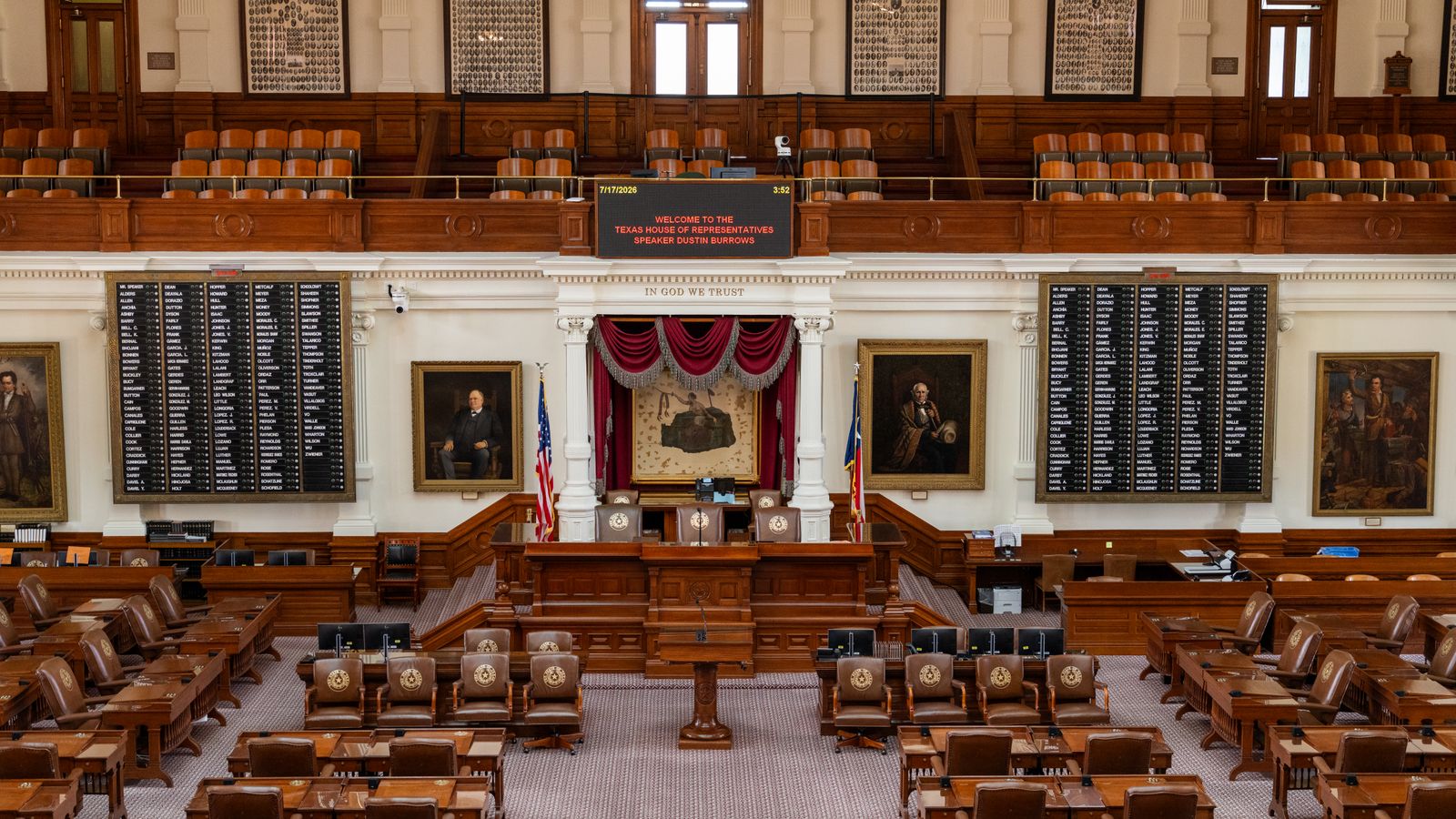
Texas Marijuana Legalization Gains Talk After Blue Wave, Obstacles Loom
Houston Public Media reports a Democratic surge has revived Texas legalization talk, but the legislative and constitutional math still stands in the way.

Sherrill Signs Bill Pushing NJ Intoxicating Hemp Ban Back a Month
New Jersey's Gov. Mikie Sherrill signed legislation delaying the state's ban on intoxicating hemp beverages by one month, according to Heady NJ, shifting a compliance deadline for retailers and brands.