Joe Rogan Blames Texas GOP's Hemp THC Ban for Midterm Losses
The Austin-based podcaster said Republicans 'fucked up' by pushing to ban hemp-derived THC products, tying a culture-war fight to last week's election results.

Close-up of a microphone with a blurred keyboard and laptop in a home office setup. Ideal for podcasting content.
Rogan Puts the Hemp Ban at the Center of the Texas Midterm Story
Joe Rogan said Texas Republicans lost ground in last week's midterm elections largely because members of the party pushed to ban THC products that had been legal when derived from hemp.
The comments came on an episode of Rogan's Austin-based podcast, according to a Marijuana Moment report published Nov. 12, 2026. Rogan was blunt. Republicans, he said, "fucked up."
That's the whole thesis, and it's worth being clear about what it is: a podcaster's read of the electorate, not an exit poll. The signal supplies no vote-share data, no precinct breakdowns, and no survey tying hemp policy to any race. Treat it as commentary.
Why It Lands: The Messenger Lives in Austin
Rogan relocated his show to Austin, which makes him both a high-reach media figure and a local with skin in the Texas hemp economy's cultural orbit.
His audience skews young, male, and politically loose, the exact demographic both parties chase in off-year cycles. When a host with that reach calls a GOP-backed THC prohibition a self-inflicted wound, Republican strategists can't wave it off as the usual advocacy noise.
He's also not a reflexive partisan. That's what gives the line bite.
What the Texas Hemp Market Looked Like Before the Fight
Hemp-derived THC products spread across Texas because they sat in a legal gap: derived from hemp, sold in smoke shops, vape stores, and gas-station counters from Houston to El Paso.
Picture the shelf. Delta-8 gummies with a candied-peach nose, THCA flower in jars labeled with familiar lineages like Gelato and Runtz, infused seltzers racked next to the energy drinks. For plenty of Texans, especially those shut out of a medical program that has historically been narrow, that was the only legal route to anything resembling cannabis.
When that access is threatened, the people affected aren't abstract. They're customers, budtender-adjacent retail workers, and small growers who built businesses on the federal hemp definition.
The Political Mechanics: Prohibition Is a Retail Issue
A ban on a legal, widely sold consumer product differs from opposing legalization; it takes something away from people who already have it.
That distinction is the strongest part of Rogan's argument, whether or not it explains any single outcome. Voters generally punish politicians more for removing an existing freedom than for declining to grant a new one, and a shop owner who loses inventory knows exactly who to blame. So does a customer who loses a nightly routine.
Rogan's core point, paraphrased: the ban was a choice Republicans made, nobody forced it on them, and it cost them with voters who otherwise might have stayed in their column.
The Limits of the Claim
No evidence in the available reporting shows the hemp ban decided any specific Texas race, and midterm results turn on many overlapping forces.
Turnout, candidate quality, the national environment, and economic conditions all move numbers. Pinning a broad underperformance on one policy fight makes a tidy narrative, and narratives are cheap. Still, they shape what lawmakers do next. If enough Republicans believe the hemp fight hurt them, the calculus changes before the next session.
Not proven. But not nothing.
What Operators and Lawmakers Should Watch
The practical question is whether Texas Republicans soften their stance on hemp-derived THC regulation after being told, loudly and publicly, that it cost them.
For operators, the signal is directional. A louder pro-access argument from a mainstream figure raises the odds of a regulate-don't-ban outcome, with age limits, testing, and licensing as the more survivable path. For the full arc of this fight, see the CannIntel topic hub on the Texas hemp THC ban.
Watch for post-election statements from Texas GOP leadership and any pre-filed legislation ahead of the next session. The policy tell won't be a podcast. It'll be a bill text.
For complete background, history, and our ongoing coverage of this story:
Open the CannIntel topic hub →Sources
The cannabis newsletter you forward to your team.
Federal policy, market data, grower alerts, and the one story that matters today. Sent every weekday at 7am. Free.
No spam. Unsubscribe with one click. 21+ only.
Related from Culture

Veterans in Cannabis Say Access Still Lags Gratitude
On Veterans Day 2026, Cannabis Now profiles veterans and operators who say the industry's thanks hasn't translated into easier access to the plant.

Patton Family Turns Massachusetts Farm Into Veteran-Hiring Cannabis Firm
Descendants of Gen. George S. Patton run a 55-employee cannabis business built on veteran hiring, wider access and charitable giving, Cannabis Business Times reported.

Seth Green Partners With Jeeter in Celebrity Cannabis Tie-Up
The Austin Powers and Robot Chicken star joined cannabis brand Jeeter, Cannabis Now reported, but products, terms and markets remain undisclosed.
More from the newsroom
First Phase of Federal Hemp Product Ban Takes Effect
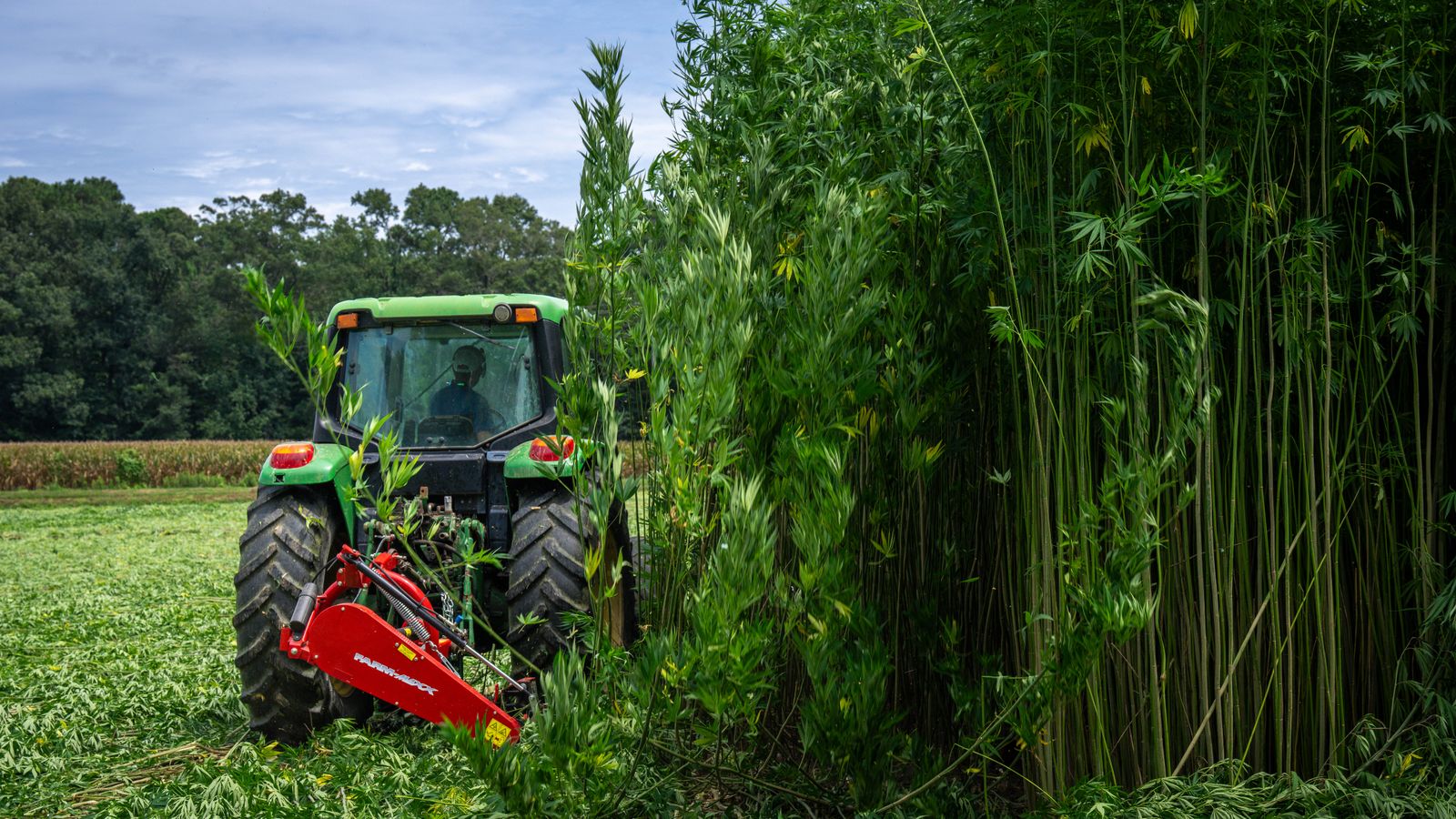
The first phase of a renewed federal ban on intoxicating hemp products is now in force, and industry groups are lobbying Congress for a regulatory alternative.

Attorney Casey Leaver to Detail Cannabis Packaging Pitfalls at MJBizCon
A single label rarely satisfies every jurisdiction, and attorney Casey Leaver plans to walk operators through the compliance mistakes exposing them and retailers to risk.

Missouri Law Tightening Marijuana, Hemp Rules Takes Effect
A new Missouri statute reshaping the state's marijuana and hemp regulatory framework is now in force, though the signal supplies few operational specifics.