ASX Cannabis Companies Face Export Revenue Test Amid Growth Claims
Australian cannabis firms on the ASX are banking on international sales to justify valuations, but export execution remains unproven.
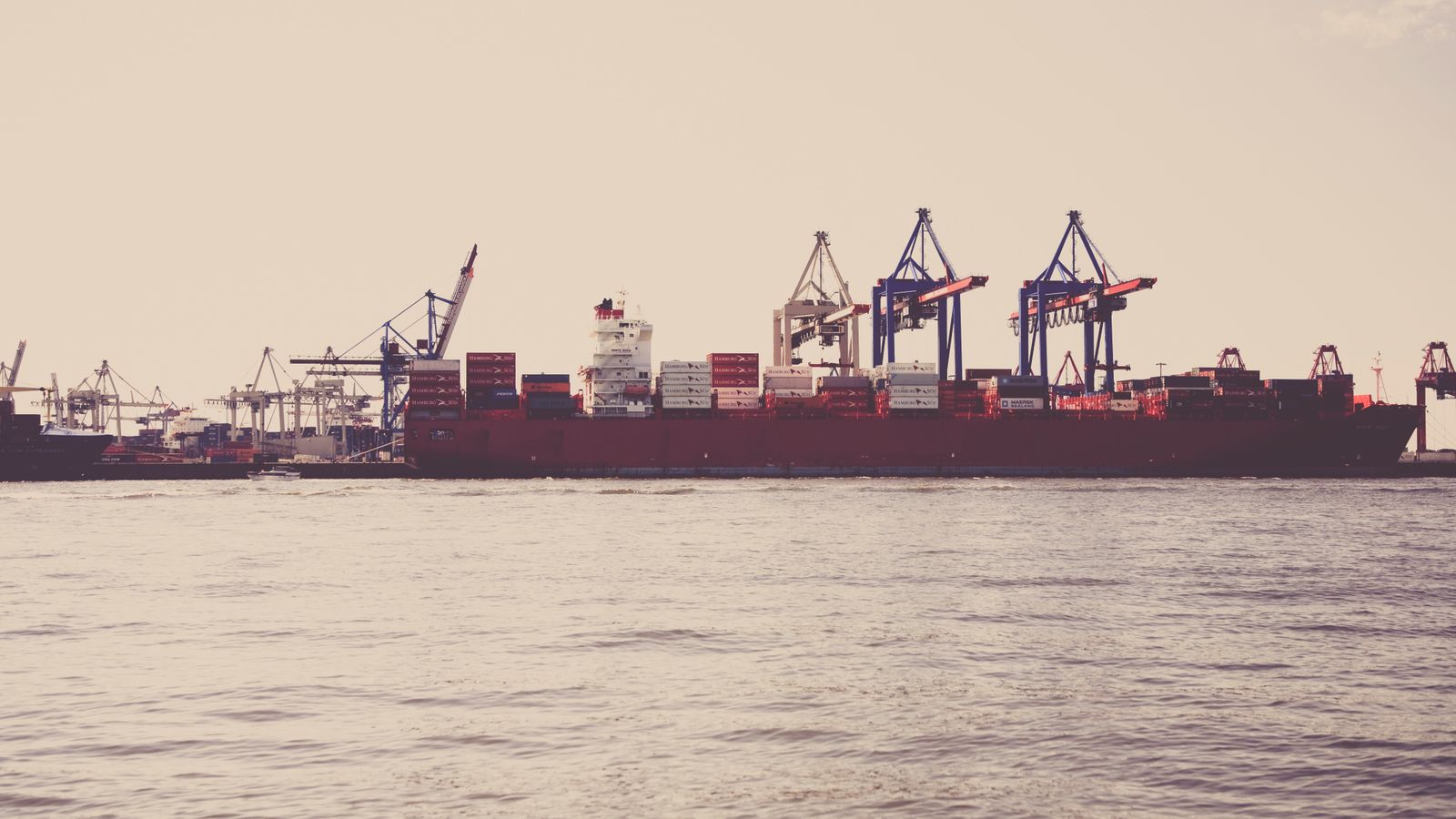
A cargo ship loaded with containers docked at a seaport under clear skies.
Export Narratives Drive Investor Interest
ASX-listed cannabis companies are leaning heavily on export potential in investor presentations, positioning Australia's GMP-certified cultivation as a competitive advantage in global medical markets. The pitch centers on Australia's regulatory framework and Good Manufacturing Practice certification, which theoretically positions local producers to supply European and Asian medical cannabis markets where domestic production lags demand.
Several operators have announced export licenses and supply agreements over the past 18 months. Actual shipment volumes? Immaterial. Recognized revenue from international sales remains a footnote in quarterly filings for most ASX cannabis names.
Revenue Reality Lags Guidance
International sales contributed less than 15% of total revenue for the majority of ASX cannabis operators in their most recent fiscal year, according to company filings. Domestic Australian medical cannabis sales still account for the bulk of recognized revenue. That market's showing signs of pricing pressure as cultivation capacity outpaces prescription growth.
The gap between export ambitions and actual per-kilogram shipment economics is widening, and it's not subtle. Freight costs, regulatory compliance expenses, and distributor margin stacking erode the gross margin advantage Australian growers expected when they built out GMP facilities.
European Market Access Proves Costly
Entering European medical cannabis markets requires country-by-country product registration, third-party distribution agreements, and often local packaging and labeling—costs that several ASX operators underestimated. Germany remains the largest target market, but local production expansions and pricing reforms have compressed wholesale pricing by roughly 30% since 2024.
Poland and the UK represent secondary targets. Regulatory timelines for product approval stretch 12 to 18 months, and several Australian exporters have secured agreements with European distributors but haven't yet completed the registration process required to generate revenue.
Asia-Pacific Opportunities Remain Nascent
Thailand and New Zealand are frequently cited as near-term export destinations, but both markets remain small and price-sensitive. Thailand's domestic cultivation sector is expanding rapidly, reducing reliance on imports, while New Zealand's medical cannabis framework permits imports but patient numbers remain in the low thousands, limiting addressable market size.
Japan and South Korea? Restrictive frameworks limit the commercial opportunity to narrow pharmaceutical applications. No ASX cannabis company has reported material revenue from either market.
Margin Pressure Mounts Domestically
Australian domestic wholesale pricing declined approximately 20% year-over-year in 2025 as licensed cultivation capacity doubled. That margin compression increases the urgency for export revenue to materialize. International sales carry their own cost structure that limits profitability in early-stage markets, so the relief isn't automatic even when shipments begin.
Several operators have guided to positive EBITDA contingent on export volumes reaching commercial scale within the next 12 months. Missing those milestones would likely trigger equity raises or cost restructuring.
What Investors Should Watch
The next six months will clarify which ASX cannabis companies can convert export licenses into revenue at scale. Quarterly filings should break out international sales by geography and volume. Any operator reporting export revenue below 20% of total sales by year-end will face questions about the credibility of their growth thesis, and those questions won't be gentle.
For full background on Australia's cannabis export landscape, see the CannIntel topic hub on Australia Cannabis Exports. The sector's valuation multiples assume export execution that hasn't yet appeared in the income statement.
Frequently asked questions
Why are ASX cannabis companies focused on exports?
Australian domestic medical cannabis market is saturating, with wholesale pricing down roughly 20% year-over-year. Export markets, particularly in Europe and Asia, represent larger addressable markets where Australia's GMP-certified production could command premium pricing. However, actual export revenue remains minimal for most operators.
What is GMP certification and why does it matter for cannabis exports?
Good Manufacturing Practice certification is a pharmaceutical-grade quality standard required for medical cannabis exports to most international markets. Australian cannabis facilities built to GMP standards can theoretically access European and Asian medical markets, but certification alone doesn't guarantee market access or profitability.
Which markets are Australian cannabis exporters targeting?
Germany is the primary target due to its large medical cannabis patient base, followed by Poland, the UK, Thailand, and New Zealand. However, each market requires separate product registration, and pricing in Germany has compressed roughly 30% since 2024 due to local production growth.
How much export revenue are ASX cannabis companies generating?
International sales contributed less than 15% of total revenue for most ASX cannabis operators in their most recent fiscal year. Actual shipment volumes remain small despite multiple announced export licenses and supply agreements over the past 18 months.
What are the main obstacles to profitable cannabis exports from Australia?
High freight costs, country-by-country product registration requirements, distributor margin stacking, and compressed wholesale pricing in target markets like Germany. Regulatory approval timelines stretch 12 to 18 months in key European markets, delaying revenue recognition even after export licenses are secured.
Sources
The cannabis newsletter you forward to your team.
Federal policy, market data, grower alerts, and the one story that matters today. Sent every weekday at 7am. Free.
No spam. Unsubscribe with one click. 21+ only.
Related from Business

ASX:LGP Expands Cultivation Capacity in Australia Medical Cannabis Push
Little Green Pharma scales production infrastructure as domestic patient demand accelerates through mid-2026.

Illinois cannabis unit sales jump 14% in Q2 as prices slide
Volume growth nearly doubled year-over-year pace, but sliding wholesale prices signal margin compression for cultivators.

The Botanist Sales Reps Join UFCW Local 360 in Supply-Chain Expansion
The union push now reaches front-line retail workers at Acreage Holdings' flagship brand.
More from the newsroom

Massachusetts Voters to Reconsider Recreational Marijuana This November
A ballot measure this fall could reshape the state's adult-use cannabis framework eight years after legalization.

Kansas GOP Gubernatorial Candidates Split on Cannabis Legalization
Republican primary contenders diverge on medical and recreational marijuana policy during televised debate.

Fetterman Reaffirms Support for Cannabis Legalization
Pennsylvania senator restates long-held position on marijuana reform amid ongoing federal rescheduling debate.