Kansas GOP Gubernatorial Candidates Split on Cannabis Legalization
Republican primary contenders diverge on medical and recreational marijuana policy during televised debate.

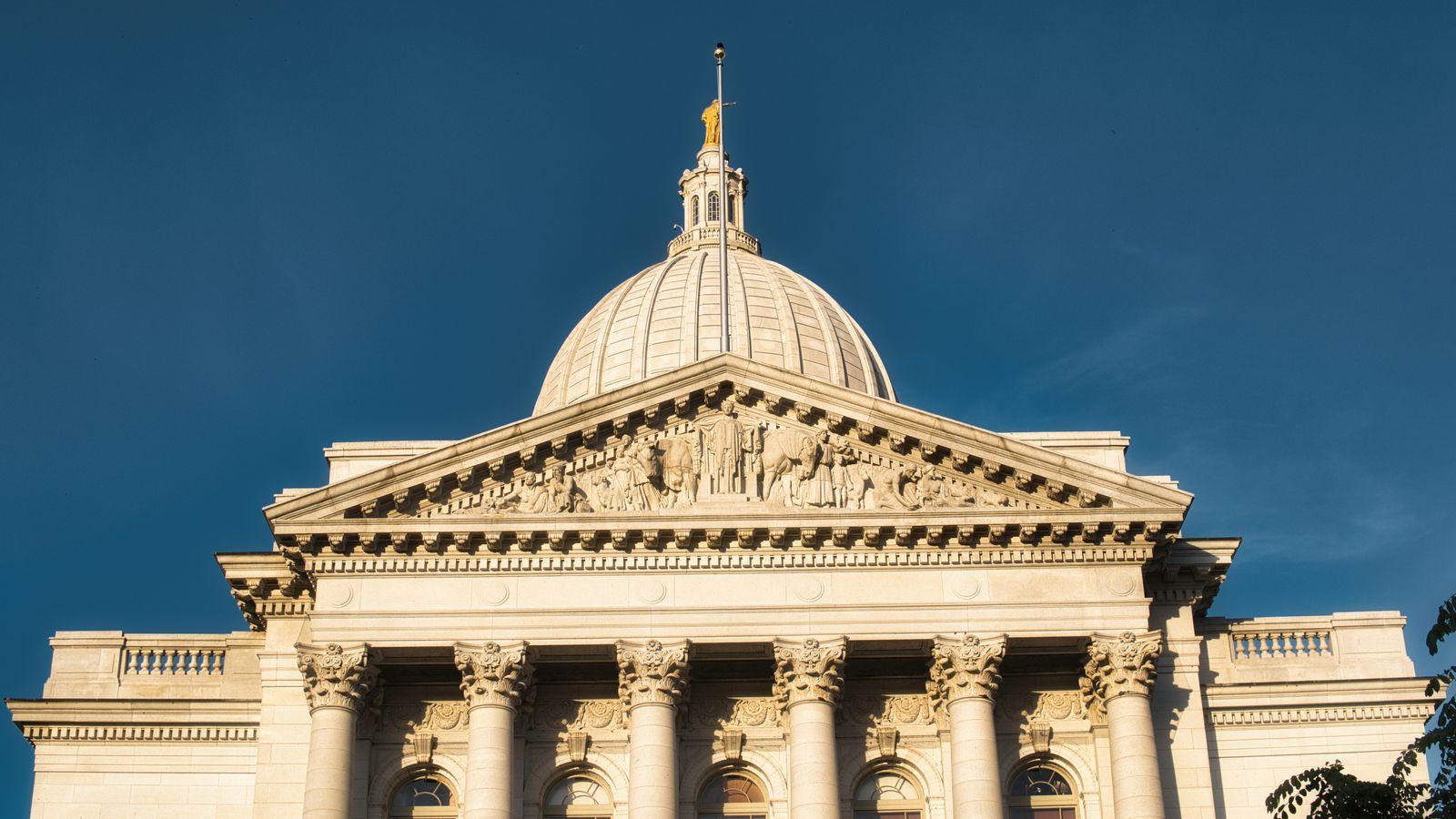
Grand architectural dome building surrounded by lush spring greenery, capturing historic charm.
Debate Positions Reflect GOP Divide on Cannabis Policy
Kansas Republican gubernatorial primary candidates presented divergent views on cannabis legalization during a July 21 debate, signaling that marijuana policy may become a wedge issue in the 2026 election cycle. The debate, broadcast by WIBW, marked one of the first instances in which leading GOP contenders have been forced to articulate positions on a policy question that's gained traction among Kansas voters in recent polling cycles. Kansas remains one of 13 states with no legal cannabis program of any kind. No medical access. No decriminalization. No adult-use framework.
Possession of any quantity of marijuana remains a class A nonperson misdemeanor under K.S.A. § 21-5706(b)(1), carrying up to one year in county jail and a $2,500 fine. Cultivation of fewer than five plants is a severity level 4 drug felony under K.S.A. § 21-5705(d)(3)(A). The state has no compassionate-use carveout, no CBD-only program, and no pending ballot initiative process that would allow voters to bypass the legislature.
Medical Marijuana Finds Limited GOP Support
At least one candidate expressed conditional support for medical cannabis, citing constituent demand and neighboring states' operational frameworks. The candidate didn't specify whether support extended to a vertically integrated dispensary model, home cultivation, or a more restrictive CBD-dominant program. Kansas is bordered by four states with some form of legal cannabis: Colorado and Missouri permit adult-use sales, while Oklahoma operates one of the nation's most permissive medical programs. Nebraska decriminalized possession in 2020 but has no legal supply chain.
This medical-cannabis position represents a tactical shift for Kansas Republicans. During the 2024 legislative session, the GOP-controlled House declined to advance HB 2184, a medical-marijuana bill that had secured bipartisan sponsorship. The Senate Judiciary Committee never scheduled a hearing. Republican leadership has historically framed legalization as a federal preemption issue, pointing to marijuana's Schedule I status under the Controlled Substances Act.
Recreational Legalization Remains a Non-Starter
No candidate voiced support for adult-use legalization, maintaining the GOP's longstanding opposition to recreational frameworks. This position aligns with public statements from Kansas Governor Laura Kelly, a Democrat, who has supported medical marijuana but stopped short of endorsing recreational sales. Kelly's administration hasn't proposed cannabis legislation in her current term, which ends in January 2027.
Kansas faces a unique fiscal pressure point. The state collected $4.1 billion in total tax revenue in fiscal year 2025, according to the Kansas Department of Revenue. Missouri, by contrast, collected $451 million in adult-use cannabis tax revenue in calendar year 2025, its second full year of legal sales—a figure representing roughly 11 percent of Kansas's entire tax base. Kansas legislators have noted the revenue leakage: a 2025 Kansas Legislative Research Department memo estimated that Kansas residents spend $180 million annually on cannabis in neighboring states, a figure derived from border-county sales data in Missouri and Colorado.
What Comes Next for Kansas Cannabis Policy
The next legislative session begins in January 2027, but no major cannabis bills are currently pre-filed or under committee review. Kansas doesn't permit citizen-initiated ballot measures for statutory changes, meaning any legalization framework must pass through the legislature and survive a gubernatorial veto. The Republican supermajority in both chambers theoretically could override a veto, but leadership hasn't signaled any intent to prioritize cannabis legislation in the 2027 session.
For full background on this story, see the CannIntel topic hub on Kansas cannabis legalization. Medical marijuana may emerge as a viable compromise in a future session. But adult-use legalization remains off the table for Kansas Republicans in the near term. The gubernatorial primary is scheduled for August 2026, with the general election in November.
Frequently asked questions
Does Kansas allow medical marijuana?
No. Kansas has no medical marijuana program, no CBD-only law, and no compassionate-use exemption. Possession of any quantity of cannabis remains a criminal misdemeanor under K.S.A. § 21-5706(b)(1), punishable by up to one year in jail and a $2,500 fine.
Can Kansas voters pass cannabis legalization through a ballot initiative?
No. Kansas does not permit citizen-initiated statutory ballot measures. Any cannabis legalization must pass through the state legislature and be signed by the governor, or override a gubernatorial veto with a two-thirds supermajority in both chambers.
How much cannabis tax revenue do Kansas's neighboring states collect?
Missouri collected $451 million in adult-use cannabis tax revenue in 2025. Colorado collected approximately $425 million in combined medical and adult-use taxes in fiscal year 2025. Oklahoma's medical program generated $146 million in excise tax revenue in 2025.
What is the current status of cannabis legislation in Kansas?
No cannabis bills are currently pre-filed or under committee review for the January 2027 legislative session. The last medical-marijuana bill, HB 2184, died in committee during the 2024 session without a floor vote.
Sources
The cannabis newsletter you forward to your team.
Federal policy, market data, grower alerts, and the one story that matters today. Sent every weekday at 7am. Free.
No spam. Unsubscribe with one click. 21+ only.
Related from Laws
Fetterman Reaffirms Support for Cannabis Legalization
Pennsylvania senator restates long-held position on marijuana reform amid ongoing federal rescheduling debate.
Fetterman Joins Democrats Pushing Federal Marijuana Legalization Bill
Pennsylvania senator adds support to renewed push for federal cannabis descheduling legislation.

Massachusetts marijuana ballot question advances to November ballot
Secretary of State William Galvin certified nine ballot questions for November 2026, including a cannabis legalization measure that survived legal challenges.
More from the newsroom

ASX:LGP Expands Cultivation Capacity in Australia Medical Cannabis Push
Little Green Pharma scales production infrastructure as domestic patient demand accelerates through mid-2026.

Illinois cannabis unit sales jump 14% in Q2 as prices slide
Volume growth nearly doubled year-over-year pace, but sliding wholesale prices signal margin compression for cultivators.

Fetterman backs Democratic bill pushing federal marijuana reform
Pennsylvania senator joins Democratic push for federal cannabis policy overhaul in latest legislative effort.