Fetterman Joins Democrats Pushing Federal Marijuana Legalization Bill
Pennsylvania senator adds support to renewed push for federal cannabis descheduling legislation.
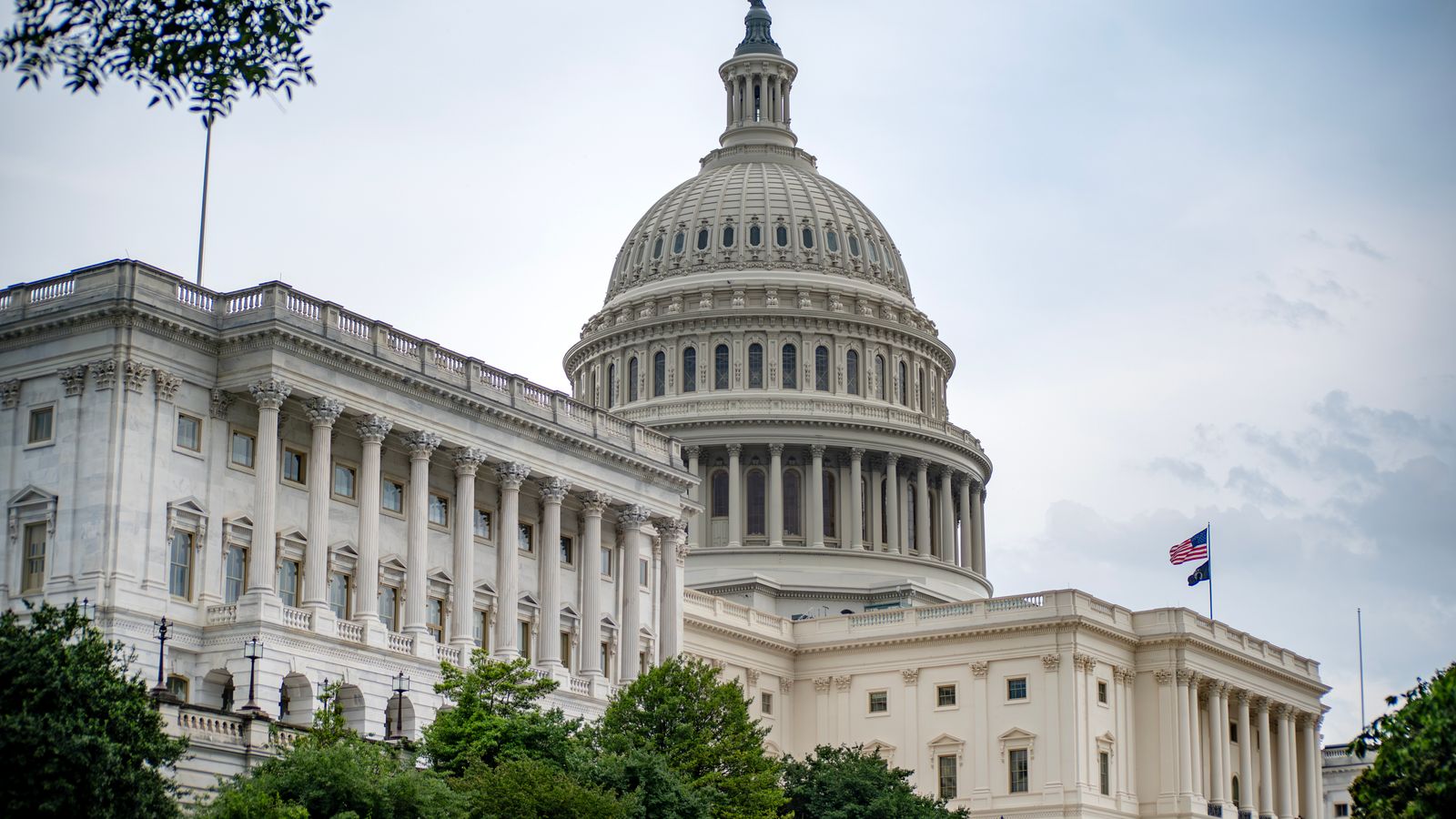
A scenic view of the iconic US Capitol Building symbolizing American democracy in Washington DC.
Fetterman Backs Federal Descheduling Push
Sen. John Fetterman (D-PA) endorsed a Democratic effort to reintroduce federal marijuana legalization legislation, according to statements reported July 21, 2026. The announcement positions Fetterman alongside Senate colleagues seeking to bypass administrative rescheduling processes and legislatively remove cannabis from Schedule I of the Controlled Substances Act.
The legislative push comes as the DEA's administrative review of cannabis scheduling—initiated by a Health and Human Services recommendation in August 2023—remains incomplete. Under a strict reading of the Administrative Procedure Act, that delay creates procedural grounds for legislative intervention.
Legislative Framework and IRC §280E Implications
Federal descheduling would eliminate IRC §280E restrictions that currently bar cannabis businesses from deducting ordinary business expenses. Existing tax law prohibits businesses trafficking in Schedule I or II controlled substances from claiming deductions under Internal Revenue Code Section 280E. That provision costs state-licensed operators an estimated 70-90% effective tax rate compared to non-cannabis businesses.
Key tax and compliance changes under full descheduling:
- Immediate eligibility for standard business deductions (salaries, rent, marketing)
- Access to bankruptcy protection under Title 11
- Elimination of FinCEN SAR filing requirements for financial institutions
- Removal of federal-state compliance conflicts under the Supremacy Clause
The legislative route differs from rescheduling to Schedule III, which would preserve some federal restrictions while lifting 280E burdens. Descheduling removes cannabis from the CSA entirely. It treats the plant as an unscheduled substance subject only to FDA and ATF jurisdiction where applicable.
Senate Dynamics and Prior Legislative History
Previous federal legalization bills have stalled in committee despite House passage of the MORE Act in 2020 and 2022. The Marijuana Opportunity Reinvestment and Expungement Act passed the House 228-164 in April 2022 but never received a Senate floor vote. Senate Majority Leader Chuck Schumer (D-NY) introduced the Cannabis Administration and Opportunity Act in July 2022, which similarly failed to advance.
Fetterman's support adds a moderate Democratic voice to the coalition. Pennsylvania doesn't operate an adult-use cannabis market, though the state's medical marijuana program generated $388 million in sales in 2025 according to Pennsylvania Department of Health data.
The current Senate composition—51 Democrats, 49 Republicans following the 2024 elections—requires either bipartisan support or elimination of the legislative filibuster to advance cannabis descheduling. No Republican senators have publicly endorsed full descheduling as of July 21, 2026.
Compliance and Enforcement Transition Considerations
Descheduling legislation would trigger a multi-agency regulatory transition affecting DEA registration requirements, FDA product standards, and state-level licensing frameworks. Existing state cannabis control statutes reference federal Schedule I status as a predicate for intrastate regulatory authority. Removal from the CSA may require states to amend enabling legislation.
Operators should monitor three specific transition variables:
- Effective date provisions in the bill text (immediate vs. phased implementation)
- Grandfathering of existing state licenses and federal enforcement agreements
- Treatment of prior federal cannabis convictions (expungement vs. resentencing vs. no retroactive relief)
For additional context on federal legalization efforts and their tax implications, see the CannIntel topic hub on federal marijuana legalization.
The next procedural step: bill introduction with text and co-sponsor list. We'll be watching for specific language on 280E relief effective dates and whether the legislation includes safe-harbor provisions for financial institutions during the transition window.
For complete background, history, and our ongoing coverage of this story:
Open the CannIntel topic hub →Sources
The cannabis newsletter you forward to your team.
Federal policy, market data, grower alerts, and the one story that matters today. Sent every weekday at 7am. Free.
No spam. Unsubscribe with one click. 21+ only.
Related from Laws

Kansas GOP Gubernatorial Candidates Split on Cannabis Legalization
Republican primary contenders diverge on medical and recreational marijuana policy during televised debate.
Fetterman Reaffirms Support for Cannabis Legalization
Pennsylvania senator restates long-held position on marijuana reform amid ongoing federal rescheduling debate.

Massachusetts marijuana ballot question advances to November ballot
Secretary of State William Galvin certified nine ballot questions for November 2026, including a cannabis legalization measure that survived legal challenges.
More from the newsroom

ASX:LGP Expands Cultivation Capacity in Australia Medical Cannabis Push
Little Green Pharma scales production infrastructure as domestic patient demand accelerates through mid-2026.

Illinois cannabis unit sales jump 14% in Q2 as prices slide
Volume growth nearly doubled year-over-year pace, but sliding wholesale prices signal margin compression for cultivators.

Fetterman backs Democratic bill pushing federal marijuana reform
Pennsylvania senator joins Democratic push for federal cannabis policy overhaul in latest legislative effort.