The Times Reports Superstrength Cannabis Farms Dot UK Towns
A Times headline says illicit high-potency grows are likely in most British towns, and the economics behind that claim show how an untaxed, unregulated supply chain keeps scaling.
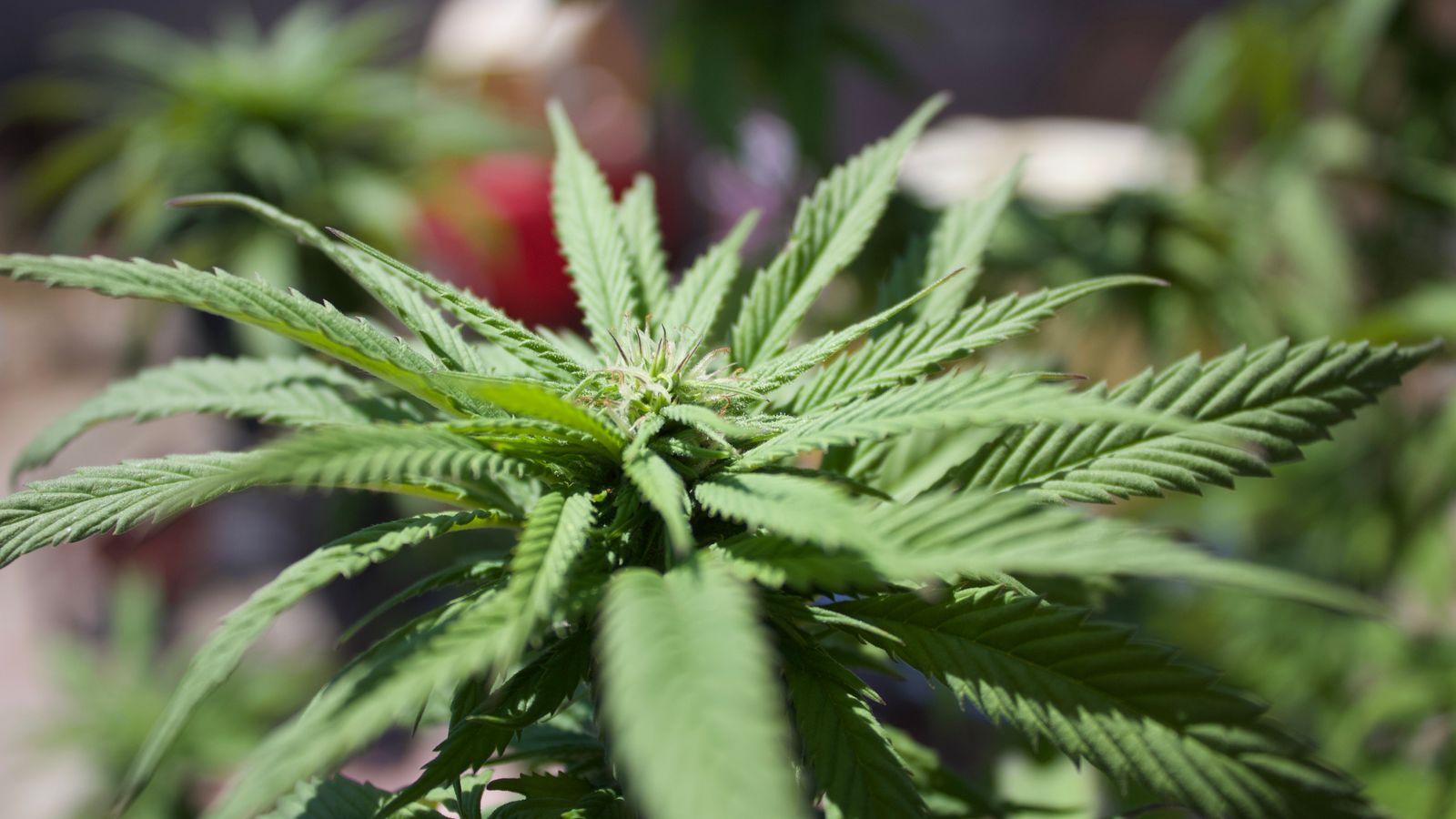
Close-up view of a lush green cannabis plant with distinct leaves under sunlight outdoors.
The Times puts a town-by-town framing on illicit grow density
The Times headline asks whether a superstrength weed farm operates in your town and answers, in parentheses, that it probably does.
The piece, published November 21, 2026, was surfaced through a Google News feed. CannIntel couldn't retrieve the full text, so the specific figures, police sources and mapping methodology behind the claim aren't reproduced here. What the headline itself asserts is the news: illicit high-potency cultivation is no longer a rural or industrial-estate outlier.
We're not attributing any numbers to The Times beyond what its headline states. Readers should consult the original report for its data.
Why the headline matters for the illicit-market thesis
A ubiquity claim reframes illicit cultivation from an enforcement anomaly into a standing feature of the supply chain.
If farms are present in most towns, the usual enforcement model of raid, seize, charge starts to look like whack-a-mole. Each seizure removes one node. The underlying margin structure stays intact.
That's the framing a markets desk cares about. Supply that is everywhere and untaxed sets the price floor for everyone else.
The unit economics favor the grower, not the regulator
Illicit indoor grows carry no excise, no licensing cost and no compliance overhead, which is a structural margin advantage over any regulated operator.
Compare that with the US licensed market, where operators carry 280E tax exposure and state excise stacked on top of cultivation costs. Licensed MSOs have spent two years arguing that this cost gap is what keeps illicit supply competitive on price.
High potency compounds the effect, since a grower selling stronger flower per gram captures more value per unit of floor space and per unit of risk. The math is brutal for anyone playing by the rules.
High potency is the product, and it is also the risk
Superstrength output raises the public-health stakes because THC concentration, not volume, is what drives the harm argument.
Illicit product is untested. There's no THCA labeling, no contaminant screening and no batch traceability. Buyers can't know potency, pesticide residue or mold load.
That's the strongest policy argument regulated markets have: testing and tracking exist precisely because black-market flower offers neither. The Times framing hands that argument fresh ammunition.
The core tension is that the more widespread illicit cultivation appears, the stronger both the case for tougher enforcement and the case for a legal, taxed alternative.
Enforcement capacity is the pressure point
Police resources, not detection, are the usual bottleneck when grows are dispersed across thousands of residential and commercial sites.
Dispersed cultivation is harder to police than a handful of large sites. Each grow needs surveillance, a warrant, a raid team and a prosecution, and multiplied across a nationwide footprint, the cost per seizure rises faster than the deterrent effect.
US regulators have described the same dynamic in states where unlicensed grows persist alongside legal supply. For more on that pattern, see the CannIntel topic hub on illegal cannabis cultivation enforcement.
What the US and Canada can read across
Legal markets that tolerate wide price gaps with illicit supply see unlicensed cultivation persist regardless of enforcement effort.
California's DCC has repeatedly cited unlicensed operators as a drag on licensed revenue. Ohio and other newer markets are watching for the same leakage as they scale. The UK has no legal adult-use framework, so its illicit market operates without a regulated competitor to compress prices at all.
The contrast is clean. In the UK the black market is the market. In the US and Canada it's a competitor the legal sector is still trying to price against.
What we could not verify
The headline's central claim rests on reporting CannIntel could not independently review, so its scale and sourcing remain unconfirmed here.
We couldn't confirm how many farms The Times counted, which forces supplied data, or how it defined superstrength. Treat the ubiquity claim as the paper's assertion until the underlying figures are checked.
Watch for any Home Office or National Police Chiefs' Council response, and for follow-up reporting that puts hard farm counts and seizure totals behind the headline.
Frequently asked questions
What did The Times report about superstrength cannabis farms?
On November 21, 2026, The Times published a report headlined 'Is there a superstrength weed farm in your town? (Probably).' The headline suggests high-potency illicit grows are widespread across British towns. CannIntel could not retrieve the full text, so specific figures are not confirmed here.
Why does illicit cultivation undercut legal operators?
Illicit growers pay no excise tax, licensing fees or compliance costs, and they skip testing and tracking. Licensed US operators also face 280E tax exposure. That cost gap lets illicit supply compete on price, especially for high-potency flower.
Why is high-potency illicit cannabis a public-health concern?
Illicit product carries no potency labeling, contaminant screening or batch traceability. Buyers cannot know THC concentration, pesticide residue or mold levels. Regulated markets cite mandatory testing as the main safeguard illicit supply lacks.
Does the UK have a legal adult-use cannabis market?
No. The UK has no legal adult-use framework, so illicit supply operates without a regulated competitor. That differs from the US and Canada, where legal operators compete directly with unlicensed sellers on price.
Sources
The cannabis newsletter you forward to your team.
Federal policy, market data, grower alerts, and the one story that matters today. Sent every weekday at 7am. Free.
No spam. Unsubscribe with one click. 21+ only.
Related from News

Odisha Destroys Cannabis on 375.78 Acres in 24 Hours
Sankalp: Nasha Mukt Boudh campaign reports a single-day eradication tally of 375.78 acres, pushing Odisha's drive against illegal cultivation into a higher gear.

Monitoring the Future 2024 Puts Teen Marijuana Use at 30-Year Low
The long-running national survey of U.S. adolescents shows teen cannabis use at its lowest level in three decades, even as legalization has spread to more than twenty states.

Teen Cannabis Use Hits Record Low as States Legalize
A Talking Joints Memo report says youth use has never been lower even as more states regulate adult-use markets, undercutting a core prohibitionist argument.
More from the newsroom

USDA Updates Hemp Crop Insurance for 2027 as THC Risk Looms
The USDA revised hemp crop insurance for the 2027 crop year, and growers are now weighing how the program treats THC compliance losses.

Utah Opens Comment Window on Medical Cannabis Rules Through Dec. 15
Operators, patients and tax advisers have until December 15 to weigh in on Utah's proposed medical cannabis rules, and the filing details matter more than the headline.

Alaska Considers Letting Marijuana Stores Operate 24 Hours a Day
A proposal under review in Alaska would lift daily operating-hour limits on licensed retailers, a change that would reshape staffing, security and local-control fights.