Odisha Destroys Cannabis on 375.78 Acres in 24 Hours
Sankalp: Nasha Mukt Boudh campaign reports a single-day eradication tally of 375.78 acres, pushing Odisha's drive against illegal cultivation into a higher gear.

Aerial view of a verdant hillside landscape with a cornfield and rural house.
Odisha's Boudh campaign posts a 375.78-acre single-day eradication tally
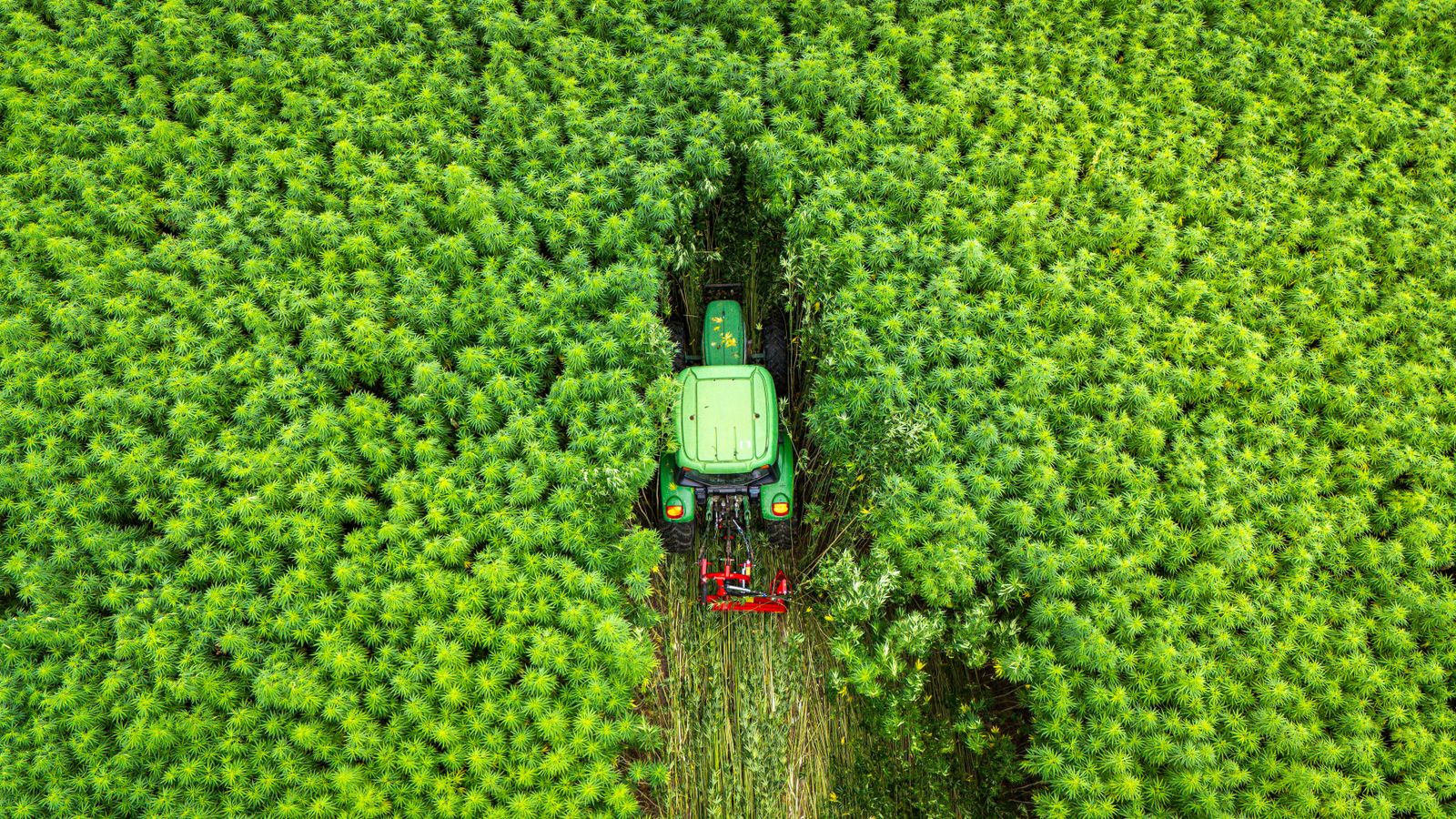
Odisha enforcement teams destroyed illegal cannabis plantations across 375.78 acres in a 24-hour window under the Sankalp: Nasha Mukt Boudh campaign, according to a report published November 20, 2026 by ODISHA RAY.
The campaign name translates roughly to a pledge for a drug-free Boudh. The headline figure is the only hard number in the signal we can verify. Everything below is context and analysis, kept clearly separate from what the report supports.
The scale is the story
At 375.78 acres, one day's destruction covers roughly 152 hectares of illegal crop.
That's a big footprint for a single 24-hour operation. Cannabis eradication in rural Odisha typically means walking teams into hill and forest-fringe terrain, cutting and burning plants in the field. Covering that much ground in a day points to coordinated, multi-team deployment rather than a routine patrol, and it suggests the logistics were planned well in advance.
The cleanest read on the number: the campaign has moved from symbolic to operational.
What the signal does not tell us
The source headline supplies acreage and a time window, but no named officials, seizure weights, arrests or dollar-equivalent crop values.
We didn't have access to the underlying article text, so we aren't reporting arrest counts, plant counts, agency names or quotes. Any of those would sharpen the picture. Without them, the acreage stands alone.
- Confirmed in the signal: 375.78 acres, 24 hours, Boudh campaign, ODISHA RAY as the outlet
- Not confirmed: lead agency, arrests, plant counts, estimated street value
- Not confirmed: whether the figure is a single-day record or part of a cumulative total
Why it matters beyond Boudh
Large-scale field eradication is the supply-side half of India's drug policy, and it runs entirely outside any legal cannabis market.
India's federal framework under the NDPS Act (Narcotic Drugs and Psychotropic Substances Act, 1985) criminalizes cultivation of cannabis plants for narcotic use, with limited state-level exceptions for industrial hemp and medical or scientific purposes. Odisha is a long-standing source region for ganja moving to other Indian states. Eradication drives like this one target that upstream supply.
For international operators and investors, the takeaway is blunt. India isn't liberalizing recreational cannabis, and enforcement is intensifying in producing districts.
The operational reality for farmers
Destroying standing crops hits smallholders hardest, because illegal ganja often sits inside subsistence farming economies with few alternative cash crops.
Eradication without substitution is a known weakness of supply-side drug policy globally. Reporting on whether Odisha pairs these drives with alternative-livelihood programs would tell us far more about durability than the acreage does. That detail is absent from the signal.
Acreage destroyed is an output metric. Whether cultivation falls next season is the outcome metric, and the report does not address it.
What to read into the pace
A tally this size in one day suggests the campaign is timed to the harvest window, when standing plants are most visible and most valuable.
That timing logic is our inference, not a claim from the source. Late-year operations in cannabis-growing regions commonly track crop maturity, since destroying plants near harvest maximizes economic damage to growers. If Boudh's numbers keep climbing through the coming weeks, expect the state to frame the drive as a cumulative success story.
Watch for the next daily tally. A sustained run of large figures would confirm a coordinated season-long push.
The topic hub and what comes next
CannIntel is tracking Odisha's eradication drive as a running story, with updates as official tallies and agency statements surface.
For full background on this story, see the CannIntel topic hub on Odisha illegal cannabis eradication. The wider enforcement picture also touches India's NDPS Act, the gap between prohibition-state policy and legal markets such as California and Ohio, and the regulatory contrast with agencies like the DEA that police illicit supply in the United States.
Next up is an official cumulative total for the Boudh campaign, plus any arrest and seizure data that puts the 375.78-acre figure in context.
Sources
The cannabis newsletter you forward to your team.
Federal policy, market data, grower alerts, and the one story that matters today. Sent every weekday at 7am. Free.
No spam. Unsubscribe with one click. 21+ only.
Related from News

Monitoring the Future 2024 Puts Teen Marijuana Use at 30-Year Low
The long-running national survey of U.S. adolescents shows teen cannabis use at its lowest level in three decades, even as legalization has spread to more than twenty states.

Teen Cannabis Use Hits Record Low as States Legalize
A Talking Joints Memo report says youth use has never been lower even as more states regulate adult-use markets, undercutting a core prohibitionist argument.

Police dismantle 78,000-square-metre Granada cannabis farm, 3,000 plants
Spanish police raided a 78,000-square-metre cultivation site in Granada holding about 3,000 plants, according to Olive Press News Spain, in another outdoor-scale enforcement action.
More from the newsroom

Why Police Are Breaking With Marijuana Prohibition
A Hype Magazine piece on cops souring on cannabis prohibition fits a long-running trend; the operational logic behind it is the real story.
Wisconsin Lawmakers Say Legalization Can Save State Hemp Industry
Lawmakers argue a regulated adult-use market would give Wisconsin hemp businesses a legal lifeline as federal hemp policy shifts underneath them.

ConBud Yankee Stadium Opens in the Bronx Under New York's CAURD Program
A dispensary near Yankee Stadium puts New York's justice-involved licensing model back under scrutiny, in a borough that carried a disproportionate share of the state's old marijuana arrests.