Osseo Residents Push Back on Property Tax Plan for Cannabis Dispensary
Minnesota suburb faces blowback over proposal to use tax increment financing for cannabis retail site.

Crowd of activists raising peace signs near a City Hall during a rally.
Tax Increment Financing Proposal Sparks Community Uproar
Osseo officials proposed using tax increment financing (TIF) to fund infrastructure improvements for a cannabis retail site, drawing immediate criticism from residents who questioned why public dollars would subsidize a private cannabis business. The proposal surfaced at a July 17 public hearing. Community members challenged the city's rationale for earmarking property tax revenue for the project.
TIF districts allow municipalities to capture future property tax increases from a designated area and redirect those funds toward development costs within that zone. In Osseo's case, the incremental tax revenue would finance site preparation, utilities, or other infrastructure needed for the dispensary location.
One resident, speaking at the hearing, said the use of tax dollars for cannabis retail was "disgusting," according to local coverage. The comment reflects broader skepticism in Minnesota suburbs about how cities allocate scarce public resources as the state's adult-use cannabis market takes shape.
Minnesota's Rollout Creates Municipal Dilemmas
Minnesota legalized adult-use cannabis in May 2023, but the state's rollout has left cities grappling with zoning, taxation, and public-investment questions with limited precedent. The Office of Cannabis Management (OCM) began issuing preapproval licenses in early 2024, and the first retail sales are expected by late 2024 or early 2025.
Municipalities retain local control over zoning and can impose additional taxes on cannabis businesses. Some cities have embraced the revenue opportunity; others have enacted moratoriums or restrictive zoning. Osseo's TIF proposal sits in a gray zone: the city isn't blocking cannabis retail, but it's asking taxpayers to subsidize the infrastructure.
For context on Minnesota's broader cannabis rollout and municipal responses, see the CannIntel topic hub on Minnesota Cannabis Rollout.
Here's the cleanest read on Osseo's dilemma: cities want the tax revenue cannabis generates, but they also face voter blowback when public dollars flow to an industry many residents still view as controversial.
What Happens Next in Osseo
No final vote has been scheduled on the TIF proposal, and city officials haven't disclosed the dispensary operator or the project's total cost. Public comment periods typically precede formal council votes on TIF districts. Osseo's timeline remains unclear.
If the TIF district moves forward, the city would capture incremental property tax revenue from the site for a defined period—often 15 to 25 years—and use those funds to reimburse infrastructure costs. If the district is rejected, the dispensary operator would need to finance site improvements privately or seek a different location.
The political variable nobody can model? How many Osseo voters share the "disgusting" sentiment voiced at the hearing. If opposition is widespread, the council may shelve the TIF plan to avoid electoral backlash in the next cycle.
Frequently asked questions
What is tax increment financing (TIF)?
TIF allows cities to capture future property tax increases from a designated area and redirect those funds toward development costs within that zone. In Osseo's case, incremental tax revenue would finance infrastructure for a cannabis dispensary site.
When did Minnesota legalize adult-use cannabis?
Minnesota legalized adult-use cannabis in May 2023. The Office of Cannabis Management began issuing preapproval licenses in early 2024, and the first retail sales are expected by late 2024 or early 2025.
Can Minnesota cities block cannabis dispensaries?
Yes. Municipalities retain local control over zoning and can impose additional taxes on cannabis businesses. Some cities have enacted moratoriums or restrictive zoning ordinances.
Has Osseo approved the TIF plan for the cannabis dispensary?
No. No final vote has been scheduled, and city officials have not disclosed the dispensary operator or the project's total cost. Public comment periods typically precede formal council votes.
Why are residents opposed to the Osseo TIF proposal?
Residents questioned why public dollars would subsidize a private cannabis business. At least one resident called the plan 'disgusting' at a July 17 public hearing, reflecting skepticism about allocating scarce public resources to cannabis retail.
Sources
The cannabis newsletter you forward to your team.
Federal policy, market data, grower alerts, and the one story that matters today. Sent every weekday at 7am. Free.
No spam. Unsubscribe with one click. 21+ only.
Related from News

Week in Weed: DEA Rescheduling Hearing Set, Ohio Launches Sales
Federal rescheduling moves to administrative law while Ohio's adult-use market opens and California enforcement ramps up.

Alderpoint Raid Seizes 2,300 Pounds of Cannabis, Thousands of Plants
Humboldt County's MET team dismantled multiple illegal grows in coordinated operation targeting unlicensed cultivation sites.

Colorado Recalls Colorado's Best Dabs Concentrate Over Contamination
State regulators pulled a concentrate product from retail shelves after lab tests flagged safety violations.
More from the newsroom

Hemp-THC Beverage Industry Eyes November Comeback Despite Federal Limbo
Diana Eberlein predicts hemp-derived THC drinks will return by Nov. 12 regardless of federal rulemaking outcome.
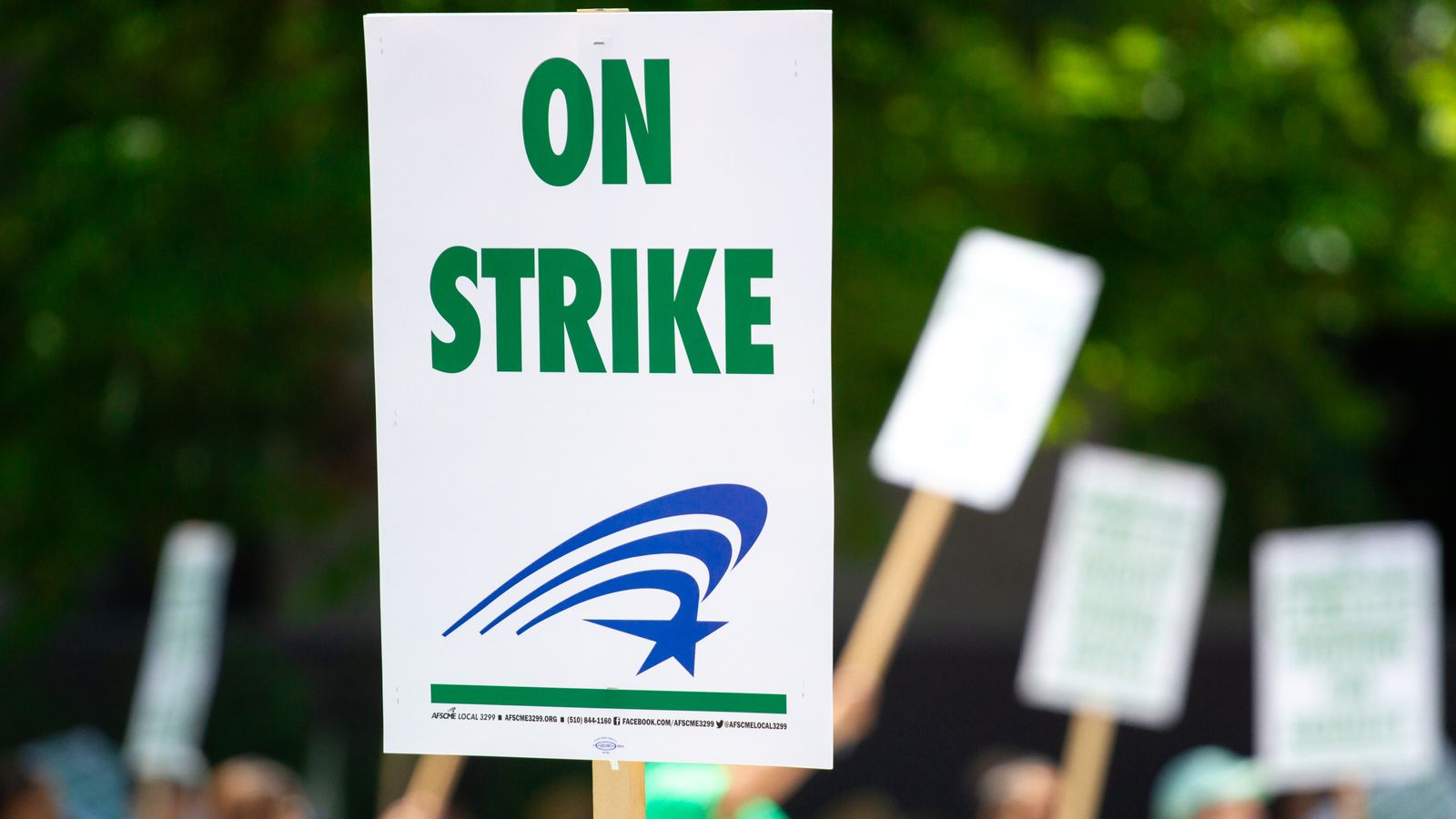
The Botanist Sales Reps Join UFCW Local 360 in Supply-Chain Expansion
The union push now reaches front-line retail workers at Acreage Holdings' flagship brand.

Massachusetts Commission Orders Cannabis Repeal Question on 2026 Ballot
State ballot commission overrules objection, clearing path for voters to decide fate of recreational cannabis program.