Ohio Dispensary Voluntarily Closes Amid State Health Investigation
An unnamed Ohio dispensary shut its doors voluntarily as state regulators investigate reports of adverse health events linked to products sold at the location.
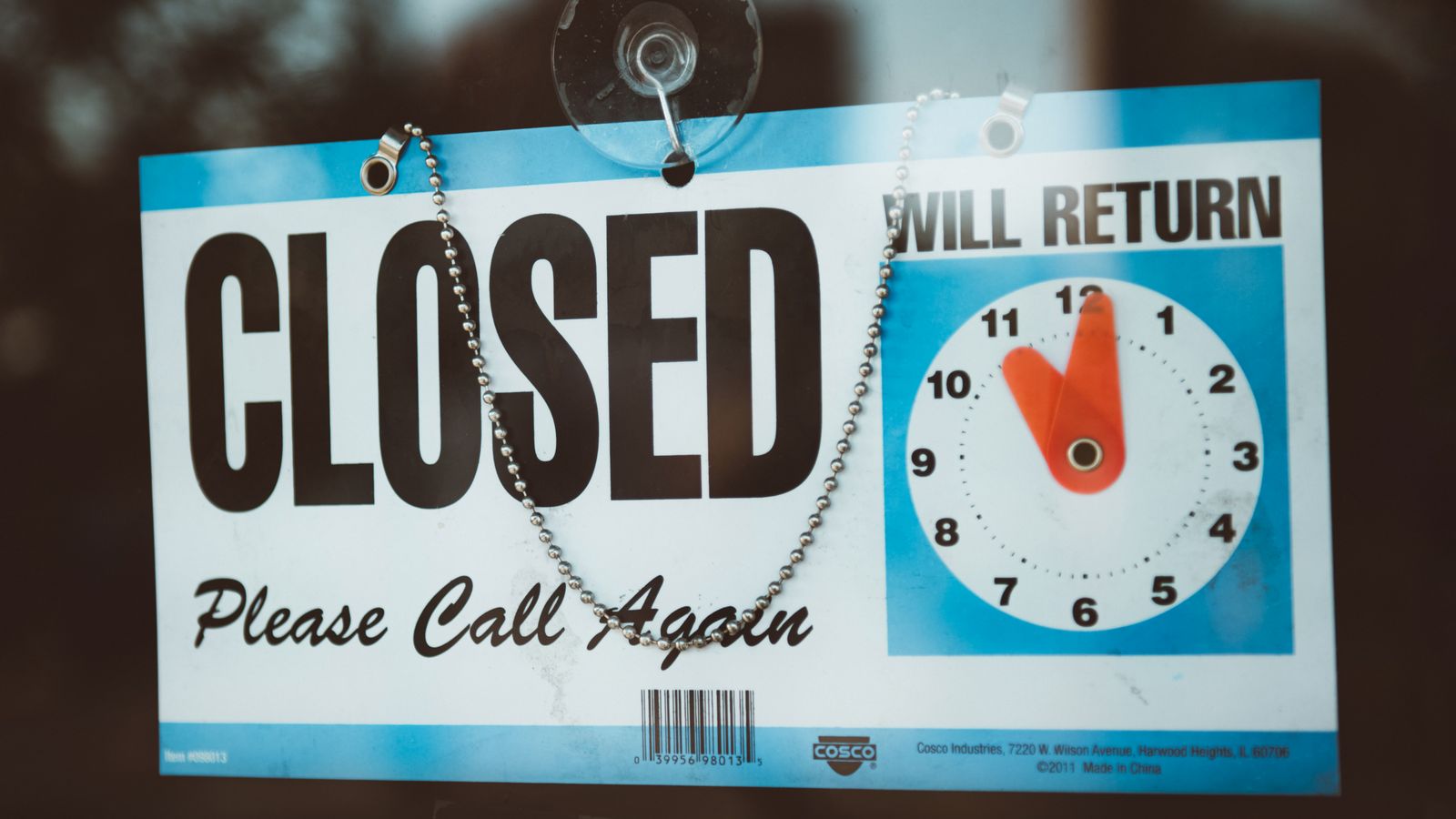
A close-up view of a 'Closed' sign on a door, displaying a return time.
Voluntary Closure Signals Operator Cooperation
The unnamed dispensary elected to close before any formal enforcement action, a move that typically signals cooperation with investigators and concern over product integrity. Ohio's Division of Cannabis Control hasn't publicly named the facility or disclosed the number of affected patients. The agency confirmed it's actively investigating the reports but declined to provide a timeline for completion.
Voluntary closures are rare in state cannabis programs. They usually occur when an operator identifies internal compliance failures or when regulators communicate preliminary findings serious enough to warrant immediate action. Under ORC 3796, the DCC has authority to suspend licenses, but operators who self-report and halt sales often avoid harsher penalties.
What We Know About the Health Events
Details on the nature of the adverse health events remain undisclosed, but the investigation's focus on a single dispensary suggests contamination or mislabeling rather than systemic cultivation issues. If the problem originated upstream at a processor or cultivator, regulators would typically issue a broader recall affecting multiple retail locations.
Common triggers for dispensary-specific investigations include:
- Improper storage leading to mold or bacterial contamination
- Mislabeled THC potency causing overconsumption
- Cross-contamination from non-cannabis products in shared retail space
- Adulterated vape cartridges or concentrates
Ohio's medical program requires all products to pass third-party lab testing for potency, pesticides, heavy metals, and microbials before reaching dispensaries. A failure at the retail level typically points to post-testing handling errors.
Ohio's Track Record on Product Safety
Ohio has issued fewer than a dozen product recalls since the medical program launched in 2019. That's a relatively clean record compared to mature markets like Michigan or California. The state's seed-to-sale tracking system, BioTrack, logs every transaction and batch movement, giving regulators rapid traceability when problems surface.
The DCC's most recent enforcement action came in June 2026, when it suspended a Columbus-area processor for 14 days after inspectors found unlicensed employees handling product. That case didn't involve patient health complaints. The agency hasn't disclosed any recalls or health-related investigations in 2026 prior to this incident.
For full background on Ohio's regulatory framework and enforcement history, see the CannIntel topic hub on Ohio's cannabis program.
What Happens Next
The dispensary will remain closed until the DCC completes its investigation and determines whether the facility can reopen under a corrective action plan or faces license suspension. If regulators identify a specific product batch as the source, they'll issue a mandatory recall and trace the supply chain back to the processor or cultivator responsible.
Patients who purchased products from the location in recent weeks should monitor the DCC's public notices page for recall announcements. State law requires dispensaries to maintain transaction records for at least five years. This enables targeted patient outreach if a recall is issued.
The next signal: whether the DCC names the facility publicly. Transparency on enforcement actions varies widely by state. Some publish detailed compliance reports. Others release minimal information citing ongoing investigations. Ohio typically discloses facility names only after final enforcement orders are issued.
For complete background, history, and our ongoing coverage of this story:
Open the CannIntel topic hub →Frequently asked questions
Why would a dispensary close voluntarily before regulators order it?
Voluntary closures signal cooperation and often result in lighter penalties. Operators who self-report compliance failures and halt sales typically avoid license suspension, instead entering corrective action plans with the state.
How does Ohio track cannabis products from cultivation to sale?
Ohio uses BioTrack, a seed-to-sale system that logs every batch movement and transaction. When health complaints surface, regulators can trace products back through processors to the original cultivator within hours.
What should patients who bought from this dispensary do now?
Monitor the Division of Cannabis Control's public notices page for recall announcements. If a specific product batch is identified, the DCC will issue a recall with instructions for returns or disposal.
How common are product recalls in Ohio's cannabis program?
Ohio has issued fewer than a dozen recalls since the medical program launched in 2019, a relatively low rate compared to states like Michigan or California with longer-running markets.
Will the state publicly name the dispensary under investigation?
Ohio typically discloses facility names only after final enforcement orders are issued. The DCC has not named the location as of September 8, 2026, citing the ongoing investigation.
Sources
The cannabis newsletter you forward to your team.
Federal policy, market data, grower alerts, and the one story that matters today. Sent every weekday at 7am. Free.
No spam. Unsubscribe with one click. 21+ only.
Related from News

Nova Scotia Investigates Report of Fentanyl-Contaminated Cannabis
Health authorities probe suspected opioid contamination case as public-health officials warn consumers to test unregulated products.

Cannabis Toffees and Soft Drinks Target Children in Ghana's Volta Region
Unregulated THC-infused candies and beverages are reaching minors in Ghana, raising urgent questions about enforcement gaps.

Ohio Dispensary Closed After Two Patients Report Serious Health Reactions
State regulators shut down an unnamed dispensary pending investigation into adverse events reported by two customers.
More from the newsroom

Humboldt Merchant Services Settles FTC Fraud Claims for $12M
Federal regulators allege the cannabis payment processor opened over 1,000 sham merchant accounts tied to fraudulent billing schemes.

Colorado Regulators Face Criticism Over Delayed Adverse-Effect Warnings
State cannabis officials delayed public warnings about reported adverse reactions to regulated products, drawing scrutiny over consumer-safety protocols.
NOLA Cannabis Co. Opens Bourbon Street Flagship in New Orleans
The Louisiana dispensary operator launches a 3,200-square-foot retail store in the French Quarter, targeting tourist and local foot traffic.