Colorado Regulators Face Criticism Over Delayed Adverse-Effect Warnings
State cannabis officials delayed public warnings about reported adverse reactions to regulated products, drawing scrutiny over consumer-safety protocols.
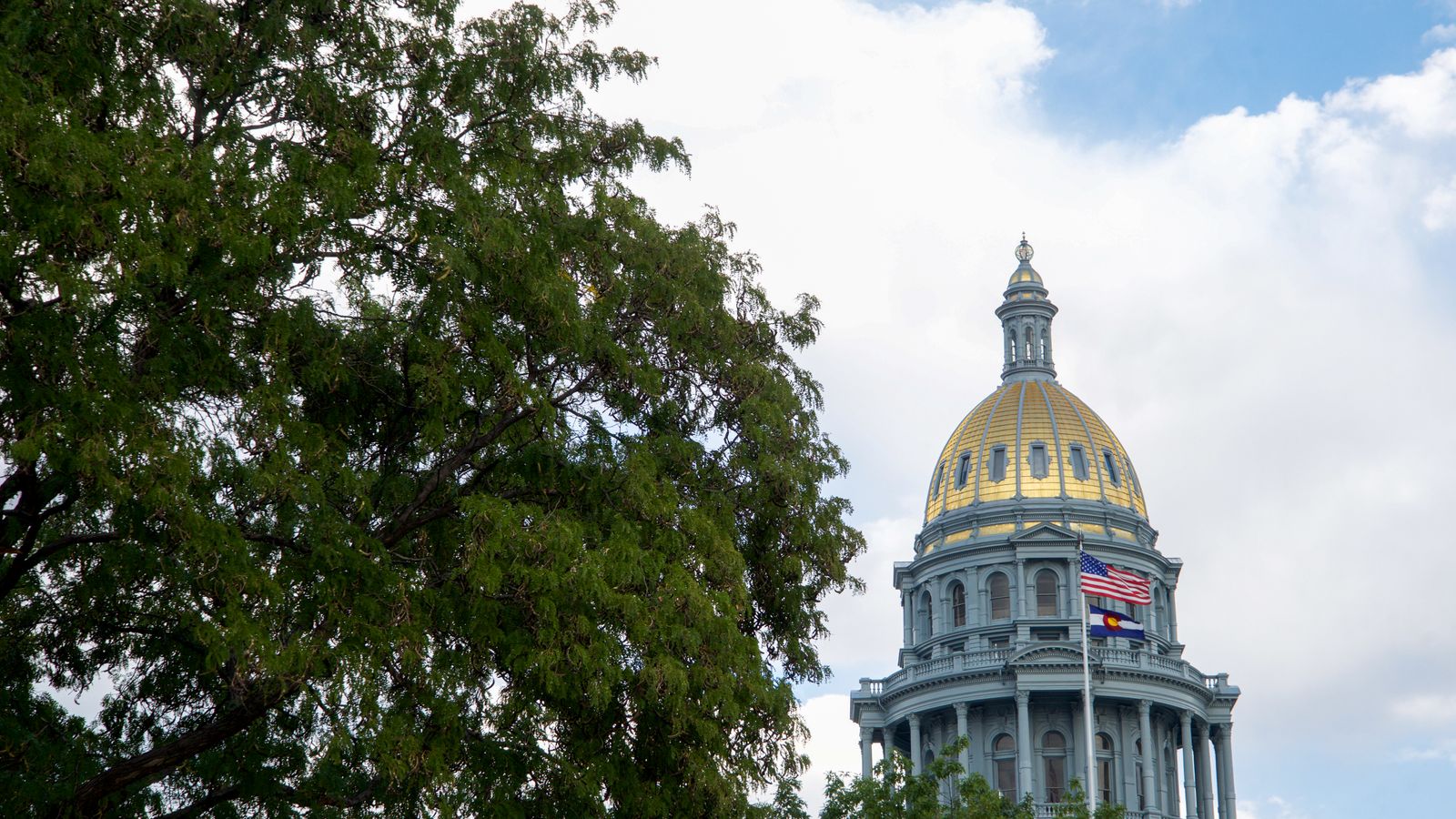
The Denver State Capitol building with its iconic gold dome under a clear blue sky.
Timeline of Warnings Draws Scrutiny
Colorado's Marijuana Enforcement Division received multiple reports of adverse reactions to licensed cannabis products but waited days or weeks to issue public alerts, according to records reviewed by consumer advocates. The delay has prompted criticism from patient groups and industry observers who argue that real-time consumer safety requires faster disclosure when products under state oversight trigger health complaints.
The state hasn't disclosed the exact number of adverse-event reports or the specific products involved. Colorado law requires licensed operators to report consumer complaints involving potential health risks to the MED within 24 hours, but the agency has broad discretion over when and whether to issue public warnings.
That discretion is now the flashpoint. Critics contend that a multi-day lag between internal notification and public disclosure undermines the regulated market's core promise: transparent safety oversight that illegal operators can't provide.
What Constitutes an Adverse Effect in Cannabis Products
Adverse effects in state-regulated cannabis typically include unexpected intoxication levels, contamination with pesticides or heavy metals, mislabeled potency, or physical reactions such as nausea and respiratory distress. Colorado's testing regime mandates potency and contaminant screening for all retail products. Post-market surveillance relies heavily on voluntary consumer and operator reporting.
The current controversy appears to involve consumer reports rather than laboratory findings. The products in question passed initial compliance testing. That distinction matters. If adverse effects stem from consumption patterns or individual sensitivity rather than contamination, the regulatory response differs, but the public-notification calculus remains the same.
When consumers report harm from a product that cleared state testing, regulators face a choice: investigate quietly or warn loudly. Colorado chose the former. The blowback is predictable.
The MED hasn't clarified whether the reported adverse effects were linked to delta-9 THC products, hemp-derived intoxicating cannabinoids sold outside the regulated market, or another product class. That ambiguity has fueled speculation that the delay was partly driven by uncertainty over jurisdiction.
Regulatory Authority and Public-Notification Standards
Colorado's Marijuana Enforcement Division operates under statutory authority to suspend licenses, issue recalls, and publish consumer advisories when products pose a risk to public health. The agency has used those powers before. Most notably in 2015, it issued a statewide alert about pesticide-contaminated concentrates. But there's no codified timeline mandating how quickly warnings must go public after adverse-event reports are filed.
That gap is deliberate. Regulators argue they need time to verify claims, test retained samples, and determine whether a warning is warranted or would cause undue market disruption. Consumer advocates counter that the absence of a hard deadline creates a bias toward caution that protects industry reputation at the expense of patient safety.
The tension is familiar in pharmaceutical regulation, where the FDA balances similar trade-offs, but cannabis operates in a different risk environment because products aren't subject to pre-market clinical trials and the consumer base includes medical patients with heightened vulnerability alongside recreational users with widely varying tolerance levels. For context on Colorado's evolving safety framework, see the CannIntel topic hub on Colorado cannabis safety.
Industry and Advocacy Response
Patient advocacy groups are calling for mandatory disclosure timelines, while licensed operators have largely remained silent, wary of any policy shift that could increase regulatory exposure. The silence is strategic. Faster public warnings could mean more frequent product recalls, higher compliance costs, and reputational risk even when adverse events are later found to be unrelated to the product itself.
One wrinkle: if the adverse-effect reports involved hemp-derived products sold in non-licensed retail channels (gas stations, smoke shops, online), Colorado's MED has no direct enforcement authority. Hemp products containing less than 0.3 percent delta-9 THC by dry weight fall under federal and state agriculture rules, not the MED's jurisdiction. That creates a notification dilemma when consumers can't distinguish between state-licensed dispensary products and unregulated hemp goods.
Expect this issue to surface in upcoming legislative sessions. Colorado lawmakers have debated hemp-intoxicant regulation repeatedly since 2022. A high-profile adverse-event controversy could be the catalyst for stricter oversight or clearer labeling mandates that distinguish regulated cannabis from hemp-derived alternatives.
The MED hasn't announced whether it'll revise its internal adverse-event protocols. Until it does, the public-notification timeline remains a judgment call. This week's criticism suggests that judgment is under review.
Sources
The cannabis newsletter you forward to your team.
Federal policy, market data, grower alerts, and the one story that matters today. Sent every weekday at 7am. Free.
No spam. Unsubscribe with one click. 21+ only.
Related from Laws
AG Blanche Says DOJ Won't Interfere With State-Legal Cannabis
Attorney General Todd Blanche said the Justice Department isn't seeking to interfere with state-legal marijuana operators, but no written policy or rule change accompanied the reported remarks.

Blanche Says Lucas Charges Aren't Aimed at State Cannabis Laws
The attorney general framed the federal case against Virginia's Senate president pro tem as conduct-based, not a move against state marijuana policy.

DOJ indicts Virginia lawmaker, six others over hemp THC shop
Federal prosecutors charged a Virginia state lawmaker and six others over a hemp THC operation, testing where hemp ends and marijuana begins.
More from the newsroom

Virginia Senator Faces Federal Marijuana and Fraud Charges
Marijuana Moment reported Oct. 22 that a top Virginia senator faces federal marijuana and fraud charges; the counts, court and named defendant await confirmation.

New Jersey Bill Extending Hemp Drink Sales Advances
A bill to extend New Jersey hemp drink sales moved forward Oct. 22, but the public record behind the headline is thin.

Survey of 7,913 German Patients Finds Pharmacy Cannabis Preferred
A survey of 7,913 German medicinal cannabis patients, nearly 90% with experience of both channels, points to the illegal market as a major source of stress.