Minnesota Youth Cannabis Use Declined in 2025, New Survey Finds
State data shows drop in adolescent marijuana consumption two years after adult-use legalization took effect.

Group of teenagers studying together on a laptop outdoors, fostering collaboration.
Survey Data Shows Decline Following Legalization
Minnesota youth marijuana use dropped in 2025, contradicting predictions that adult-use legalization would drive adolescent consumption higher. State health officials released the data tracking consumption trends among middle and high school students in the two years since Minnesota enacted its adult-use cannabis law in May 2023.
It's the first comprehensive look at youth use patterns since legal sales began. Opponents of legalization cited youth access concerns during the 2023 legislative debate. They argued normalization of adult use would increase adolescent experimentation.
Minnesota's Adult-Use Market Context
Minnesota launched adult-use sales in August 2023, becoming the 23rd state to legalize recreational cannabis. The state's Office of Cannabis Management oversees licensing for cultivators, processors, and retailers under a regulatory framework that includes strict advertising restrictions and age-verification mandates.
Revenue from the legal market exceeded $180 million in its first full year of operation, according to state tax data. By the end of 2024, the OCM had issued 47 retail licenses statewide, concentrated in the Twin Cities metro area and Duluth.
The cleanest read on the 2025 data is that regulated markets with enforcement infrastructure don't drive youth use upward.
For full background on this story, see the CannIntel topic hub on Minnesota youth cannabis use.
National Pattern Holds in Minnesota
Minnesota's youth-use decline aligns with data from Colorado, Washington, and other early-legalizing states, where adolescent consumption remained flat or fell post-legalization. A 2024 CDC analysis found no statistically significant increase in youth cannabis use in states with legal adult markets compared to prohibition states.
Researchers point to several factors. Regulated retailers face steep penalties for selling to minors, reducing access compared to unregulated dealers. Public health campaigns funded by cannabis tax revenue target youth prevention. Legal markets also reduce the social normalization effect of black-market transactions in schools and neighborhoods.
What Happens Next
The Minnesota Department of Health plans annual youth-use surveys through 2030 to track long-term trends. State legislators allocated $12 million in cannabis tax revenue to prevention programs in the 2025 budget cycle—funding school-based education and community outreach in counties with high adolescent use rates.
The next data release is scheduled for May 2027. Advocates will watch whether the decline holds as the retail market matures and product availability expands beyond the initial rollout phase.
Frequently asked questions
Did youth cannabis use increase after Minnesota legalized marijuana?
No. New state survey data shows youth cannabis use declined in 2025, two years after Minnesota legalized adult-use marijuana in May 2023. The finding contradicts predictions that legalization would drive adolescent consumption higher.
When did Minnesota launch adult-use cannabis sales?
Minnesota launched adult-use cannabis sales in August 2023, three months after the legislature passed legalization. The state became the 23rd to legalize recreational marijuana, with the Office of Cannabis Management overseeing licensing and enforcement.
How much revenue has Minnesota's legal cannabis market generated?
Minnesota's adult-use cannabis market generated over $180 million in revenue in its first full year of operation, according to state tax data. The state allocated $12 million of that revenue to youth prevention programs in 2025.
Do other states show similar youth-use trends after legalization?
Yes. Colorado, Washington, and other early-legalizing states saw youth cannabis use remain flat or decline post-legalization. A 2024 CDC analysis found no statistically significant increase in adolescent use in legal states compared to prohibition states.
Sources
The cannabis newsletter you forward to your team.
Federal policy, market data, grower alerts, and the one story that matters today. Sent every weekday at 7am. Free.
No spam. Unsubscribe with one click. 21+ only.
Related from News

Illegal Cannabis Grows Multiply Grid Power by 5x, Cause Blackouts in Spain
Grid reinforcement in Torrelles de Foix enabled narco-bunkers to quintuple electricity theft, triggering regional outages.

Virginia Chinese Nationals Indicted for Cartel Money Laundering
Federal prosecutors charged two Chinese nationals with laundering drug proceeds through Virginia businesses for Mexican cartels.
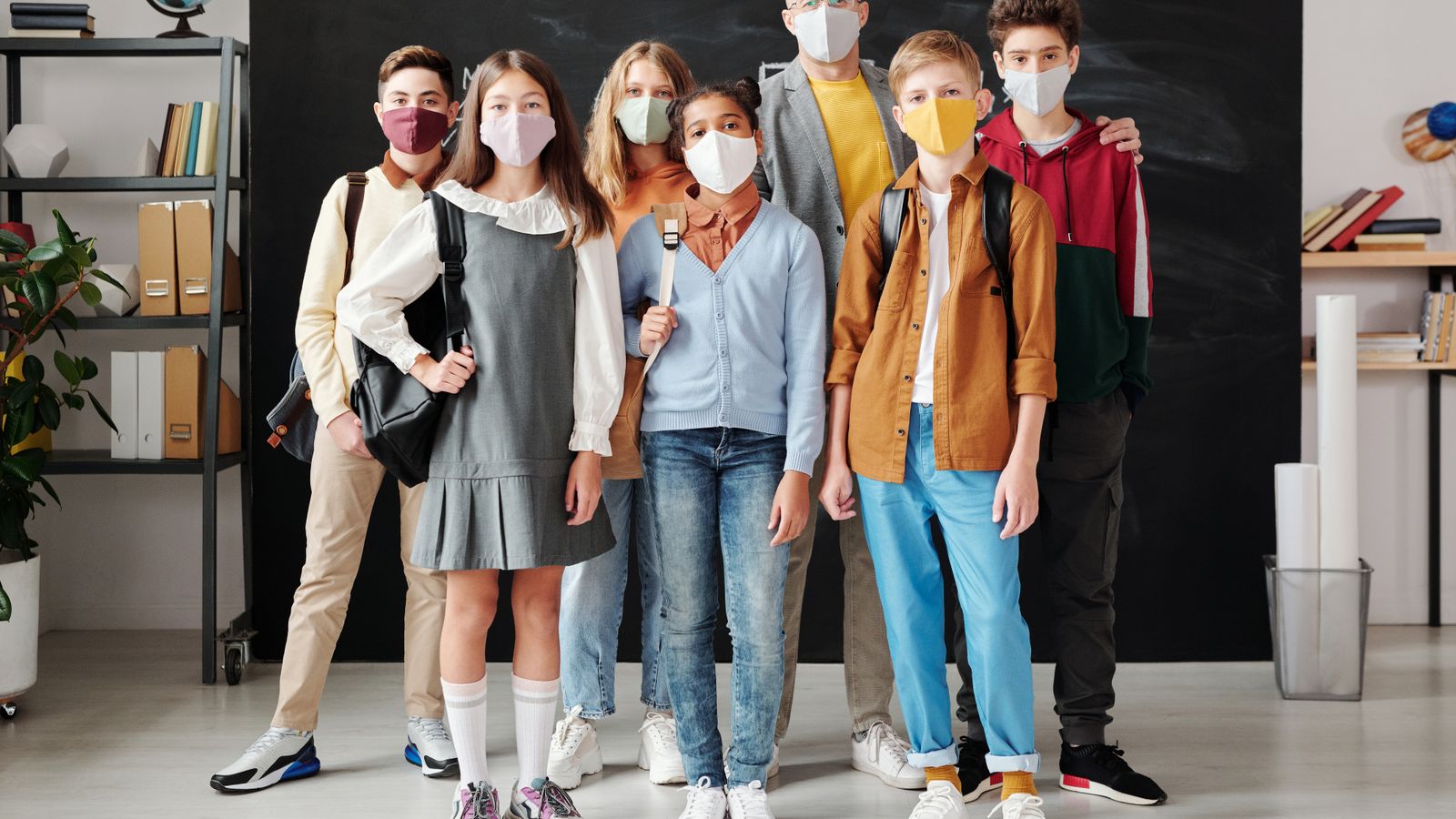
North Dakota Dispensary Confirms 'Extreme Dose' THC Strips Sickened Students
A licensed dispensary acknowledged that high-potency THC strips sent multiple students to the hospital this week.
More from the newsroom

How 'Marijuana' Became the Racialized Term for Cannabis in America
The linguistic shift from 'cannabis' to 'marijuana' encoded decades of xenophobia into U.S. drug policy.

Federal Cannabis Legal Status Remains Contradictory in 2026
Despite state-level reforms and DEA rescheduling proposals, cannabis remains federally illegal under the Controlled Substances Act.

Autoflower vs Photoperiod: Actual Yield Per Square Foot in 2026
Commercial growers report 1.8-2.4 lb/sqft/year from modern autoflowers vs 1.5-2.0 from photoperiods. The gap closed. Here's the math that matters.