Garden River Dispensary Closes Amid Fatal Overdose Investigation
A cannabis dispensary in Garden River, Ontario has shut down during an investigation into a suspected fatal overdose potentially linked to products sold at the location.
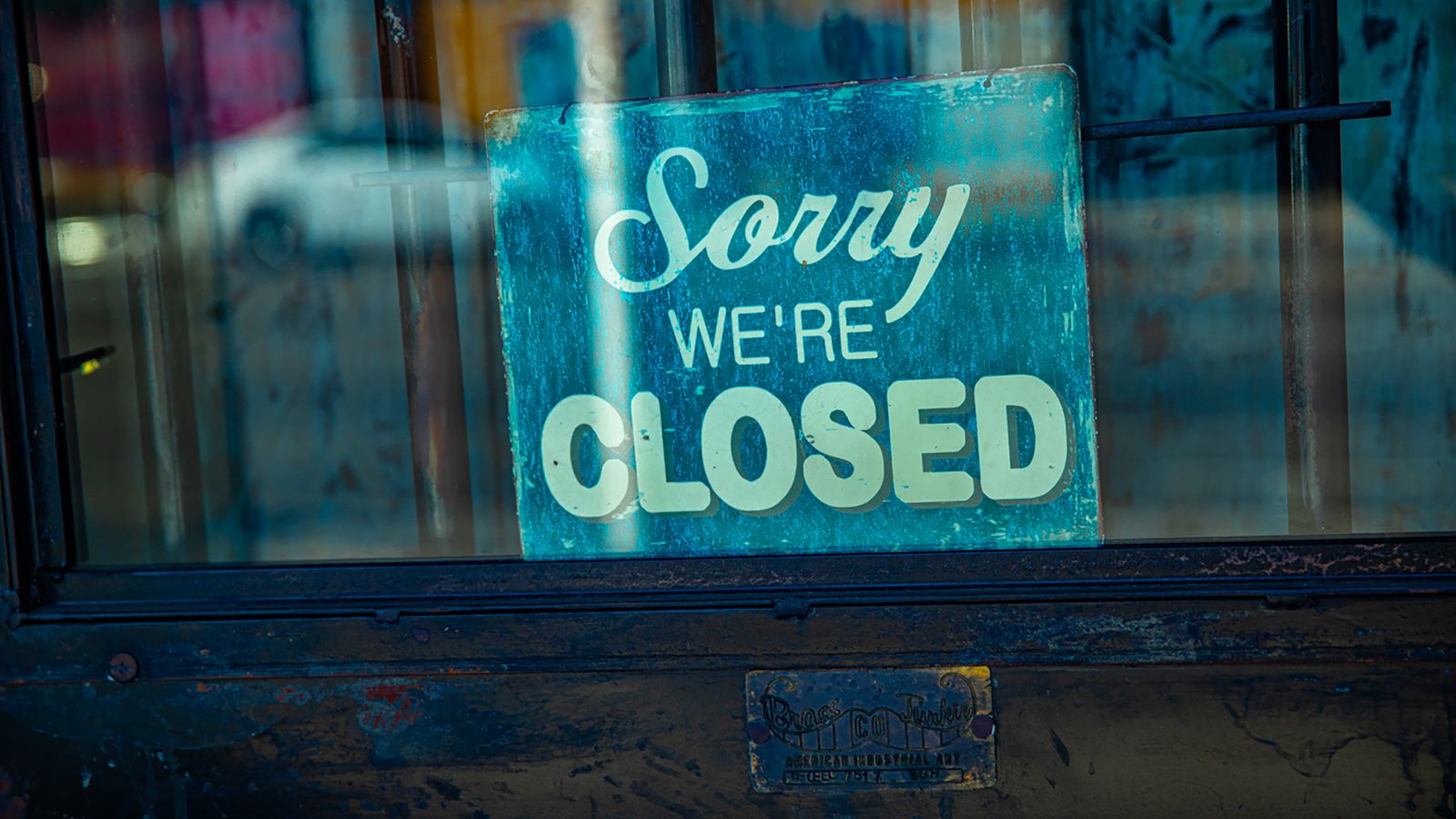
Retro 'Sorry We're Closed' sign displayed on a rustic glass door, depicting temporary closure.
Dispensary Shutters Operations During Active Investigation
The Garden River dispensary voluntarily ceased operations on June 12, 2026, as investigators probe a potential link between products sold at the store and a fatal overdose in the community. Local authorities confirmed the facility's closure. But the dispensary's exact legal status remains unclear—whether it held a license under Ontario's provincial framework or operated in a regulatory gray area.
Garden River First Nation sits approximately 20 kilometers south of Sault Ste. Marie. Cannabis retail activity has expanded there in recent years. Some First Nations communities in Ontario have established their own cannabis regulatory frameworks separate from the provincial Alcohol and Gaming Commission of Ontario (AGCO) system.
Fatal Overdose Triggers Multi-Agency Response
A Garden River resident died from a suspected overdose, prompting investigators to examine whether cannabis products purchased from the dispensary were contaminated with fentanyl or other adulterants. The death occurred in recent days, according to CTV News reporting. Exact timing and victim identification haven't been publicly released.
Fentanyl contamination in cannabis products remains rare but not unprecedented. Health Canada and provincial regulators have documented isolated cases where illicit-market cannabis was adulterated with synthetic opioids—typically through cross-contamination during processing or intentional spiking.
Regulatory Status of Garden River Cannabis Retailers
The dispensary's licensing status under Ontario's Cannabis Control Act remains a critical question in the investigation. Ontario's legal retail framework requires AGCO authorization for all cannabis stores. Several First Nations in Ontario have asserted jurisdiction over cannabis commerce on reserve lands, though, creating a patchwork of regulatory approaches.
- AGCO-licensed retailers are subject to mandatory product tracing through the Ontario Cannabis Store supply chain
- First Nations-regulated dispensaries may source products through separate channels
- Unlicensed stores operating outside both frameworks face enforcement action under provincial and federal law
Garden River First Nation hasn't publicly disclosed whether it operates a distinct cannabis licensing regime. It's also unclear whether the shuttered dispensary held any form of community authorization.
Product Testing and Supply Chain Scrutiny
Investigators are examining the dispensary's product sourcing and testing protocols to determine whether contaminated cannabis entered the retail supply. Licensed cannabis in Canada undergoes mandatory testing for potency, pesticides, heavy metals, and microbial contaminants under Health Canada's Cannabis Regulations. Fentanyl testing isn't standard in the regulated market, as synthetic opioid contamination isn't expected in products sourced through legal channels.
If the dispensary sourced products from the illicit market—either wholly or partially—those items wouldn't have undergone Health Canada-mandated testing. Cross-contamination can occur when processors handle multiple substances in shared facilities without adequate cleaning protocols.
Ontario's Cannabis Enforcement Landscape
Ontario has shuttered more than 1,500 unlicensed cannabis retailers since legalization in 2018. Enforcement on First Nations lands presents jurisdictional complexities, though. Provincial inspectors and police typically coordinate with band councils before taking enforcement action on reserve lands, respecting Indigenous sovereignty principles.
The AGCO maintains a public registry of licensed retailers. As of June 2026, no AGCO-authorized stores are listed for Garden River First Nation. Neighboring municipalities including Sault Ste. Marie host multiple licensed dispensaries.
Public Health Response and Consumer Warnings
Local health authorities haven't issued a formal public advisory about contaminated cannabis products in the Garden River area. But the investigation's scope suggests heightened vigilance. Algoma Public Health, which serves the region, typically issues alerts when adulterated substances pose community-wide risk.
Health Canada advises consumers to purchase cannabis exclusively from provincially licensed retailers to ensure product safety and regulatory compliance. Licensed stores are required to maintain detailed product records, enabling rapid recalls if contamination is detected.
What Happens Next in the Investigation
The investigation will likely involve product seizures, toxicology analysis of the overdose victim, and interviews with dispensary operators and employees. If fentanyl or other controlled substances are confirmed in cannabis products, charges under the Controlled Drugs and Substances Act could follow.
For comprehensive context on cannabis product safety standards and contamination incidents, see the CannIntel topic hub on cannabis product safety. Ontario's enforcement approach on First Nations lands will be closely watched as regulators balance public safety imperatives with respect for Indigenous jurisdiction over economic activity on reserve lands.
For complete background, history, and our ongoing coverage of this story:
Open the CannIntel topic hub →Frequently asked questions
Was the Garden River dispensary licensed by Ontario's AGCO?
The dispensary's licensing status is unclear. No AGCO-authorized stores are listed for Garden River First Nation as of June 2026. Some First Nations in Ontario operate separate cannabis regulatory frameworks on reserve lands.
How common is fentanyl contamination in legal cannabis?
Fentanyl contamination is extremely rare in Canada's legal cannabis market, where products undergo mandatory testing. Contamination cases typically involve illicit-market products or cross-contamination in unregulated processing facilities.
What testing is required for legal cannabis in Canada?
Health Canada's Cannabis Regulations require testing for THC/CBD potency, pesticides, heavy metals, microbial contaminants, and mycotoxins. Fentanyl testing is not standard, as synthetic opioid presence is not expected in legal supply chains.
Can provinces enforce cannabis laws on First Nations lands?
Enforcement on reserve lands involves jurisdictional complexity. Provincial authorities typically coordinate with band councils before taking action, respecting Indigenous sovereignty. Some First Nations assert exclusive jurisdiction over cannabis commerce on their territories.
What should consumers do if they purchased products from the Garden River dispensary?
Consumers should cease using any products purchased from the location and monitor for public health advisories from Algoma Public Health or Health Canada. Anyone experiencing adverse effects should seek immediate medical attention.
Sources
The cannabis newsletter you forward to your team.
Federal policy, market data, grower alerts, and the one story that matters today. Sent every weekday at 7am. Free.
No spam. Unsubscribe with one click. 21+ only.
Related from News

Maine Recalls Cannabis Strain Over Undisclosed Health Concerns
State regulators pulled a product from dispensary shelves, marking the latest safety action in Maine's adult-use market.
Alabama Medical Cannabis Reports First Week Sales, Reopens Lab Applications
The Alabama Medical Cannabis Commission disclosed early sales figures and announced a new application window for testing laboratories.

Garden River Dispensary Closes After Overdoses Trigger Product Testing
Ontario cannabis retailer suspends operations following multiple overdose incidents tied to products sold at the location.
More from the newsroom

Massachusetts SJC Rejects Bid to Block Cannabis Ballot Question
The state's highest court clears the way for voters to decide on adult-use cannabis reform this November.

WNBA Drops Marijuana from Banned Substances List in Historic Shift
The league becomes the first major U.S. professional sports organization to fully remove cannabis testing for players.

Ayotte Vetoes New Hampshire Medical Cannabis Home Cultivation Bill
Governor blocks HB 1633, which would have allowed patients to grow up to six plants at home.