Investigation Reveals Labor Trafficking in California Cannabis Operations
KESQ report exposes trafficked workers in illegal and licensed cultivation sites across Southern California.
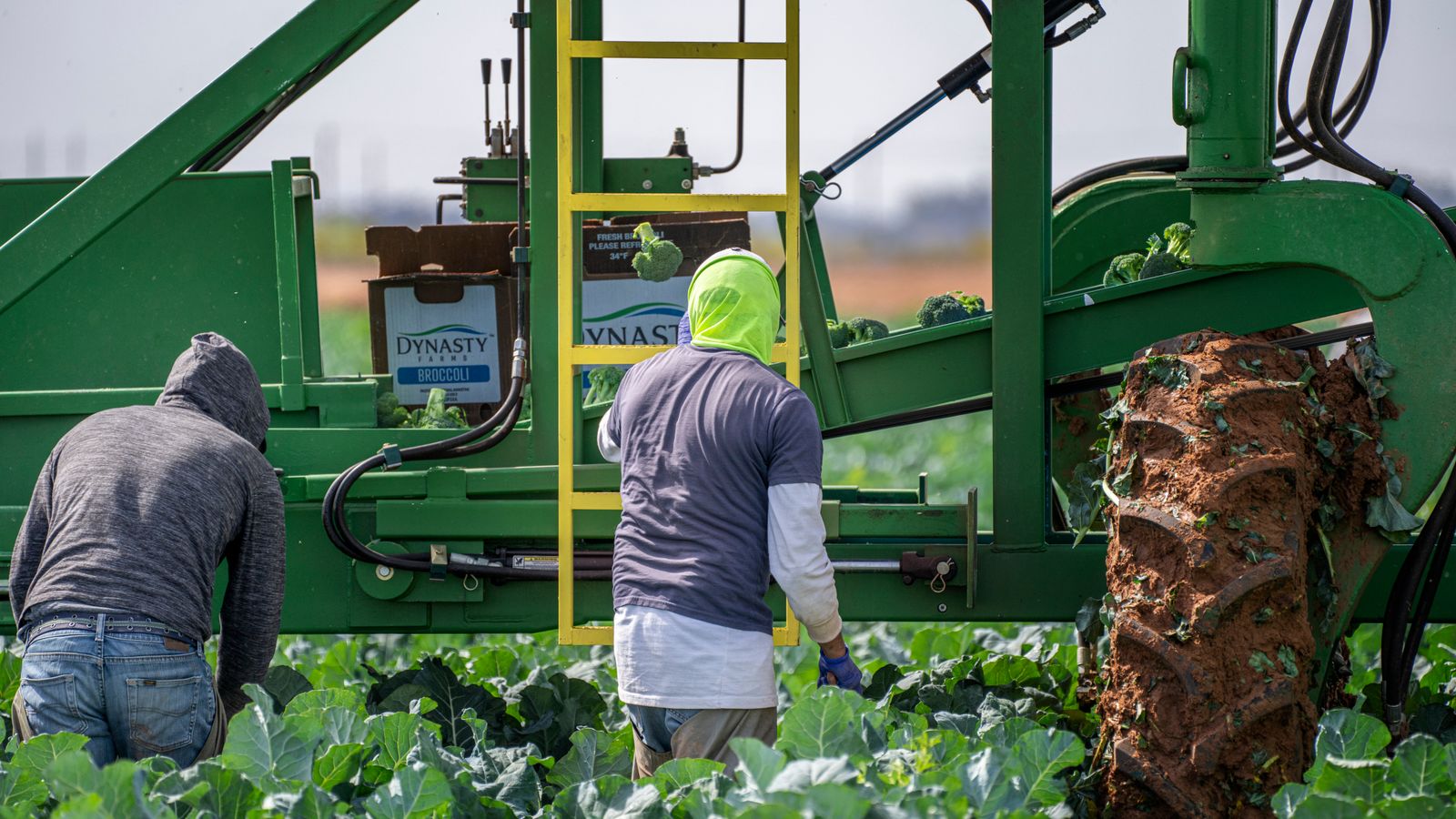
Farm workers harvest broccoli using machinery in a field, showcasing agricultural processes.
Documented Cases Span Licensed and Unlicensed Sites
The KESQ investigation identified at least seven cultivation facilities where workers reported trafficking conditions, including three state-licensed operations. Reporters interviewed twelve current and former workers who described recruitment through false job promises, confiscation of identity documents, and threats of deportation. The investigation centered on Desert Hot Springs and unincorporated areas of Riverside County, regions that saw rapid cannabis licensing growth following California's 2016 legalization.
Workers told investigators they were promised $15-per-hour wages and free housing. Upon arrival, employers allegedly seized passports, imposed housing fees of $400-$600 monthly, and paid $8-$10 per hour in cash with no overtime. One worker interviewed by KESQ said he worked 72-hour weeks for three months before receiving partial payment. Another described sleeping in a shipping container with eleven other workers on a licensed cultivation property.
Trafficking indicators at licensed facilities complicate California's regulatory framework. The Department of Cannabis Control (DCC) conducts annual inspections focused on product safety and track-and-trace compliance, not labor conditions. State labor enforcement falls to the Division of Labor Standards Enforcement, which has no cannabis-specific mandate. That jurisdictional gap creates enforcement dead zones where licensed operators can exploit workers while maintaining clean compliance records with DCC.
Economic Pressure and Competitive Dynamics Drive Exploitation
California's oversupplied wholesale market — where bulk flower prices fell from $1,200 per pound in 2021 to $400 in 2026 — creates acute margin pressure that incentivizes labor cost-cutting. Small and mid-sized cultivators face a tactical choice: absorb losses, exit the market, or reduce labor expenses through wage theft and substandard housing. The KESQ investigation suggests a subset of operators chose the third path.
This isn't a surprise. California's licensed cultivation sector added 1,847 medium and large outdoor licenses between 2022 and 2025, flooding the market with low-cost biomass. Operators who entered at peak wholesale prices now face a structural cash-flow crisis. A 10,000-square-foot canopy operation requires 8-12 full-time workers during harvest. At $15 per hour with payroll taxes, that's $35,000-$50,000 monthly in labor cost. Cut wages to $8 cash, skip overtime, and charge workers for housing, and you recover $20,000-$30,000 per month. That math is hard to argue with if you're underwater on a cultivation loan.
The competitive implication: licensed operators engaging in labor trafficking gain a 15-20% cost advantage over compliant competitors. That advantage compounds in a commoditized wholesale market where price is the primary differentiator. If enforcement remains weak, compliant operators face a perverse incentive to either match the labor practices or exit. The result? A race to the bottom that undermines the legal market's wage floor.
Enforcement Gap and What Comes Next
California has no integrated enforcement mechanism linking DCC licensing to labor-law compliance, and no legislative proposal currently addresses that gap. The DCC can revoke licenses for track-and-trace violations or product contamination, but labor trafficking isn't a disqualifying offense under current regulations. Workers interviewed by KESQ said they didn't report conditions to authorities due to immigration status or fear of retaliation. One worker said his employer threatened to report him to ICE if he complained about unpaid wages.
The federal angle matters here. Cannabis businesses can't access federal labor protections under the National Labor Relations Act because the underlying activity remains federally illegal. Workers in cannabis have no NLRB petition rights, no federal overtime protections under FLSA (in practice, given employer reluctance to create federal paper trails), and limited recourse if employers retaliate. State enforcement is the only game. And it's under-resourced. California's Division of Labor Standards Enforcement conducted 14 cannabis-sector investigations in 2025, according to public records — a negligible figure given the state's 8,000+ active licenses.
The political variable nobody can model is whether this investigation triggers legislative action. California's cannabis-labor coalition has pushed for a DCC-DLSE enforcement partnership since 2023, with no traction. A high-profile trafficking case could change that calculus, especially if it lands in federal court under the Trafficking Victims Protection Act. For full background on this story, see the CannIntel topic hub on cannabis labor trafficking. We'll be watching three indicators: DCC's public response, whether any licensed operators face license suspension, and whether Sacramento introduces enforcement-integration legislation in the 2027 session.
For complete background, history, and our ongoing coverage of this story:
Open the CannIntel topic hub →Sources
The cannabis newsletter you forward to your team.
Federal policy, market data, grower alerts, and the one story that matters today. Sent every weekday at 7am. Free.
No spam. Unsubscribe with one click. 21+ only.
Related from News

Virginia Senator Faces Federal Marijuana and Fraud Charges
Marijuana Moment reported Oct. 22 that a top Virginia senator faces federal marijuana and fraud charges; the counts, court and named defendant await confirmation.
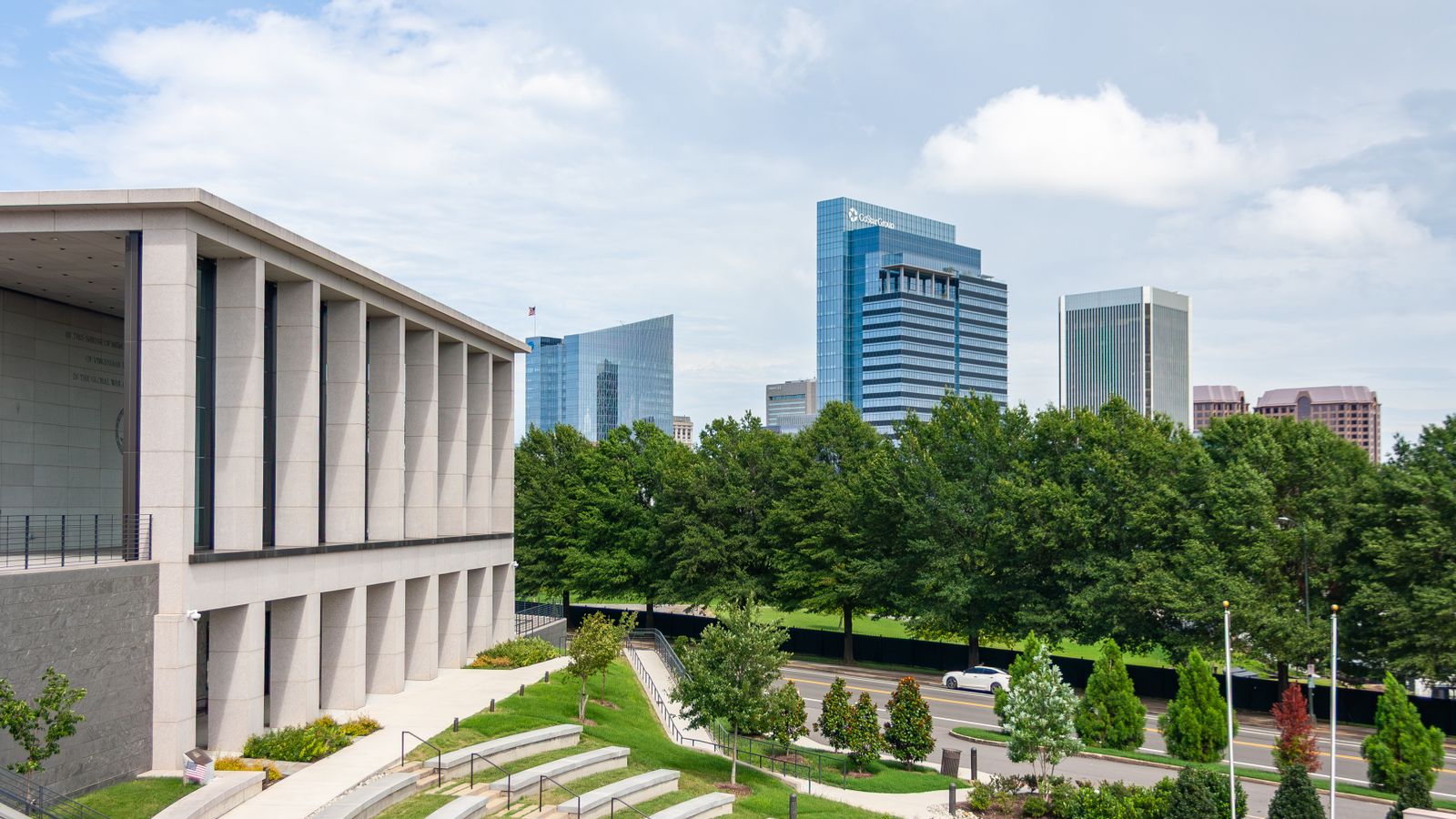
Virginia Sen. L. Louise Lucas indicted in marijuana business case
The Washington Post reported the indictment of Virginia's Senate president pro tempore, a figure in state cannabis debates. The charging details were not in the initial report.

Massachusetts Poll Finds Voters Back Legal Cannabis's Impact
A poll reported by Marijuana Moment shows Massachusetts voters crediting legal cannabis with benefits to the economy, criminal justice and communities.
More from the newsroom
AG Blanche Says DOJ Won't Interfere With State-Legal Cannabis
Attorney General Todd Blanche said the Justice Department isn't seeking to interfere with state-legal marijuana operators, but no written policy or rule change accompanied the reported remarks.

Blanche Says Lucas Charges Aren't Aimed at State Cannabis Laws
The attorney general framed the federal case against Virginia's Senate president pro tem as conduct-based, not a move against state marijuana policy.

DOJ indicts Virginia lawmaker, six others over hemp THC shop
Federal prosecutors charged a Virginia state lawmaker and six others over a hemp THC operation, testing where hemp ends and marijuana begins.