Wearable Study Links Long-Term Cannabis Use to Worse Sleep
A wearable-device study reported Oct. 10 ties long-term cannabis use to poorer sleep, a direct challenge to the category's biggest marketing promise.
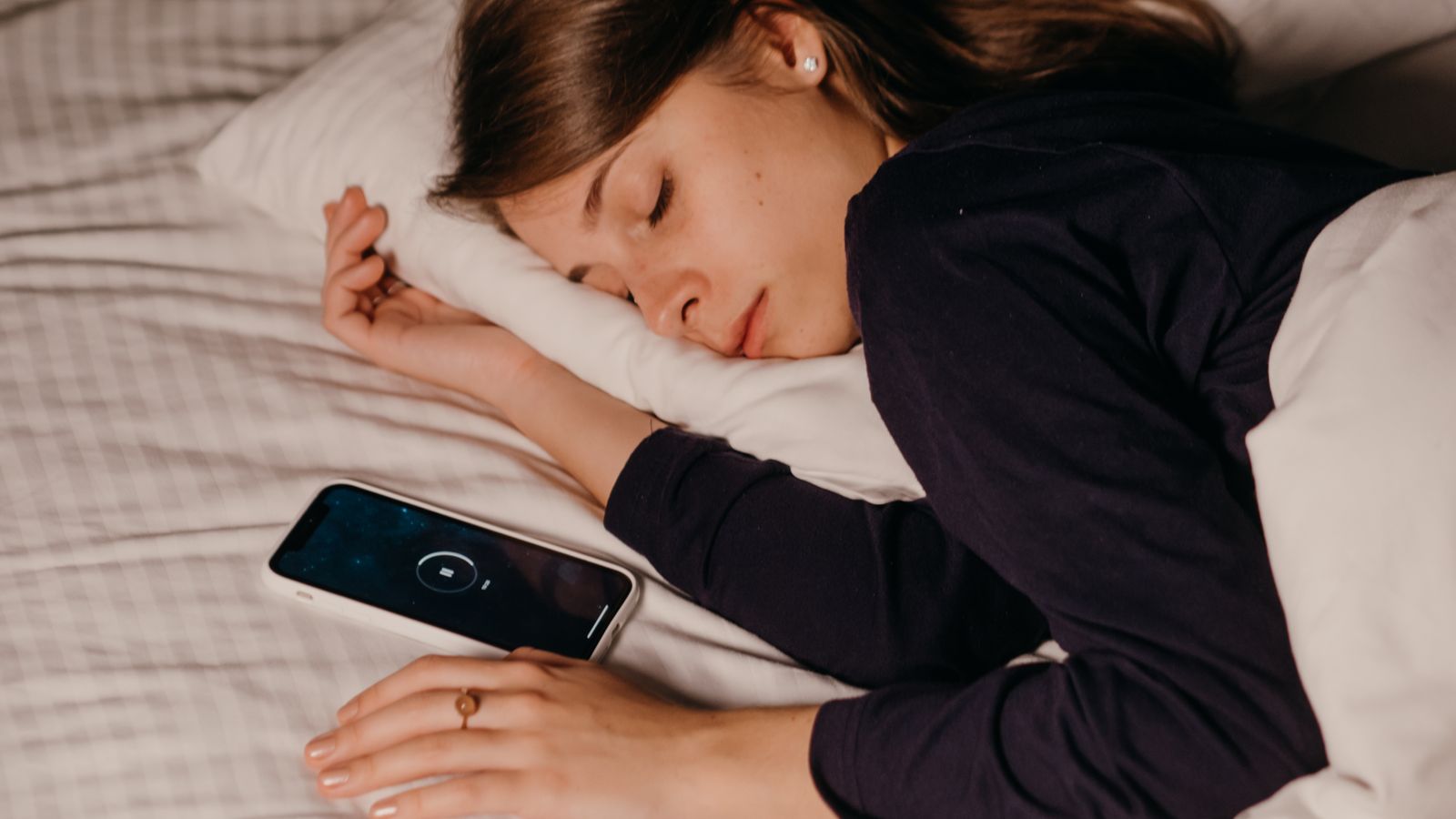
A woman peacefully sleeping in bed with a smartphone nearby, conveying rest and relaxation.
Wearable data sharpens the "cannabis helps me sleep" debate
Bioengineer.org reported on Oct. 10, 2026, that a wearable-device study tied long-term cannabis use to worse sleep. The finding cuts against the most common reason people give for nightly use.
Sleep is the pitch behind a big slice of the shelf: the "nighttime" tincture, the sedating edible, the indica-labeled pre-roll. If long-term users sleep worse on device-tracked nights, that pitch has a problem.
Here's the catch for anyone who wants numbers. The Bioengineer.org summary CannIntel reviewed doesn't give the sample size, the journal, the effect size, or how the researchers defined "long-term" use. We aren't going to guess at them. CannIntel hasn't reviewed the underlying paper.
Wearables still matter. Self-reported sleep is notoriously unreliable, while a device on the wrist logs every night whether or not the user remembers it.
That's the real story.
What a wearable can and can't prove
An association captured by a wearable doesn't establish that cannabis caused the worse sleep. Causality can run the other way, and the study summary doesn't say how the researchers handled that.
People who sleep badly are more likely to reach for cannabis in the first place. A long-term user group could skew toward poor sleepers before anyone bought their first eighth, and only a design that controls for baseline sleep and conditions like insomnia or sleep apnea can separate those effects.
Device type matters too. Consumer wearables estimate sleep stages from movement and heart rate, not from brain activity the way lab polysomnography does. They're good at tracking trends across many nights. They're shakier on calls like REM versus light sleep.
It does fit what sleep researchers have long hypothesized about regular THC use: it can help someone fall asleep in the short run, tolerance builds, and quitting brings rebound sleep trouble. The summary doesn't say whether this study tests that mechanism.
A sleep aid that degrades sleep over months of nightly use is a bad trade for the customer who buys it at 10 p.m. and keeps buying it.
What it means for growers, brands and budtenders
Sleep-positioned products face a credibility test if device-measured data keeps pointing the wrong way. One study won't sink a category. What kills you is the second and third one landing in the same direction.
The math is simple. The nightly sleep buyer is the best repeat customer on the sales sheet. If nightly use erodes the very thing that customer is paying for, you get churn first and a reputation problem after that.
Cultivators should read this with some skepticism toward their own marketing. The idea that myrcene-heavy cuts are inherently sedating has little controlled human evidence behind it, so a breeder running a sleepy pheno-hunt should be careful about what the label promises. Nothing in the available summary addresses CBN or other minor cannabinoids marketed for sleep, and nobody should assume the finding extends to them.
Retail staff face the more immediate problem. A budtender who tells a patient that nightly flower will fix their insomnia is making a claim this data complicates. The FDA has historically policed health claims on cannabinoid products, and state rules on what a label or a counter pitch can say vary widely. Operators building sleep lines should have their claims language reviewed before the next print run.
For full background on this story, see the CannIntel topic hub on cannabis and sleep research.
The next signal is the paper itself. Sample size, how researchers separated long-term users from pre-existing poor sleepers, and whether the effect shows up in medical patients as well as adult-use consumers will decide how much weight this carries. CannIntel will update when those details are available.
Frequently asked questions
What did the new wearable cannabis sleep study find?
According to Bioengineer.org, the study linked long-term cannabis use to worse sleep, as measured by wearable devices. The summary CannIntel reviewed didn't include sample size, effect size, or the journal, so the strength of the link isn't yet clear.
Does the study prove cannabis causes poor sleep?
No. An association doesn't establish causation. People with sleep problems may be more likely to use cannabis, and the available summary doesn't say how the researchers accounted for that. The full paper's design will determine how far the conclusion can go.
How accurate are wearables at measuring sleep?
Consumer wearables estimate sleep from movement and heart rate rather than brain activity. They track patterns across many nights well, but are less reliable than lab polysomnography at identifying specific stages such as REM sleep.
Does this affect CBN or other cannabinoid sleep products?
The available summary doesn't address CBN or other minor cannabinoids, so the finding shouldn't be extended to them. It speaks to long-term cannabis use generally, and product-specific effects would need separate research.
Sources
The cannabis newsletter you forward to your team.
Federal policy, market data, grower alerts, and the one story that matters today. Sent every weekday at 7am. Free.
No spam. Unsubscribe with one click. 21+ only.
Related from Medical
Report Says CBD Study Cut Alzheimer's Damage; Details Unverified
The Marijuana Herald reported a study linking CBD to better memory and less Alzheimer's-related brain damage, but the underlying research hasn't been identified.
New Study Links Cannabis to Sudden Panic, StudyFinds Reports
StudyFinds reported Oct. 11 that new research shows cannabis can trigger sudden panic in a calm brain. The underlying paper is not yet verified.
Trial Reports THC-CBD-Terpene Blend Cut Morphine Use Nearly 50%
A clinical trial of a THC, CBD and terpene formulation reported a near-50% drop in morphine use among acute nerve pain patients.
More from the newsroom
Safe Harbor Marijuana Banking Deposits Hit $119.3M, Up 7.4%
Deposits tied to Safe Harbor's cannabis banking business rose 7.4% year over year, a steady gain that leaves the larger access question open.
Illinois Cannabis Sales Climb, Raising Excise Tax and 280E Stakes
An AOL.com report says Illinois cannabis sales are rising, but the tax tiers under the state's 2020 legalization law decide who actually benefits.
NZ Herald: Charge Rate for Personal Cannabis Use Triples
New Zealand's charge rate for personal cannabis use has tripled, NZ Herald reported, raising hard questions about police discretion and drug policy.